
Marcher au bord de la rivière — History & Facts
Could a single brushstroke hold eternity? In the realm of movement, where nature dances and time flows, the essence of life is distilled onto the canvas. Look to the left at the winding river, its surface shimmering with hues of azure and silver. Notice how the brushstrokes ripple, capturing the gentle caress of the water against the bank. The light plays upon the scene, illuminating the foliage with deep greens and soft yellows, inviting the viewer to delve into the harmony of nature’s palette.
Every detail, from the delicate grasses to the distant trees, exemplifies a meticulous technique, drawing you into an immersive embrace of color and form. Hidden within this tranquil depiction lies a narrative of transition; the river symbolizes the passage of time, while the figures moving along its edge embody the fleeting nature of existence. The contrast between the stillness of the landscape and the gentle movement of the travelers evokes an emotional tension, prompting reflections on life’s journey. As the scene unfolds, one might sense a silent dialogue between the figures and the river—a conversation about change, growth, and the inevitability of movement. Marcher au bord de la rivière was created during a period of exploration for Leon Richet, possibly in the late 19th century.
His work reflects the Impressionist movement’s emphasis on light and atmosphere, as well as a growing fascination with capturing fleeting moments in nature. During this time, Richet was actively engaged in the artistic community, embracing new techniques that celebrated the vibrancy and dynamism of the world around him.
More Artworks by Leon Richet
Browse all →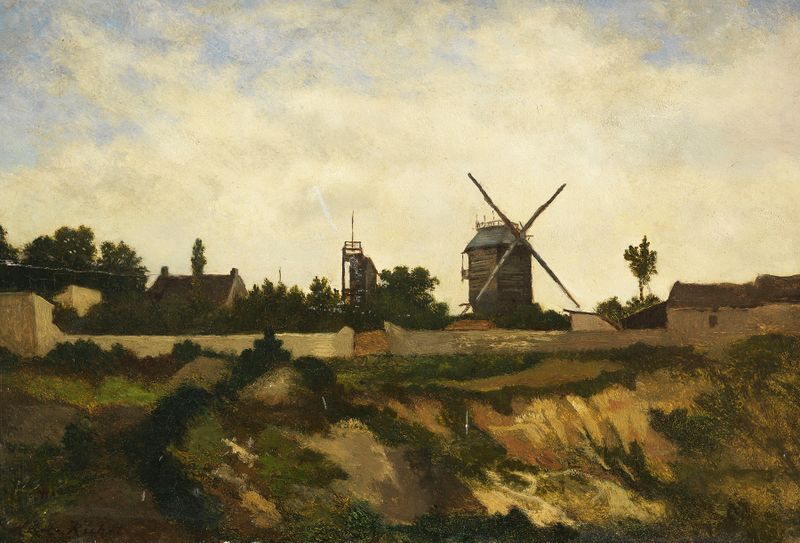
Les Moulins de Montmartre
Leon Richet
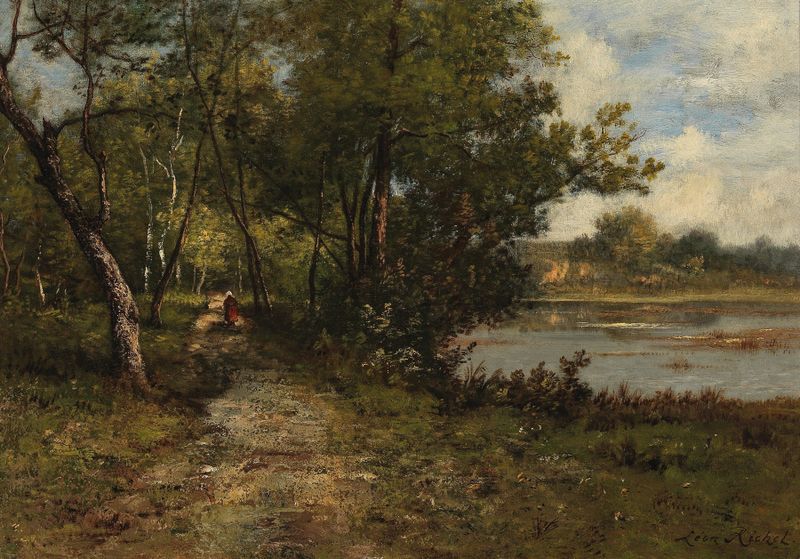
Promenade on the Riverbank
Leon Richet
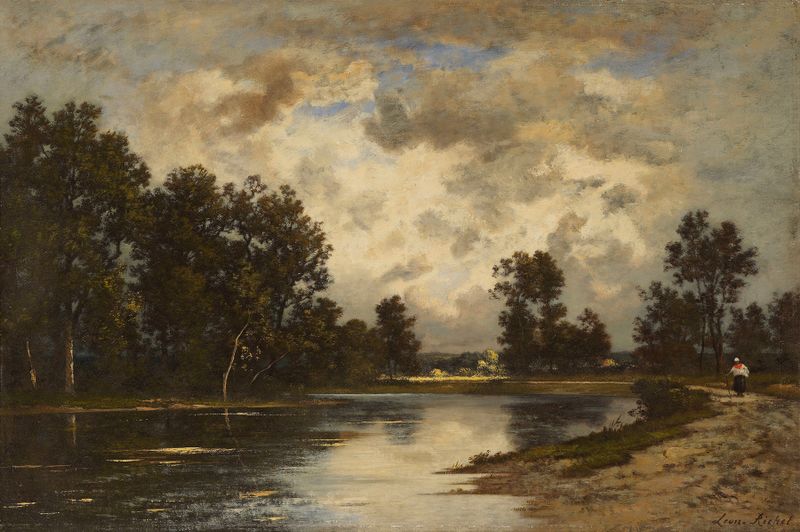
Pond at the edge of the forest
Leon Richet

A farmhouse by the sea
Leon Richet
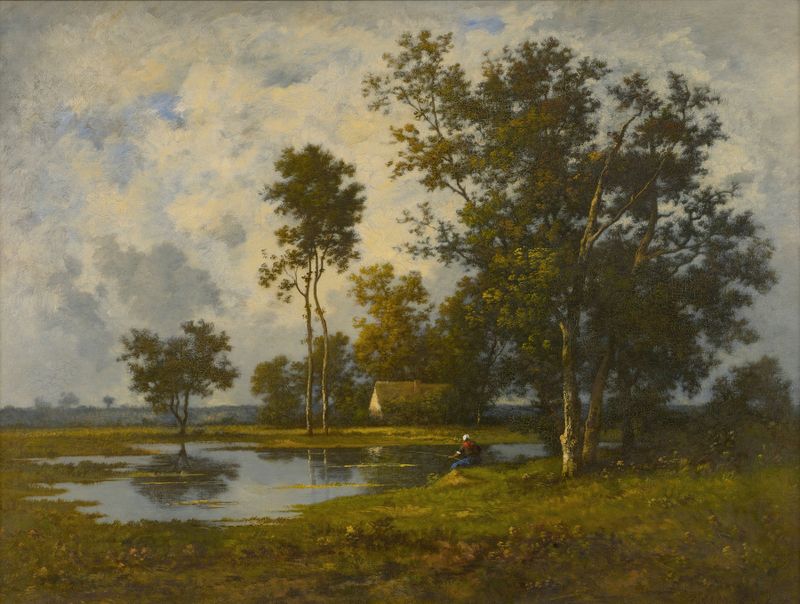
Landscape With A Quiet Pool
Leon Richet
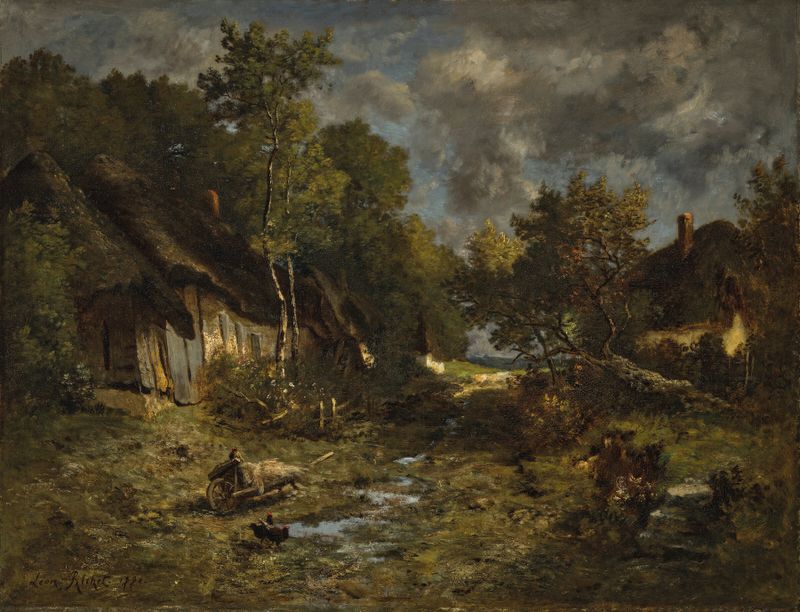
The farm
Leon Richet
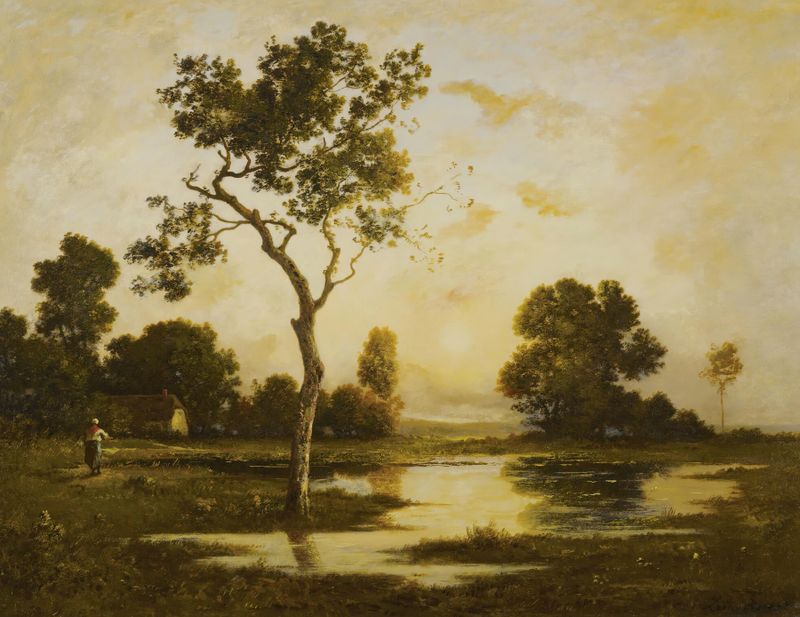
Retour A La Ferme, Crepuscule
Leon Richet
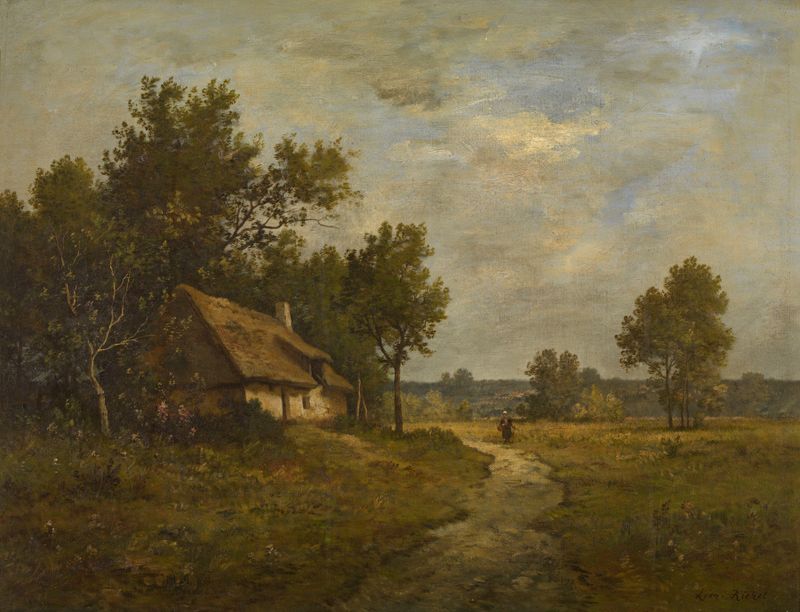
Landscape
Leon Richet

Weg durch eine große Landschaft
Leon Richet

Near Barbizon; by a farm
Leon Richet





