
The farm — History & Facts
In the serene embrace of nature, awe unfolds quietly, inviting contemplation and reflection on the layers of existence beyond mere observation. Look to the left at the vibrant clumps of greenery, where brushstrokes dance together in a symphony of greens that evoke the breath of life. Notice how the golden hues of the fields intertwine with patches of shadow, creating a rhythmic pulse that draws the eye deeper into the composition. The contrast of light illuminating the farmhouse, set against the muted tones of the surrounding landscape, serves to anchor the viewer's gaze and evokes a sense of belonging and tranquility. Beyond its pastoral beauty, the painting captures a delicate balance between human presence and the vastness of nature.
Each detail—the flicker of light on the thatched roof, the wispy clouds above—suggests an ephemeral moment where time stands still. Richet’s use of color speaks not only of the natural world but also of the human experience, reflecting an awe-filled relationship between the observer and the environment that cradles life. Created in 1880, this work emerged from Richet's time in France, where he was immersed in the Impressionist movement yet dedicated to a more classic representation of rural life. At this point, he was exploring the natural beauty of rural settings, capturing fleeting moments of light and life.
The art world was in a state of transition, with artists striving to depict everyday scenes with increasing emotional depth, a pursuit that Richet embraced with profound sensitivity in this painting.
More Artworks by Leon Richet
Browse all →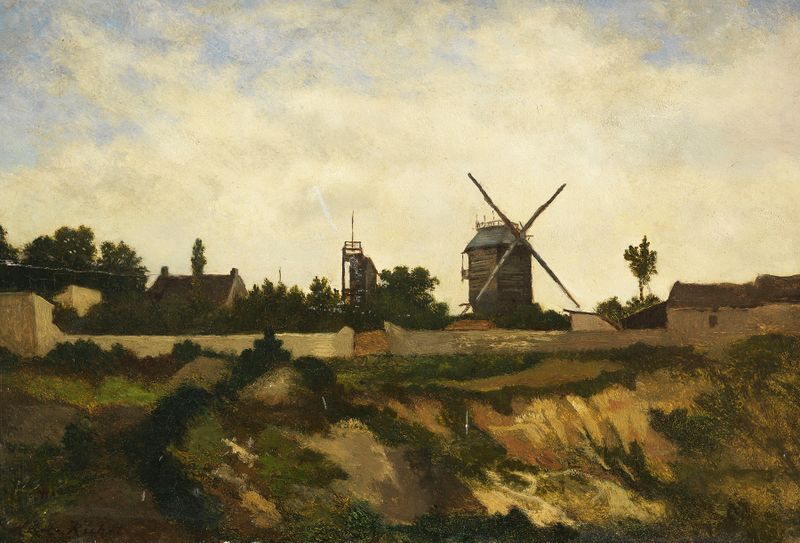
Les Moulins de Montmartre
Leon Richet
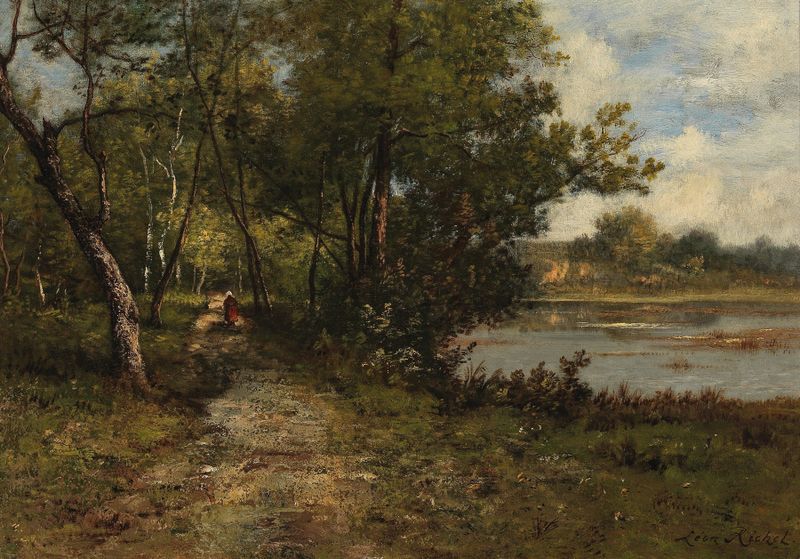
Promenade on the Riverbank
Leon Richet
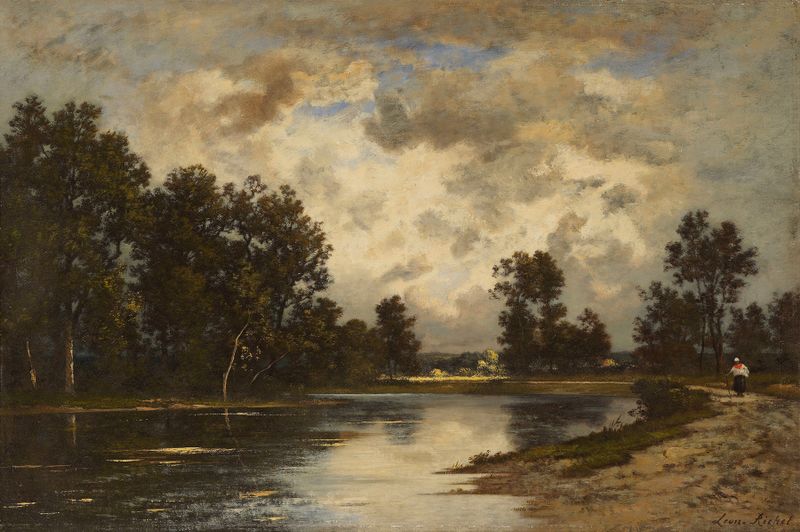
Pond at the edge of the forest
Leon Richet

A farmhouse by the sea
Leon Richet
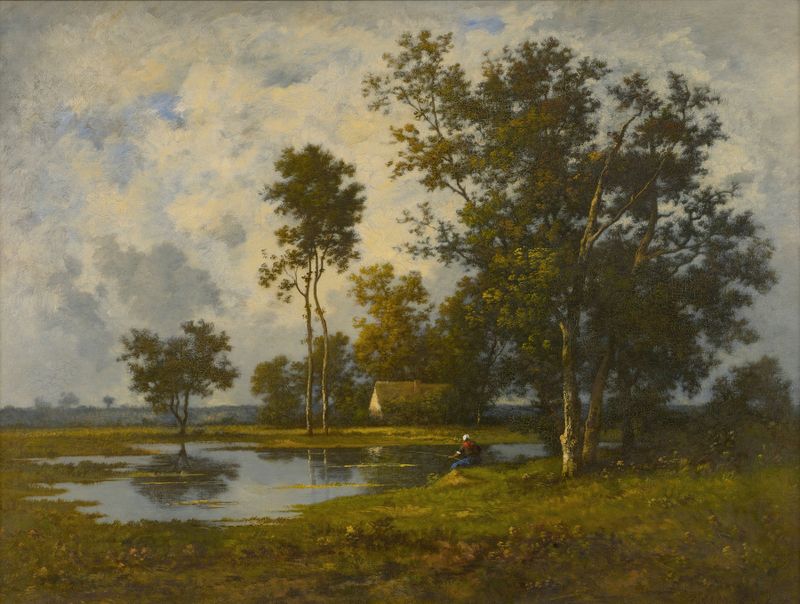
Landscape With A Quiet Pool
Leon Richet
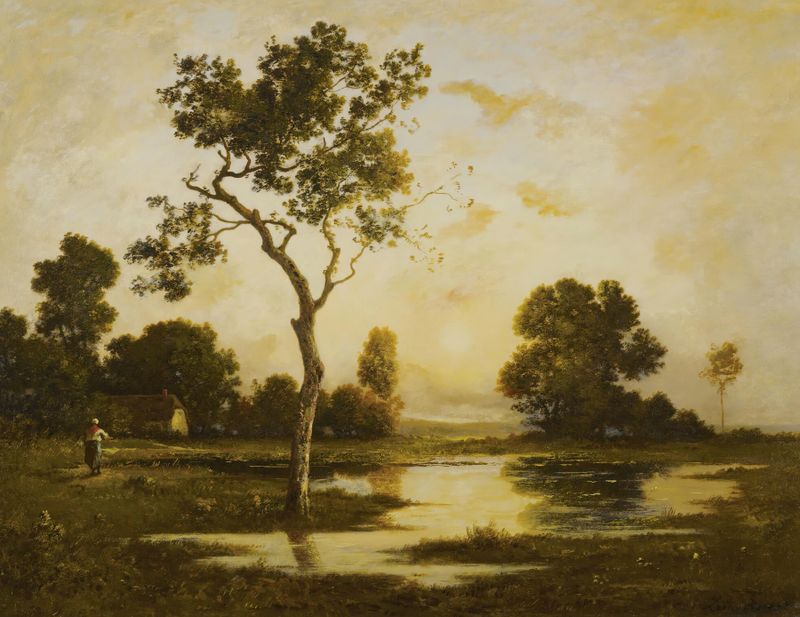
Retour A La Ferme, Crepuscule
Leon Richet
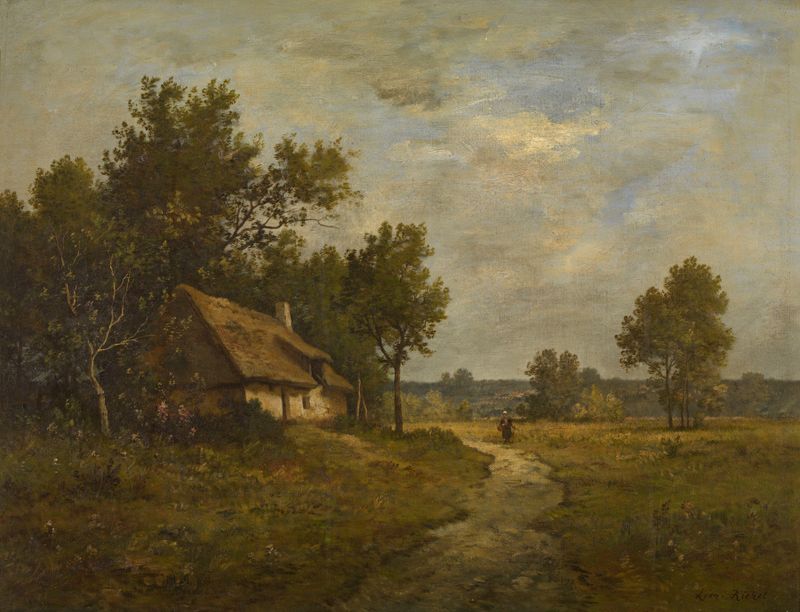
Landscape
Leon Richet

Weg durch eine große Landschaft
Leon Richet
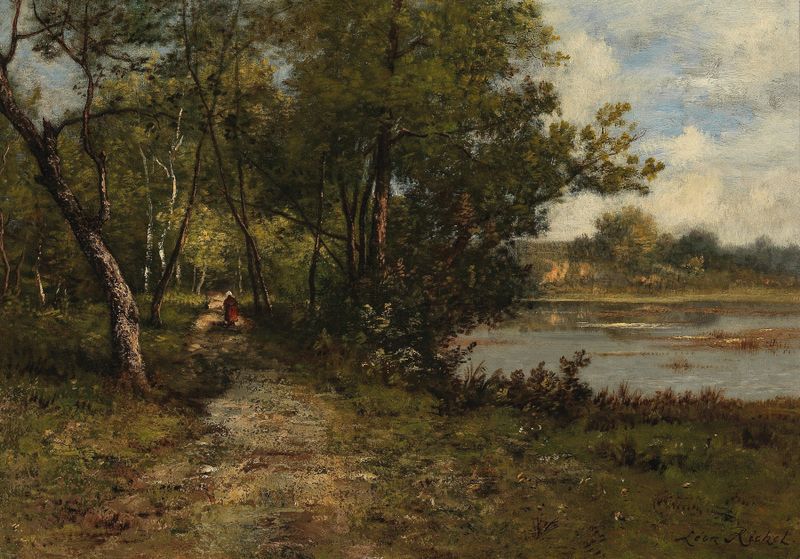
Marcher au bord de la rivière
Leon Richet

Near Barbizon; by a farm
Leon Richet





