A Forest Floor with Daisies, Primroses and Dandelions — History & Facts
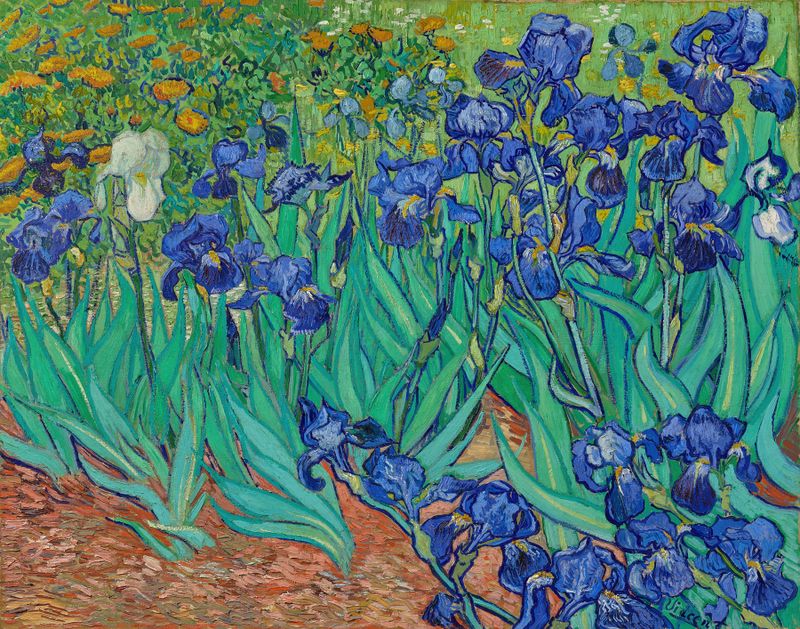
When did color learn to lie? In a realm where nature's hues speak the truth of serenity, a delicate tapestry emerges from the canvas—a celebration of life flourishing quietly beneath the canopy of trees. Look to the vivid greens that blanket the foreground, each stroke meticulously crafted to illustrate the soft embrace of grass intertwined with vibrant daisies, primroses, and dandelions. Notice how the warm sunlight filters through the foliage, casting a gentle glow that brings out the richness of the florals, inviting the viewer to step into this tranquil scene. The composition is a harmonious balance, where the flowers seem to bloom not just in color but in emotion, evoking a sense of peace and grounding. Yet beneath this beauty lies a deeper exploration of transience and rebirth.
The dandelions, with their fragile puffballs, hint at the fleeting nature of life, while the primroses symbolize youth and hope. Each flower, distinct yet unified, serves as a reminder of the cycles we undergo—of endings making way for new beginnings. This intricate interplay between life and decay beneath the surface of tranquility ignites a poignant tension in the work. Franz Xaver Petter painted this serene masterpiece in 1858, during a time when the Romantic movement was giving way to the emergence of realism in art.
Living in the countryside of Austria, he immersed himself in the natural beauty around him, reflecting the shifting tides of artistic expression, where landscapes became not just a backdrop but a profound commentary on existence.