
A House next to a Small Grove at the Shore in the Mist — History & Facts
Who listens when art speaks of silence? In the quiet embrace of muted colors and soft contours, there lies a voice yearning to be heard—a whisper of nature, history, and revolution. Look closely at the gentle transition between land and sea, where the stillness of the grove cradles a modest house. Notice how the mist hangs delicately in the air, blurring the edges of reality, inviting the viewer into a world that feels both present and elusive. The soft brushstrokes evoke a sense of calm, while the muted palette suggests the weight of unspoken narratives, imparting a serene yet somber mood. Delve deeper into the details: the house, subtly nestled among the trees, suggests a retreat from turmoil, a refuge amid changing tides.
The mist may symbolize the fog of uncertainty that envelops a society on the brink of upheaval, as Japan was during this period. Each element, from the swell of the water to the gentle sway of the trees, reflects the tension between the tranquility of nature and the unrest brewing beneath the surface of everyday life. In 1815, Tani Bunchō painted this work amidst a time of great transformation in Japan, as the nation faced internal conflicts and the pressures of Western influence. This period, known for its ideological shifts, saw Bunchō engaging deeply with the aesthetics of the natural world, reflecting both his personal experiences and the broader societal changes that would ultimately lead to the Meiji Restoration.
More Artworks by Tani Bunchō
Browse all →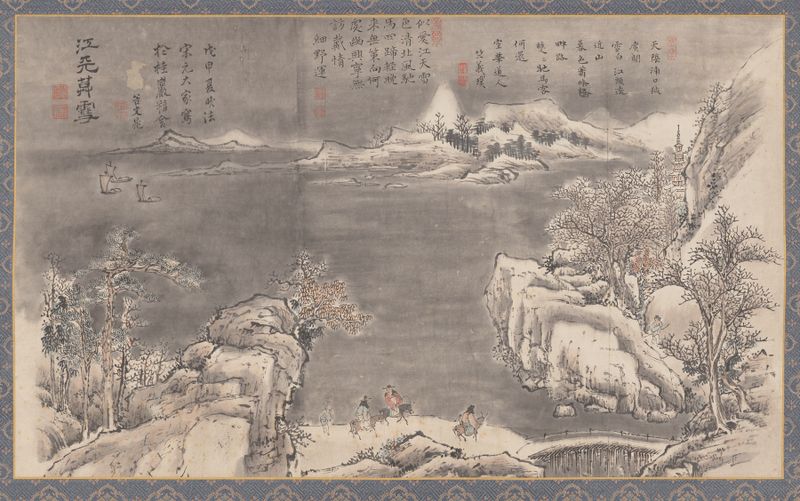
Evening Snow Blending River and Sky, from Eight Views of Xiao-Xiang
Tani Bunchō
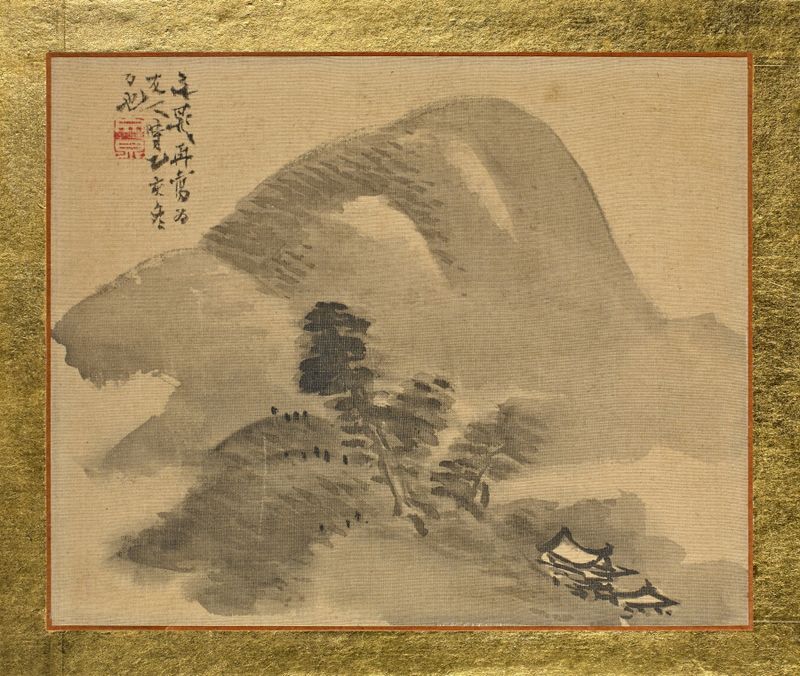
Mountain Landscape
Tani Bunchō
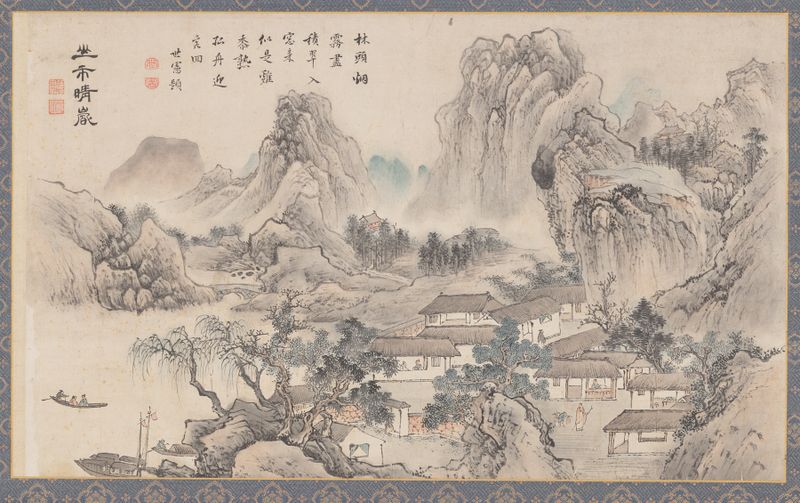
Mountain Market in Clearing Mist, from Eight Views of Xiao-Xiang
Tani Bunchō
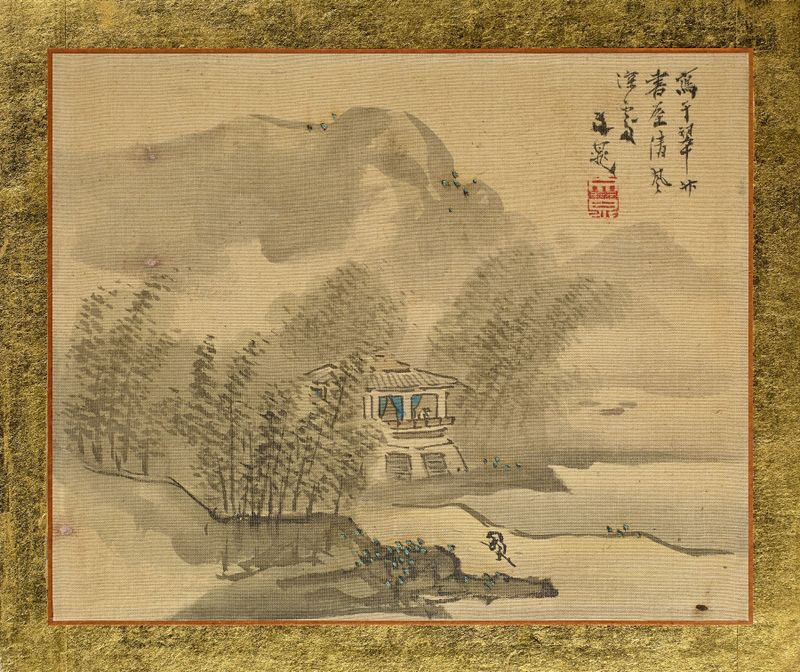
A House in a Bamboo Grove at the Shore
Tani Bunchō

Returning Sails off a Distant Shores, from Eight Views of Xiao-Xiang
Tani Bunchō

Quiet Residence in an Autumn Valley
Tani Bunchō
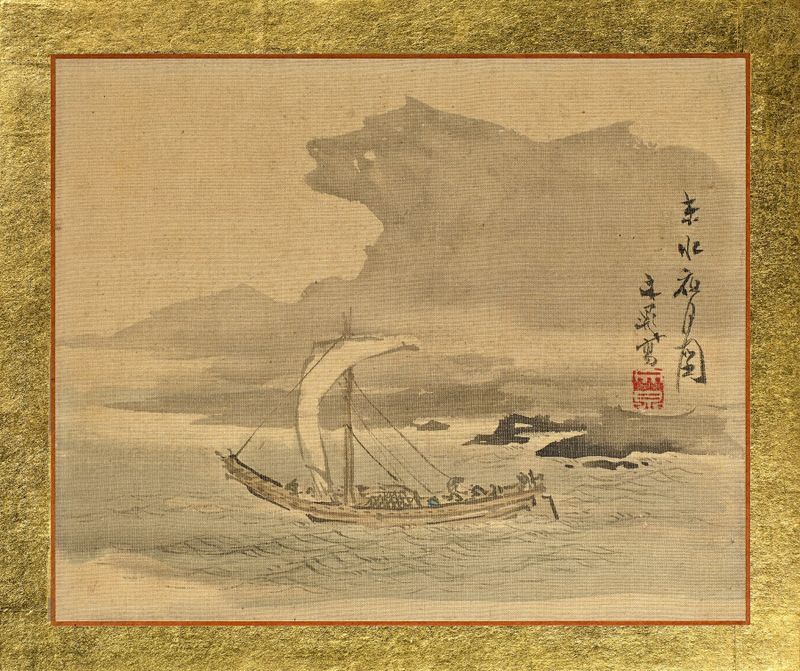
Picture of Kyoto Seascape under the Night Moon
Tani Bunchō
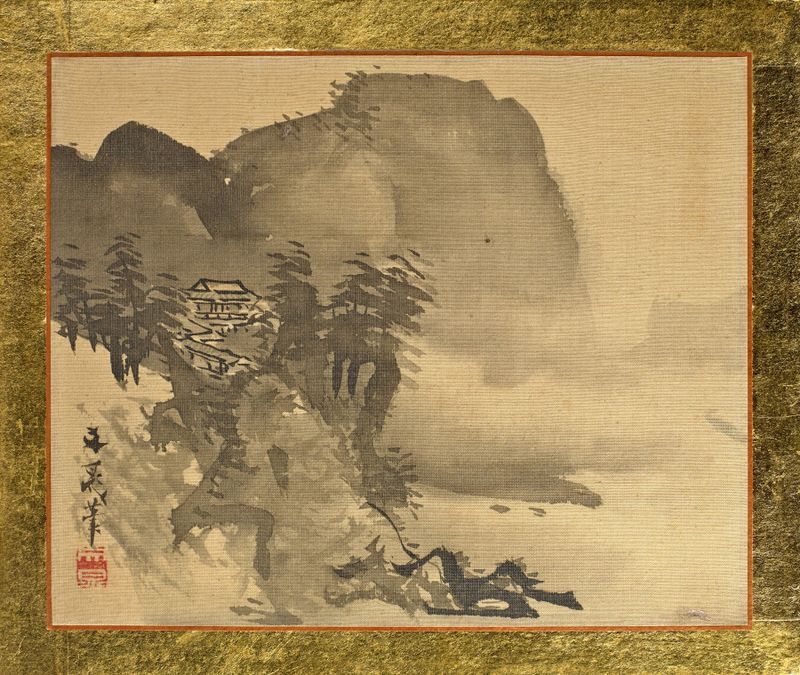
A House on a Cliff with Mountains in the Background
Tani Bunchō
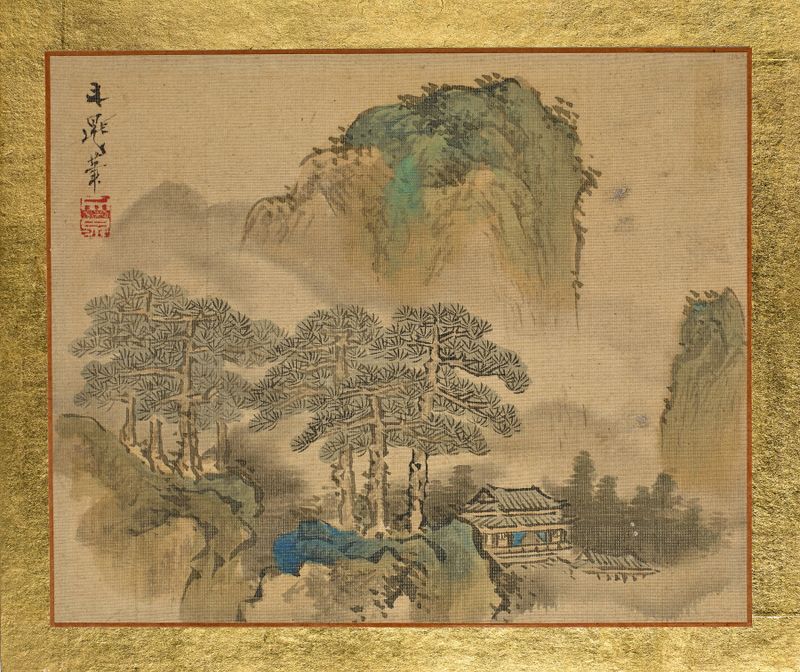
A House next to Pine Trees, in front of Mountains
Tani Bunchō

A Small Grove of Trees before a Rounded Hill at the Shore
Tani Bunchō





