
Quiet Residence in an Autumn Valley — History & Facts
In the stillness of autumn, the weight of the season hangs in the air like a whispered secret, urging us to listen closely to the unspoken stories of the landscape. Look to the left at the delicate interplay of hues that suggest the crispness of fall. A cascade of warm yellows and browns envelops the trees, their leaves fluttering like forgotten dreams. Notice how the gentle contours of the hills cradle a humble, unassuming residence, its muted tones harmonizing with the rich palette of nature.
The careful brushwork conveys an almost ethereal quality, inviting a contemplation of the fleeting beauty of life. Yet, beneath this serene facade lies a deeper tension. The juxtaposition of the tranquil valley against the solitary dwelling evokes a sense of isolation, as if the silence of the scene speaks to a profound longing. The scattered remnants of vibrant foliage suggest both the beauty of change and the inevitability of decay, capturing the paradox of existence.
This balance of tranquility and melancholy imbues the work with a sense of illusion—an effortless charm concealing deeper truths. In 1821, the artist created this evocative piece during a period of personal transition in his life. Living in Japan, he was exploring the aesthetics of the ukiyo-e style and the emerging trends in landscape painting, reflecting a broader cultural shift. As artists sought to capture the beauty of nature, Bunchō's work stood out for its innovative representation of landscapes, marking a significant moment in the evolution of Japanese art.
More Artworks by Tani Bunchō
Browse all →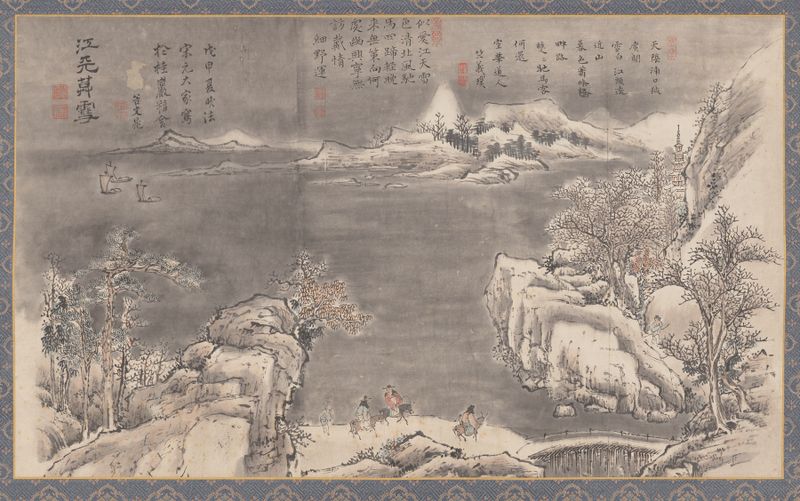
Evening Snow Blending River and Sky, from Eight Views of Xiao-Xiang
Tani Bunchō
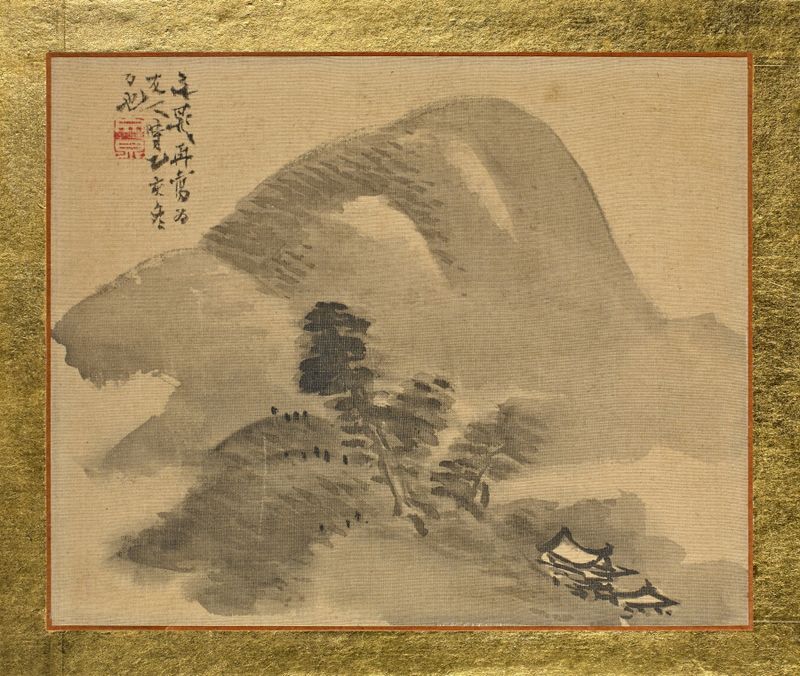
Mountain Landscape
Tani Bunchō
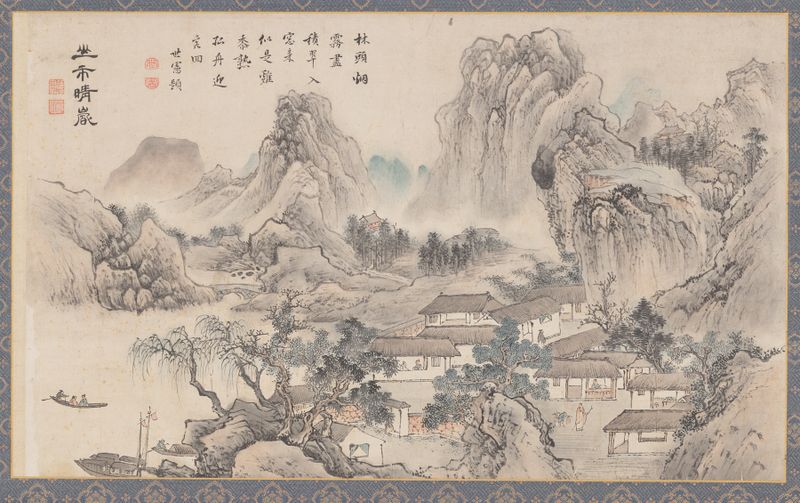
Mountain Market in Clearing Mist, from Eight Views of Xiao-Xiang
Tani Bunchō
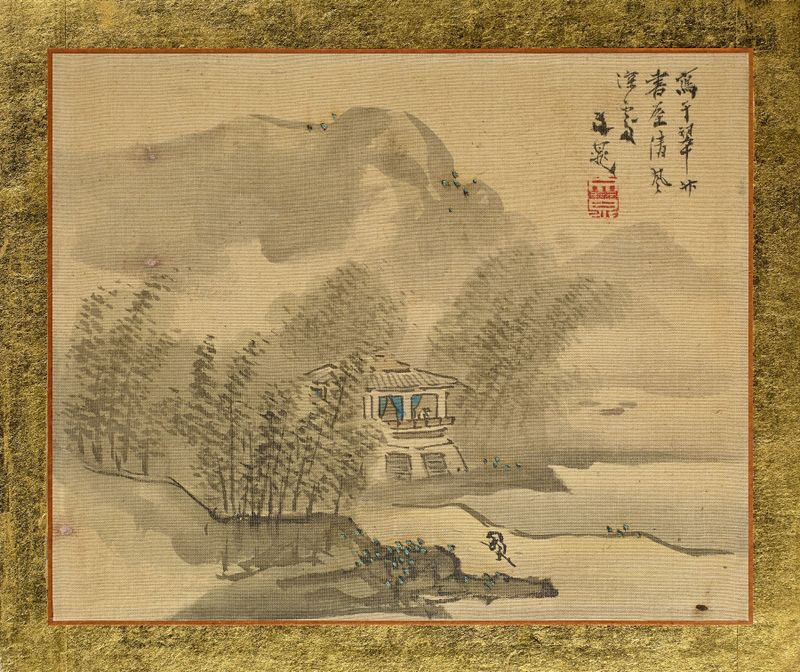
A House in a Bamboo Grove at the Shore
Tani Bunchō

Returning Sails off a Distant Shores, from Eight Views of Xiao-Xiang
Tani Bunchō
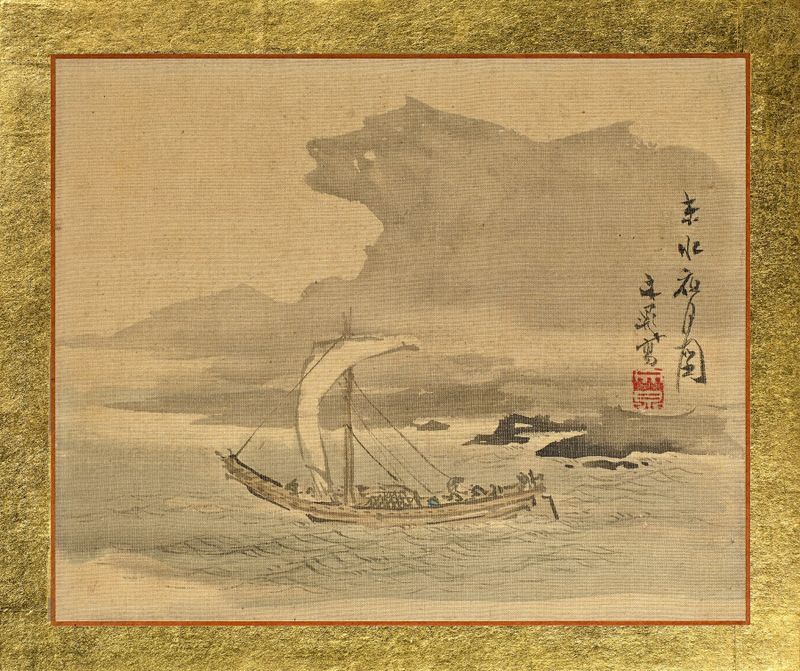
Picture of Kyoto Seascape under the Night Moon
Tani Bunchō
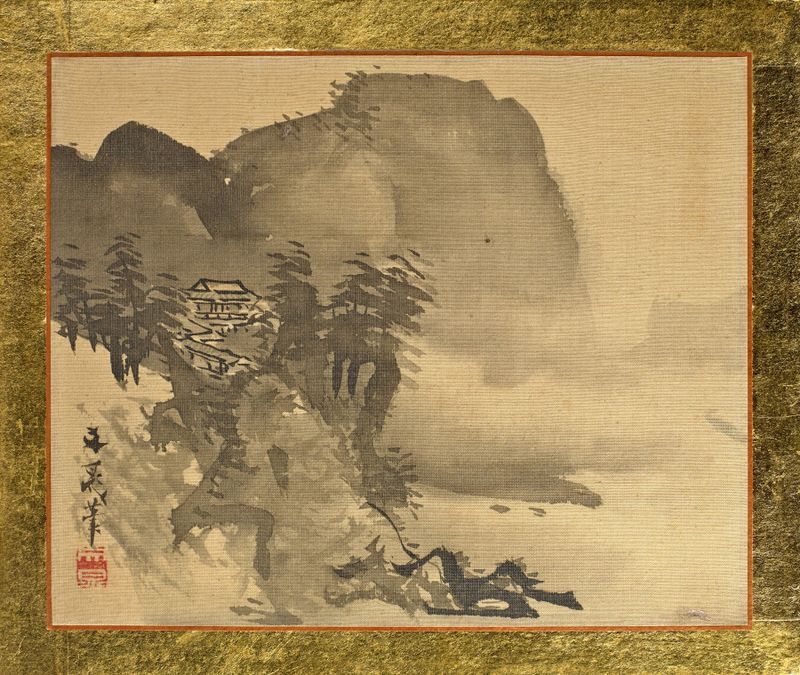
A House on a Cliff with Mountains in the Background
Tani Bunchō
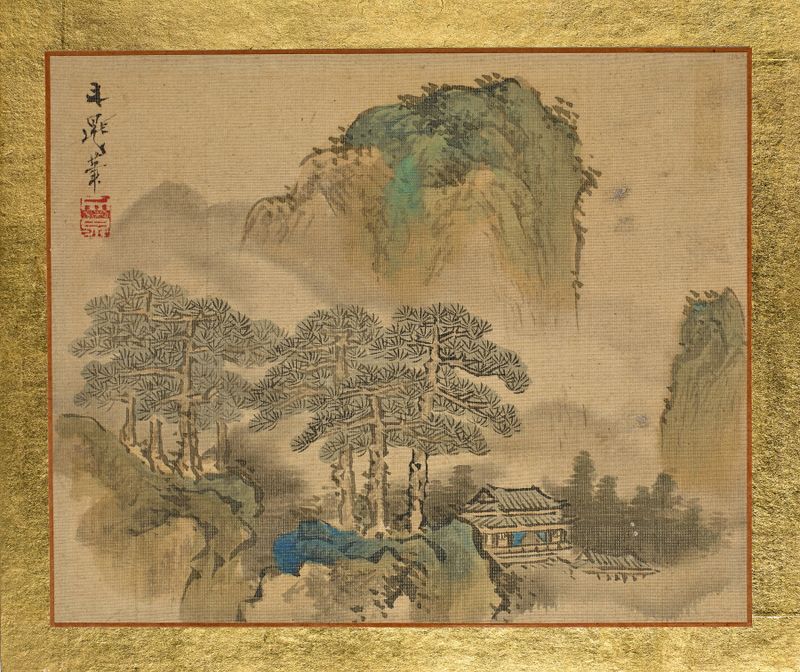
A House next to Pine Trees, in front of Mountains
Tani Bunchō
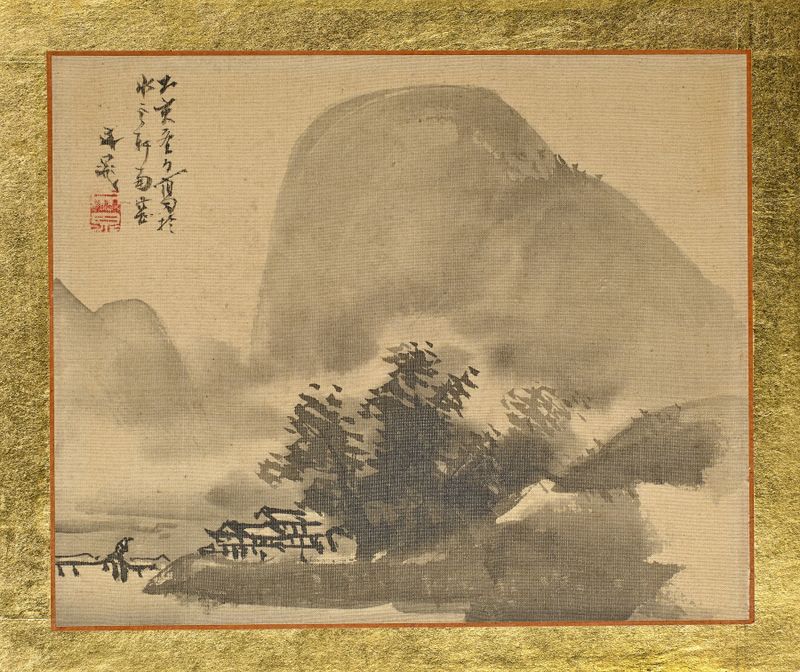
A House next to a Small Grove at the Shore in the Mist
Tani Bunchō

A Small Grove of Trees before a Rounded Hill at the Shore
Tani Bunchō





