
Picture of Kyoto Seascape under the Night Moon — History & Facts
In the delicate balance of night, there lies a fragility that echoes through the essence of existence. It is a poignant reminder that beauty often dwells in the ephemeral moments, waiting to be captured and cherished. Look to the left at the gently lapping waves, painted in serene shades of deep blue and muted black. The moonlight dances across the surface, casting shimmering reflections that play with the viewer's gaze.
Notice how the brushwork, both fluid and meticulous, captures the stillness of the scene while inviting a sense of movement, as if the water breathes beneath the weight of the moonlit sky. The subtle gradations of color evoke a meditative quality, drawing you deeper into the tranquil embrace of the seascape. As you take in the full composition, you can sense a contrast between the stability of the land and the fluidity of the sea. The distant silhouettes of hills stand resolutely against the horizon, while the waves suggest a perpetual ebb and flow, embodying the tension between permanence and transience.
This interplay of elements reflects a deeper emotional narrative about the fragility of life itself, where moments of peace are often intertwined with the inevitability of change. Tani Bunchō created this evocative piece in 1815, during a time when Japan was undergoing significant cultural and artistic shifts. As a master of the ukiyo-e tradition, he was well-acquainted with the delicate interplay between nature and human emotion. The Edo period was marked by an appreciation of simplicity and beauty in everyday life, and this work encapsulates that sentiment, illustrating a deep connection to the natural world at a moment of profound stillness.
More Artworks by Tani Bunchō
Browse all →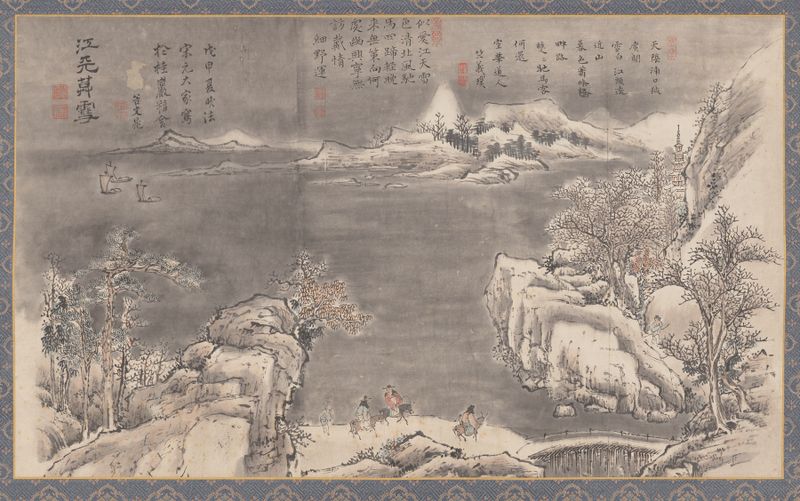
Evening Snow Blending River and Sky, from Eight Views of Xiao-Xiang
Tani Bunchō
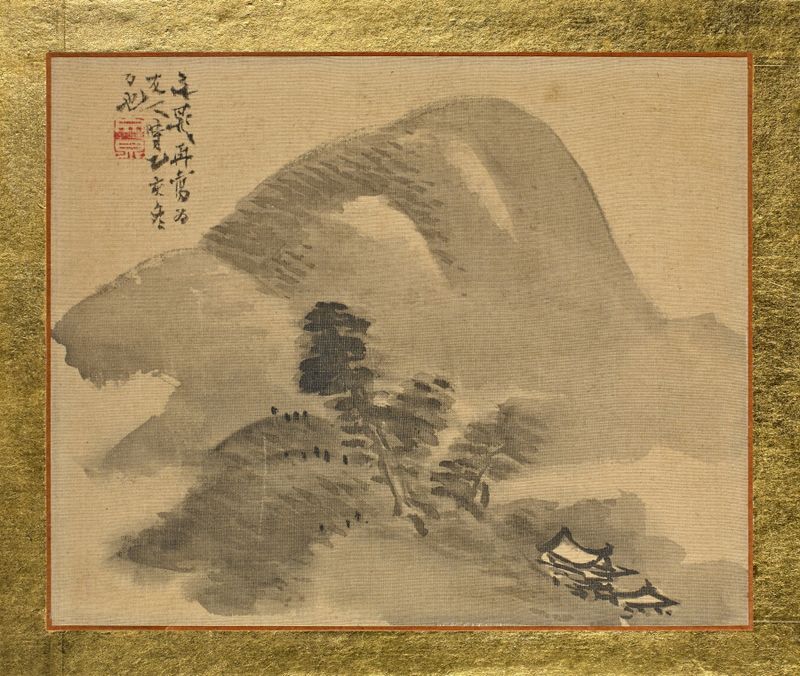
Mountain Landscape
Tani Bunchō
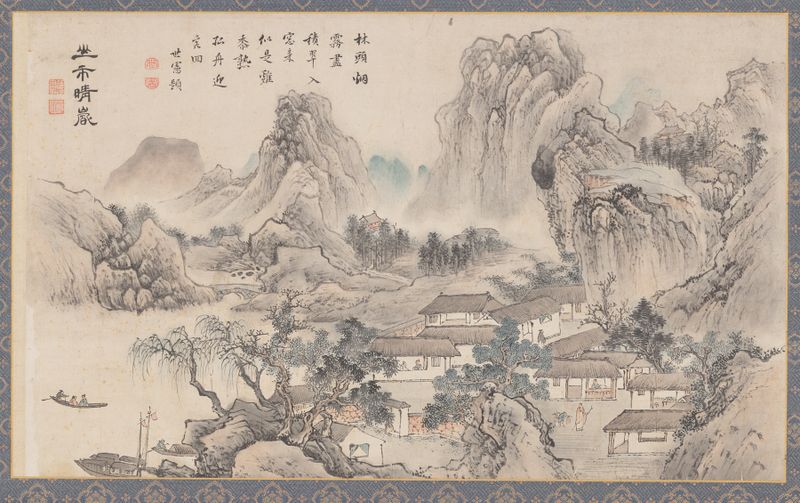
Mountain Market in Clearing Mist, from Eight Views of Xiao-Xiang
Tani Bunchō
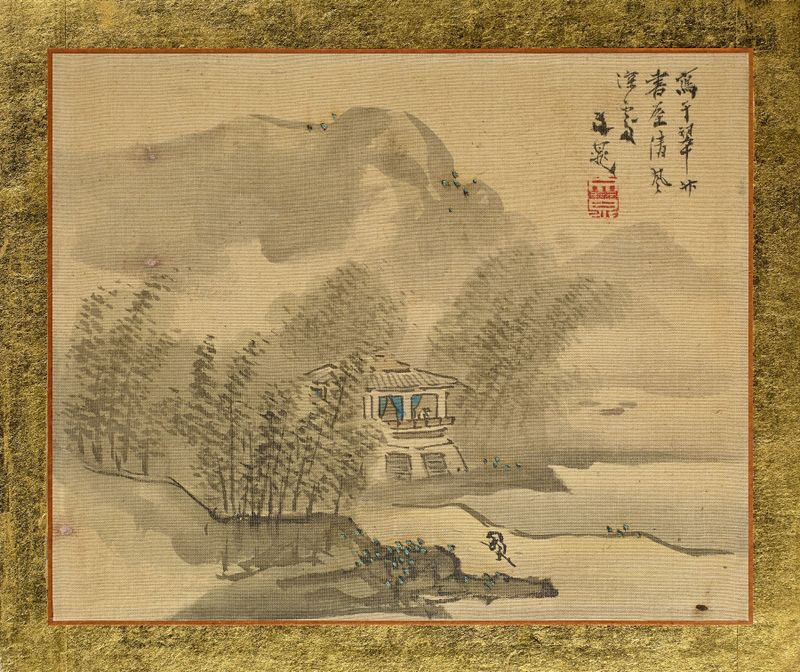
A House in a Bamboo Grove at the Shore
Tani Bunchō

Returning Sails off a Distant Shores, from Eight Views of Xiao-Xiang
Tani Bunchō

Quiet Residence in an Autumn Valley
Tani Bunchō
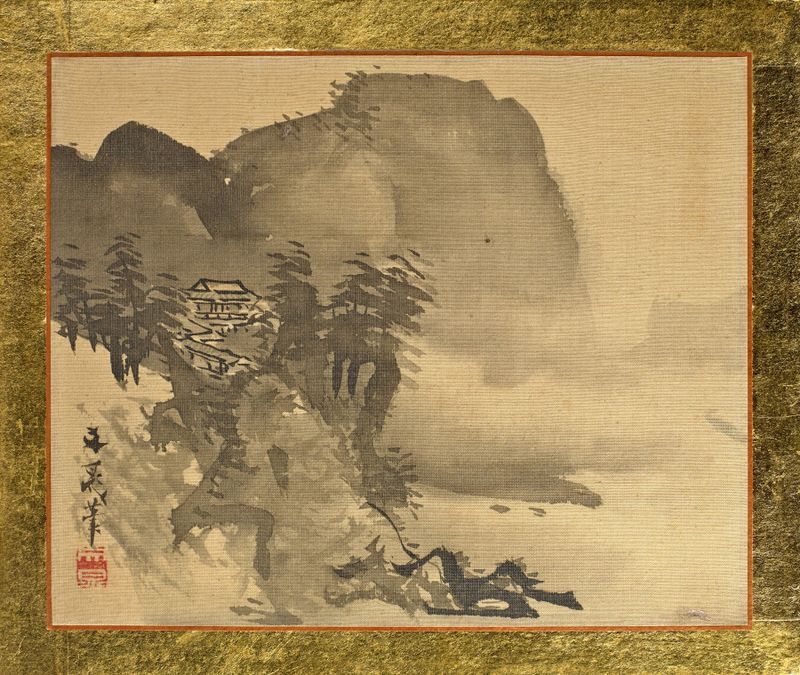
A House on a Cliff with Mountains in the Background
Tani Bunchō
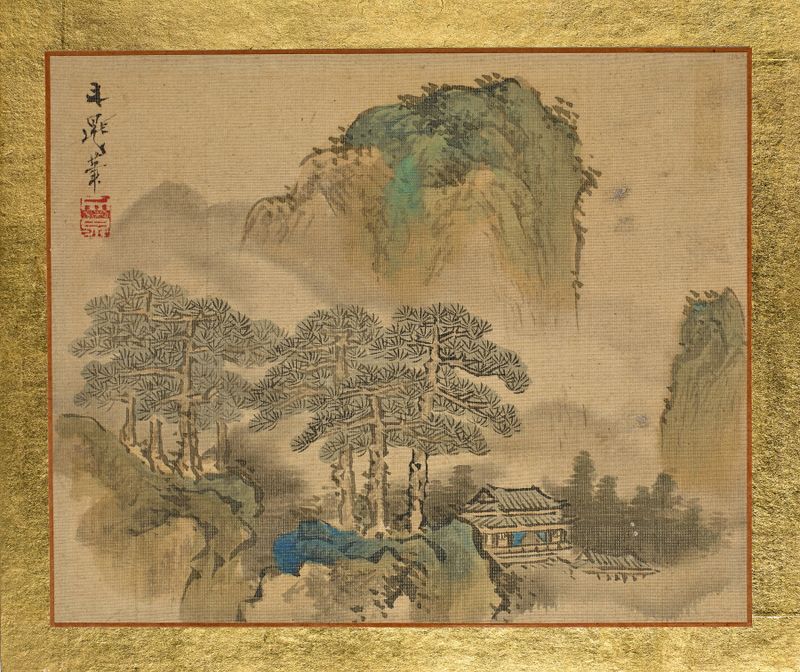
A House next to Pine Trees, in front of Mountains
Tani Bunchō
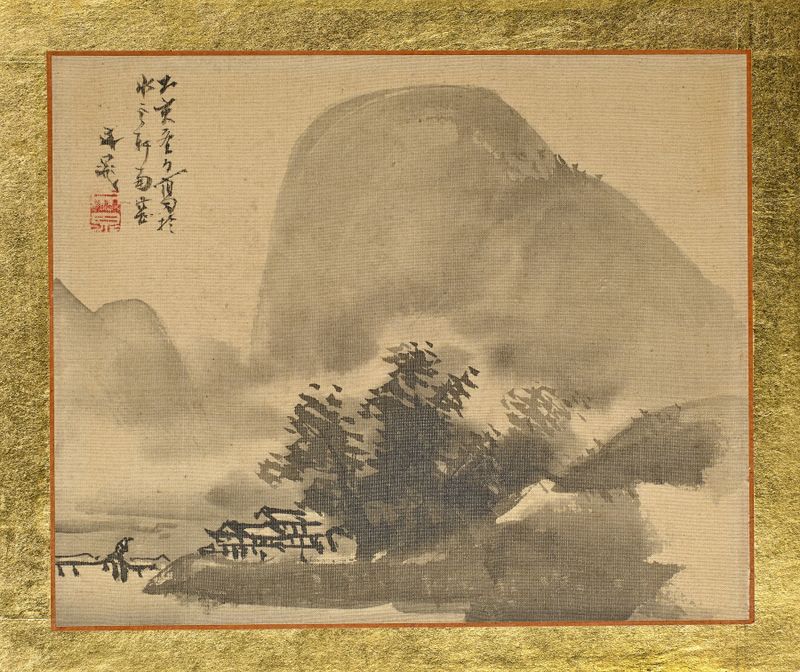
A House next to a Small Grove at the Shore in the Mist
Tani Bunchō

A Small Grove of Trees before a Rounded Hill at the Shore
Tani Bunchō





