
A House on a Cliff with Mountains in the Background — History & Facts
Could a single brushstroke hold eternity? In Tani Bunchō's A House on a Cliff with Mountains in the Background, the fleeting essence of the human experience is captured within the stillness of nature. Look to the foreground, where the delicate representation of the house stands poised on the cliff’s edge, its muted colors harmonizing with the surrounding landscape. Notice how the artist employs soft brushstrokes to evoke the textured facade of the home, while the distant mountains fade into layers of atmospheric blues and grays, giving a sense of depth. The careful balance between the vibrant greenery and the somber stonework invites the viewer's eye to dance across the canvas, emphasizing the juxtaposition of manmade solitude against the vastness of nature. The emotional tension arises from the contrast between the sturdy house and its precarious perch above the abyss.
A sense of melancholy lingers in the air, as the mountains loom like sentinels, hinting at both the beauty and the isolation of existence. The composition speaks to a profound yearning for connection amidst the overwhelming force of the natural world, suggesting that even the strongest structures are ultimately vulnerable. In 1815, Bunchō was deeply engaged in the tradition of Japanese landscape painting, a genre that sought to capture the spiritual resonance of nature. Living in an era when the influence of Western art was beginning to permeate Japanese aesthetics, he focused on composing serene landscapes that resonated with both emotional depth and technical precision, reflecting a cultural transition while remaining rooted in the essence of his own heritage.
More Artworks by Tani Bunchō
Browse all →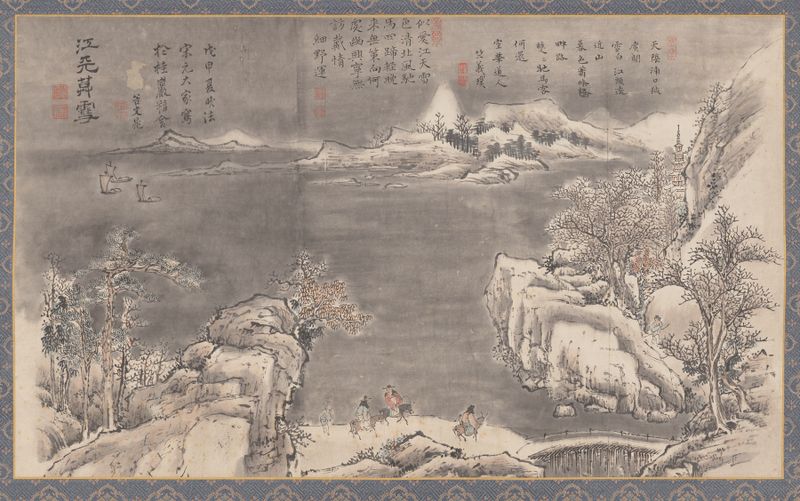
Evening Snow Blending River and Sky, from Eight Views of Xiao-Xiang
Tani Bunchō
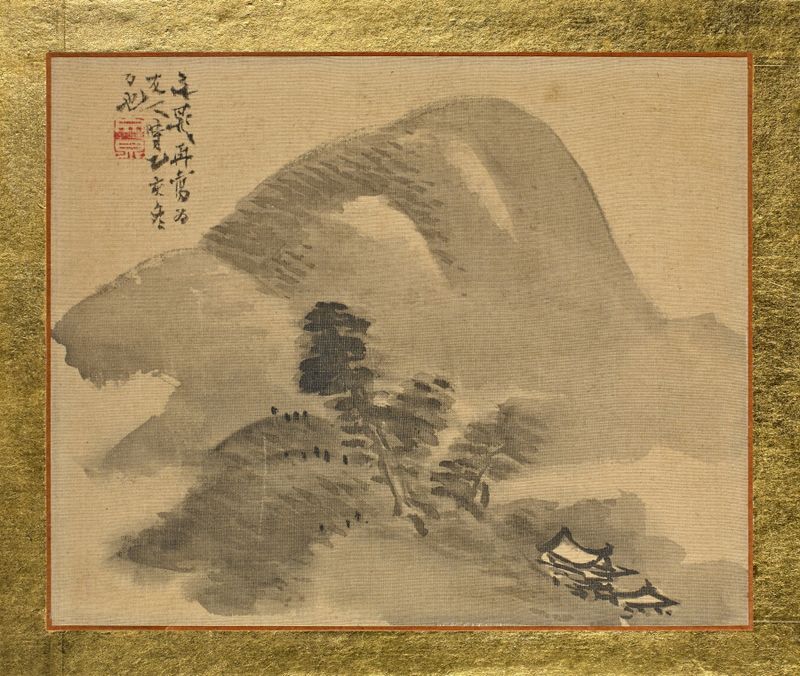
Mountain Landscape
Tani Bunchō
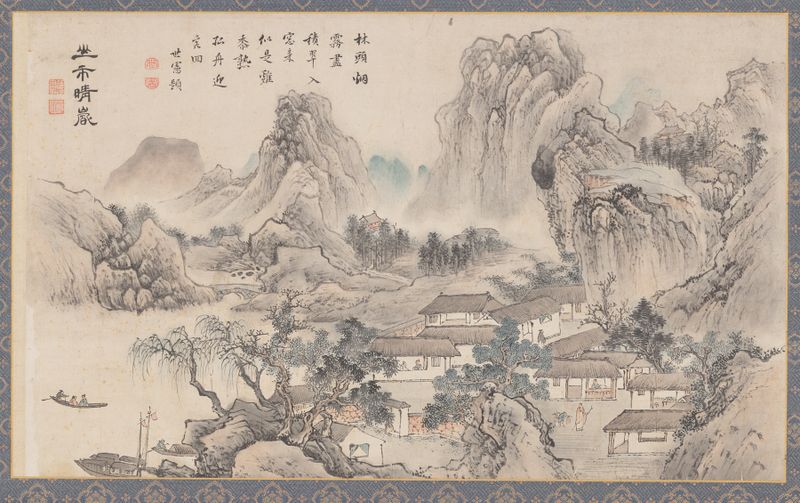
Mountain Market in Clearing Mist, from Eight Views of Xiao-Xiang
Tani Bunchō
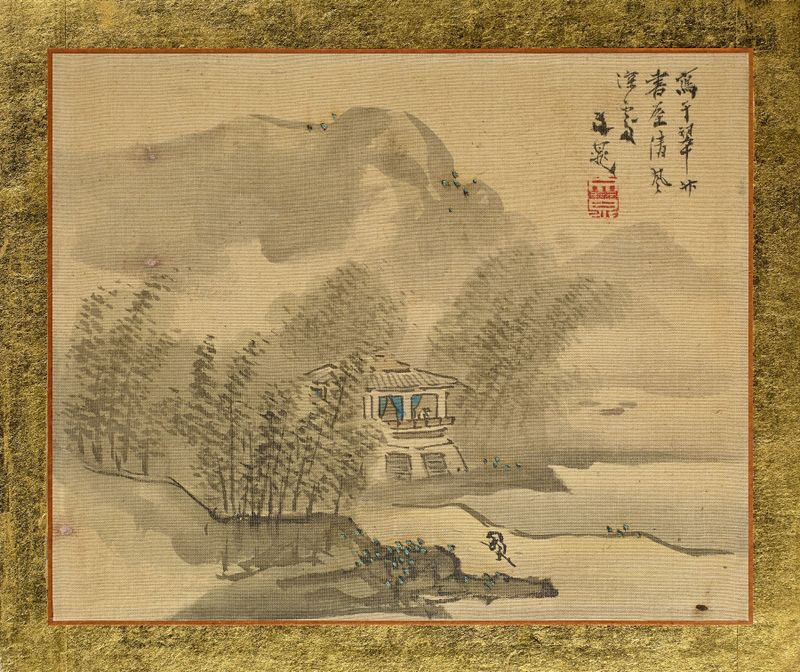
A House in a Bamboo Grove at the Shore
Tani Bunchō

Returning Sails off a Distant Shores, from Eight Views of Xiao-Xiang
Tani Bunchō

Quiet Residence in an Autumn Valley
Tani Bunchō
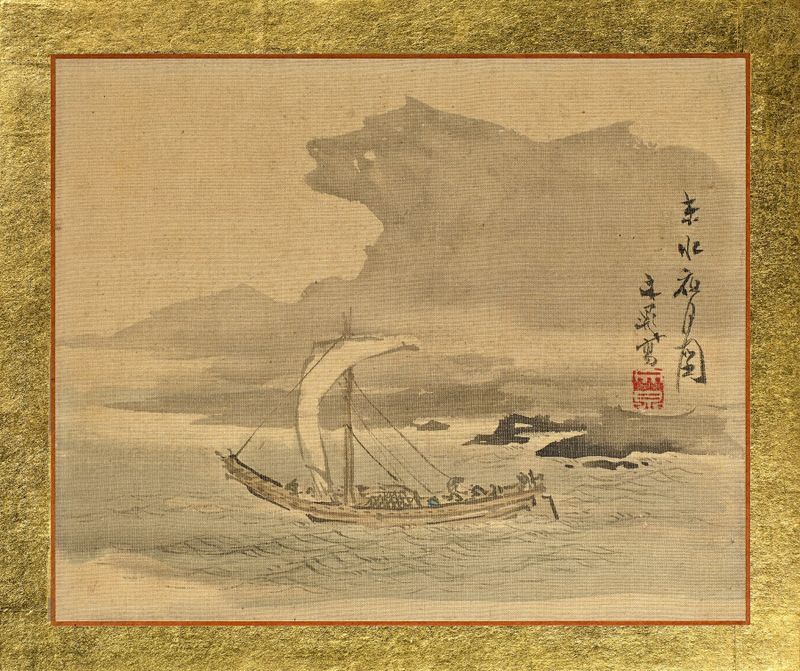
Picture of Kyoto Seascape under the Night Moon
Tani Bunchō
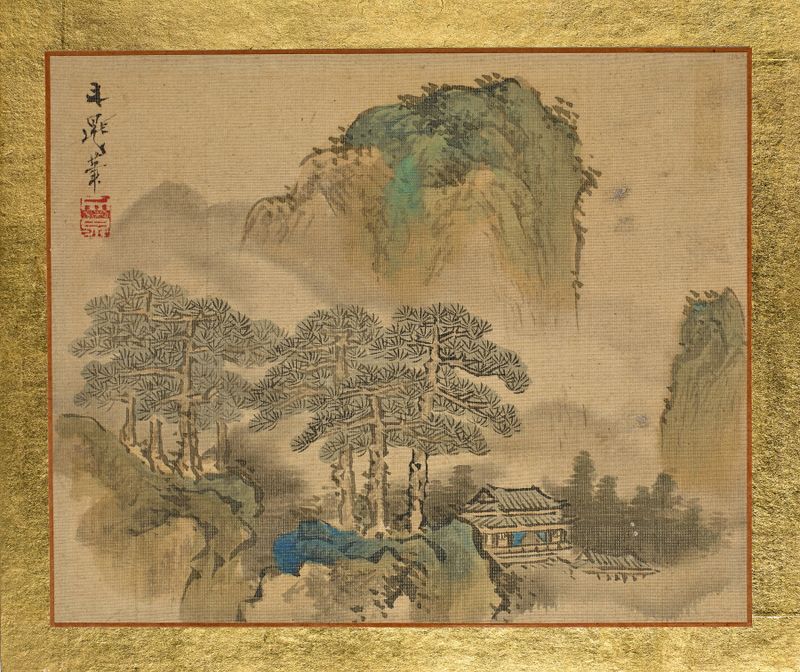
A House next to Pine Trees, in front of Mountains
Tani Bunchō
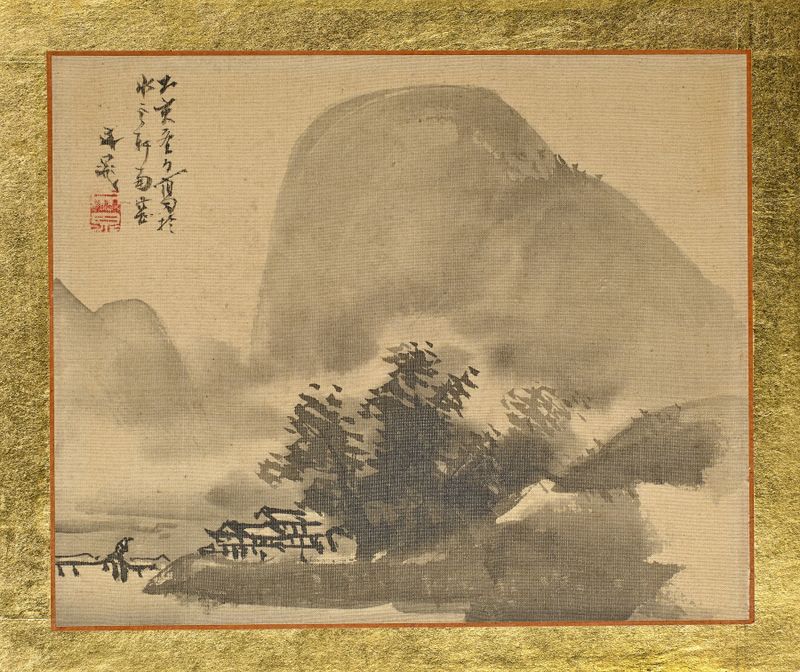
A House next to a Small Grove at the Shore in the Mist
Tani Bunchō

A Small Grove of Trees before a Rounded Hill at the Shore
Tani Bunchō





