
A Jewish family accused of healing religious objects and tortured by the Holy Inquisition — History & Facts
A single desperate gesture splits the darkness: a woman in torn white, arm outstretched, claws toward the tribunal as if to claw back fate itself. The eye is drawn instantly to her—her body twisted, mouth open in a silent cry, the only flash of light in a heavy, suffocating gloom. Around her, the figures are half-swallowed by shadow: judges in black, soldiers in armor, a tangle of bodies and faces blurred by the artist’s urgent brush.
The open chest at her feet, spilling gold and cloth, hints at accusations of wealth or forbidden rites, but the real currency here is fear and power. Every line, every patch of light, drives us back to that reaching hand—defiant, pleading, utterly alone. This is the world of nineteenth-century historical painting, where artists like Louis Gallait seized on the dark episodes of Europe’s past to stir the conscience of their own age. Scenes of the Inquisition, with its rituals of accusation and spectacle, were painted to challenge, to warn, and to mourn.
In the Belgium of Gallait’s day, such works spoke to anxieties about justice, tolerance, and the dangers of unchecked authority. Now in the Museum of Fine Arts Ghent, this painting stands as a reminder that history’s shadows are never far from the present—its drama still unfolding in the silent tension of canvas and paint.
More Artworks by Louis Gallait

The Unfortunate Mother
Louis Gallait
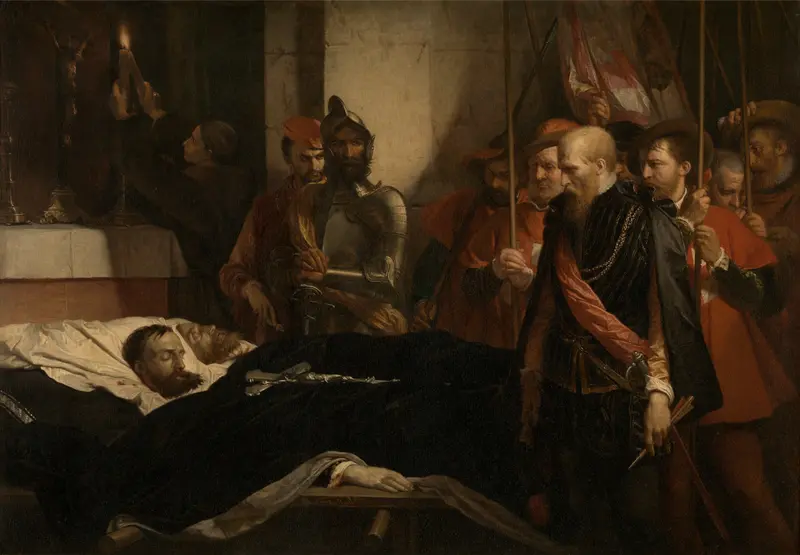
Last Tribute to the Counts of Egmont and of Horn
Louis Gallait
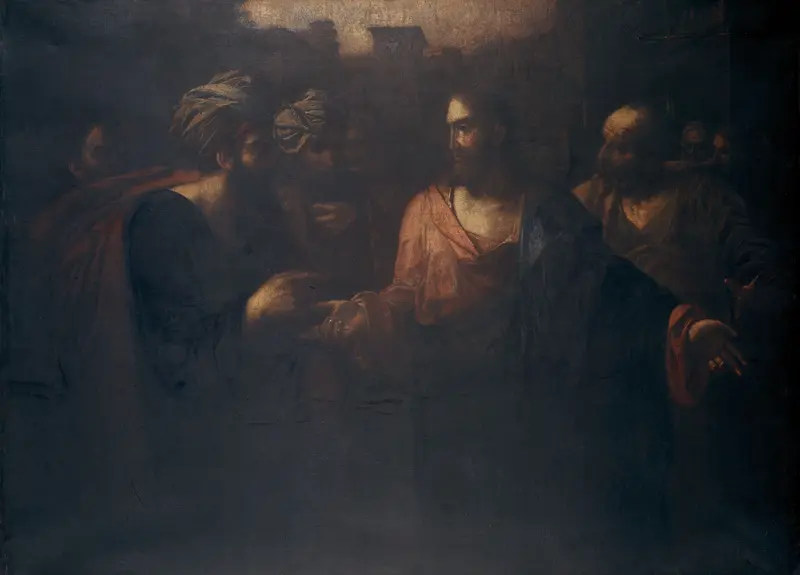
The Tribute Money
Louis Gallait
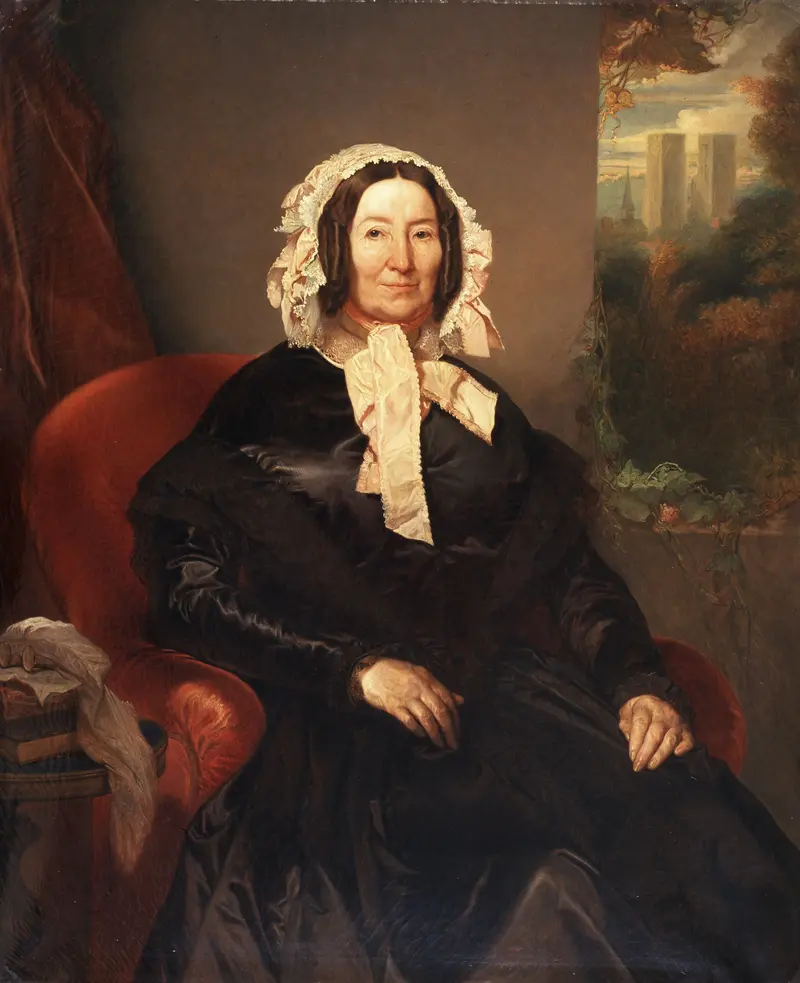
Portrait of Mrs Pick, Mother-in-law of the Artist
Louis Gallait
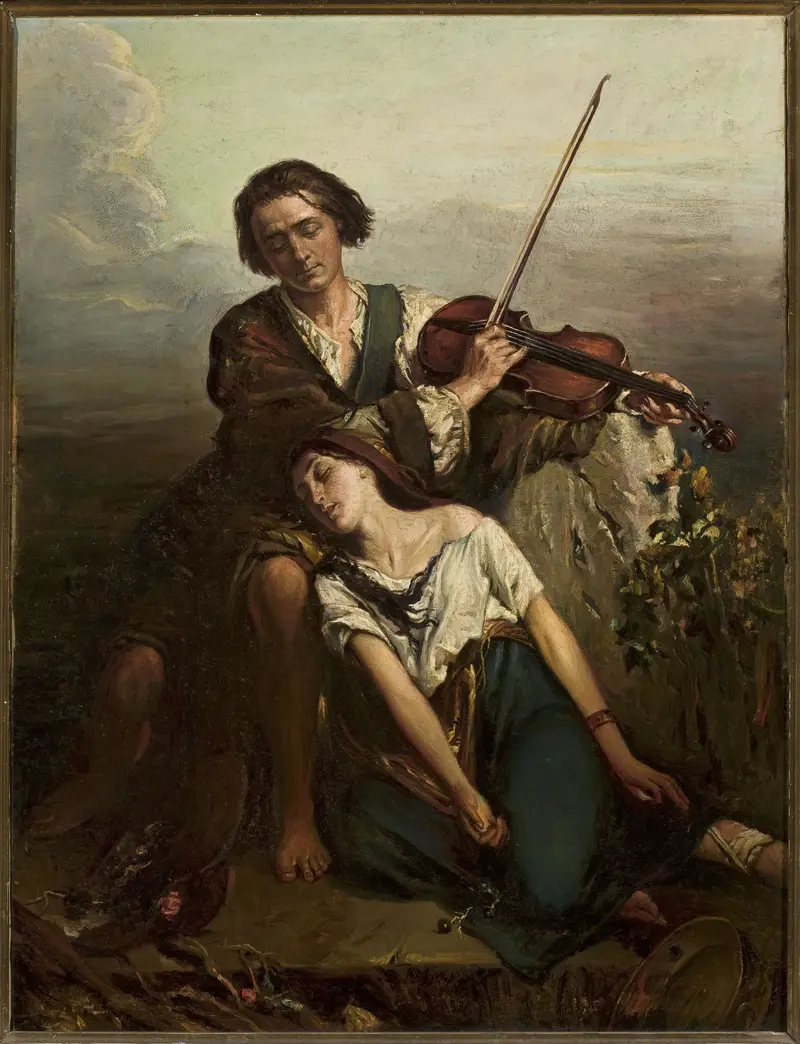
Fiddler and a gypsy (Solace).
Louis Gallait
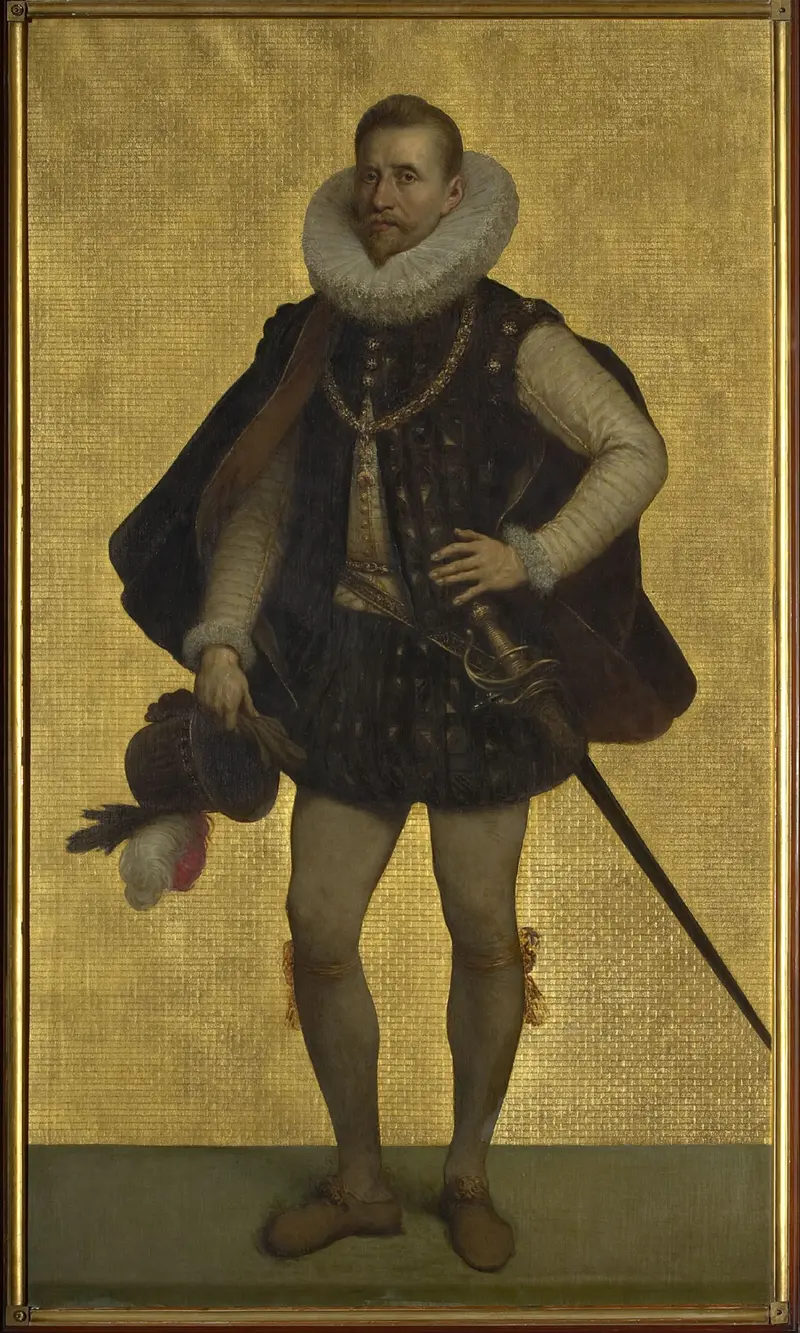
Portrait of Albert VII, Archduke of Austria
Louis Gallait
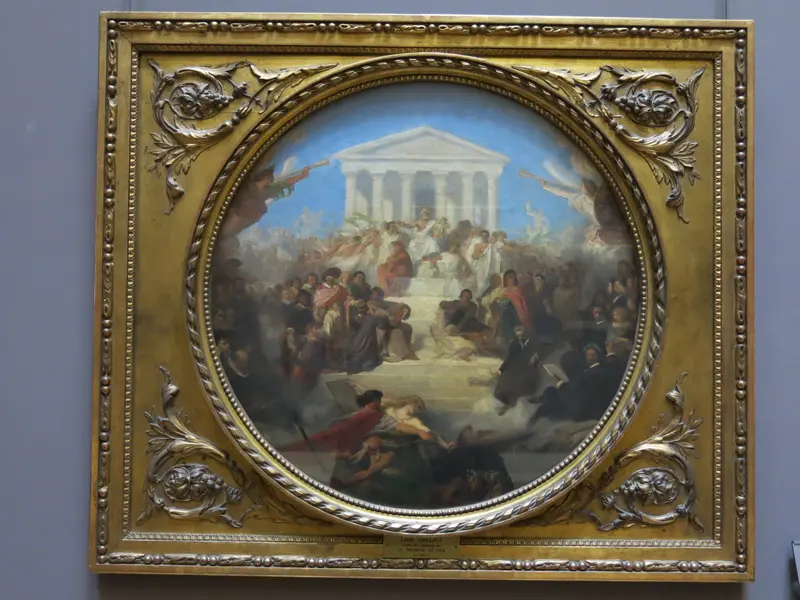
Allégorie du Triomphe des Arts et du Bien (Louvre, RF 1976-2)
Louis Gallait
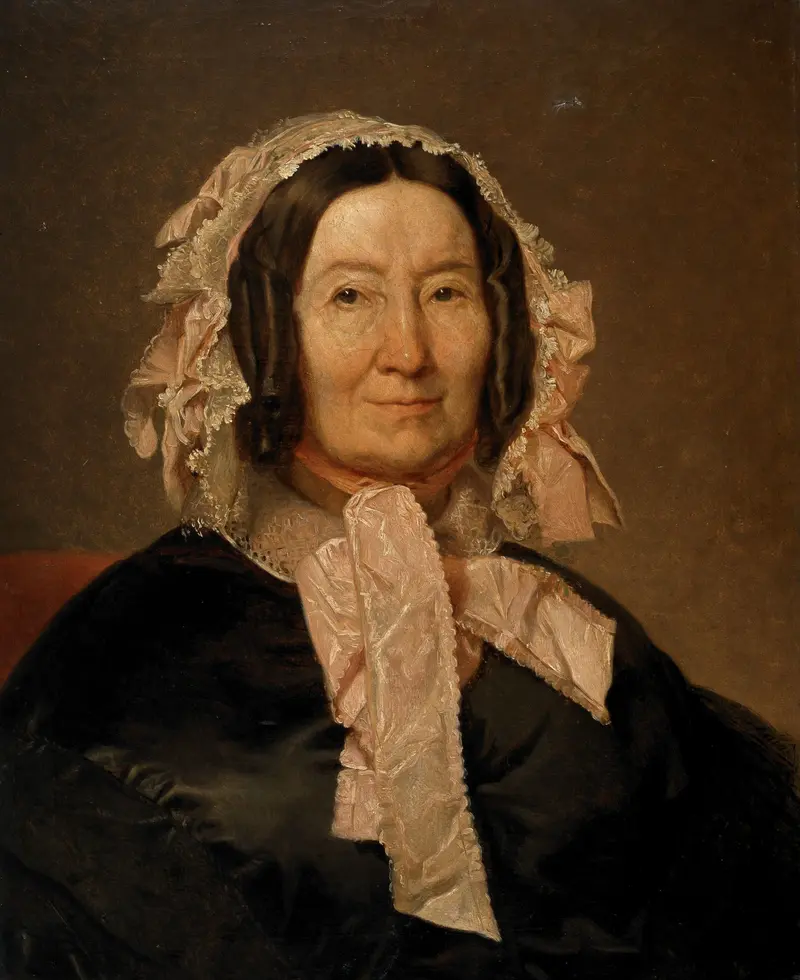
Portrait of Mrs Pick
Louis Gallait
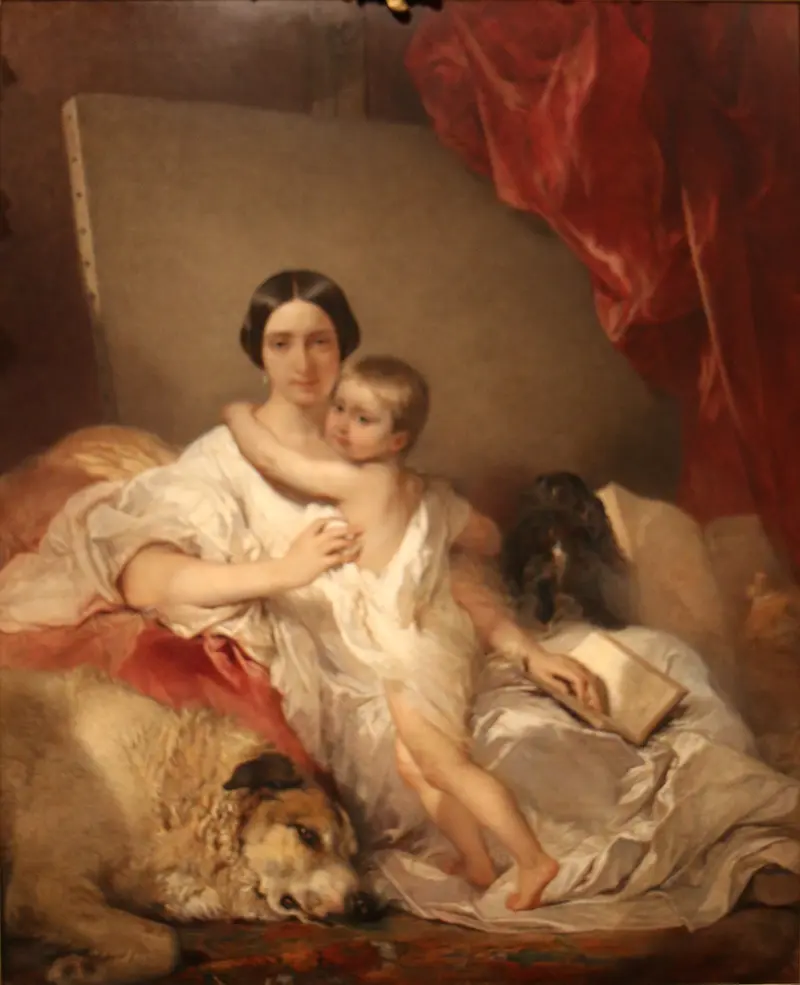
Portrait of Mrs Louis Gallait and her daughter
Louis Gallait
The Last Moments of Count Egmont (Count Egmont Before His Death)
Louis Gallait





