
Last Tribute to the Counts of Egmont and of Horn — History & Facts
What grips the viewer first in Last Tribute to the Counts of Egmont and of Horn by Louis Gallait is the hush that hangs over the scene, as if the air itself has thickened with grief and consequence. The painter draws us into a charged moment: two lifeless figures lie side by side, their faces serene but unmistakably cold, while a cluster of men—soldiers, mourners, perhaps witnesses—gather in a dense, shadowed semicircle. The light is deliberate, falling on the pale faces of the dead and the somber figure in black at the front, whose downward gaze and clenched hand seem to anchor the sorrow of the group.
In the background, a candle is lit before a crucifix, its flame a fragile beacon in the gloom, underscoring the sense of finality and ritual. This is a painting that belongs to the grand tradition of nineteenth-century historical canvases, where artists like Gallait used drama and detail to resurrect pivotal moments from the past. Such works were often commissioned or collected by civic bodies or national museums to inspire reflection on justice, sacrifice, or the cost of political strife. Now held in the Royal Museum of Fine Arts Antwerp, this painting stands as a testament to that era’s fascination with history’s moral lessons and the power of collective memory.
The uniforms, armor, and banners root the scene in a specific time, but the emotional weight is timeless—inviting us to linger, to search the faces, and to imagine the stories that led to this silent tribute.
More Artworks by Louis Gallait

The Unfortunate Mother
Louis Gallait
The Tribute Money
Louis Gallait
Portrait of Mrs Pick, Mother-in-law of the Artist
Louis Gallait
Fiddler and a gypsy (Solace).
Louis Gallait
Portrait of Albert VII, Archduke of Austria
Louis Gallait
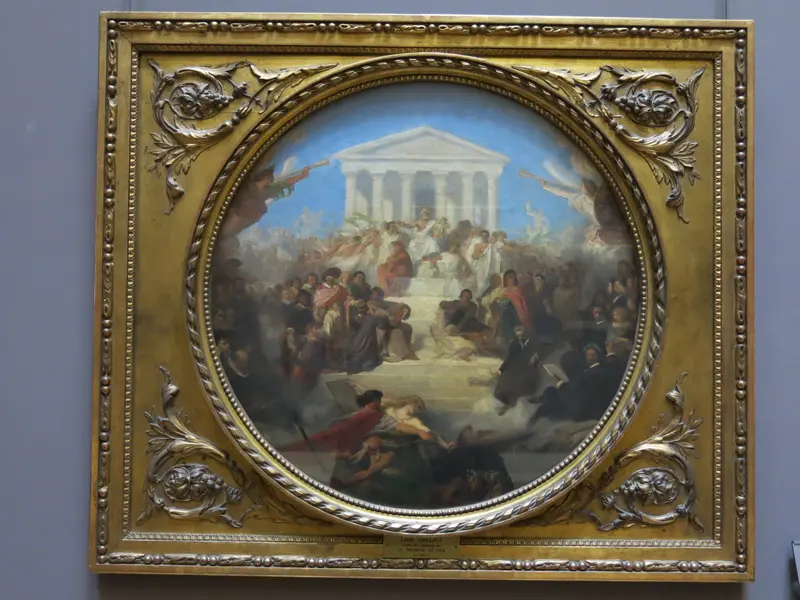
Allégorie du Triomphe des Arts et du Bien (Louvre, RF 1976-2)
Louis Gallait
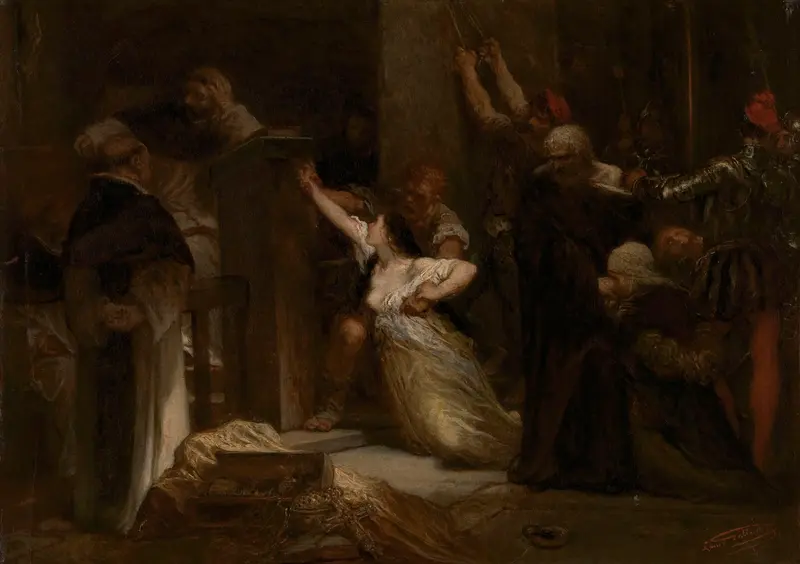
A Jewish family accused of healing religious objects and tortured by the Holy Inquisition
Louis Gallait
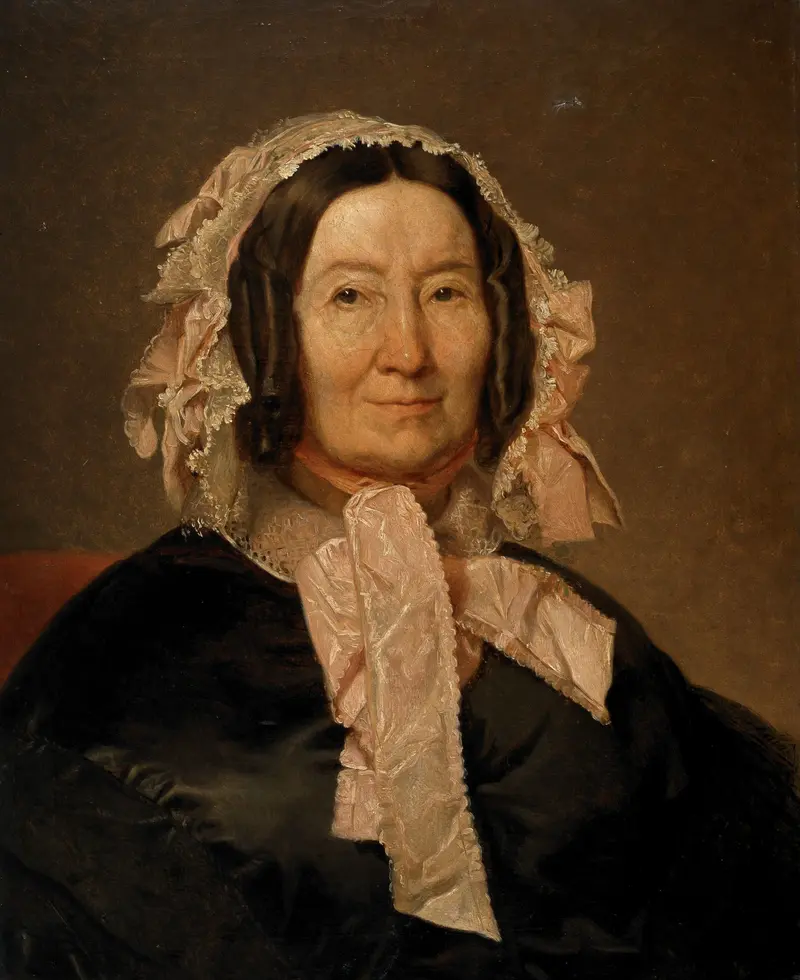
Portrait of Mrs Pick
Louis Gallait
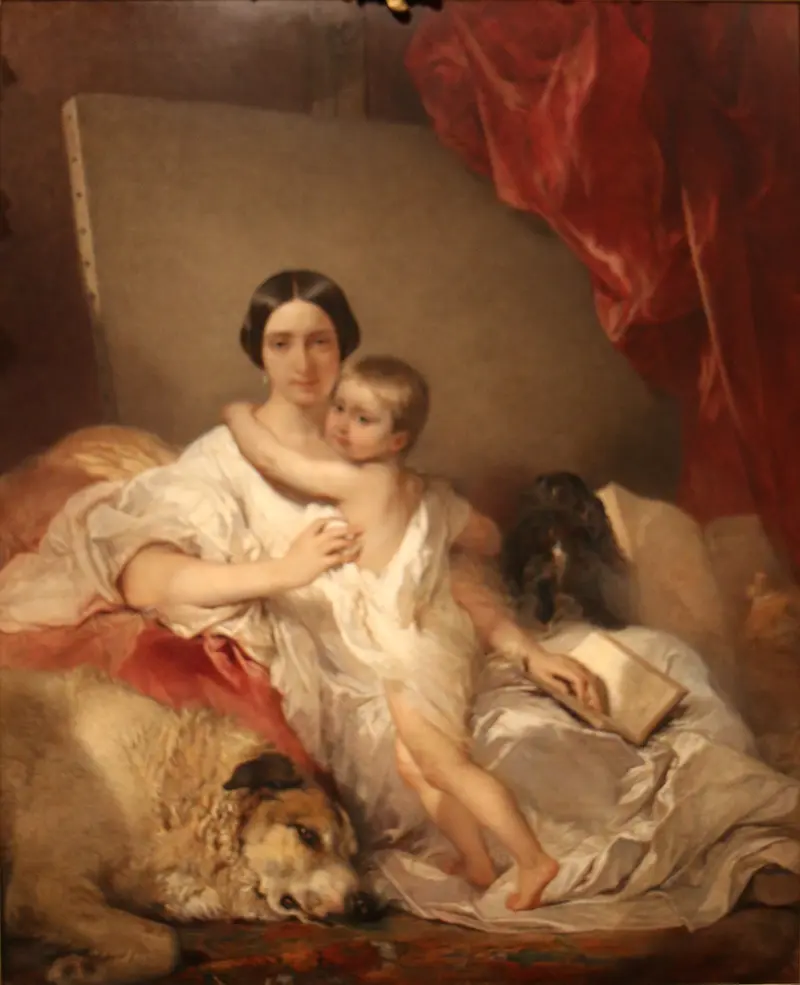
Portrait of Mrs Louis Gallait and her daughter
Louis Gallait
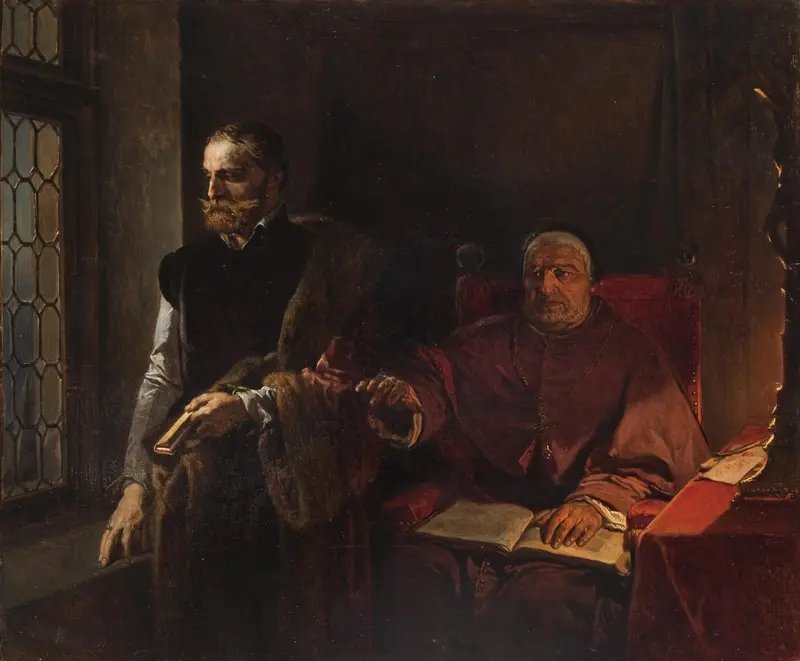
The Last Moments of Count Egmont (Count Egmont Before His Death)
Louis Gallait





