
The Unfortunate Mother — History & Facts
A mother’s eyes, wide and unblinking, search for something beyond the horizon, her face caught between terror and numbness. The children in her arms, one limp with sleep or exhaustion, the other clinging to her shoulder, draw the viewer into the tight, desperate circle of her embrace. The light falls on the mother’s pale face and the children’s soft limbs, isolating them against the deepening dusk and the shadowy, indistinct figure looming at the left.
Every fold of her garment and every strand of hair is rendered with a care that makes the moment feel suspended, as if the world itself is holding its breath. Painted in 1843 by Louis Gallait, The Unfortunate Mother belongs to a moment in European art when painters turned their attention to the rawness of human experience and the realities of suffering. The monument or gravestone at the left, crowned with a wreath, hints at recent loss, while the mother’s posture—protective, almost animal—signals both love and fear. This is not a scene of melodrama but of quiet endurance: the children’s trust in their mother, the mother’s silent plea to the heavens or fate.
In the 1840s, such images were often intended to stir empathy and social conscience, reflecting a world in which the fates of the poor and vulnerable were becoming urgent subjects for art and reform. Today, housed in the Royal Museum of Fine Arts Antwerp, Gallait’s painting asks us to linger in the uneasy space between hope and despair, and to look again at the faces of those who bear the weight of loss.
More Artworks by Louis Gallait
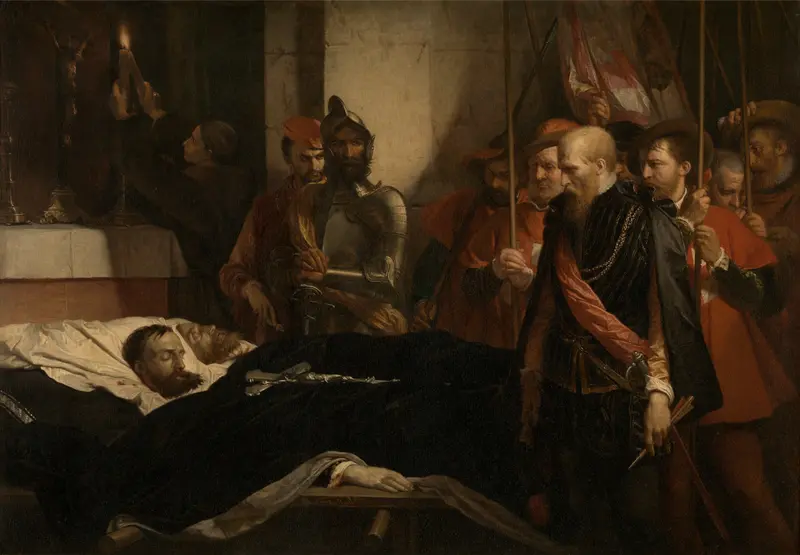
Last Tribute to the Counts of Egmont and of Horn
Louis Gallait
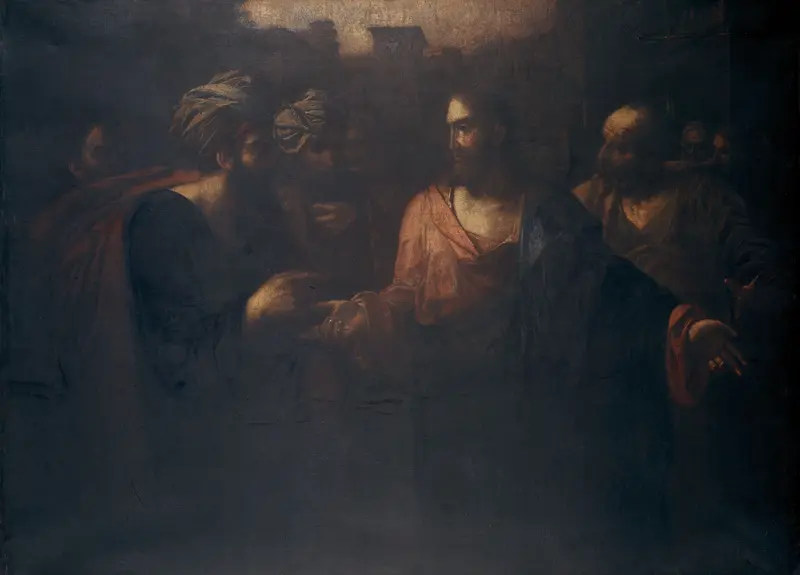
The Tribute Money
Louis Gallait
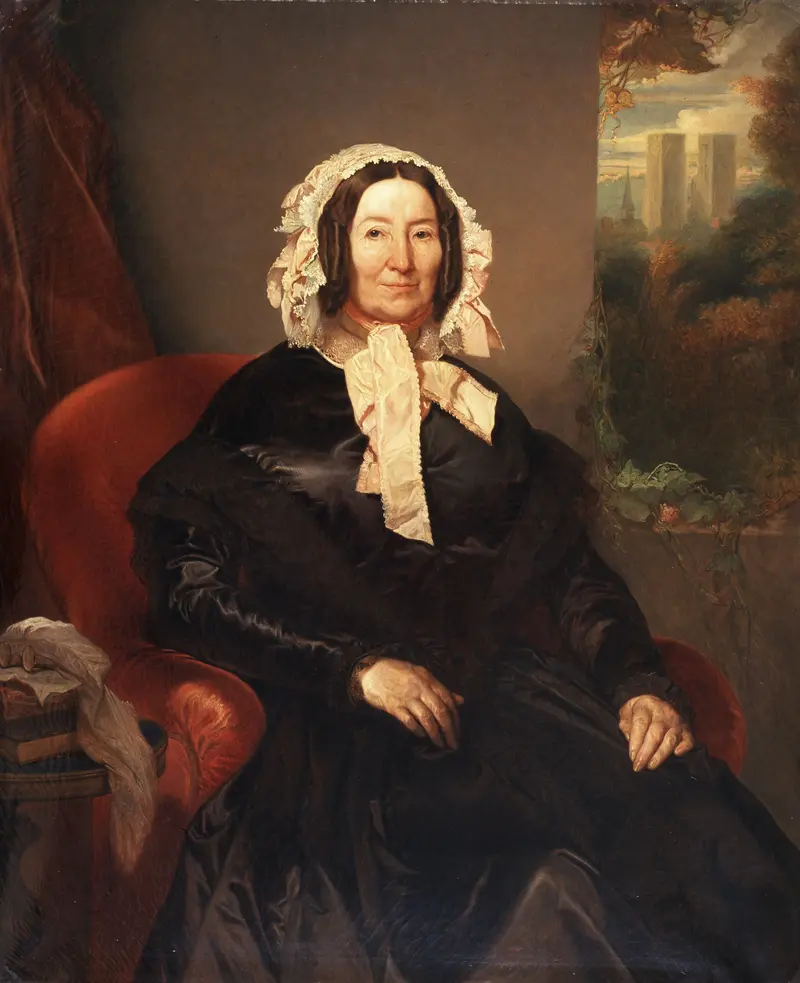
Portrait of Mrs Pick, Mother-in-law of the Artist
Louis Gallait
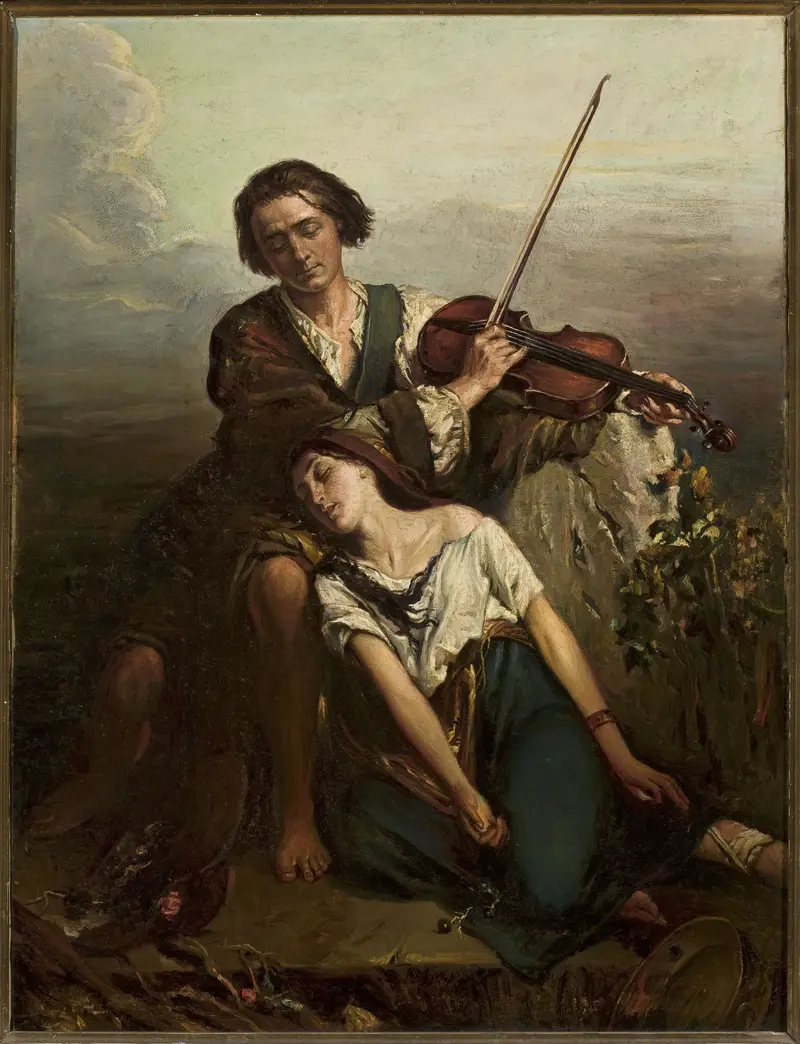
Fiddler and a gypsy (Solace).
Louis Gallait
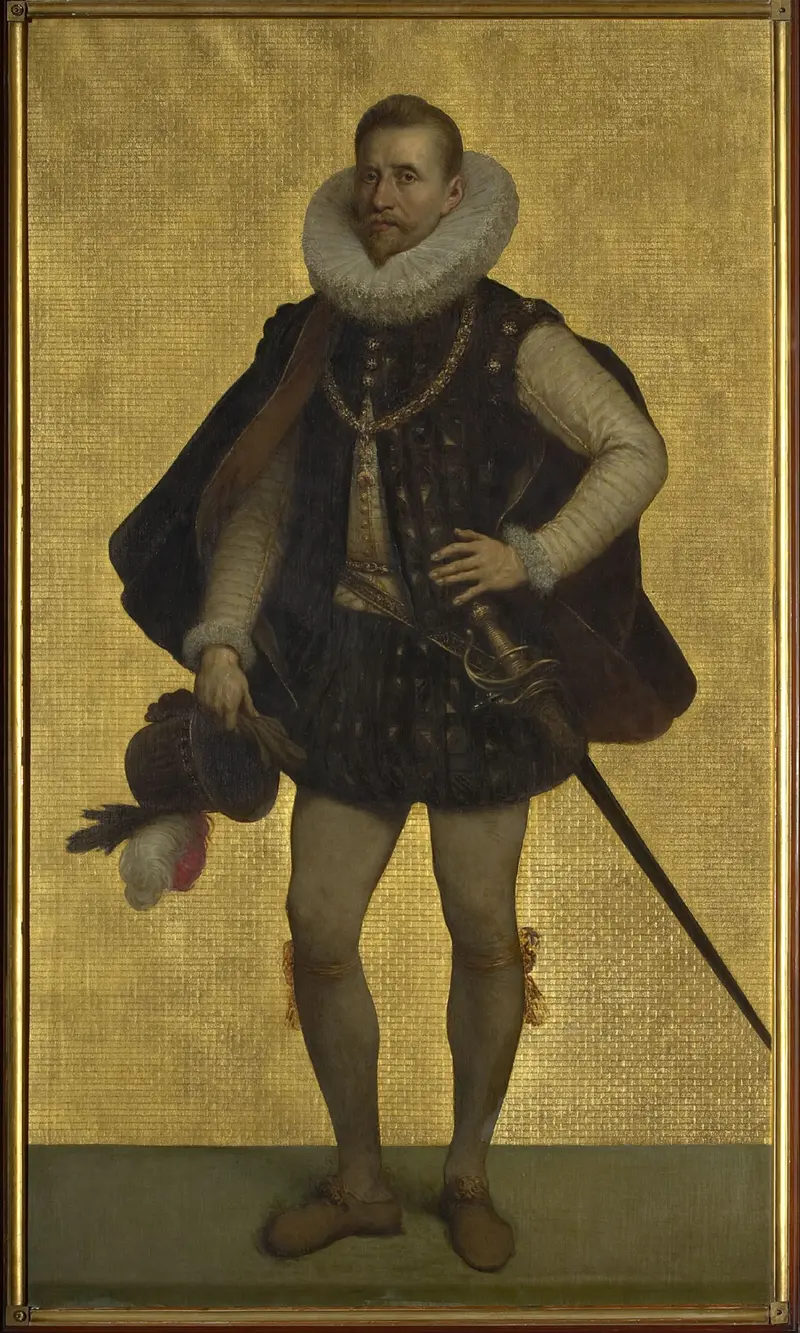
Portrait of Albert VII, Archduke of Austria
Louis Gallait
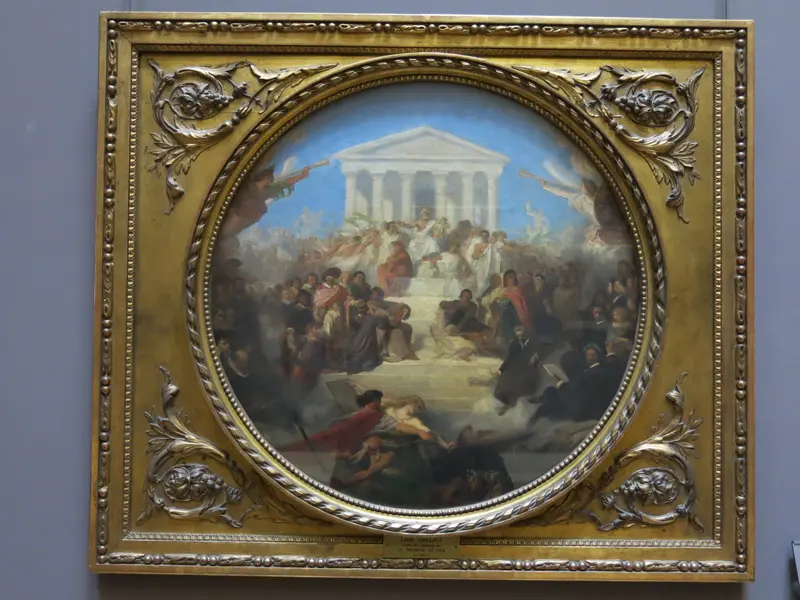
Allégorie du Triomphe des Arts et du Bien (Louvre, RF 1976-2)
Louis Gallait
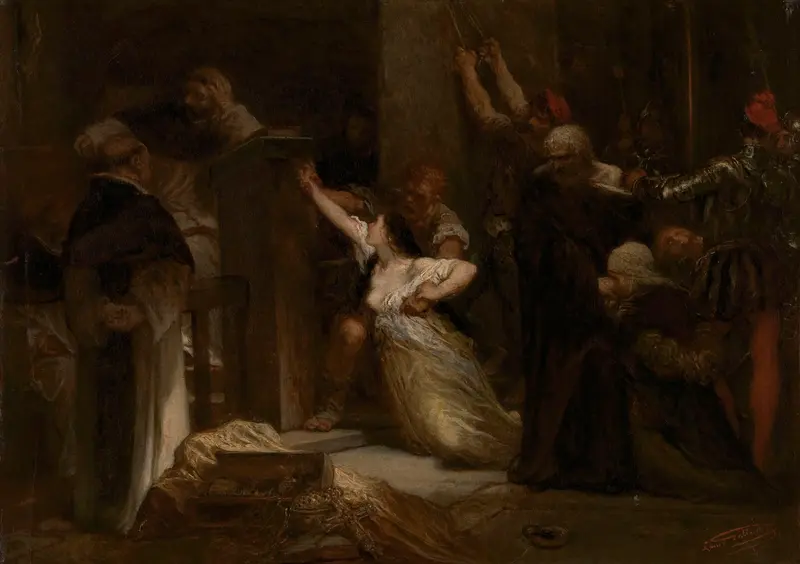
A Jewish family accused of healing religious objects and tortured by the Holy Inquisition
Louis Gallait
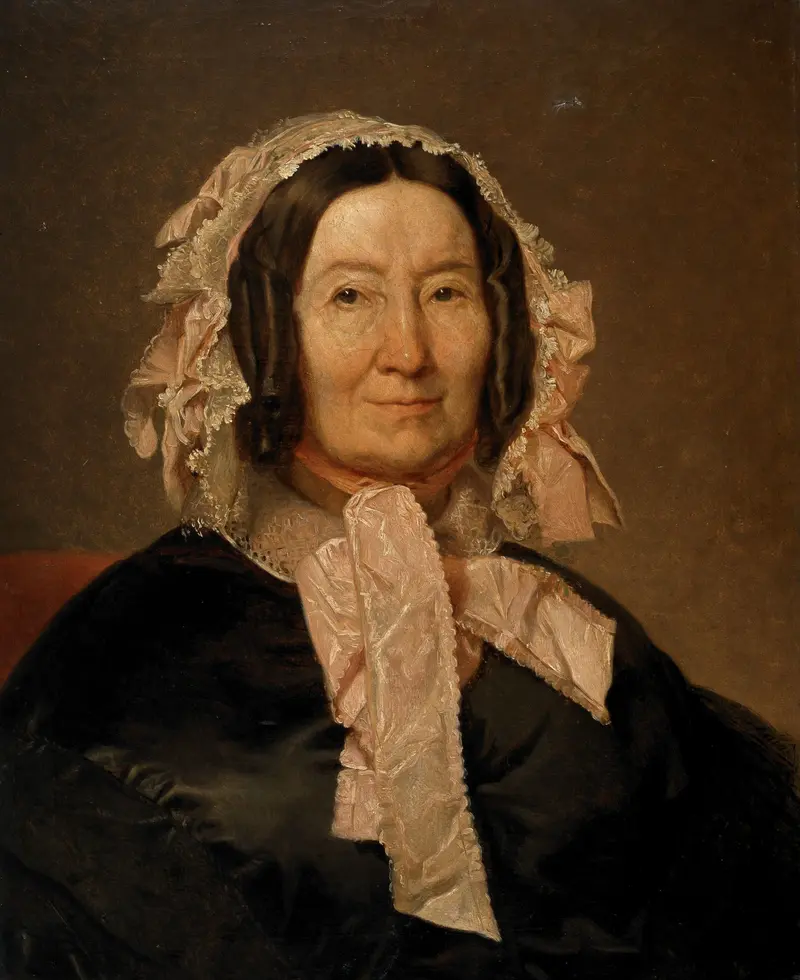
Portrait of Mrs Pick
Louis Gallait
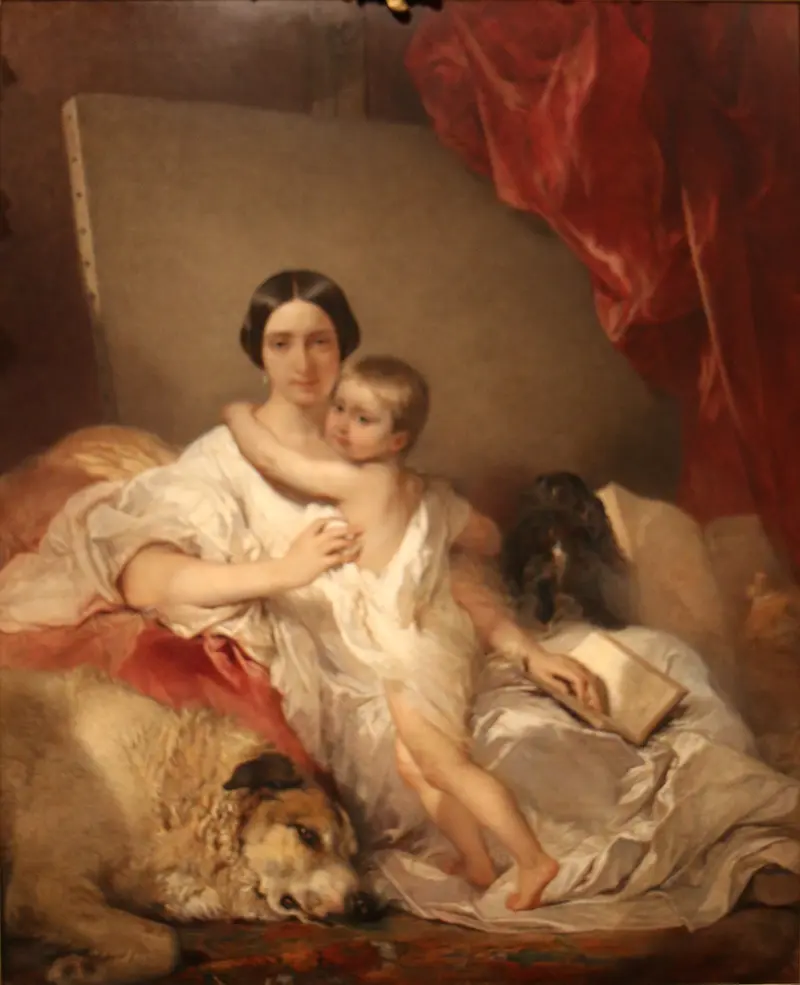
Portrait of Mrs Louis Gallait and her daughter
Louis Gallait
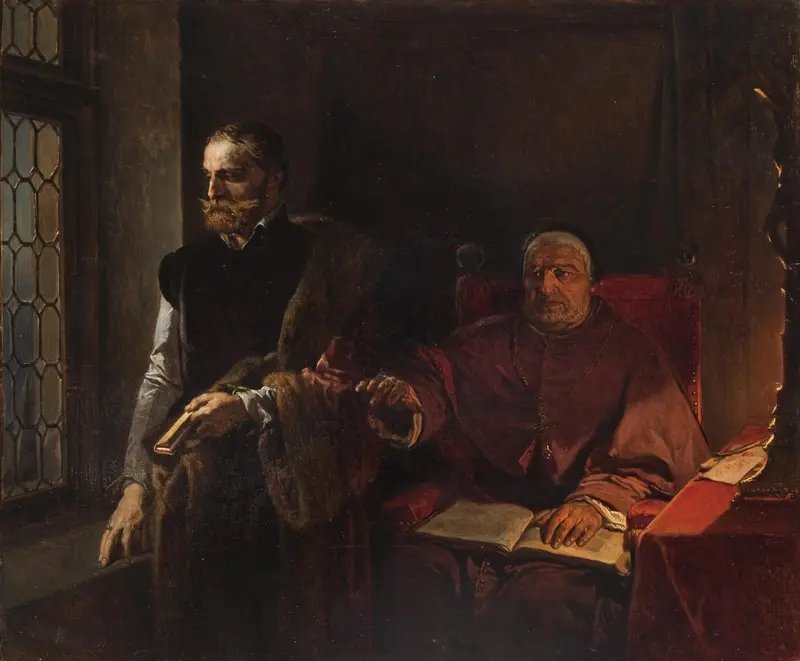
The Last Moments of Count Egmont (Count Egmont Before His Death)
Louis Gallait



