
The Tribute Money — History & Facts
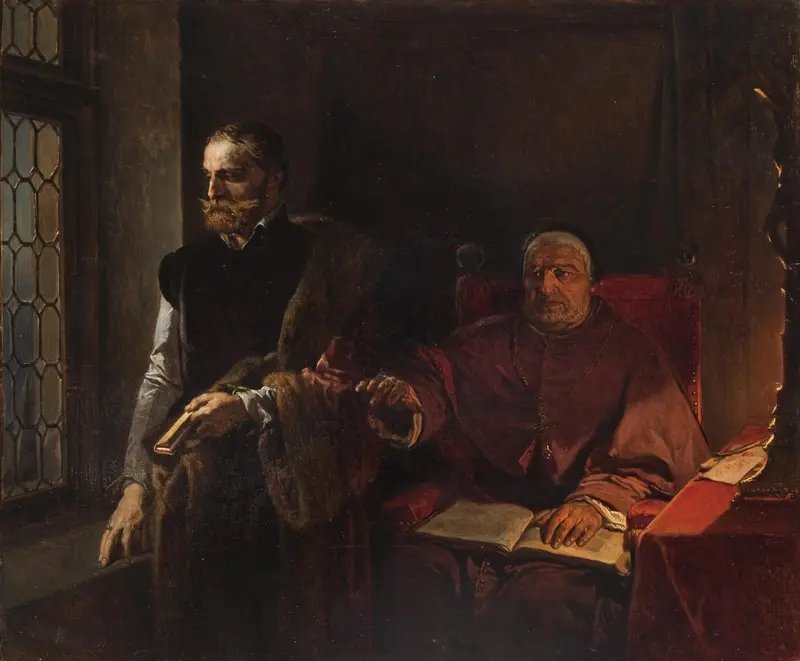
A hush seems to settle over the scene, as if the air itself thickens with the weight of an unspoken question. At the very center, a figure in a robe of muted red turns his head, meeting the gaze of a man who leans in from the left, his hand extended, palm up, holding what appear to be coins. The light, carefully rationed, falls across their faces and hands, drawing your eye to the transaction at the heart of the composition.
Shadows swallow the background, pressing the figures forward, while the gestures—one hand open in offering, another pointing—suggest a moment of reckoning or decision. The palette is somber, the drama understated but unmistakable. Painted in 1832 by Louis Gallait, this work belongs to a tradition that flourished in nineteenth-century Europe, where scenes from scripture or history were revived for a new, often secular audience. Artists of the time, particularly in Belgium and France, were drawn to such subjects as a means of exploring moral ambiguity and the tension between authority and conscience.
While history has kept few traces of this particular painting’s journey, we know it now resides in the Museum of Fine Arts Ghent (MSK), a fitting home for a work that asks us to linger over the silent negotiations of power and faith. The shadows and gestures still speak—if you let your eyes adjust.
More Artworks by Louis Gallait

The Unfortunate Mother
Louis Gallait
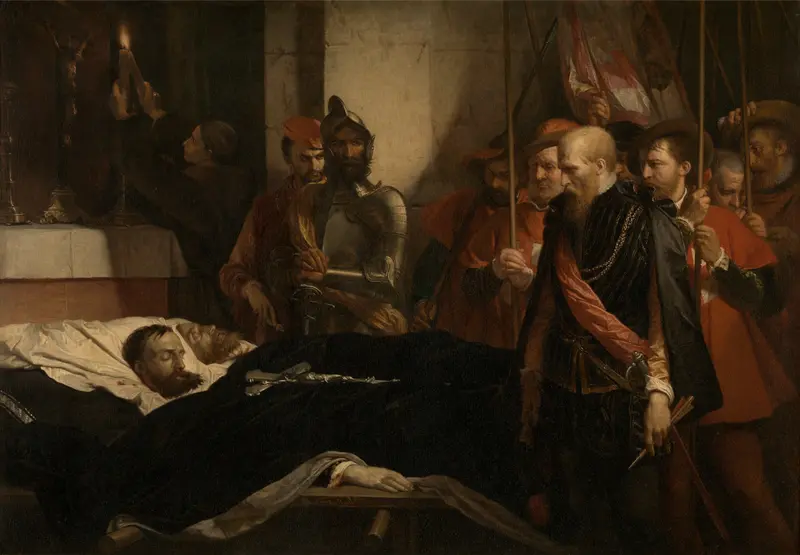
Last Tribute to the Counts of Egmont and of Horn
Louis Gallait
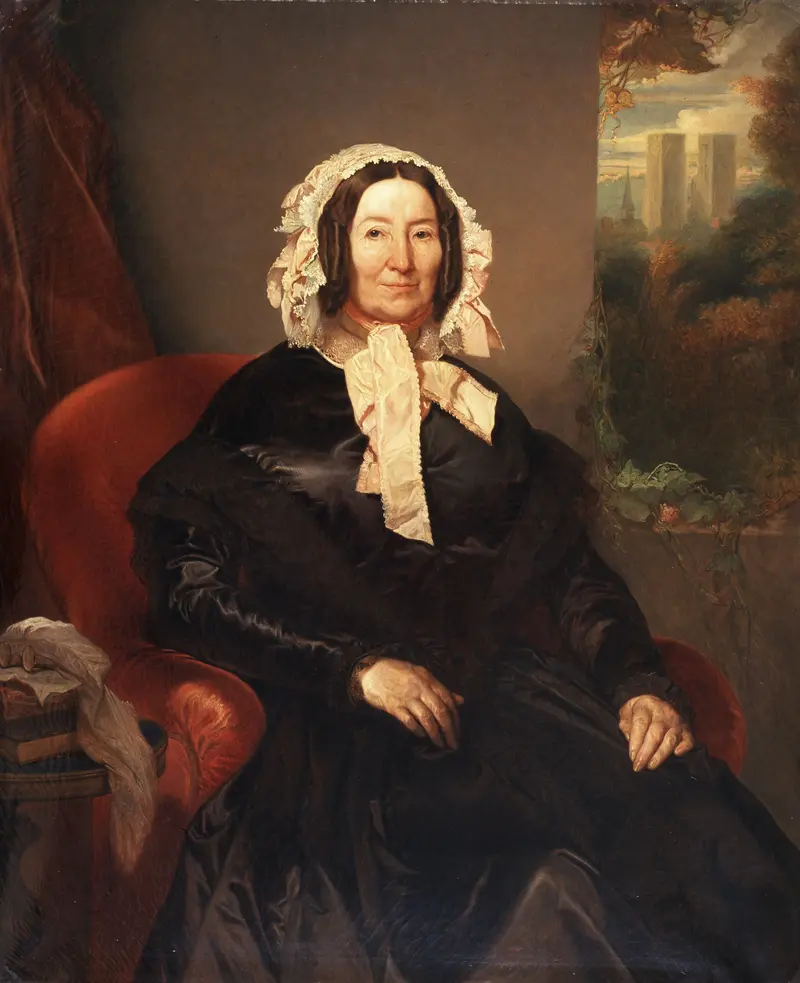
Portrait of Mrs Pick, Mother-in-law of the Artist
Louis Gallait
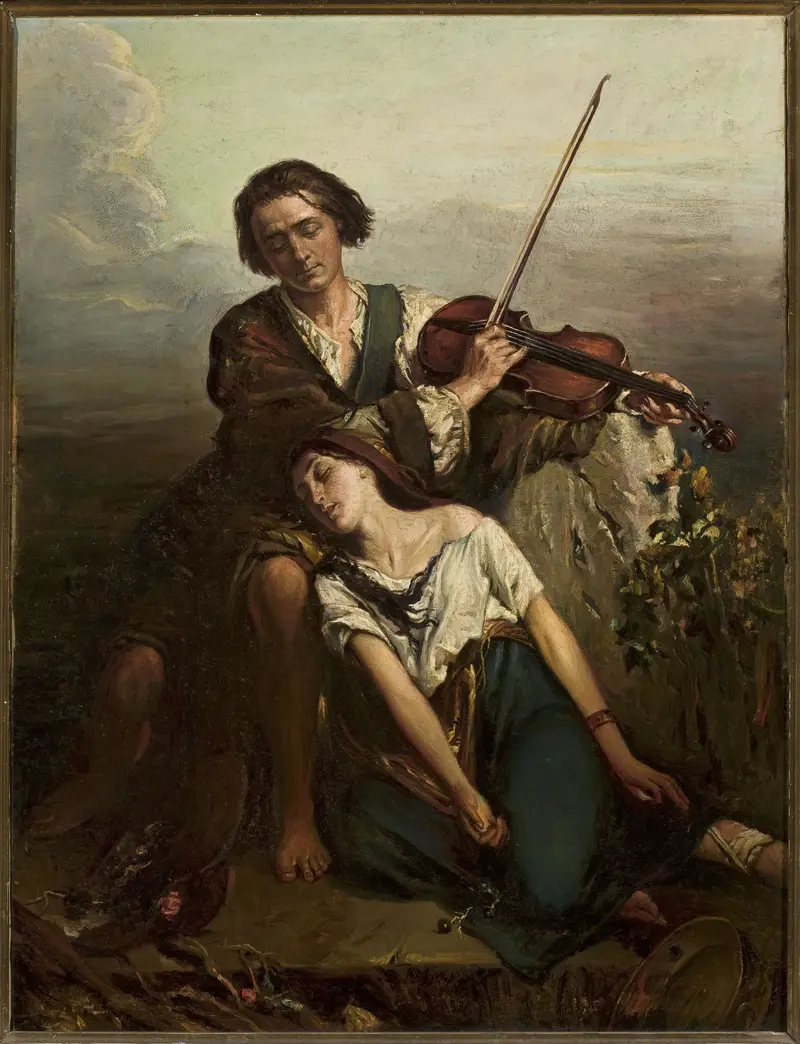
Fiddler and a gypsy (Solace).
Louis Gallait
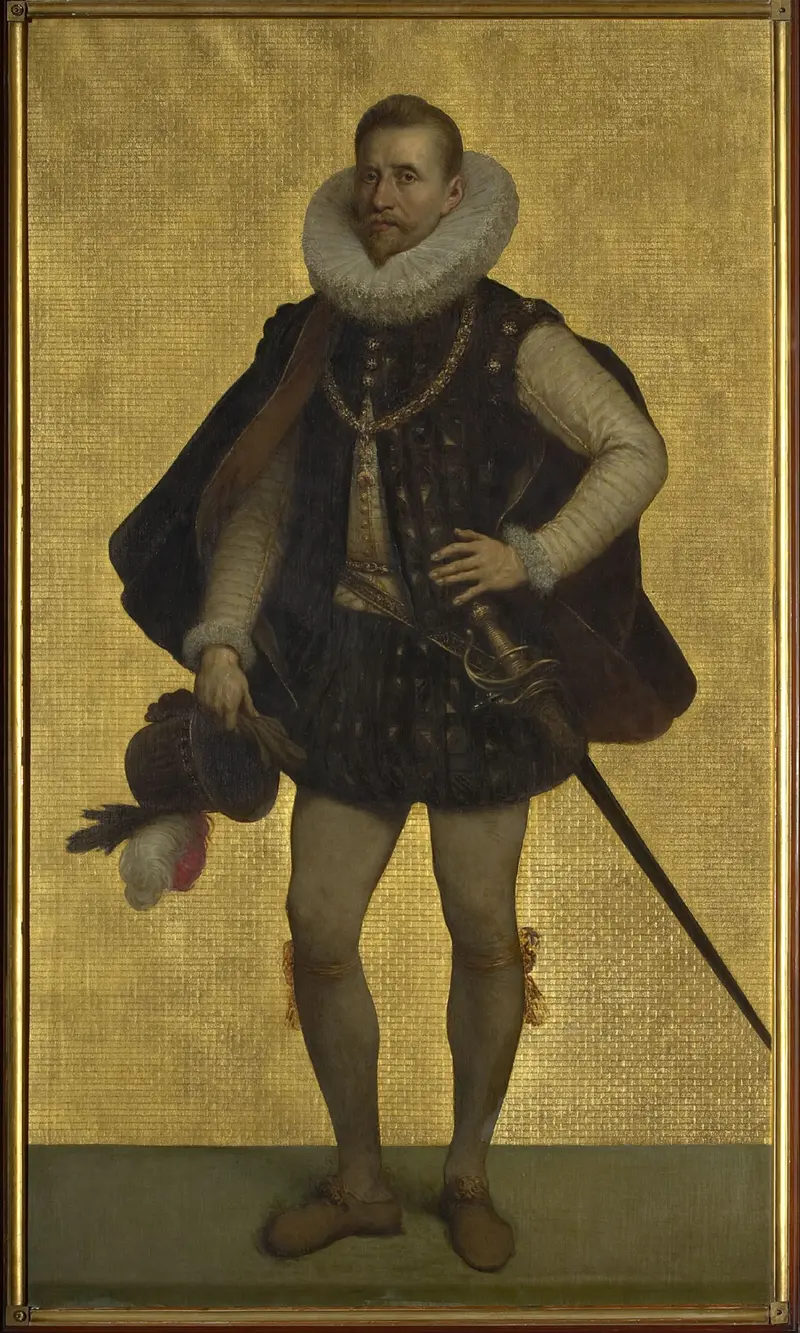
Portrait of Albert VII, Archduke of Austria
Louis Gallait
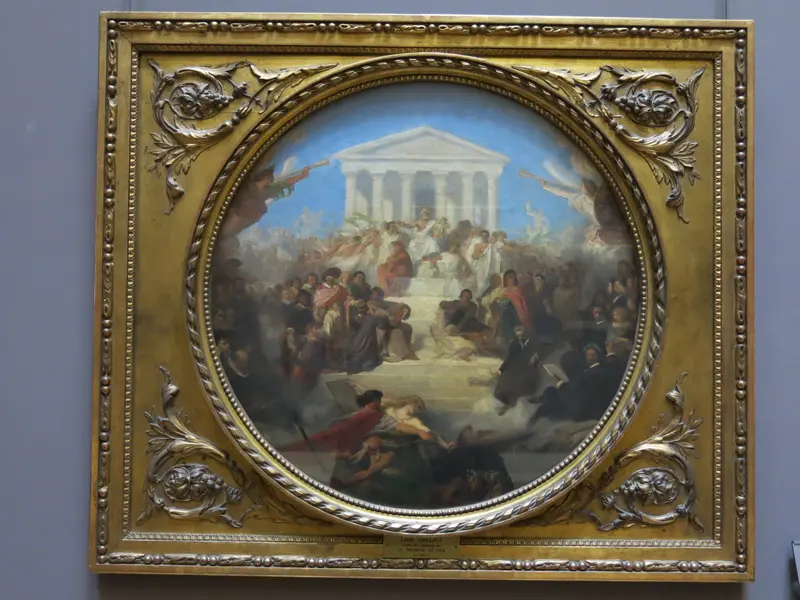
Allégorie du Triomphe des Arts et du Bien (Louvre, RF 1976-2)
Louis Gallait
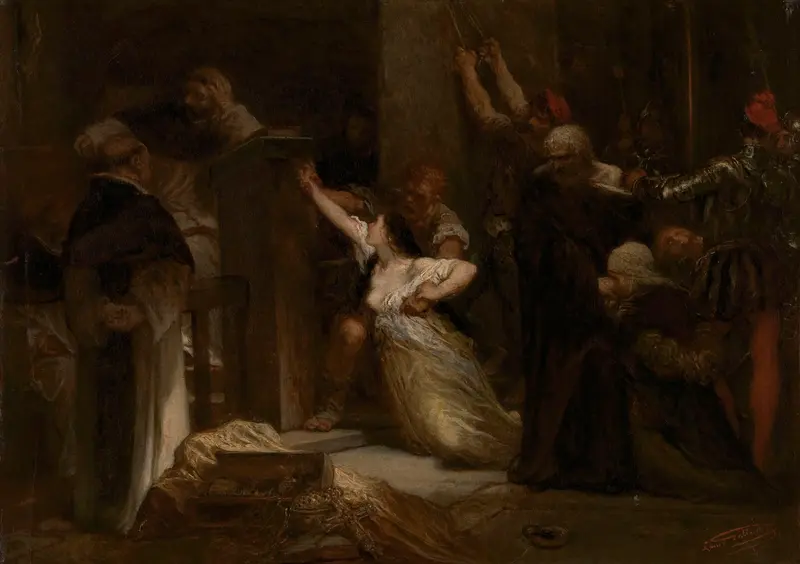
A Jewish family accused of healing religious objects and tortured by the Holy Inquisition
Louis Gallait
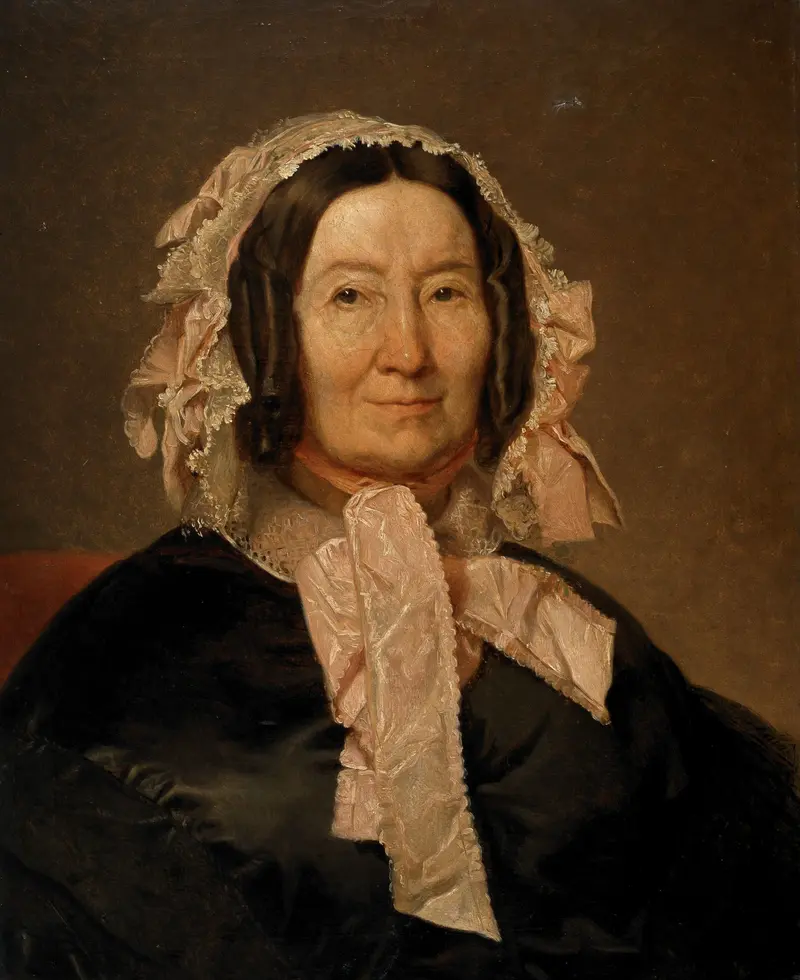
Portrait of Mrs Pick
Louis Gallait
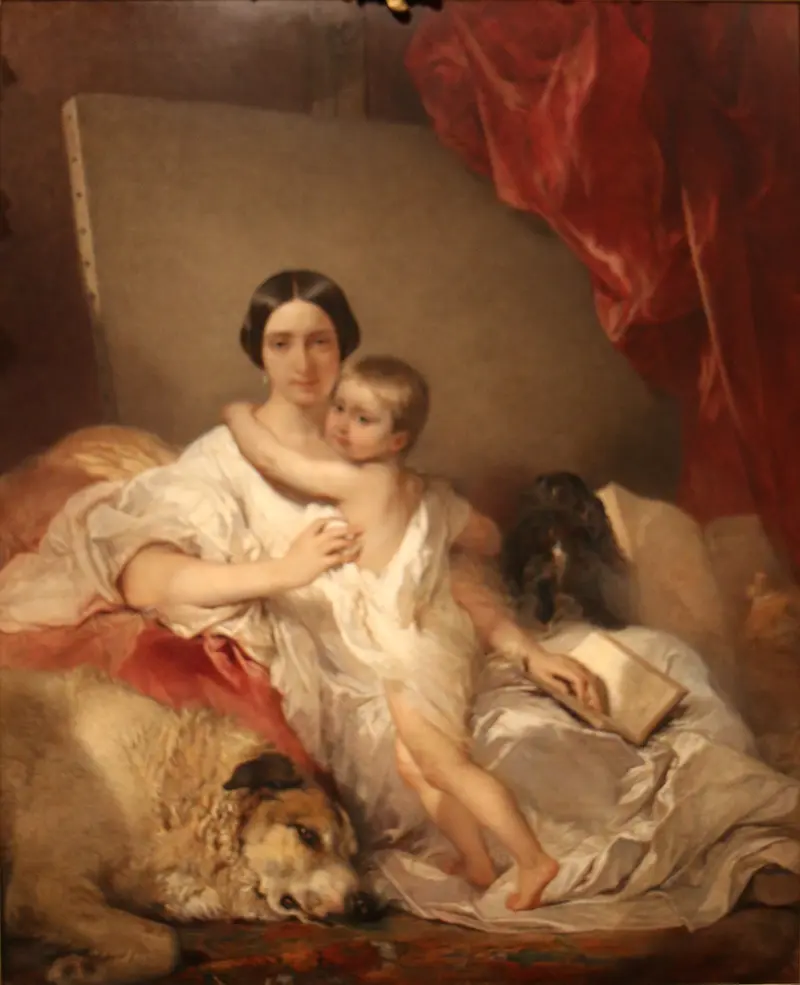
Portrait of Mrs Louis Gallait and her daughter
Louis Gallait
The Last Moments of Count Egmont (Count Egmont Before His Death)
Louis Gallait





