
A landscape with a farmhouse by a stream — History & Facts
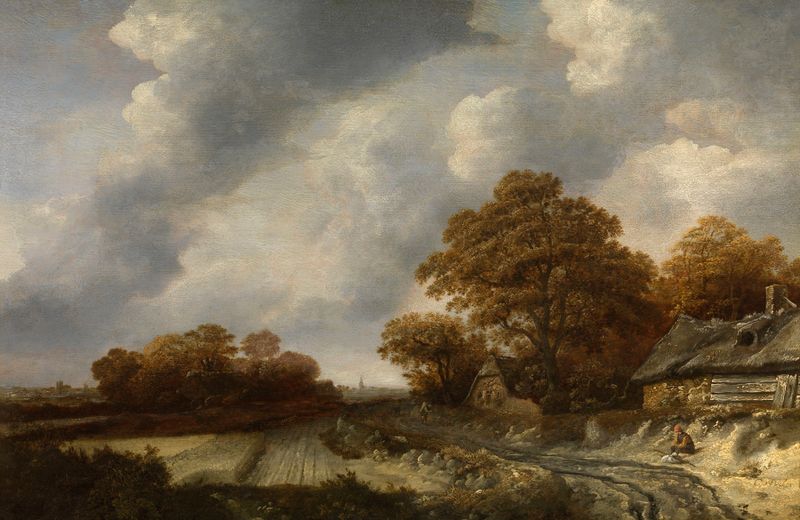
Nostalgia weaves through the fabric of landscapes, capturing the essence of simpler times, where moments linger like a soft embrace. How does a fleeting scene etch itself into the soul like a whisper from the past? Look to the center of the canvas, where a humble farmhouse stands resolute beside the gentle curve of a stream. Notice how the warm earth tones of the building contrast with the lush greens of the surrounding fields, inviting you to explore its intimate corners.
The artist expertly employs dappled light, allowing fragments of sunlight to dance on the water’s surface, evoking a sense of tranquility that is both inviting and reflective. Every brushstroke flows seamlessly, guiding your eyes from the foreground to the distant horizon, where the sky meets land. Yet, within this serene composition lies a subtle tension between nature and human presence. The farmhouse, a symbol of domesticity, juxtaposes the wildness of the flowing stream, suggesting an eternal dialogue between man and the environment.
A hint of melancholy lingers in the absence of human figures, emphasizing the solitude and introspective nature of rural life. The overall palette, enriched with soft blues and greens, envelops the viewer in a nostalgic yearning for a time that may never be recaptured. The work emerged during Decker's tenure in the 17th century, a period marked by significant shifts in the Dutch art scene. While specific dates remain elusive, the artist flourished amidst the Baroque movement, characterized by rich detail and emotional depth.
As landscapes became increasingly popular, Decker’s portrayal reflects both personal and collective memories of rural life, an echo of a world that continues to resonate in the hearts of many.
More Artworks by Cornelis Gerritsz Decker
Browse all →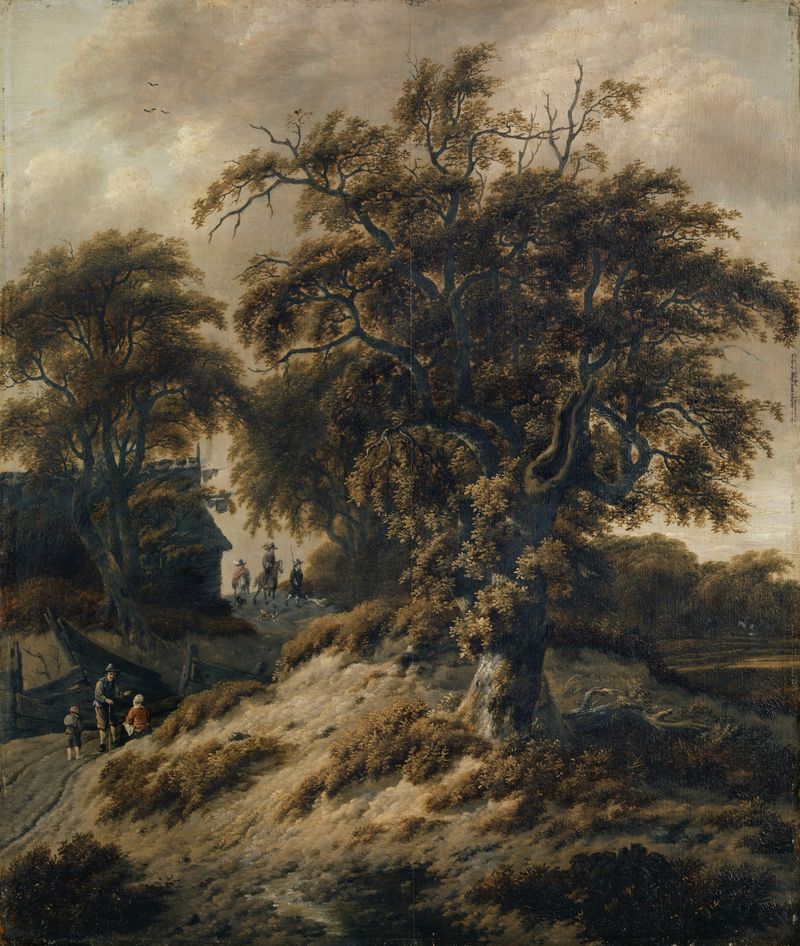
Dutch Landscape with Staffage Figures
Cornelis Gerritsz Decker
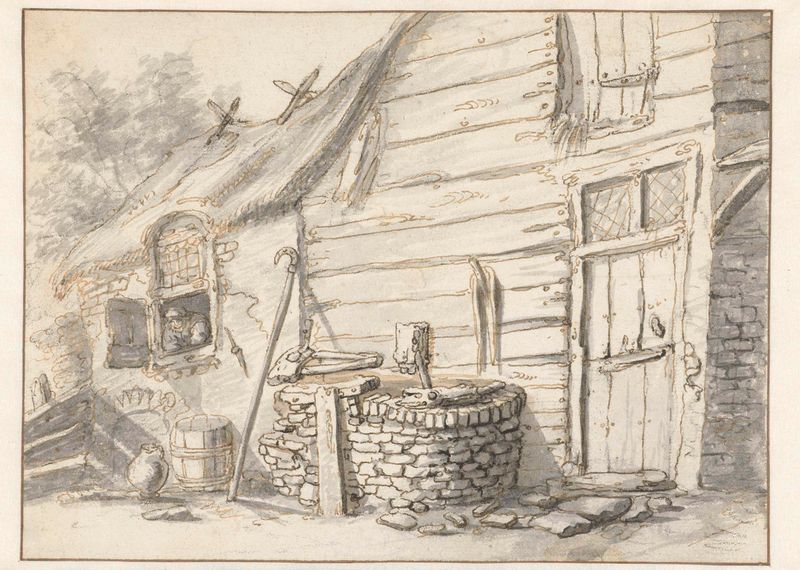
Boerenwoning
Cornelis Gerritsz Decker
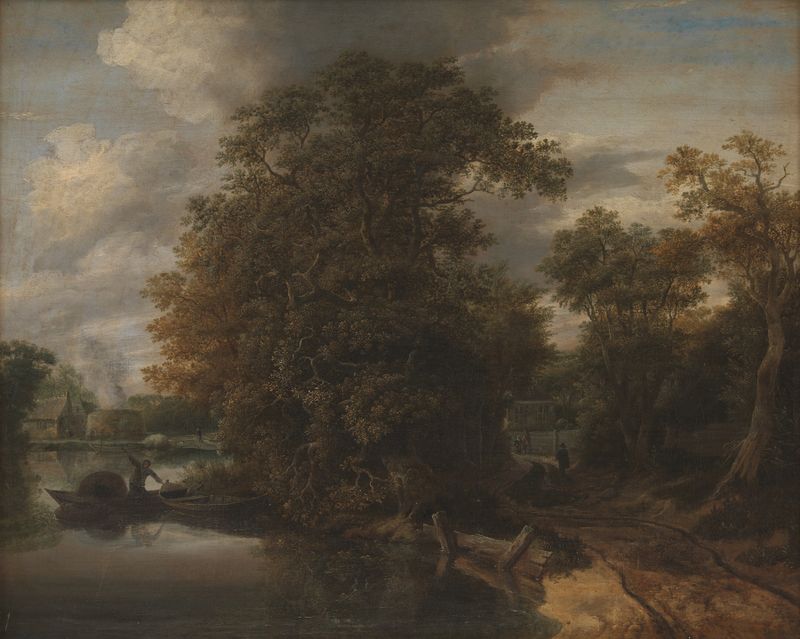
Landscape by a River. In the Background a Limekiln
Cornelis Gerritsz Decker

Farms by a River with Rapids
Cornelis Gerritsz Decker

A Figure Standing By A Stone House Along A River
Cornelis Gerritsz Decker
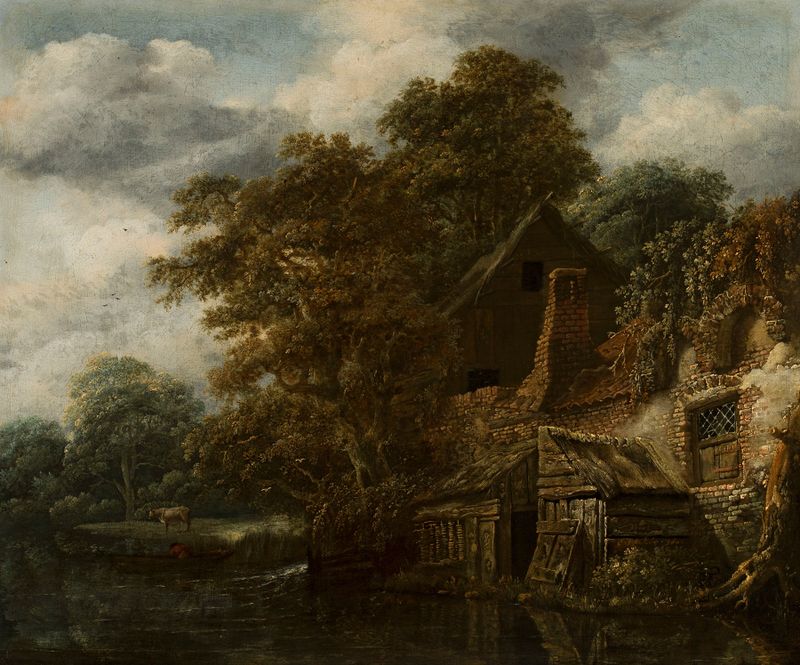
Landscape with a mill
Cornelis Gerritsz Decker
Landscape
Cornelis Gerritsz Decker





