
A Landscape With Christ And His Disciples On The Road To Emmaus — History & Facts
Could a single brushstroke hold eternity? In A Landscape With Christ And His Disciples On The Road To Emmaus, the essence of rebirth resonates through each meticulously placed detail, inviting us to explore the profound spiritual journey encapsulated in this moment. Look to the center, where Christ, shrouded in gentle luminescence, stands in serene dialogue with two disciples. The earthy palette of browns and greens contrasts beautifully with the soft, glowing hues surrounding the figures, suggesting a divine light breaking through the ordinary. The distant landscape, bathed in a delicate twilight, draws the eye outward, enhancing the sense of movement along the winding road, while the carefully rendered foliage frames the scene, grounding the ethereal conversation in reality. Delve deeper, and you'll find layers of tension woven into this tapestry—a subtle reminder of doubt as the disciples’ expressions shift between disbelief and awakening.
The light illuminating Christ’s face seems to not only reveal divinity but also symbolizes hope and renewal. The path they traverse serves as a metaphor for life’s journey, where understanding often emerges from confusion, and faith can lead to profound transformation. In 1623, during a time of religious upheaval and exploration in Northern Europe, the artist painted this work in the Netherlands, where the Baroque style was gaining prominence. Amidst the fervent quest for spiritual meaning and artistic identity, he sought to capture the essence of a pivotal biblical moment, intertwining beauty and faith in a world that was constantly shifting.
More Artworks by Gillis Claesz. de Hondecoeter
Browse all →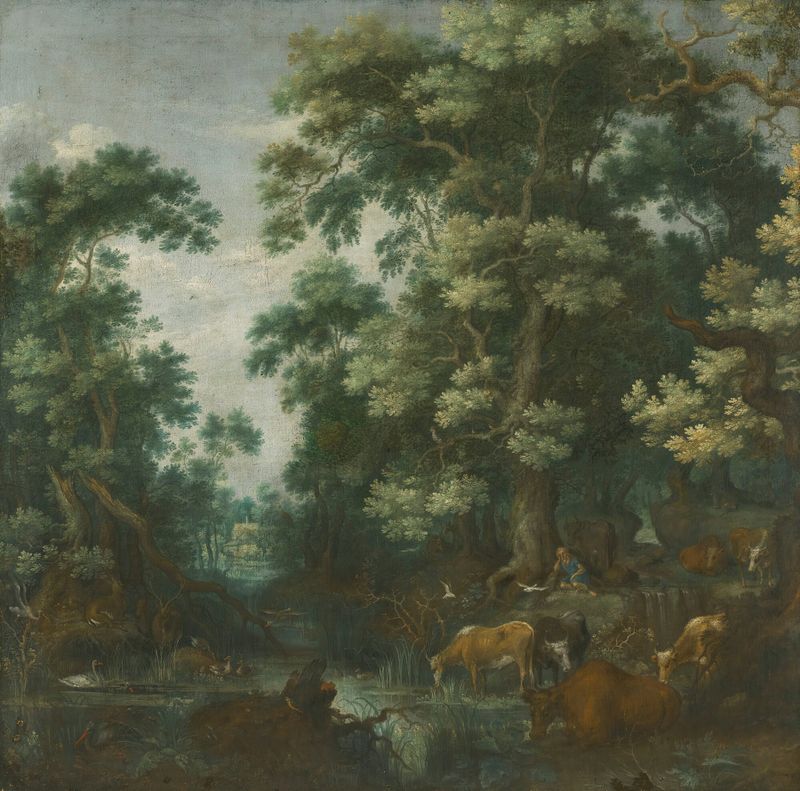
A Wooded Landscape With Deer And Cattle By A River, A Sleeping Herdsman Nearby
Gillis Claesz. de Hondecoeter
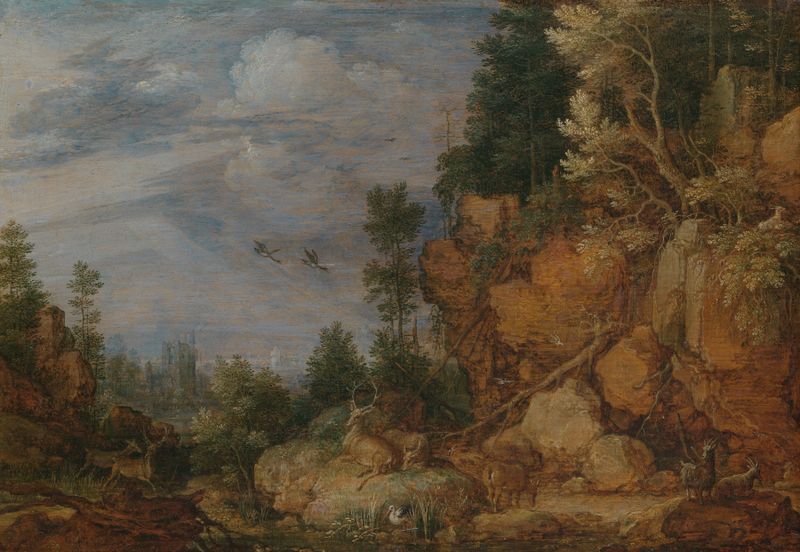
Rocky Landscape with Deer and Goats
Gillis Claesz. de Hondecoeter
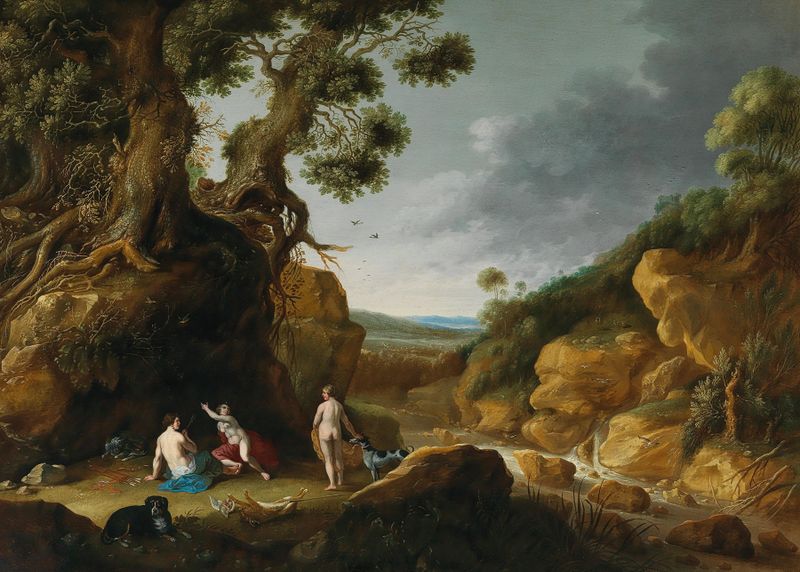
Diana and her nymphs in a rocky wooded river landscape
Gillis Claesz. de Hondecoeter
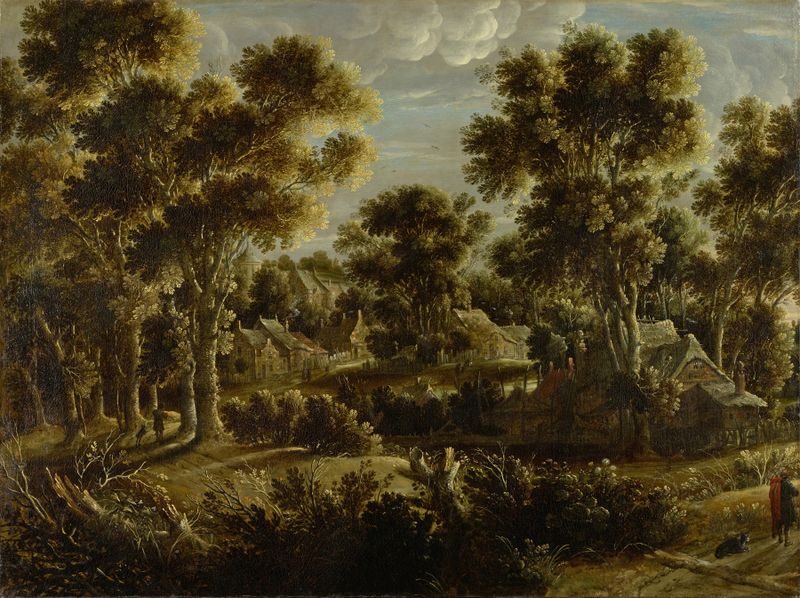
Forest Landscape with Village
Gillis Claesz. de Hondecoeter

A wooded river landscape
Gillis Claesz. de Hondecoeter
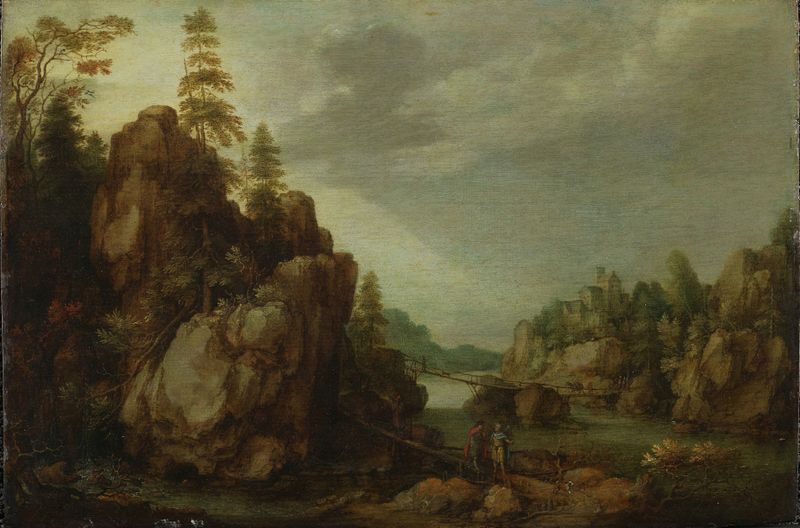
A Mountainous River Landscape with Tobias and the Angel
Gillis Claesz. de Hondecoeter

Rocky Landscape
Gillis Claesz. de Hondecoeter
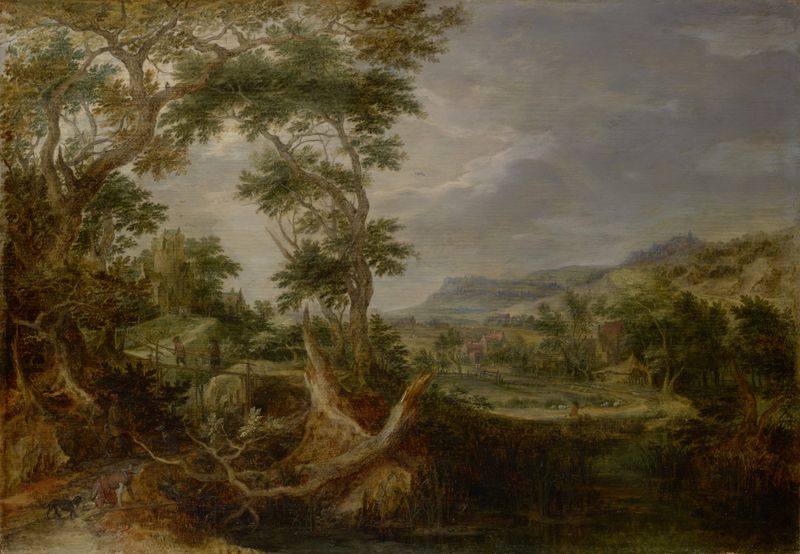
Swampy Valley with Castle on a Hill and Distant Farms
Gillis Claesz. de Hondecoeter
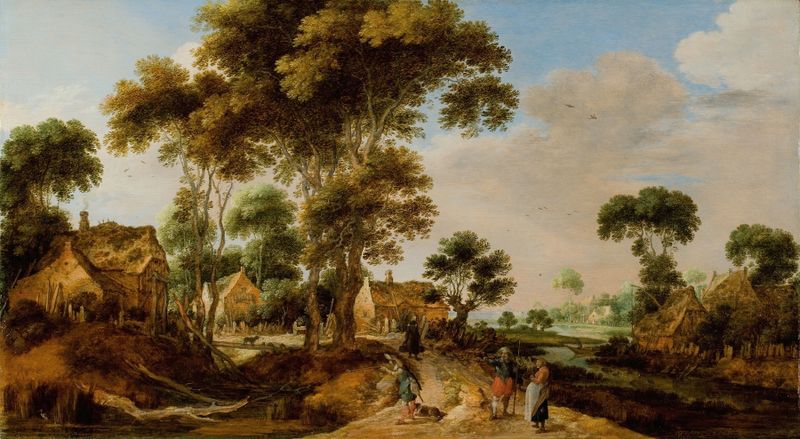
The Country Road
Gillis Claesz. de Hondecoeter
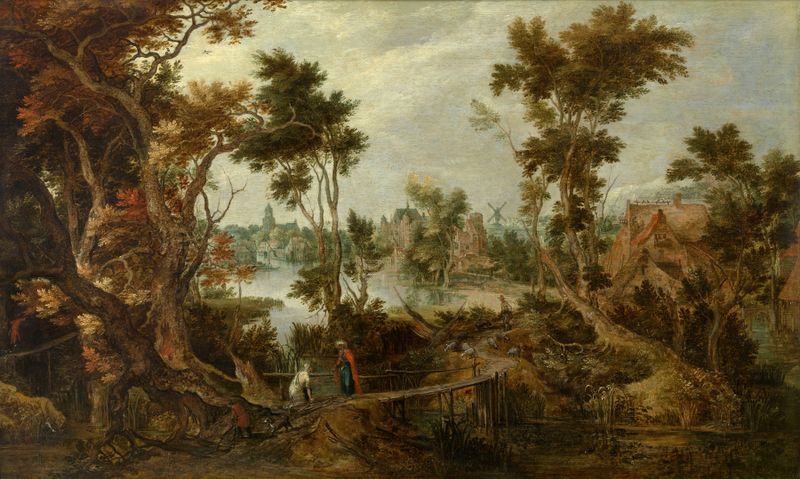
Landscape with Elias and the Widow of Sarefat
Gillis Claesz. de Hondecoeter
More Religious Art
Browse all →
The Return of the Prodigal Son
Rembrandt van Rijn

The Garden of Earthly Delights
El Bosco

Count Orgaz’ funeral
El Greco

The Hundred Guilder Print: the central piece with Christ preaching, the plate arched
Rembrandt van Rijn

The Descent from the Cross
Rogier van der Weyden

The return of the prodigal son
Rembrandt van Rijn