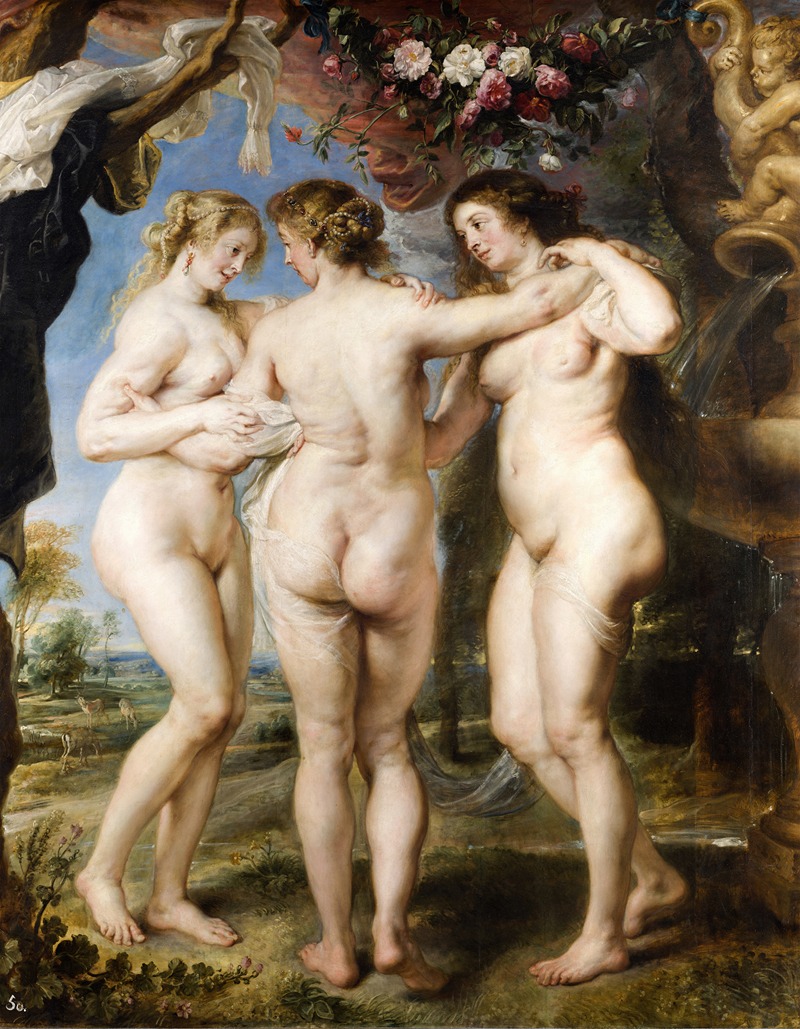
Diana and her nymphs in a rocky wooded river landscape — History & Facts
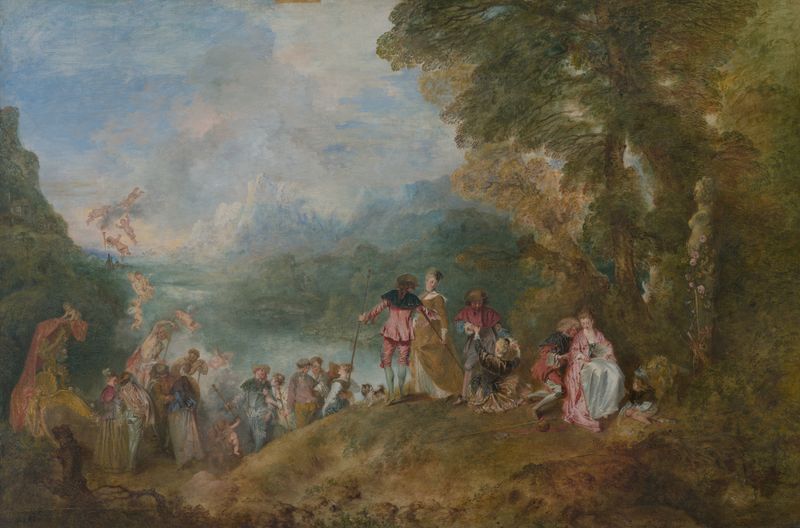
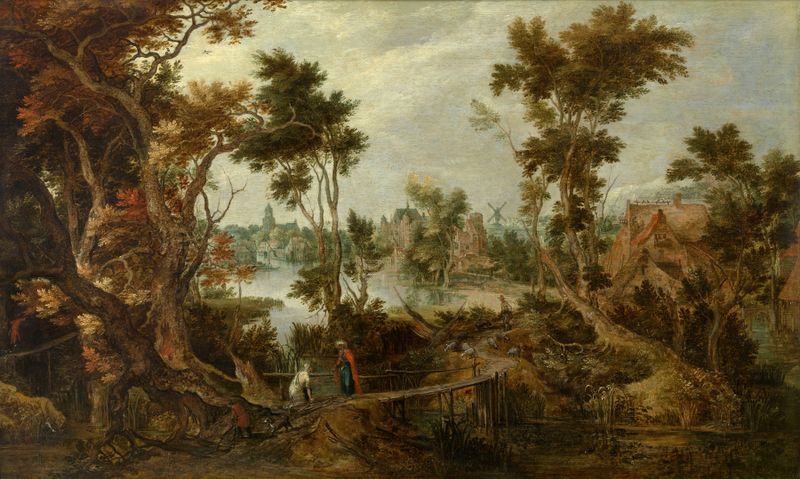
Could beauty survive in a century of chaos? In an era defined by turmoil, the delicate balance of memory and nature finds its refuge in art, a sanctuary where grace reigns unchallenged. Focus on the enchanting figures gracefully positioned at the center of the composition. Notice how the light dances across their skin, illuminating the ethereal beauty of Diana and her nymphs against the lush backdrop. The gentle brushstrokes breathe life into cascading foliage and the flowing river, guiding your gaze through the scene.
The play of shadow and light creates a serene harmony, showcasing the artist’s mastery in blending color palettes that resonate with tranquility. Yet, beneath this idyllic portrayal lies an emotional tension. The juxtaposition of the nymphs’ carefree demeanor against the rugged landscape hints at a deeper struggle between innocence and the encroaching chaos of the time. Each figure’s expression reveals a fleeting moment of joy, a shadow of melancholy that reminds us of the impermanence of beauty.
The gentle ripples of the river serve as a metaphor for memory—capturing a moment in time that ebbs and flows, yet remains forever cherished. In 1637, Gillis Claesz. de Hondecoeter crafted this work amidst a Europe grappling with political upheaval and the art world’s shift towards realism. Living in the Dutch Golden Age, he witnessed the rise of genre painting while simultaneously reflecting on mythological themes.
In this painting, he skillfully intertwines the elegance of mythology with the complexities of human experience, creating a timeless dialogue between the past and present.
More Artworks by Gillis Claesz. de Hondecoeter
Browse all →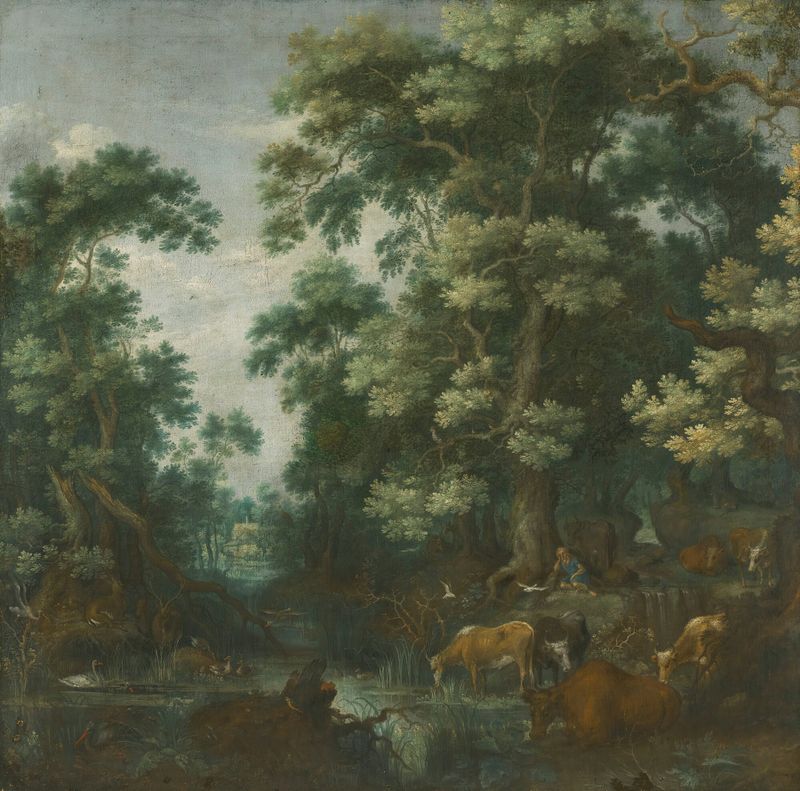
A Wooded Landscape With Deer And Cattle By A River, A Sleeping Herdsman Nearby
Gillis Claesz. de Hondecoeter
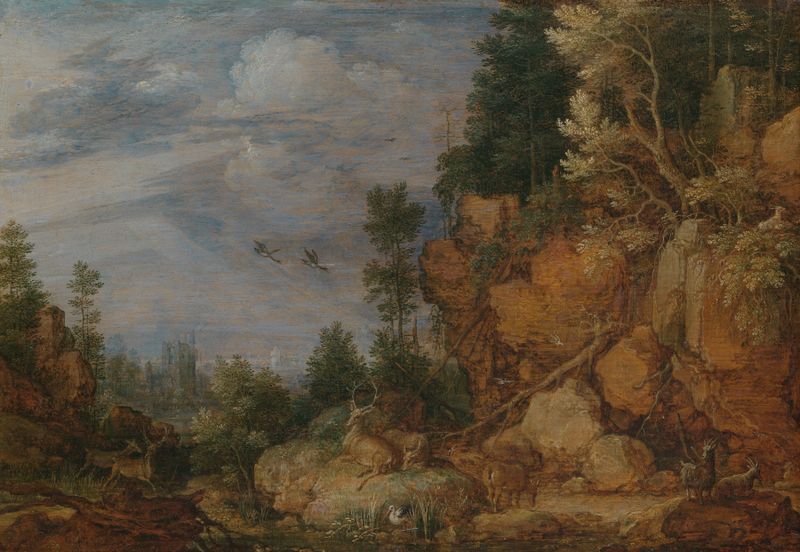
Rocky Landscape with Deer and Goats
Gillis Claesz. de Hondecoeter
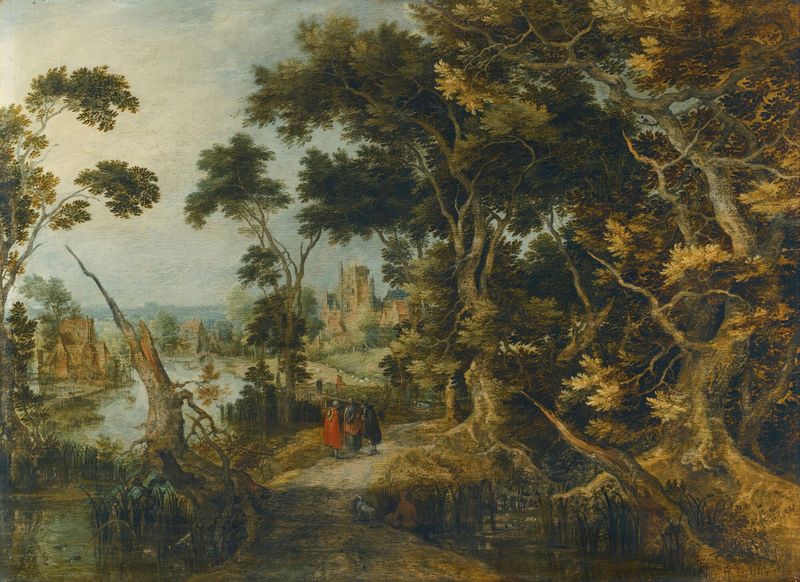
A Landscape With Christ And His Disciples On The Road To Emmaus
Gillis Claesz. de Hondecoeter
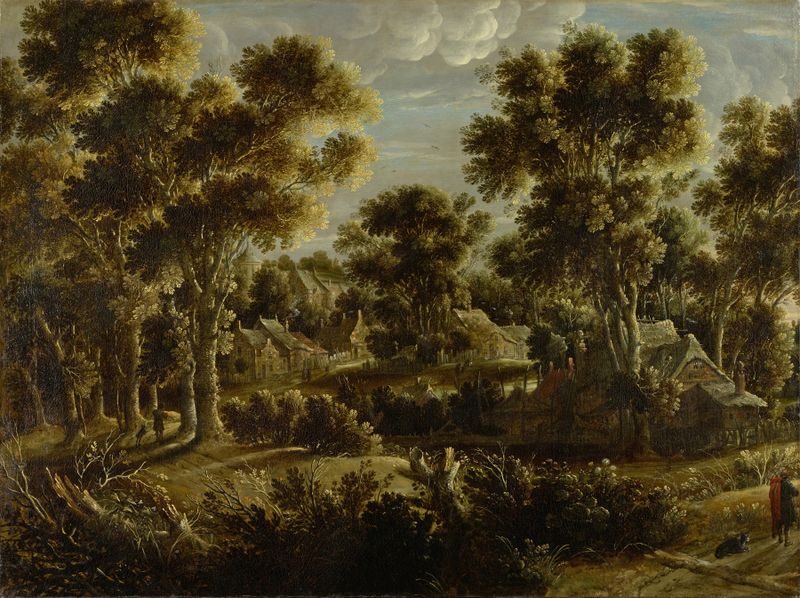
Forest Landscape with Village
Gillis Claesz. de Hondecoeter

A wooded river landscape
Gillis Claesz. de Hondecoeter
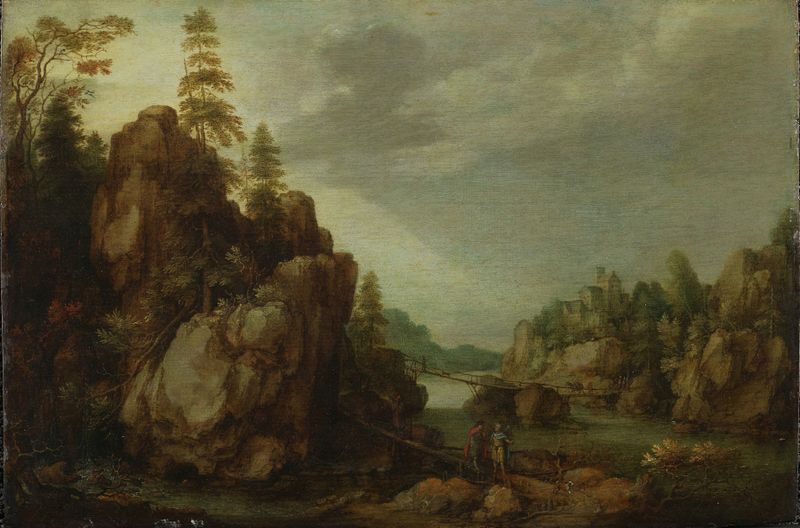
A Mountainous River Landscape with Tobias and the Angel
Gillis Claesz. de Hondecoeter

Rocky Landscape
Gillis Claesz. de Hondecoeter
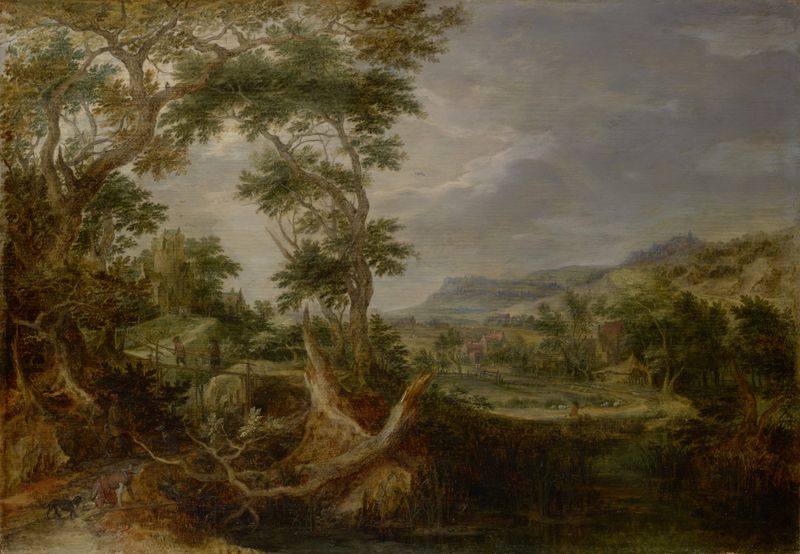
Swampy Valley with Castle on a Hill and Distant Farms
Gillis Claesz. de Hondecoeter
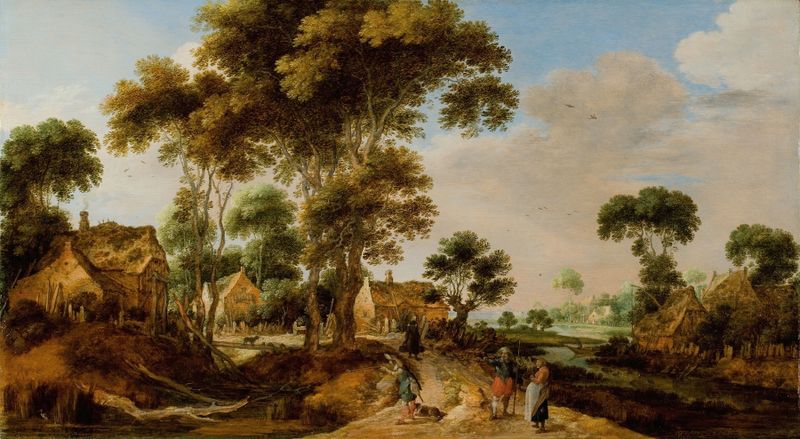
The Country Road
Gillis Claesz. de Hondecoeter
Landscape with Elias and the Widow of Sarefat
Gillis Claesz. de Hondecoeter