
Rocky Landscape — History & Facts
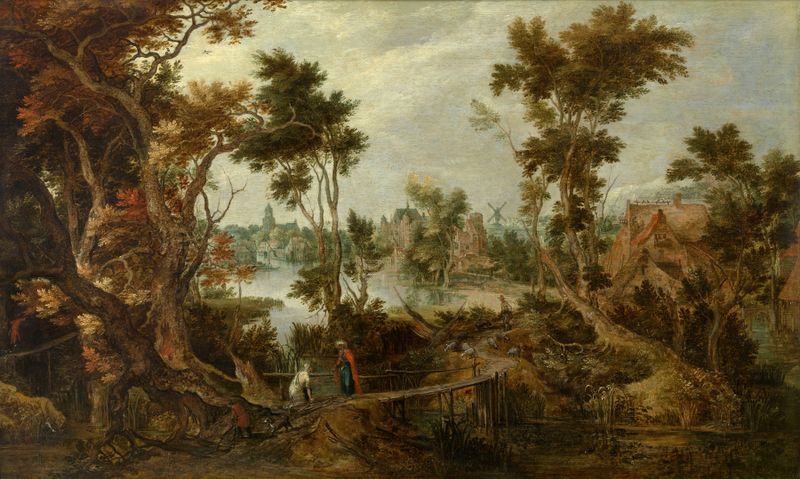
Could a single brushstroke hold eternity? In Rocky Landscape, the rugged terrain and striking cliffs speak of both permanence and the fragility of trust, echoing the yearnings of a heart betrayed. Look to the lower left at the cluster of rocks, where earthy hues blend seamlessly into vibrant greens. The careful layering of pigments creates a palpable texture, inviting the viewer to imagine running their fingers across the surface. Notice how the light glimmers on the water, revealing hidden depths, while the wispy clouds overhead frame the scene with an ethereal softness, juxtaposing the harshness of the landscape below. Embedded within the composition are contrasts that resonate with the viewer’s experience.
The solid, imposing rocks symbolize strength and stability, yet they also cast long shadows that hint at isolation and abandonment. The fluidity of the water mirrors the emotional currents of betrayal, as it flows past the unyielding stone, reminding us that nothing is truly permanent. Each element contributes to a narrative where beauty and tension coexist, bridging the divide between comfort and loss. In 1621, Gillis Claesz.
de Hondecoeter created this work in the Netherlands, a time when the artistic climate was shifting towards realism and emotional depth. As the nation emerged from religious strife, artists were exploring new ways to convey human experience, making landscapes a canvas for deeper reflections on life’s transience. This piece stands as a testament to the enduring power of nature while echoing the vulnerability of the human spirit.
More Artworks by Gillis Claesz. de Hondecoeter
Browse all →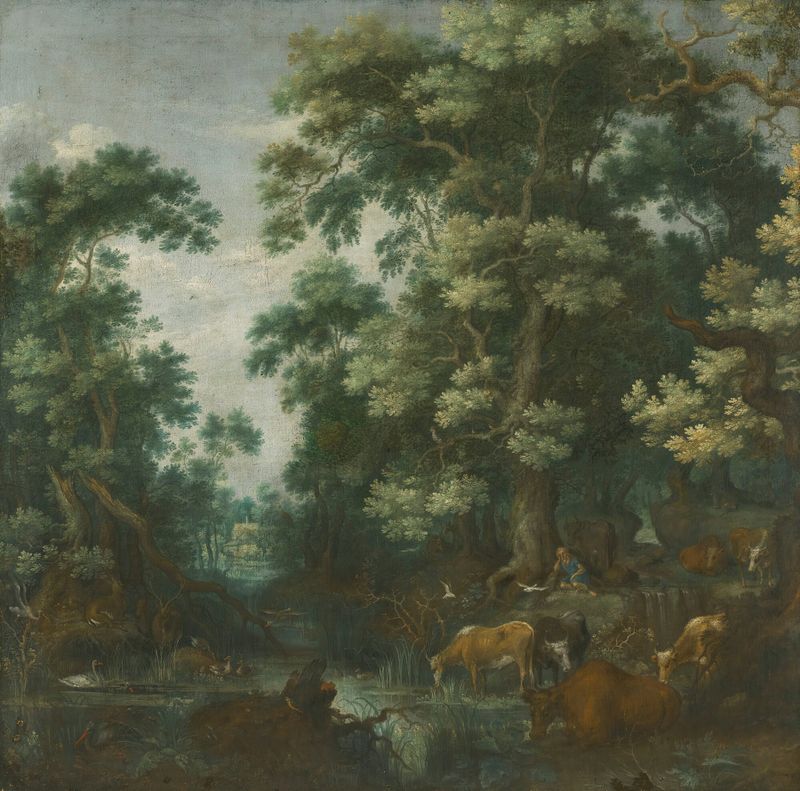
A Wooded Landscape With Deer And Cattle By A River, A Sleeping Herdsman Nearby
Gillis Claesz. de Hondecoeter
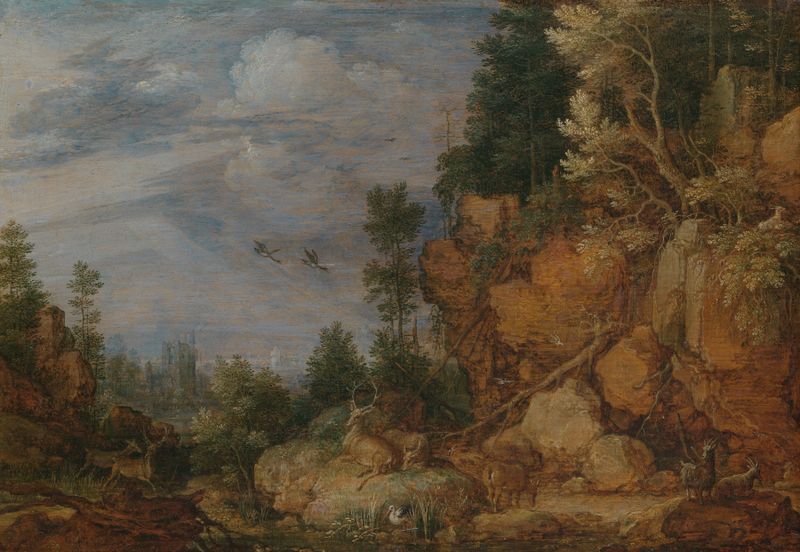
Rocky Landscape with Deer and Goats
Gillis Claesz. de Hondecoeter
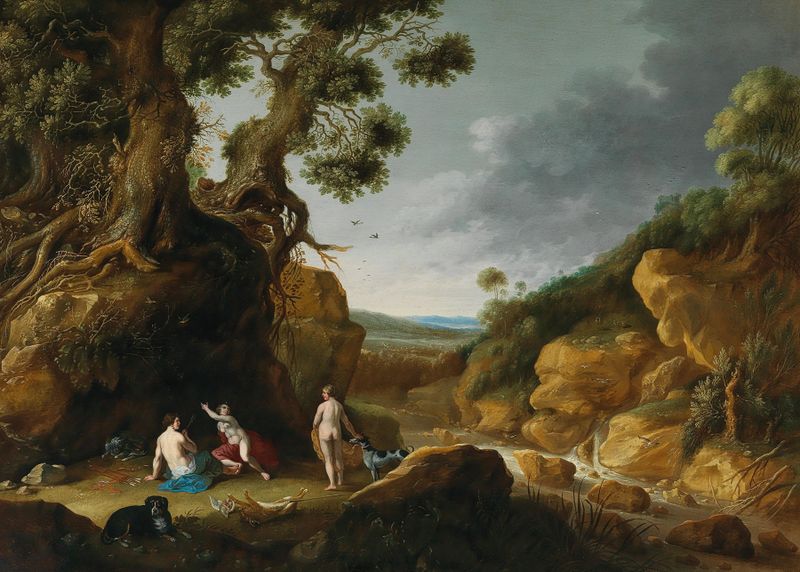
Diana and her nymphs in a rocky wooded river landscape
Gillis Claesz. de Hondecoeter
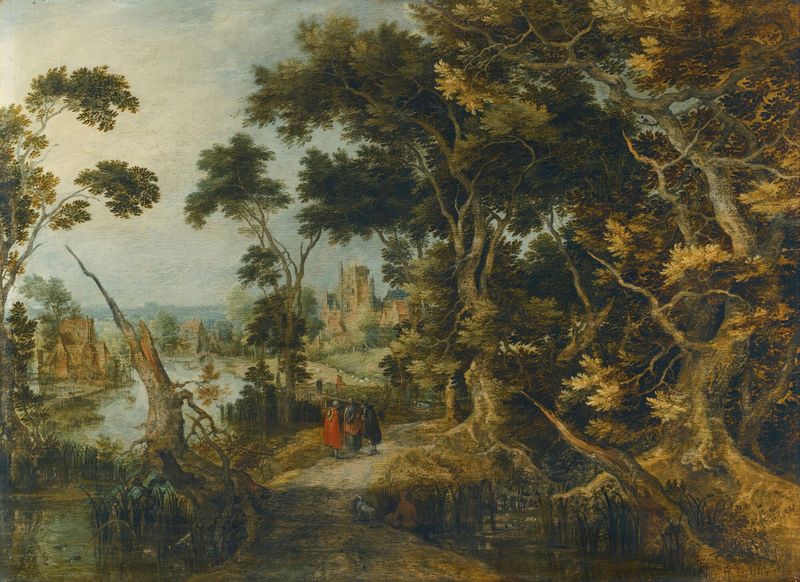
A Landscape With Christ And His Disciples On The Road To Emmaus
Gillis Claesz. de Hondecoeter
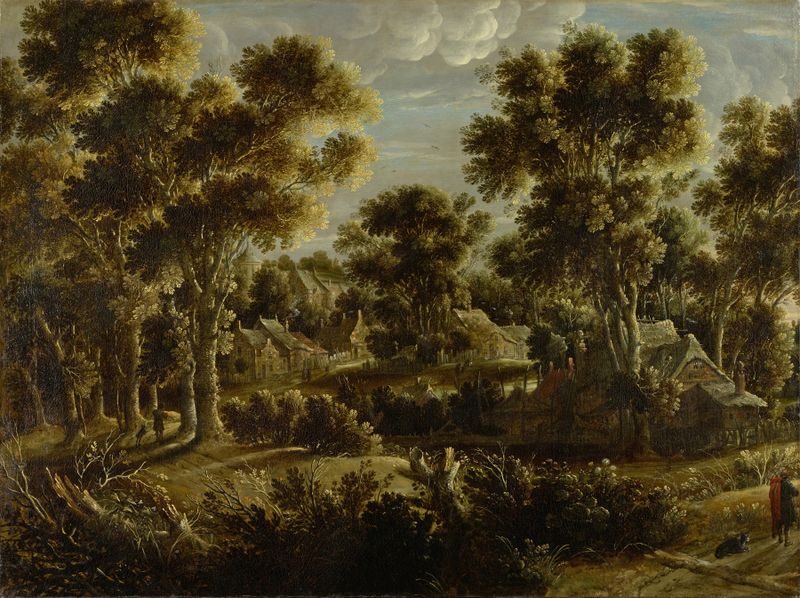
Forest Landscape with Village
Gillis Claesz. de Hondecoeter

A wooded river landscape
Gillis Claesz. de Hondecoeter
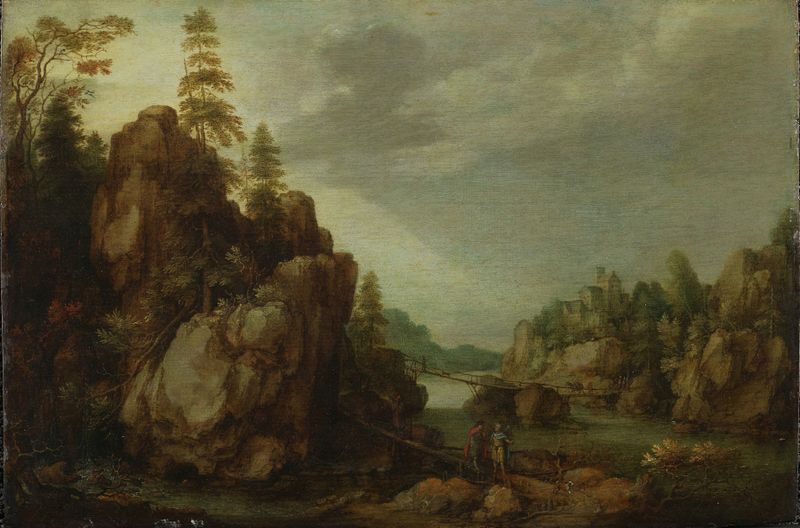
A Mountainous River Landscape with Tobias and the Angel
Gillis Claesz. de Hondecoeter
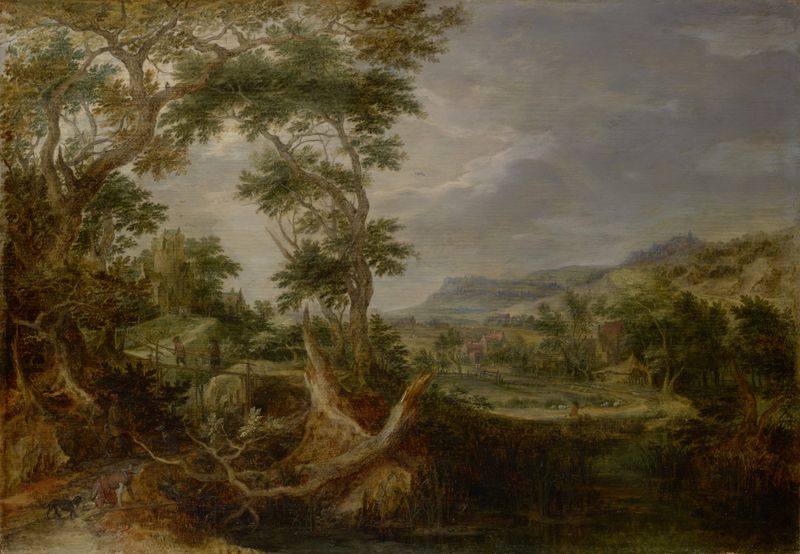
Swampy Valley with Castle on a Hill and Distant Farms
Gillis Claesz. de Hondecoeter
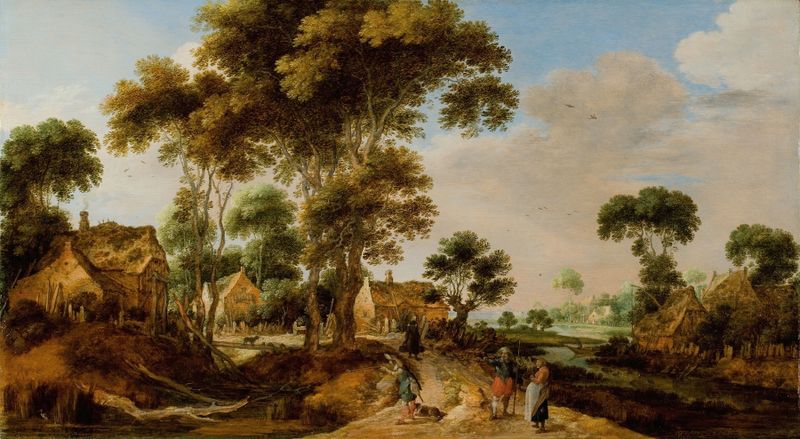
The Country Road
Gillis Claesz. de Hondecoeter
Landscape with Elias and the Widow of Sarefat
Gillis Claesz. de Hondecoeter





