
A Landscape with Heathland — History & Facts
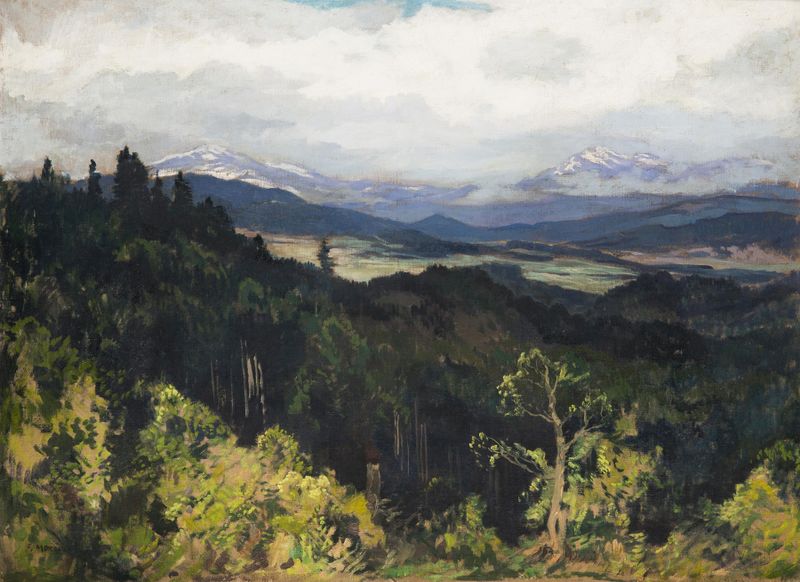
In the stillness of solitude, the heartache of the world finds its voice through color and form, echoing the melancholy depths of human experience. Look to the center of the canvas, where rolling hills stretch towards the horizon, their muted tones of green and brown offering a somber embrace. The delicate brushstrokes create a tapestry of texture, evoking the roughness of the heathland, and the scattered patches of wildflowers whisper of forgotten beauty. Notice how the soft light filters through an overcast sky, casting gentle shadows that deepen the landscape's emotional weight, inviting you to linger. As you explore the foreground, small details reveal profound narratives: a solitary tree stands resolute against the backdrop, its gnarled branches hinting at resilience amidst desolation.
The interplay of light and shadow enhances the inner struggle of the scene, evoking feelings of solitude and quiet longing. Each element becomes a vessel for introspection, urging the viewer to confront their own sense of place in a world often marked by transience. Gustav Macoun created this evocative piece during a period of quiet reflection in his career, likely in the late 19th century when the Impressionist movement was beginning to influence artistic expression. Captured in an era where the natural landscape was revered, he sought to convey the emotional resonance of the heathland, a stark reminder of nature’s beauty and fragility.
As he painted, the world around him was rapidly changing, yet he found solace in the timelessness of the earth beneath his brush.
More Artworks by Gustav Macoun
Browse all →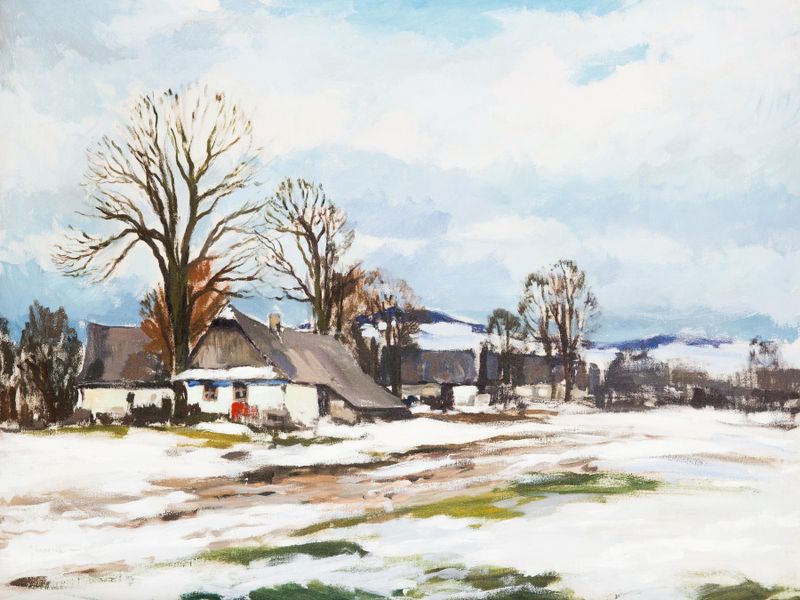
Early Spring II
Gustav Macoun
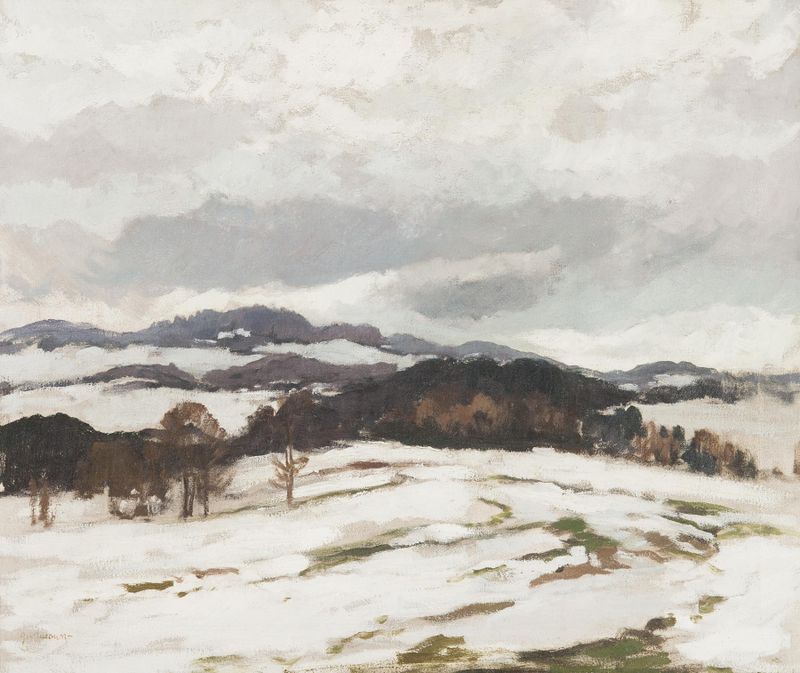
Early Spring
Gustav Macoun
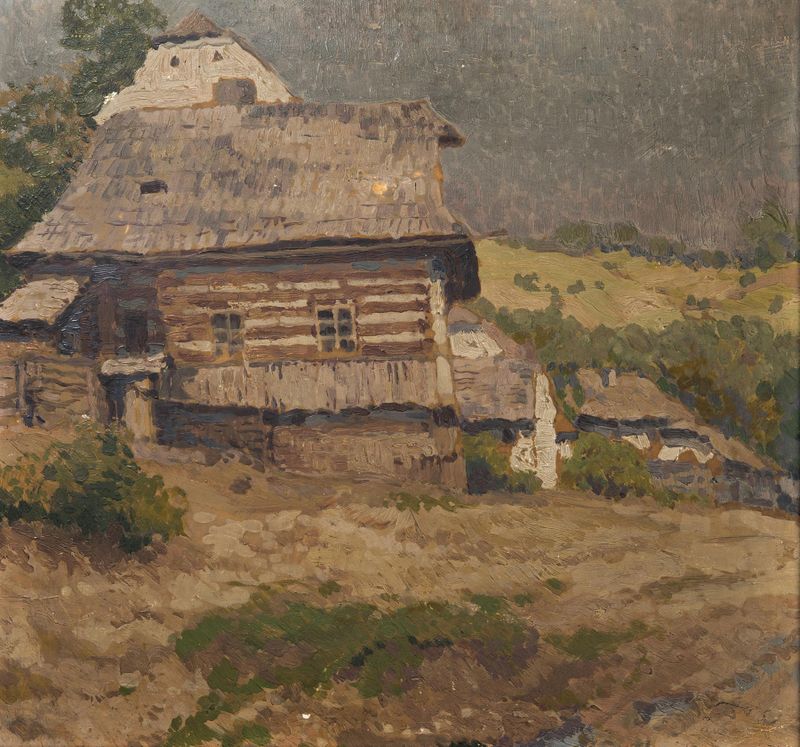
A Timber Cottage
Gustav Macoun
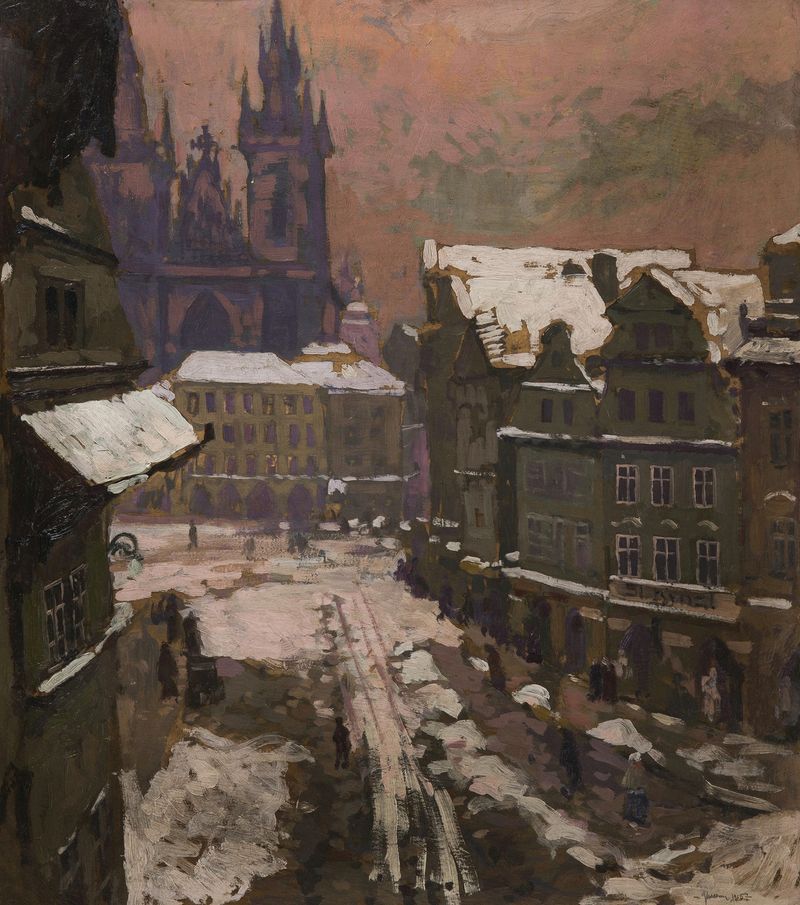
A View of Old Town Square
Gustav Macoun
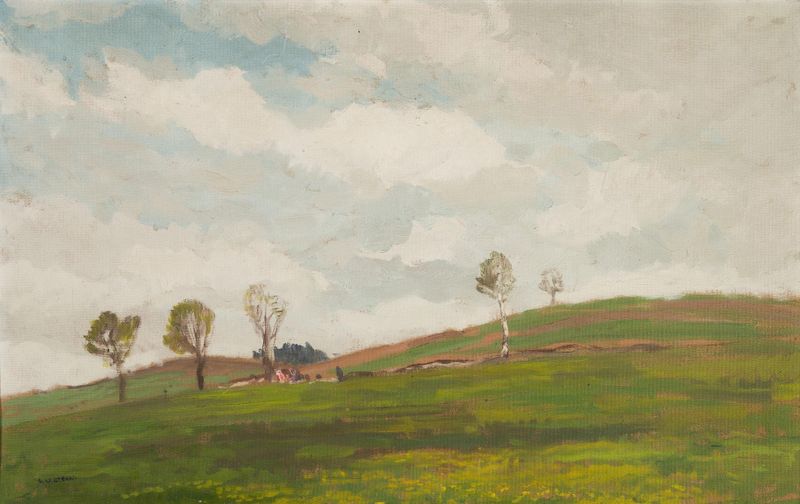
Landscape fin the vicinity of Kameničky
Gustav Macoun
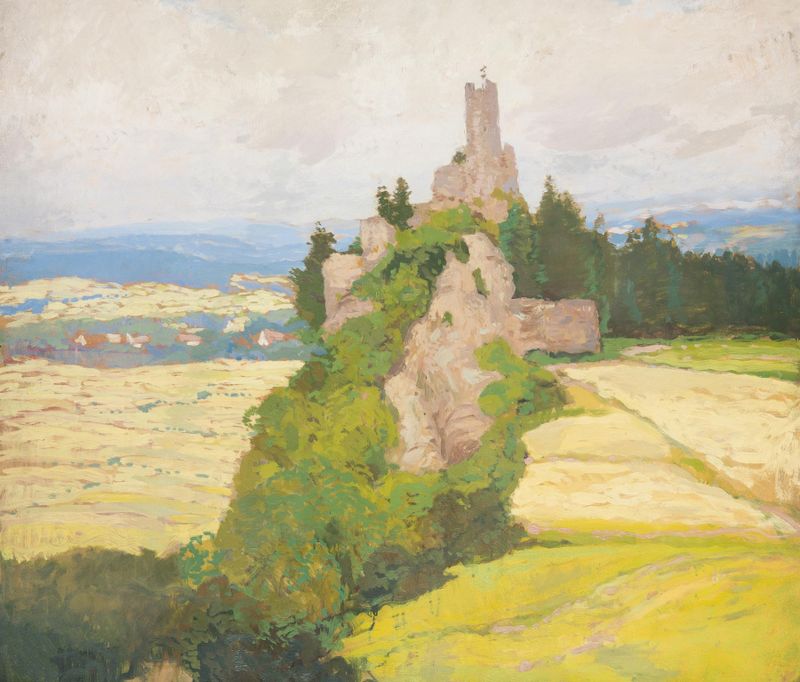
Frýdštejn
Gustav Macoun
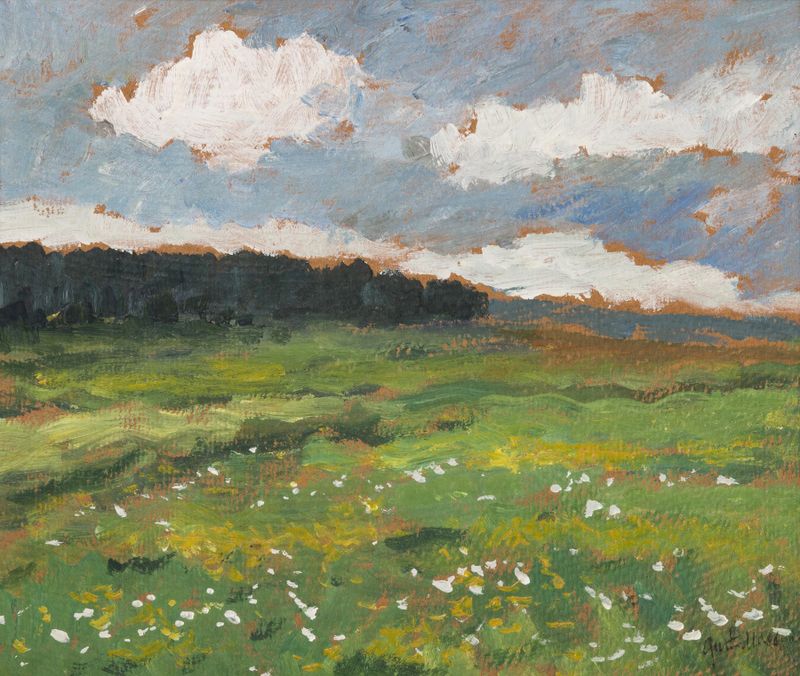
Study of a Landscape
Gustav Macoun
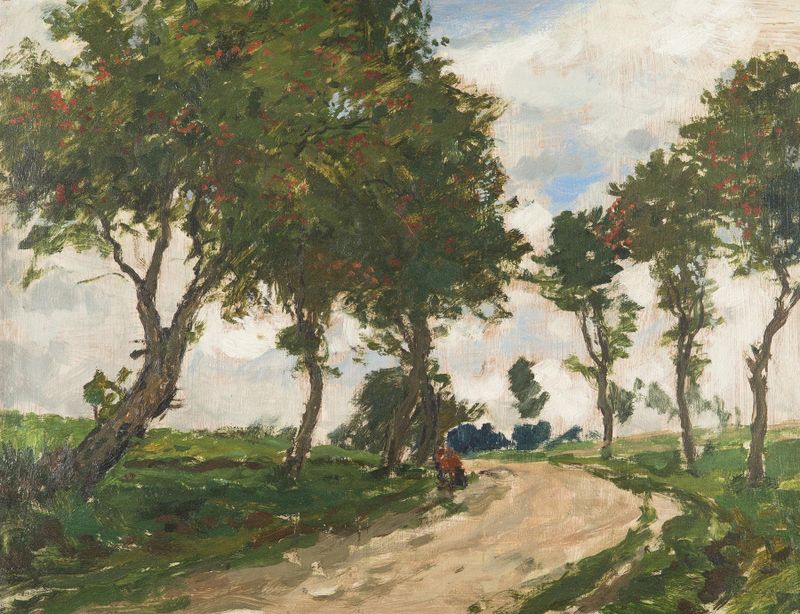
On the Way down the Alley
Gustav Macoun
Spring in the Foothills
Gustav Macoun





