
Frýdštejn — History & Facts
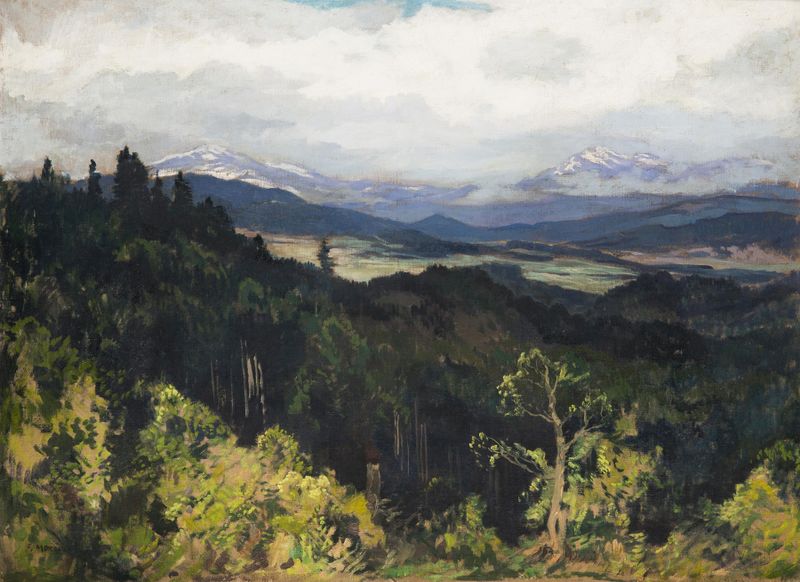
In the face of quietude, the brush strokes of life echo louder than words, urging us to confront our own fleeting existence. Look closely at the foreground, where the rough texture of the stone speaks volumes against the softness of the greenery that embraces it. The light cascades gently over the ancient ruins, illuminating subtle crevices, revealing both fragility and permanence. The muted palette of browns and greens invites a sense of tranquility, while the interplay of shadow and light creates a depth that draws the viewer inward, as if peering through time. In the shadows of this serene landscape lies a poignant commentary on mortality.
The crumbling stones evoke a history long past, a silent testament to the lives once lived within its walls. This juxtaposition of nature’s resilience and the remnants of human endeavor highlights the inevitable decay that awaits us all. Amidst the stillness, one can sense the vitality of life even as it fades, prompting a reflection on the transient beauty of existence. Gustav Macoun created this piece during a time when he sought to merge the beauty of the natural world with the remnants of human history.
The exact date of this work remains a mystery, but it is believed to have emerged from a period of deep introspection, as the artist grappled with the notion of time and memory. His dedication to capturing these themes in his art was reflective of broader movements in the late 19th century, which often explored the interplay between nature and human experience.
More Artworks by Gustav Macoun
Browse all →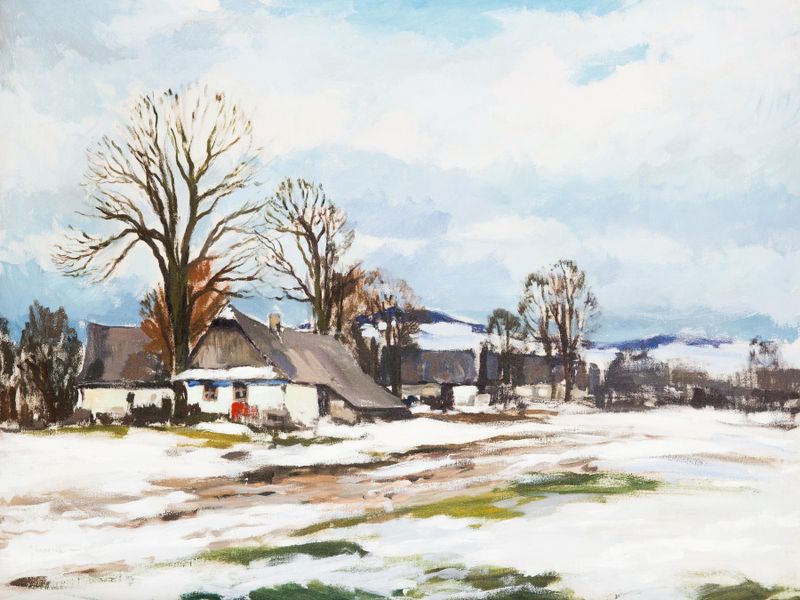
Early Spring II
Gustav Macoun
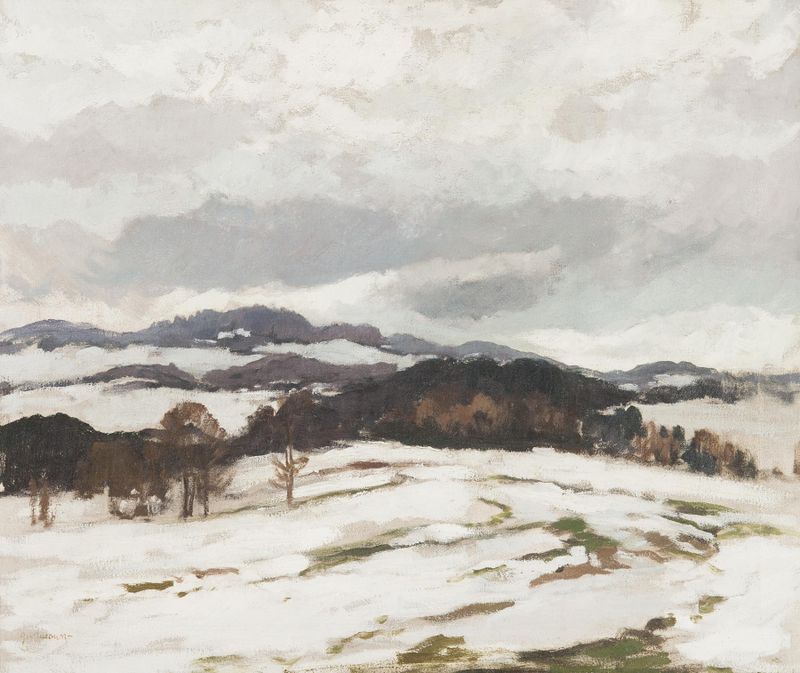
Early Spring
Gustav Macoun
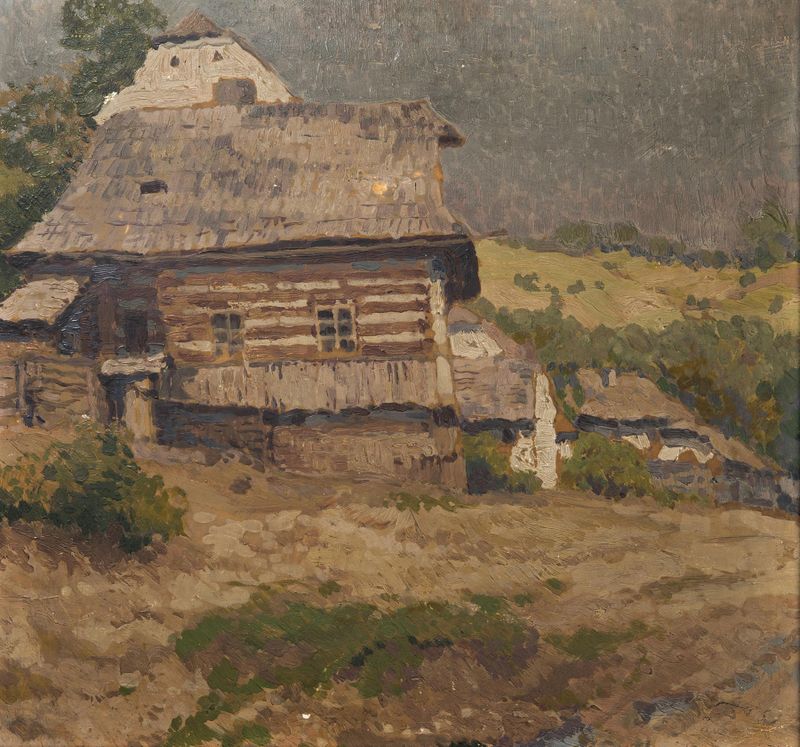
A Timber Cottage
Gustav Macoun
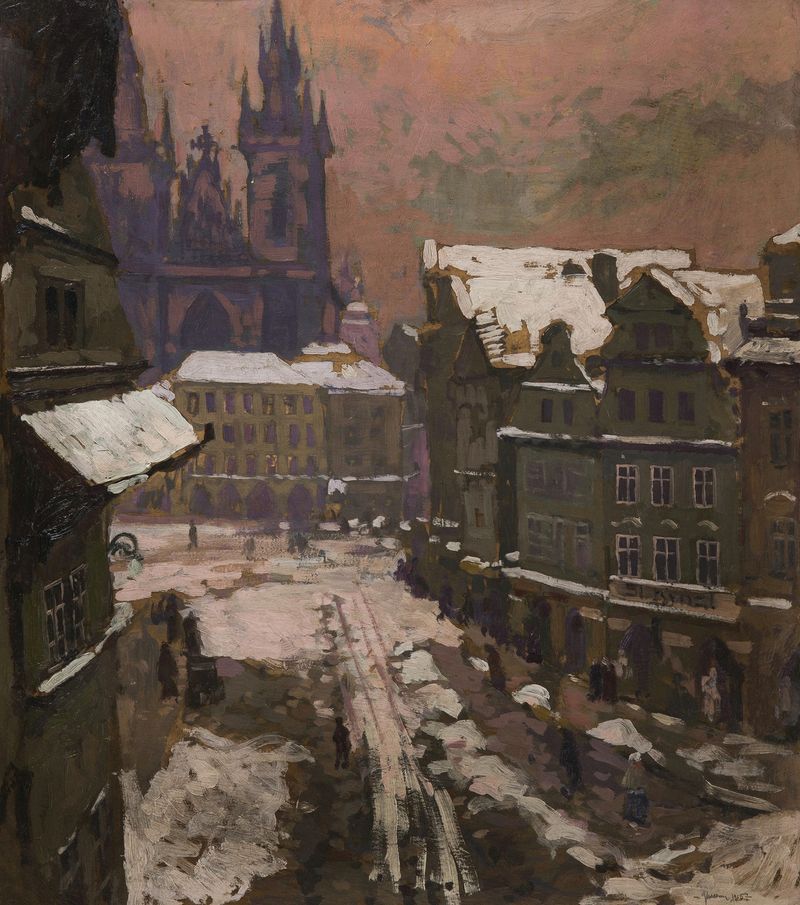
A View of Old Town Square
Gustav Macoun
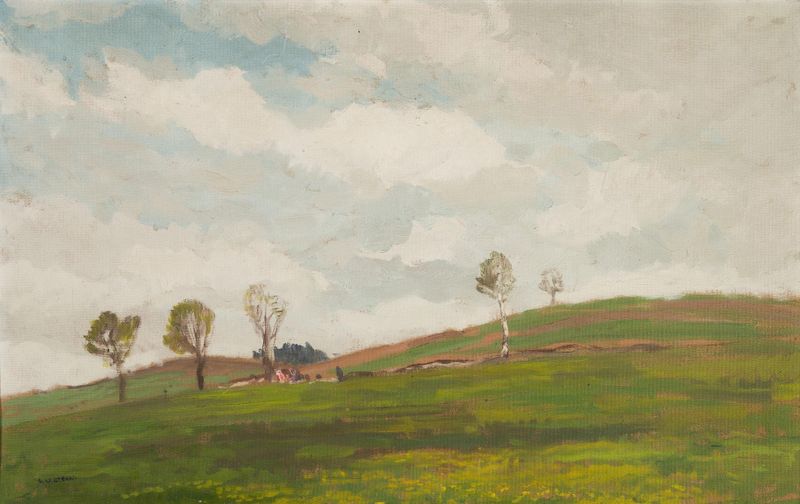
Landscape fin the vicinity of Kameničky
Gustav Macoun
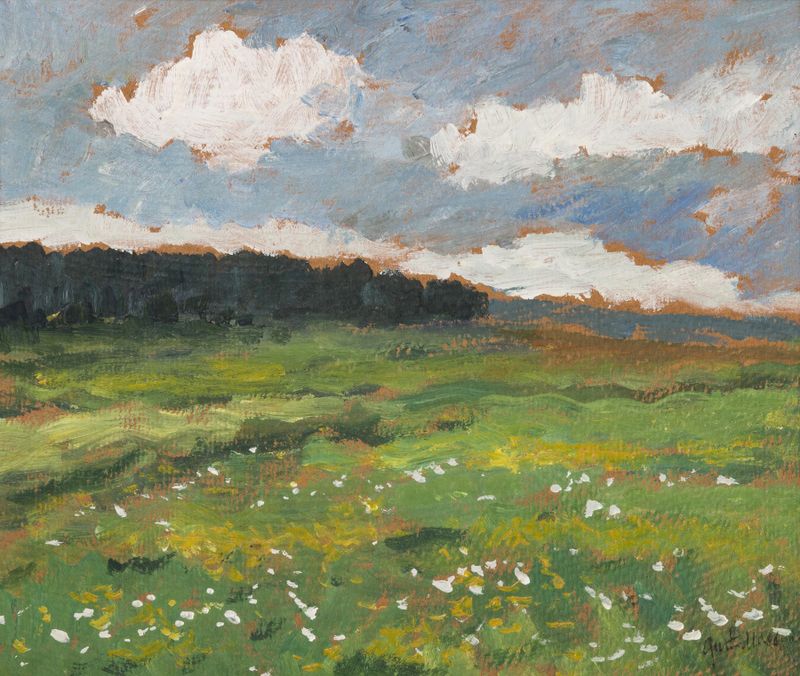
Study of a Landscape
Gustav Macoun
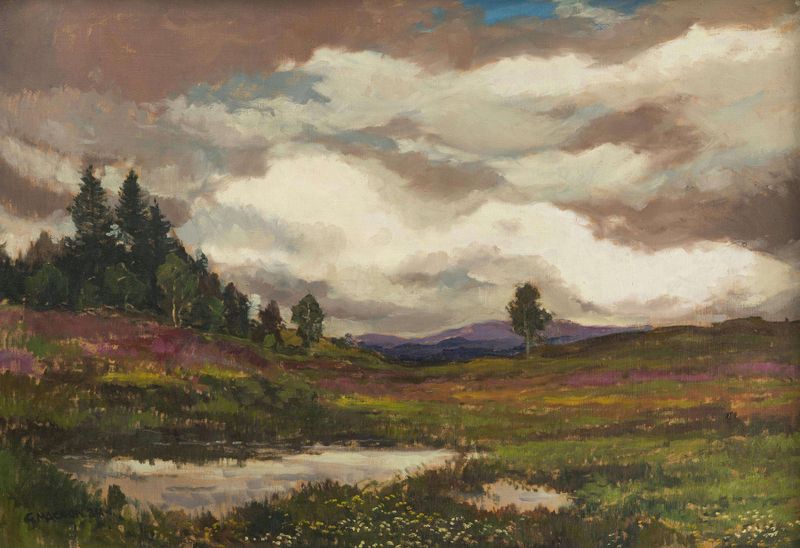
A Landscape with Heathland
Gustav Macoun
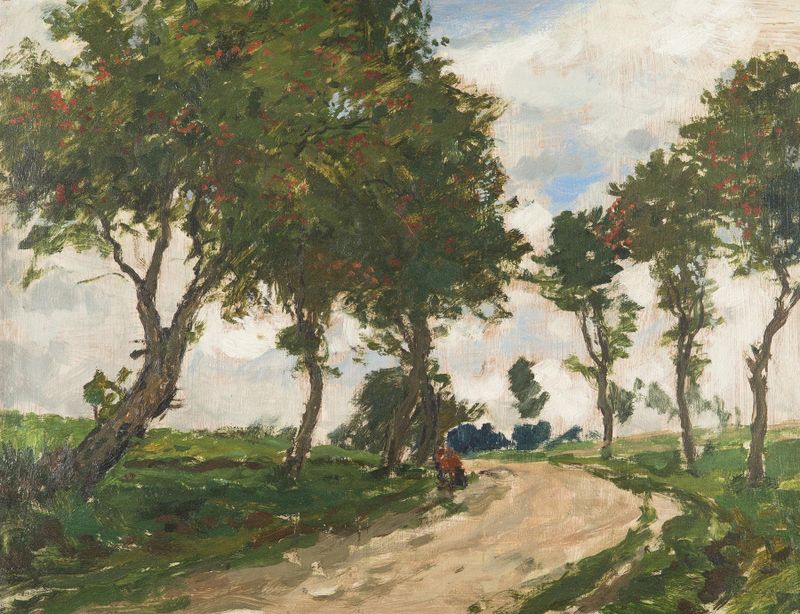
On the Way down the Alley
Gustav Macoun
Spring in the Foothills
Gustav Macoun





