
Early Spring II — History & Facts
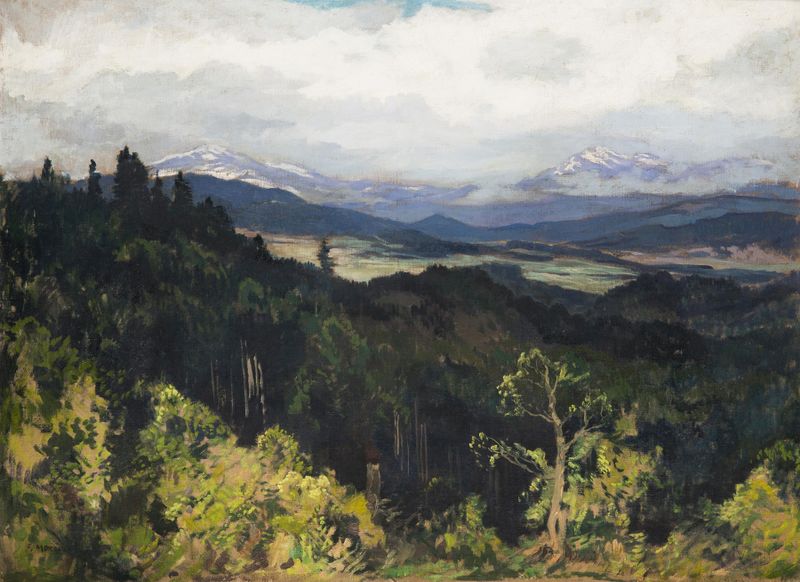
What if beauty was never meant to be finished? In the delicate twilight of early spring, longing weaves through the atmosphere like a whisper, hinting at renewal while holding onto traces of what has passed. Focus on the soft blend of greens and blues that dominate the canvas, inviting you to wander through the serene landscape. Notice how the brushstrokes flow in soft curves, mimicking the gentle caress of a breeze; they lead your gaze toward the horizon where the sky meets blossoming earth. Dappled light dances across the surface, capturing the transient moments of daybreak, as if promising that every dawn carries the potential for rebirth. Yet, amid this harmonious palette, there's an underlying contrast that stirs the heart.
Observe the lone tree, its branches reaching out in a hesitant embrace, suggesting both solitude and resilience. The juxtaposition of shadow and light reflects an inner tension — the yearning for growth amid the uncertainty of change. Each detail evokes the bittersweet nature of time, inviting the viewer to contemplate the fleeting beauty of life's cycles. Gustav Macoun painted this work during a period of introspection in his life, the exact date unknown but likely during the late 19th century.
Surrounded by the burgeoning movements of Impressionism, he sought to capture the essence of nature's transitions, reflecting both personal experience and the collective consciousness of an era that was deeply attuned to the emotional resonance of the natural world.
More Artworks by Gustav Macoun
Browse all →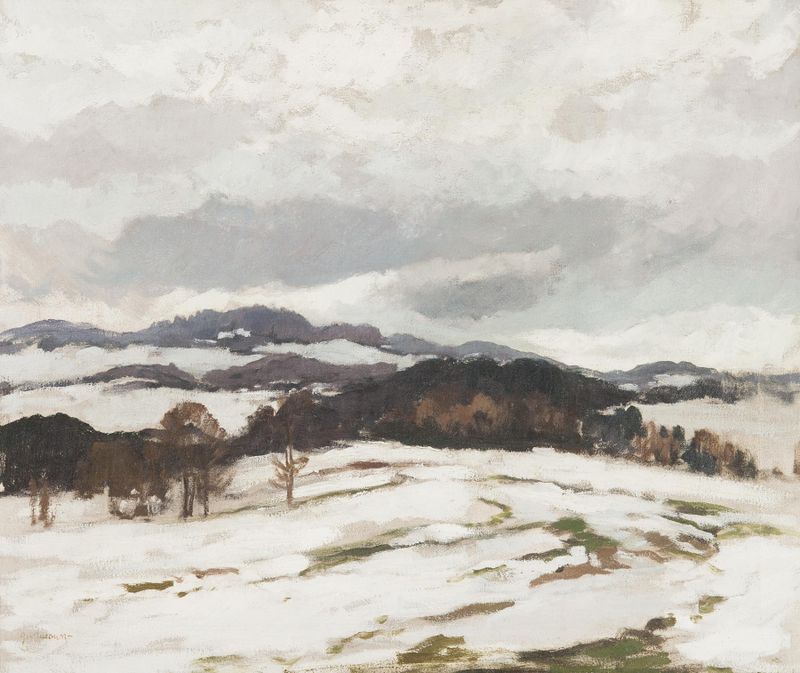
Early Spring
Gustav Macoun
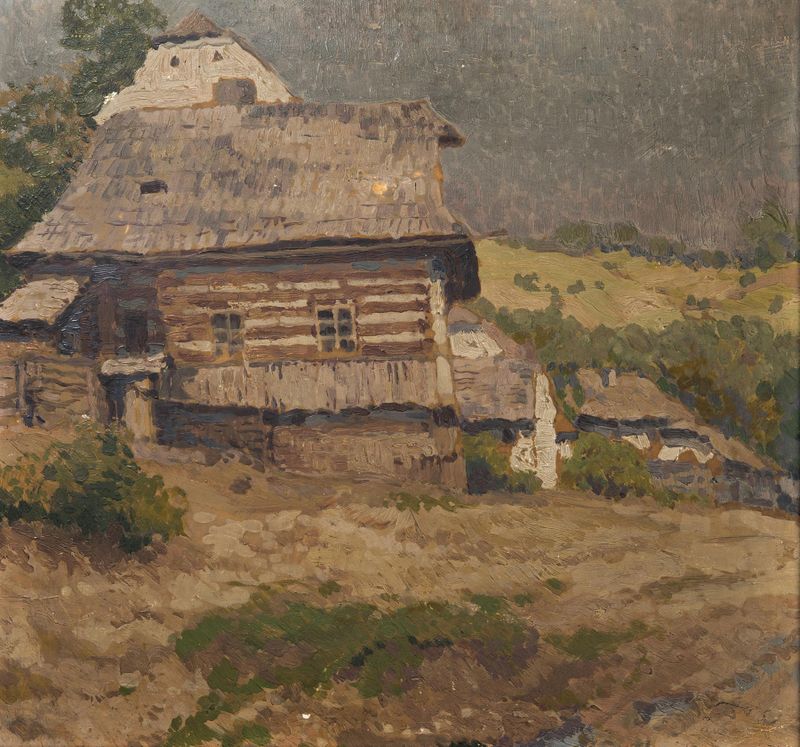
A Timber Cottage
Gustav Macoun
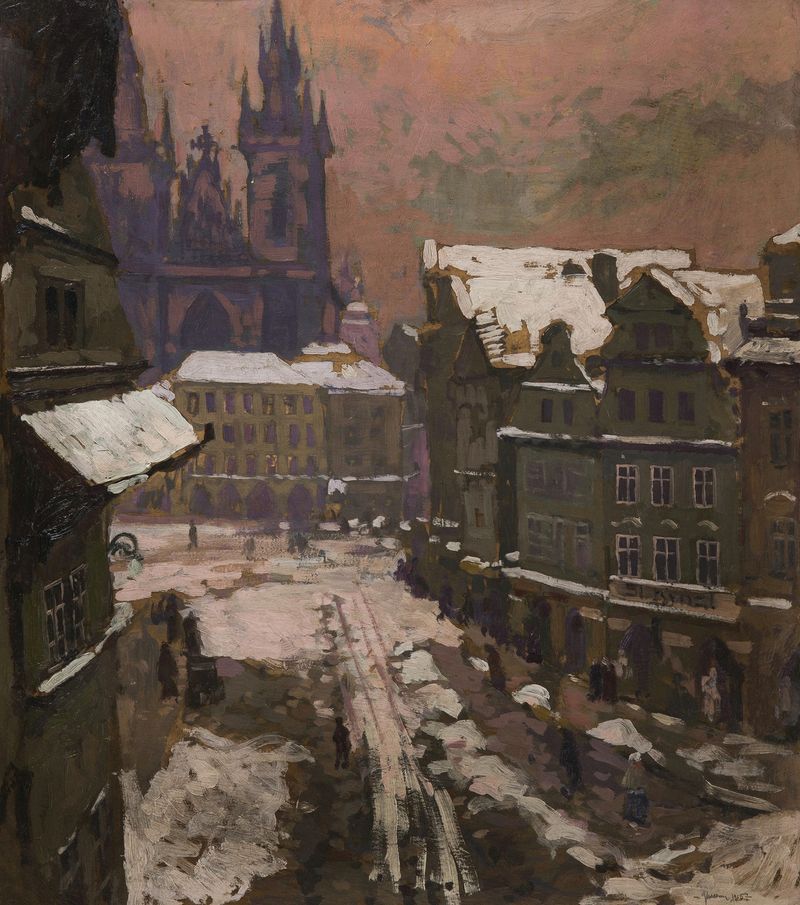
A View of Old Town Square
Gustav Macoun
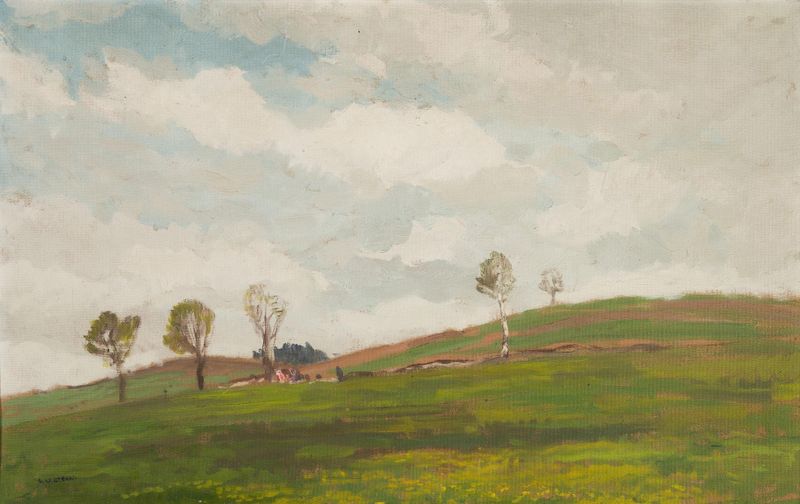
Landscape fin the vicinity of Kameničky
Gustav Macoun
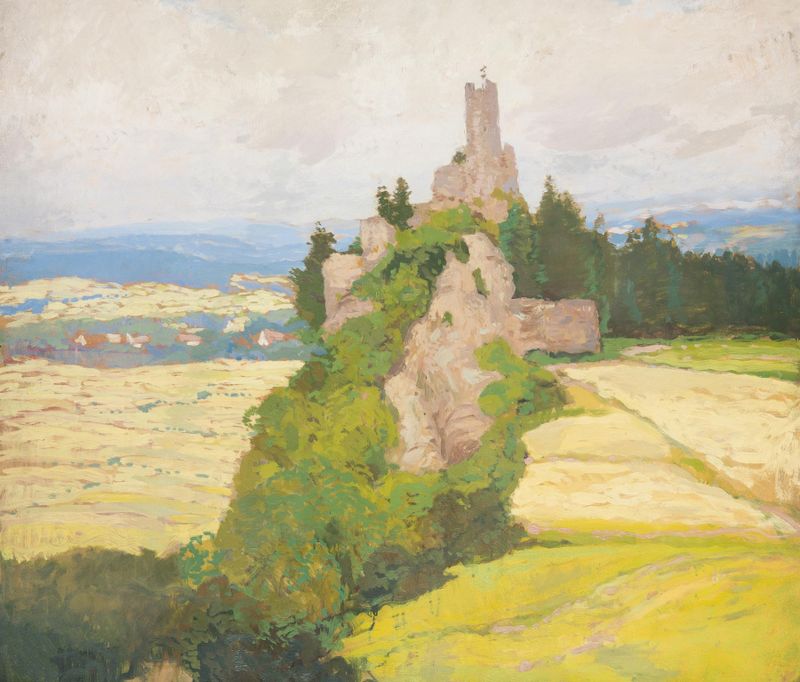
Frýdštejn
Gustav Macoun
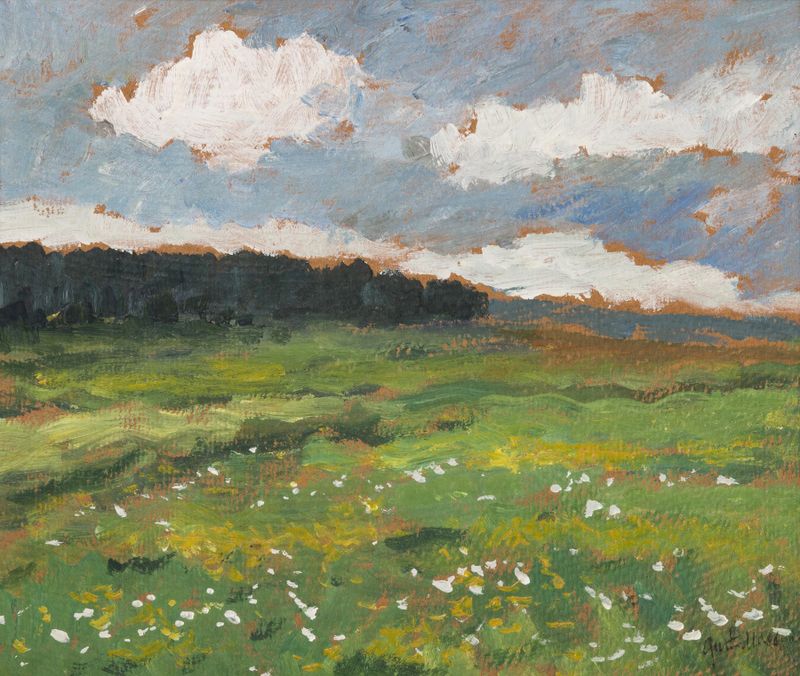
Study of a Landscape
Gustav Macoun
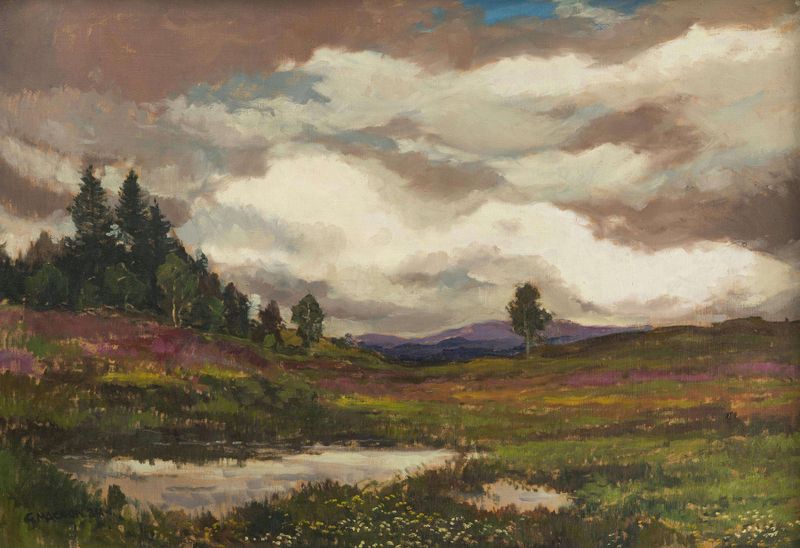
A Landscape with Heathland
Gustav Macoun
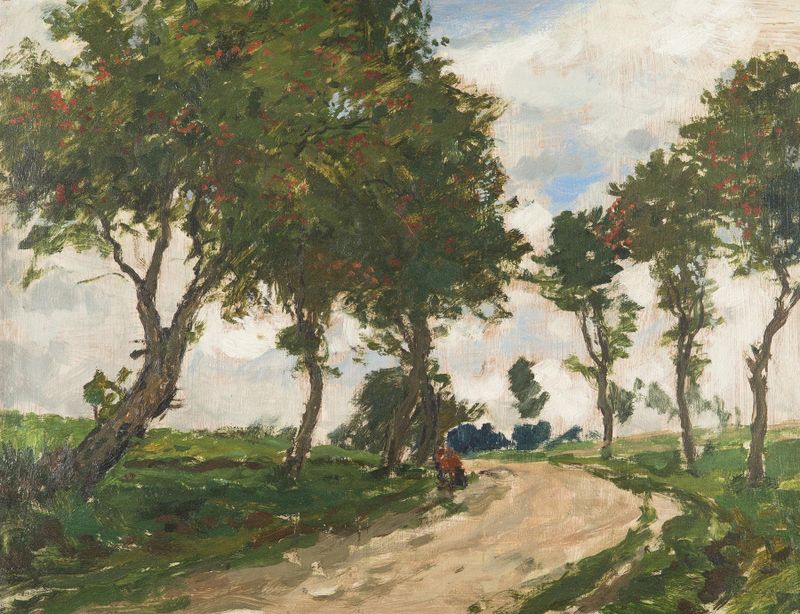
On the Way down the Alley
Gustav Macoun
Spring in the Foothills
Gustav Macoun





