
A Loch in Scotland — History & Facts
In capturing a tranquil loch, the artist reveals not only the beauty of nature but also the intertwined destinies of land and memory. The still waters reflect a world both present and absent, urging us to ponder what lies beneath the surface of our own experiences. Look to the foreground, where the gentle undulations of the loch beckon your gaze. A symphony of blues and greens dominate the scene, inviting tranquility while subtle ripples hint at a breeze stirring the air.
Notice how the light dances on the water, creating a shimmering pathway that draws the eye deeper into the landscape, while dark, shadowy hills loom in the distance, suggesting mystery and depth beyond the calm exterior. Within this serene composition lies a narrative of contrasts. The calm surface of the loch is a metaphor for the hidden currents of fate, where what appears peaceful may conceal underlying turmoil. The interplay of light and shadow speaks to the duality of existence: joy intertwined with sorrow, beauty accompanied by enigma.
Each brushstroke resonates with the interconnectedness of nature and the human experience, imbuing the scene with a sense of longing and introspection. The painting emerged during a formative period in George Fennell Robson's career, likely around the early 19th century while he was based in England. This time was marked by a growing appreciation for the sublime beauty of the British landscape, reflecting Romanticism's influence on his work. As an artist deeply engaged with the natural world, he used this moment to explore themes of memory and destiny, capturing the essence of a fleeting landscape that speaks to timeless human emotions.
More Artworks by George Fennell Robson
Browse all →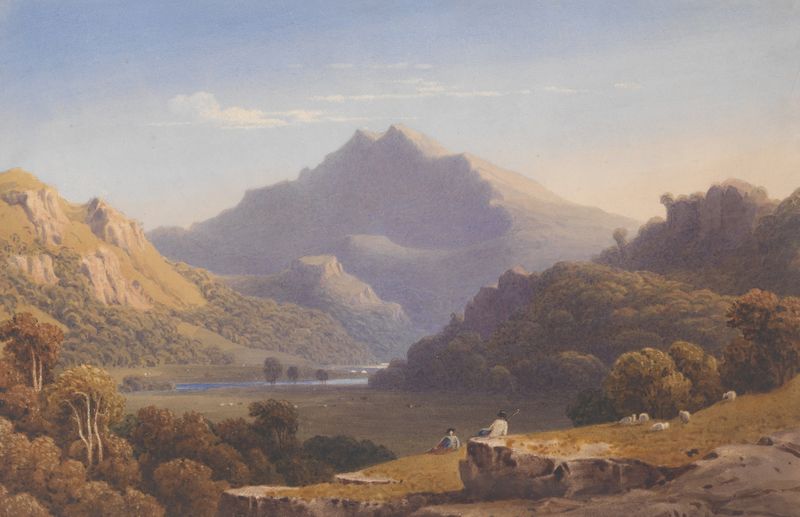
Snowdon from Llyn Nantlle, North Wales
George Fennell Robson
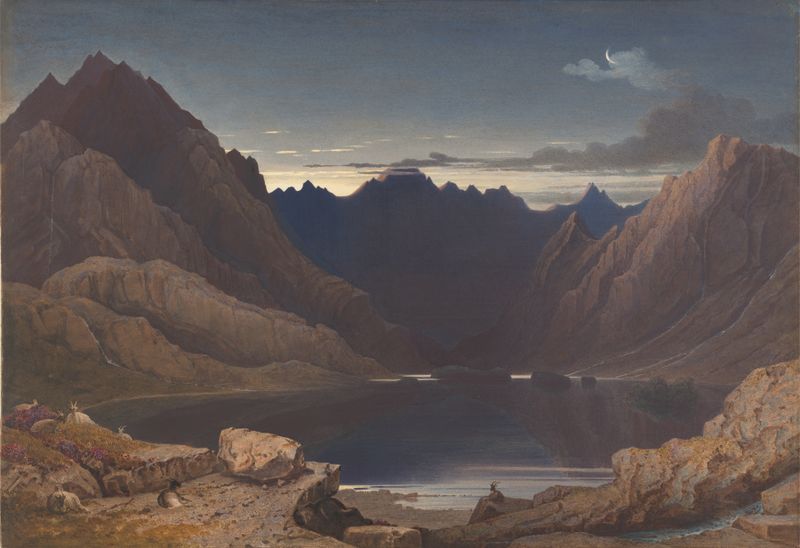
Loch Coruisk, Isle of Skye, Dawn
George Fennell Robson
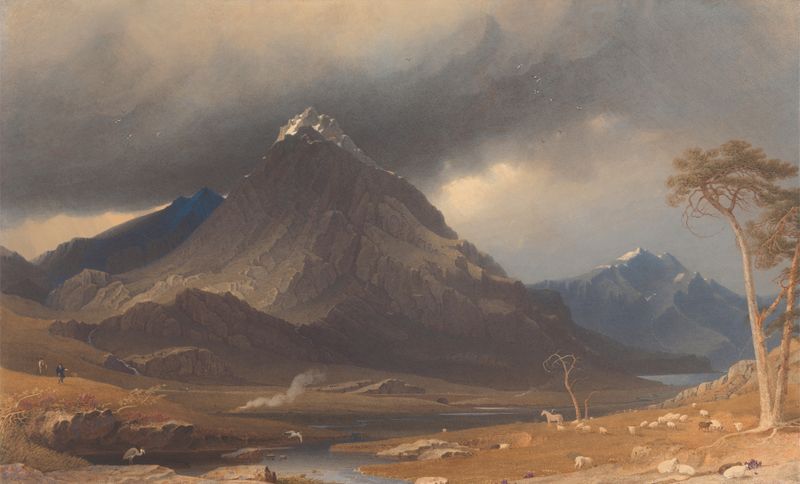
Tryfan, Carnarvonshire
George Fennell Robson
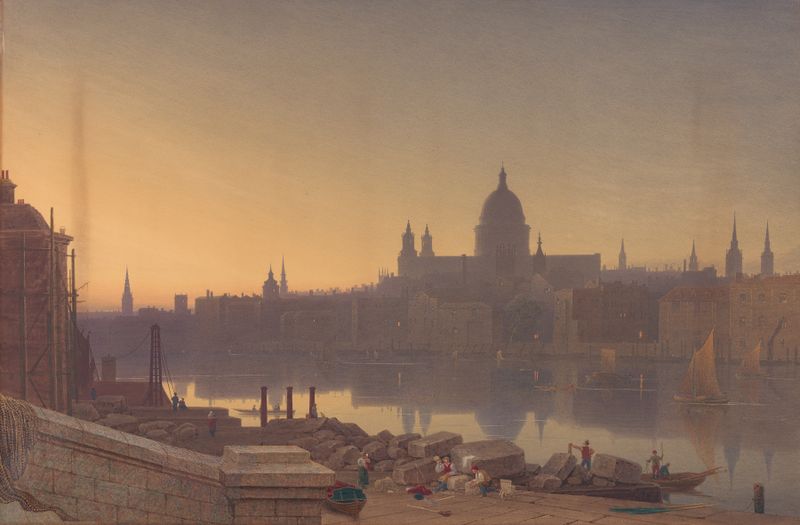
St. Paul’s from Southwark by Sunset
George Fennell Robson
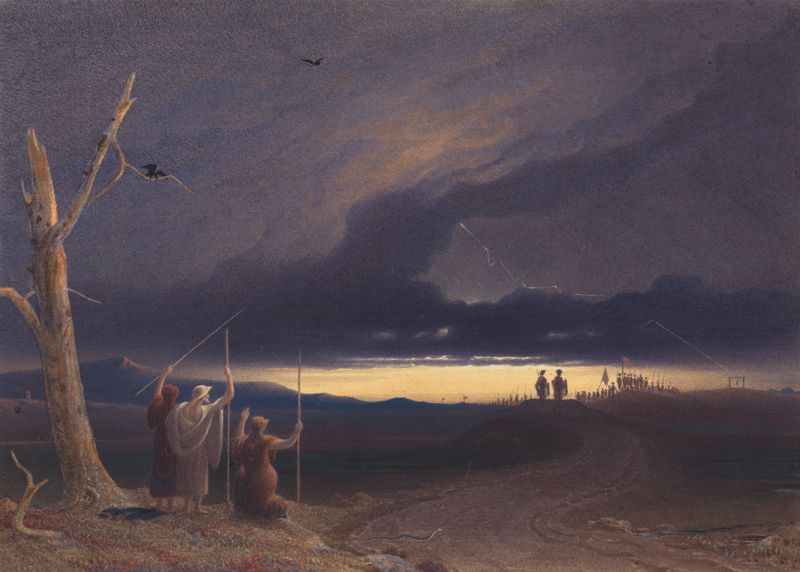
Macbeth and Banquo on the Heath
George Fennell Robson
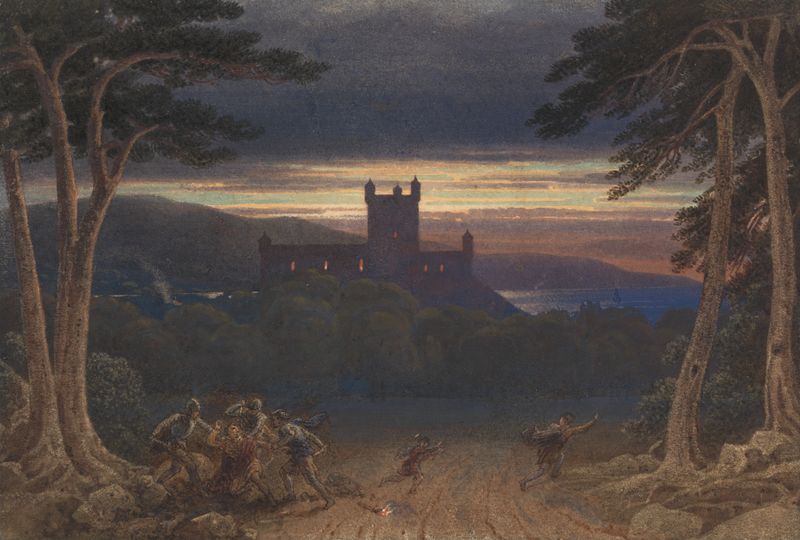
The Murder of Banquo
George Fennell Robson





