
Tryfan, Carnarvonshire — History & Facts
It is in that quiet space between turmoil and stillness that masterpieces are born, capturing not just a moment, but the pulse of humanity itself. Look to the left where the rugged peaks of Tryfan rise triumphantly, their craggy surfaces kissed by ethereal wisps of cloud. Notice how the artist employs a delicate interplay of shadow and light, sculpting the mountain’s contours with a palette of muted greens and browns that evoke the essence of the wild landscape. The sky above, a sweeping expanse of soft blues, serves as a stark contrast to the earth's grandeur, inviting the viewer’s gaze upwards and instilling a sense of hope. Yet, beneath the serene surface lies an undercurrent of emotional tension.
The rocky terrain, while beautiful, hints at the challenges of nature, evoking the struggle between mankind and the untamed world. The presence of a small figure—perhaps a climber or a wanderer—imbues the scene with a sense of solitude, a reminder of the revolution of spirit required to confront both nature and self. This juxtaposition of human fragility amidst the majestic landscape offers a profound commentary on the pursuit of freedom and self-discovery. In 1826, as George Fennell Robson painted this work in Carnarvonshire, the Romantic movement was reshaping artistic landscapes across Europe.
This was a time marked by a growing appreciation for nature's beauty and power, reflecting broader societal changes as individuals sought personal expression in the wake of the Industrial Revolution. Robson's choice to immortalize this dramatic Welsh mountain showcases not only his technical prowess but also his deep connection to the evolving narrative of British art.
More Artworks by George Fennell Robson
Browse all →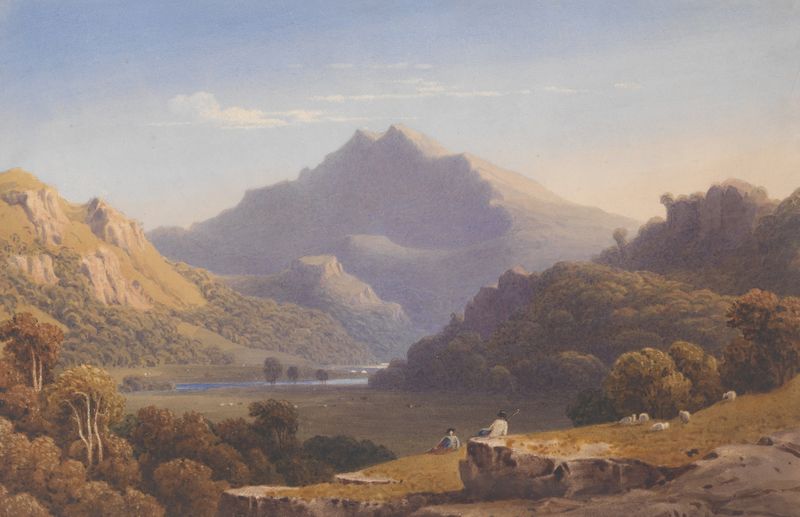
Snowdon from Llyn Nantlle, North Wales
George Fennell Robson
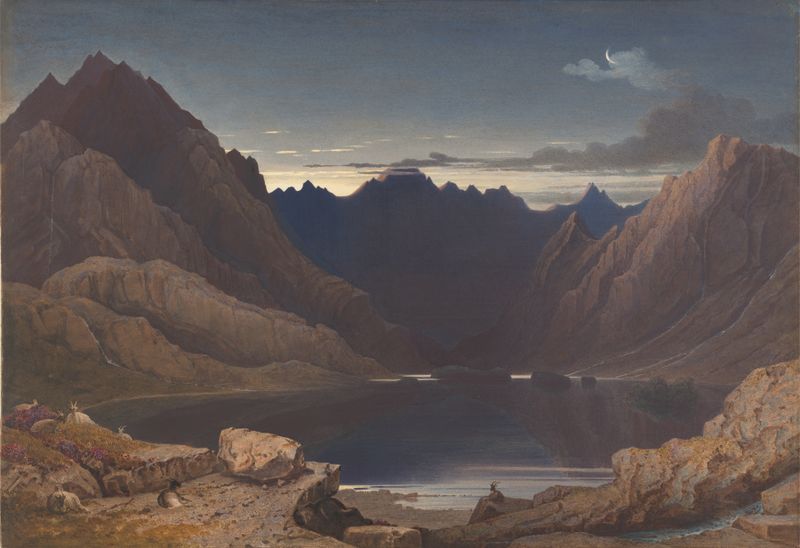
Loch Coruisk, Isle of Skye, Dawn
George Fennell Robson
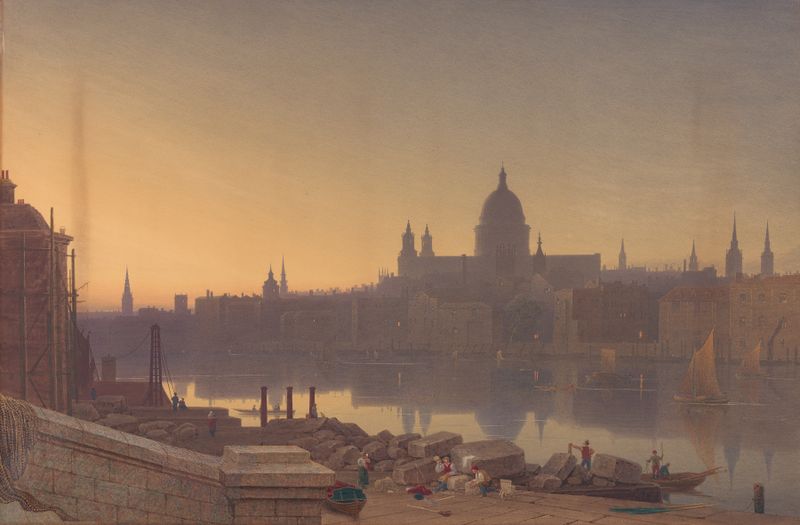
St. Paul’s from Southwark by Sunset
George Fennell Robson
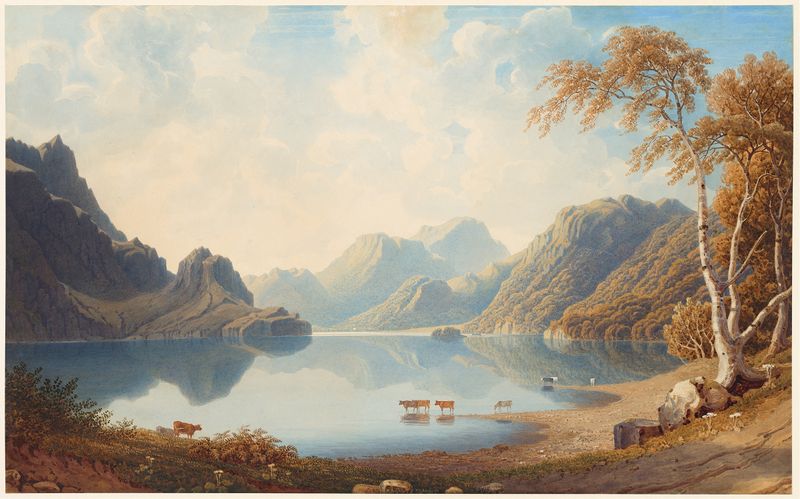
A Loch in Scotland
George Fennell Robson
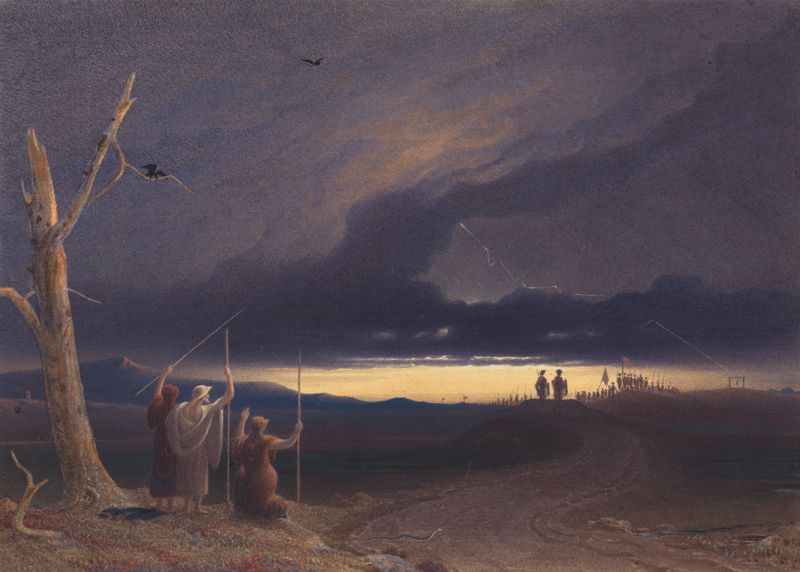
Macbeth and Banquo on the Heath
George Fennell Robson
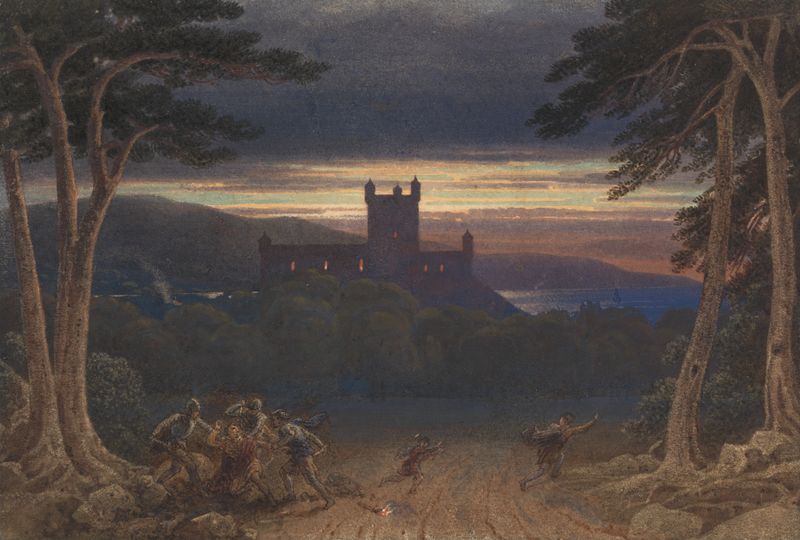
The Murder of Banquo
George Fennell Robson





