Loch Coruisk, Isle of Skye, Dawn — History & Facts
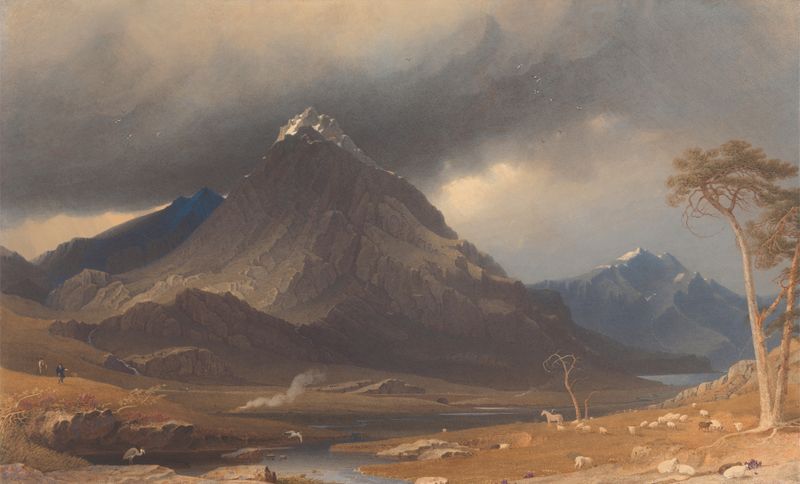
Did the painter know this moment would outlive them? As the sun's first light spills over the rugged cliffs and dances upon the still waters, a haunting emptiness envelops the scene, inviting contemplation and solitude. Focus on the serene interplay of light and shadow in the foreground, where the gentle ripples of Loch Coruisk reflect the awakening sky. The cool blue of the water contrasts strikingly with the warm hues of dawn that softly caress the surrounding mountains. Each brushstroke captures the tranquility of the moment while inviting the viewer to linger on the untouched beauty and isolation of this remote landscape. Within the vast expanse, there lies a tension between the grandeur of nature and the profound sense of solitude.
The towering peaks loom over the lake like silent guardians, embodying both majesty and a stark reminder of the smallness of human existence. The emptiness of the scene speaks volumes, evoking feelings of introspection as one considers their place within nature's epic narrative. George Fennell Robson painted Loch Coruisk, Isle of Skye, Dawn between 1826 and 1832, amidst a period of burgeoning appreciation for the sublime in British landscape painting. At this time, the Romantic movement was flourishing, emphasizing emotion and the beauty of the natural world.
Robson, influenced by these ideals, sought to depict not just the physical landscape but also its emotional resonance, capturing a fleeting moment in time that resonates deeply with the viewer today.