A Mediterranean harbour with ships — History & Facts
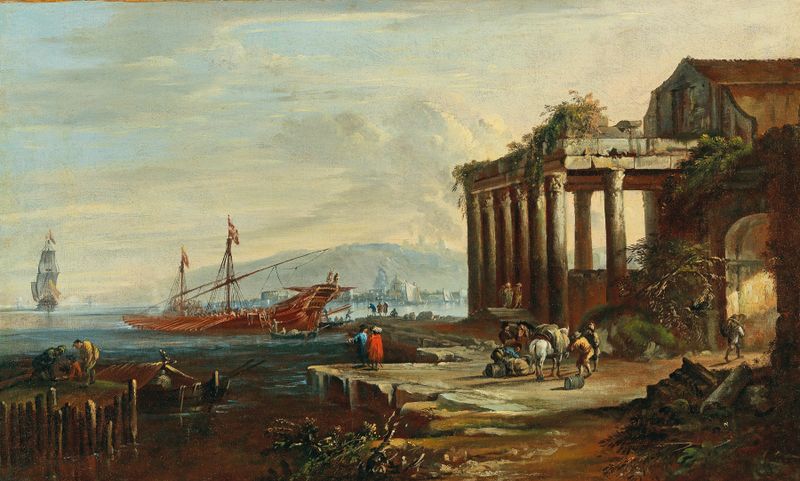
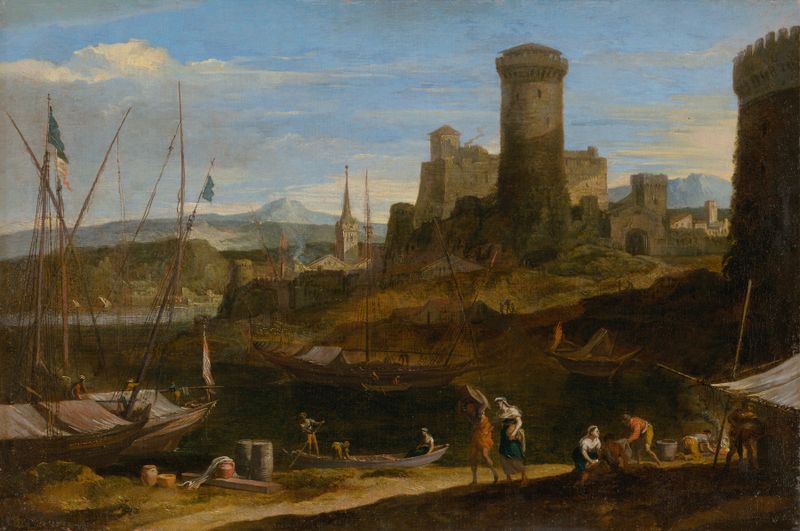
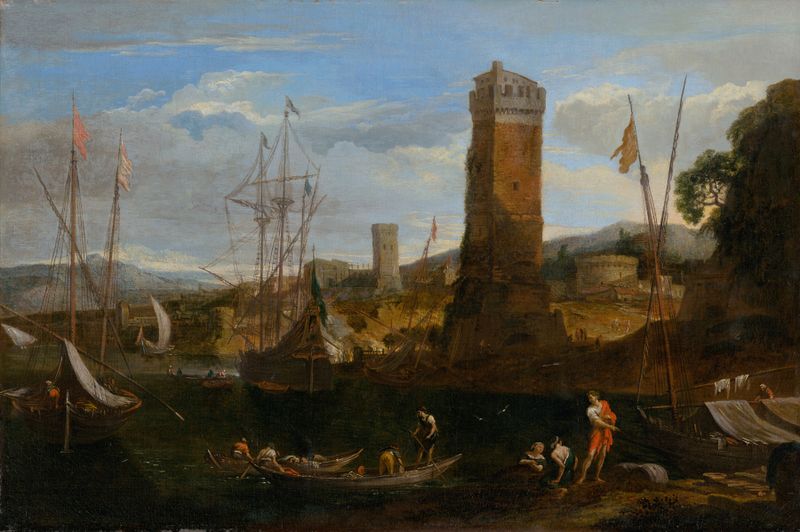
When did color learn to lie? The allure of illusion, painted with masterful strokes, invites us to question the very nature of reality. Look to the left at the vibrant azure of the water, shimmering with an almost ethereal quality. The ships, detailed and intricate, evoke a sense of purpose as they sway gently against the tide, their sails puffed like sails of dreams. Notice how the warm, golden sunlight dances across the surface, illuminating the hulls and casting playful reflections that blur the lines between solidity and fluidity. Beneath the idyllic surface lies a tension between permanence and transience.
The bustling activity of the harbor hints at life’s fleeting moments, where ships come and go, representing journeys taken and stories untold. The contrasting dark shadows lurking at the edges of the scene whisper of the unknown, suggesting that not all is as serene as it appears. Each brushstroke reveals the artist’s intent to capture not merely a harbor, but a crossroads of existence, where the mundane intersects with the extraordinary. Created during an era of artistic exploration, the work emerged from Eismann’s brush in the mid-17th century, a time marked by the flourishing of landscape painting in the Netherlands.
The artist was navigating the complexities of his own life, influenced by the rich traditions of his predecessors while pushing the boundaries of realism. This piece stands as a testament to the interplay of light and form, anchoring the viewer in a moment both vivid and illusive.