
A Moated House — History & Facts
In the stillness of A Moated House, the essence of rebirth permeates the air, hinting at the transformative power of solitude and nature’s embrace. Each detail reflects a moment suspended in time, inviting us to explore the depths of personal reflection and renewal. Look to the left at the house, its serene façade rising gently from the water’s edge, surrounded by lush greenery. Notice how the light dances on the surface of the moat, casting shimmering reflections that mingle with the rich earth tones of the structure.
The delicate interplay of shadow and illumination emphasizes a sense of tranquility, while the carefully rendered trees frame the scene, creating a natural sanctuary that seems to cradle the building within its arms. Within the composition, the moat acts as both a barrier and a bridge, symbolizing the duality of isolation and connection. The encircling water suggests protection but also distance, intensifying the emotional tension of the scene. Each detail—the flutter of leaves, the ripple of water—whispers of untold stories, evoking a timeless cycle of decay and rebirth that resonates deeply with the viewer. During the period when this work was created, Varley was exploring landscapes and natural scenes with a keen eye for light and emotion.
Though the exact date is undetermined, he was active in the early to mid-19th century, a time when Romanticism began to flourish in England. This era was marked by a fascination with nature’s beauty, reflecting a broader cultural movement toward introspection and the sublime.
More Artworks by Cornelius Varley
Browse all →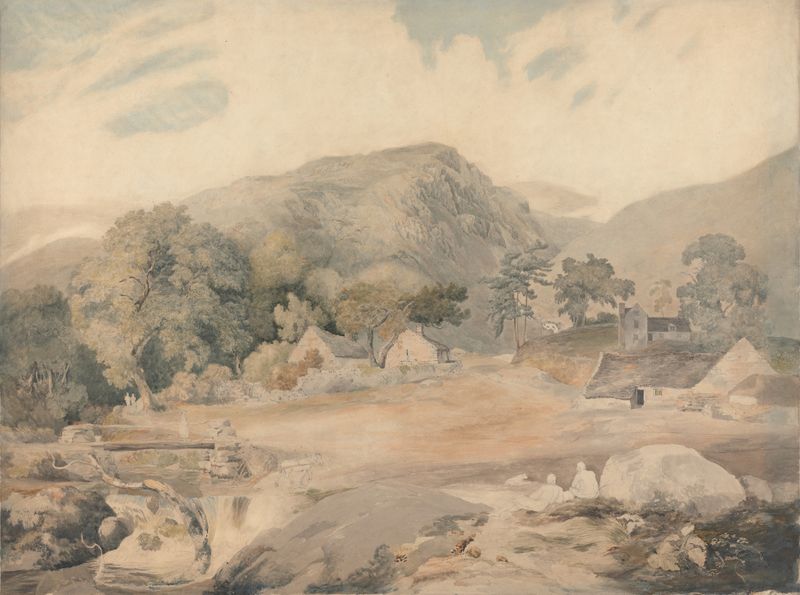
View near Tal-y-Llyn
Cornelius Varley

Remains of Purton Hall, Staffordshire
Cornelius Varley
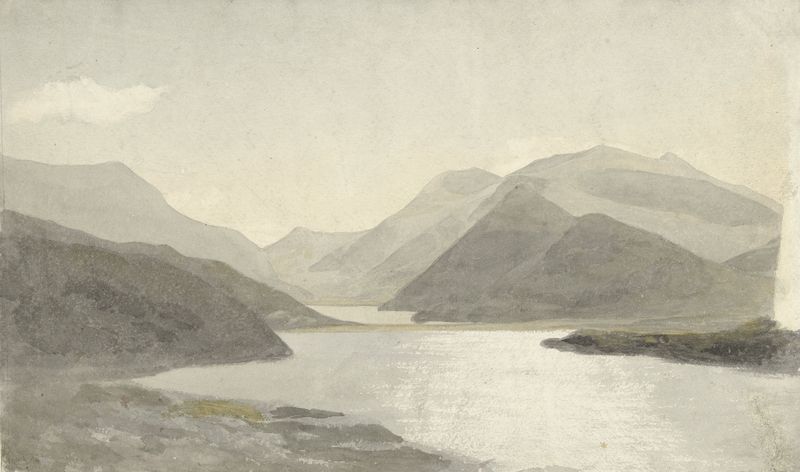
Sunlight over a Lake near Snowdon, Llanberis, North Wales
Cornelius Varley
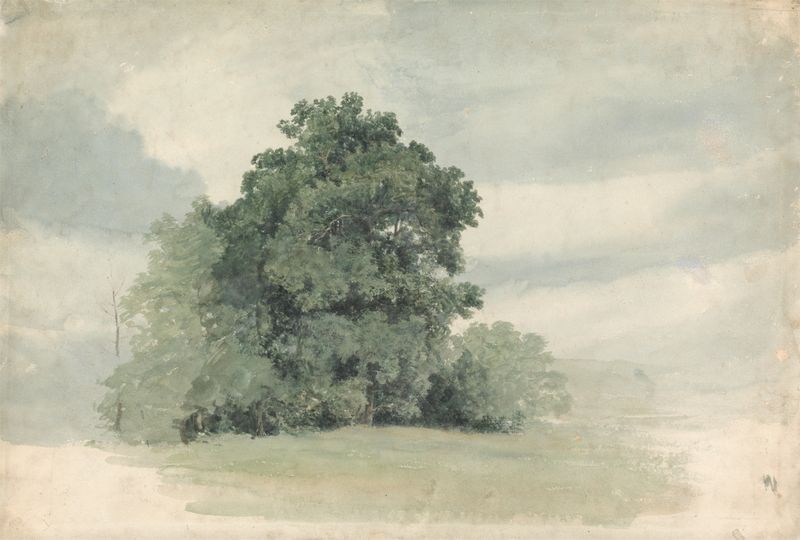
Study of Trees at the Edge of a Field
Cornelius Varley

An Extensive View in Shropshire
Cornelius Varley

Craig Goch, Moel Hebog, North Wales
Cornelius Varley

View of Moel Siabod from Beddgelert, North Wales
Cornelius Varley

Ardfert Cathedral, Kerry, Ireland
Cornelius Varley

A Wooded Lane near Ross
Cornelius Varley
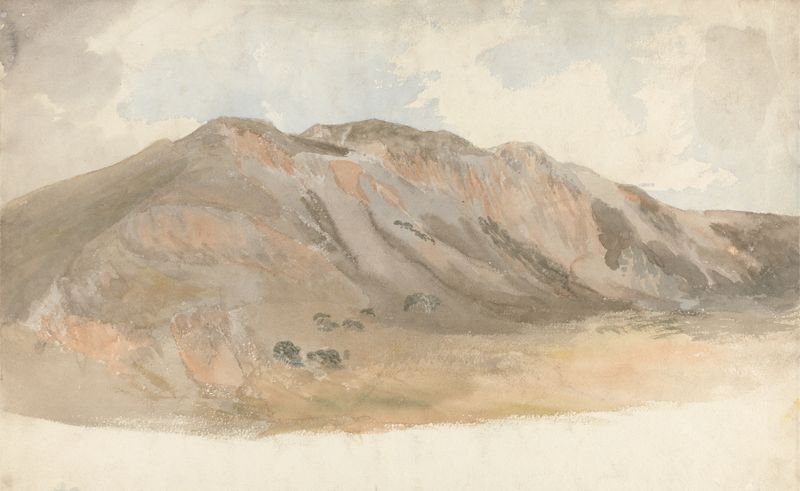
Mountain Landscape, North Wales
Cornelius Varley





