A motif Motiv from Garsten — History & Facts
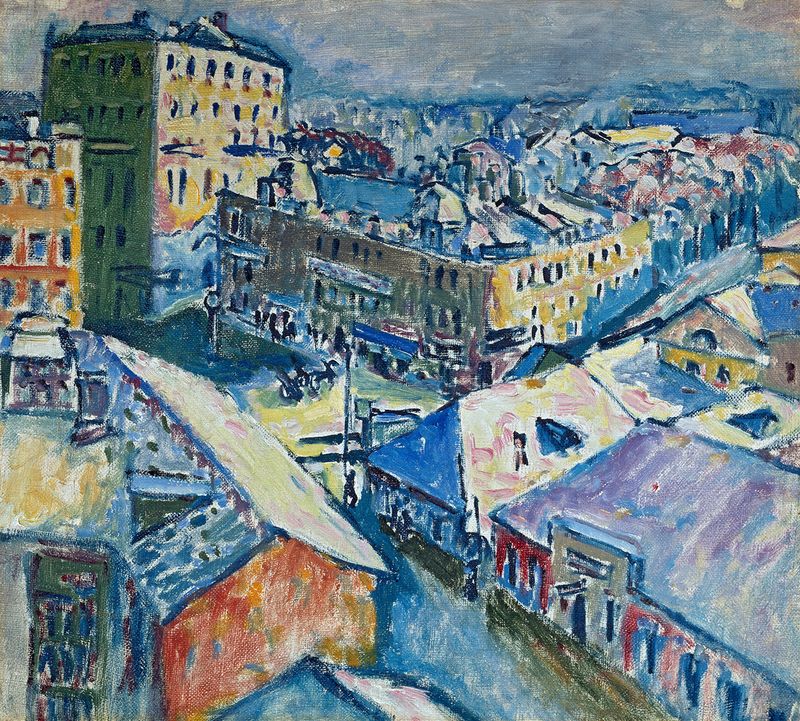
In a world filled with chaos, serenity finds its expression on the canvas, inviting us to pause and breathe deeply amidst life’s relentless pace. Focus first on the gentle curves and soft hues that sweep across the canvas, guiding your eyes toward the central motif. Notice how the artist employs a tranquil palette of greens and blues, evoking a sense of peace and natural harmony. The brushstrokes appear unhurried, each one flowing into the next, creating a soothing rhythm that invites contemplation.
The delicate balance of light and shadow harmonizes with the composition, instilling an enduring calm that resonates through every inch of the work. Hidden within the layers of color are feelings of nostalgia and introspection, as if the artwork yearns to share stories untold. The subtle contrast between the vibrant foreground and a more muted background adds depth, suggesting layers of memory and experience. This juxtaposition evokes an emotional tension—between the known and the unknown, the present and the past—that compels the viewer to explore their own memories while basking in the tranquility. Created in 1913, this piece emerged during a pivotal moment for Fritz Lach, who was developing his unique style that bridged impressionism and modernism.
Living in Europe amidst a backdrop of political and artistic upheaval, Lach sought refuge in nature and color. This period saw a shift towards abstraction, reflecting a broader movement in the art world that embraced deeper emotional truths, a theme that resonates powerfully in this work.
More Artworks by Fritz Lach
Browse all →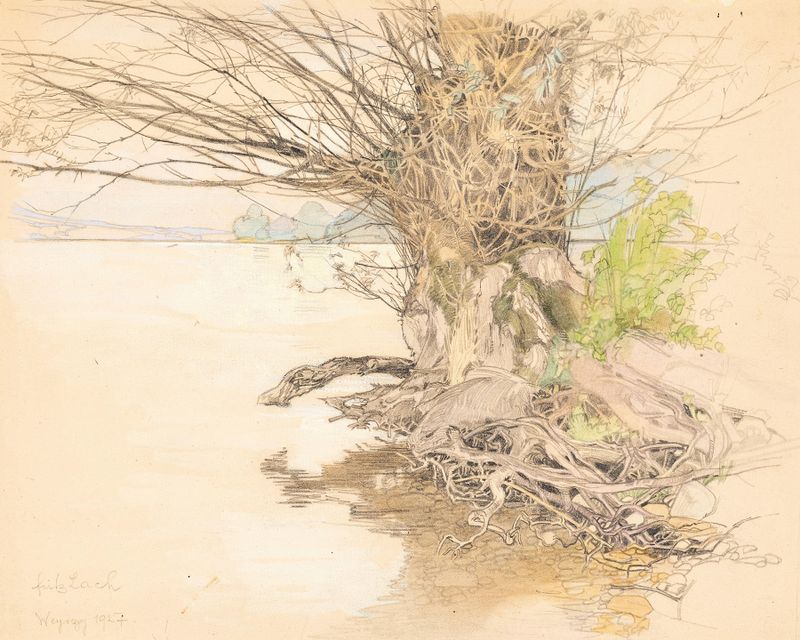
A willow tree at the lake shore
Fritz Lach
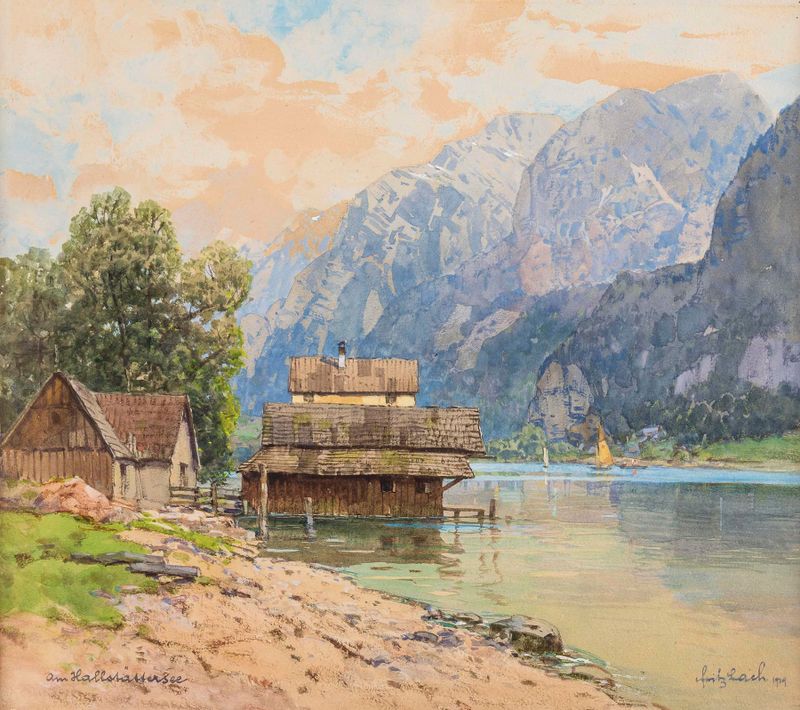
Bootshäuser am Hallstätter See
Fritz Lach
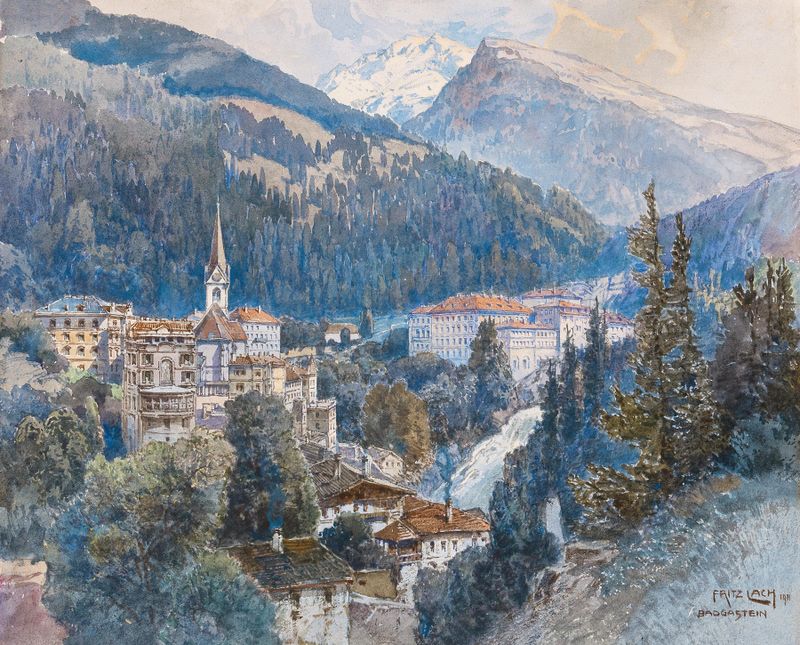
A view of Bad Gastein and the waterfall
Fritz Lach
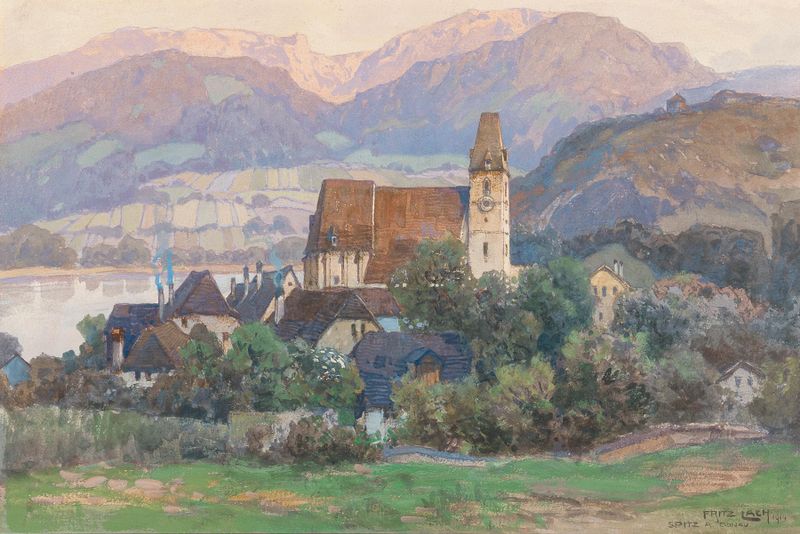
A view of Spitz in the Wachau valley
Fritz Lach
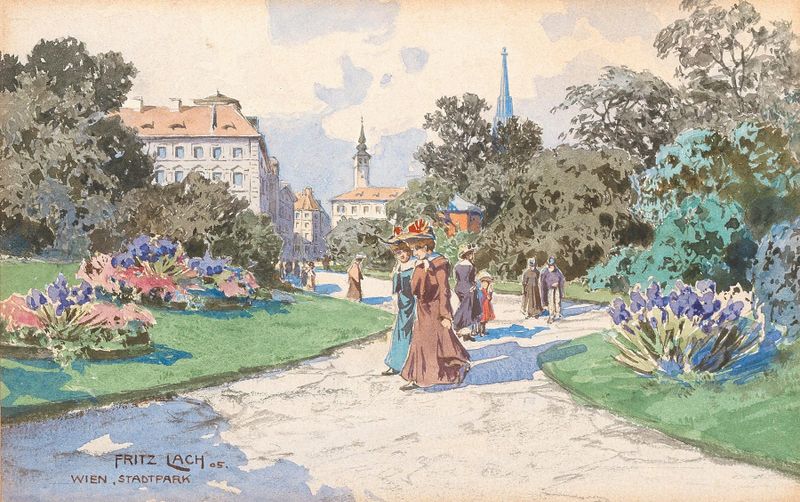
A walk in Vienna’s Stadtpark
Fritz Lach
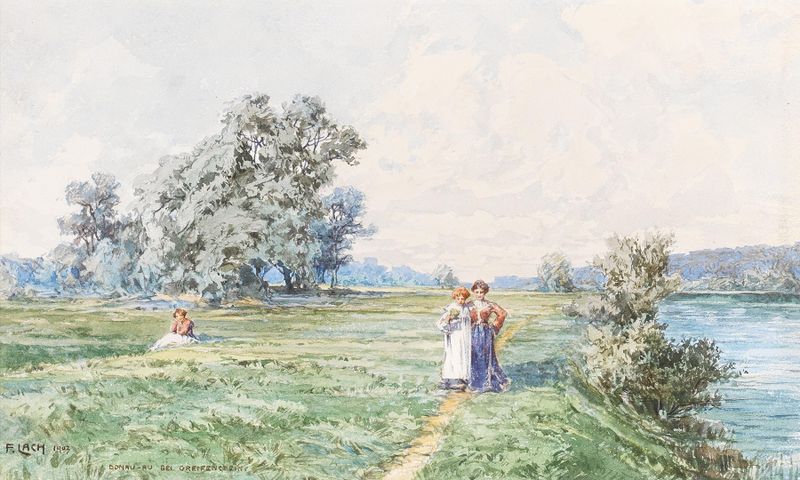
At the Danube near Greifenstein
Fritz Lach
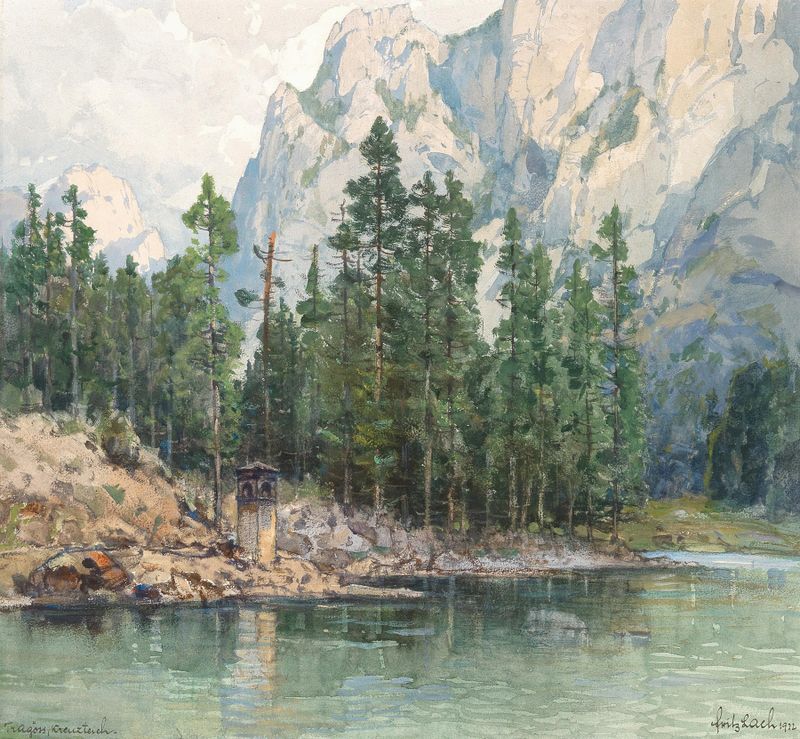
Kreuzteich near Tragöss
Fritz Lach
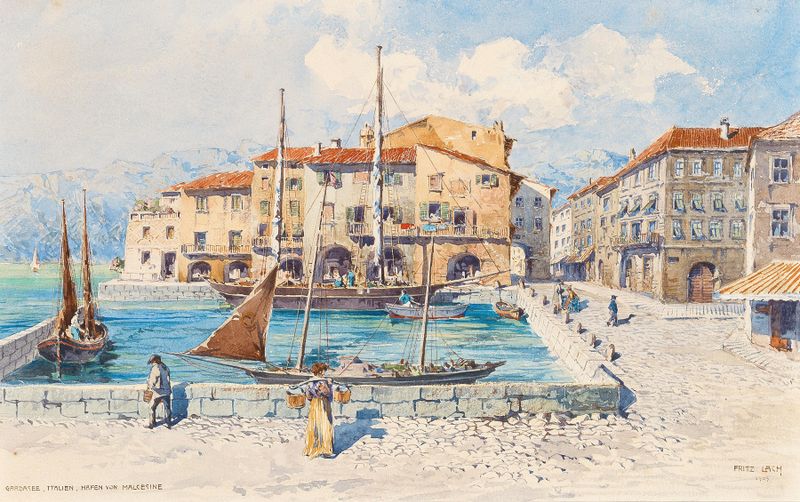
Malcesine near Gardasee
Fritz Lach
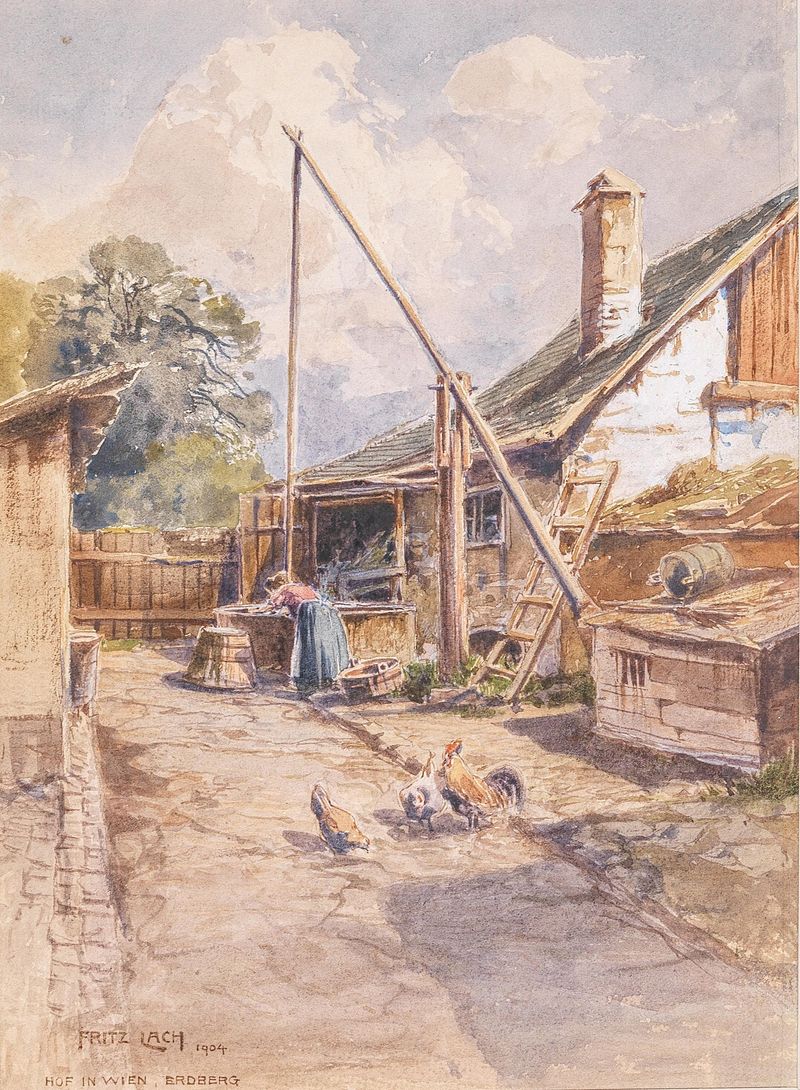
Hof in Wien Erdberg
Fritz Lach
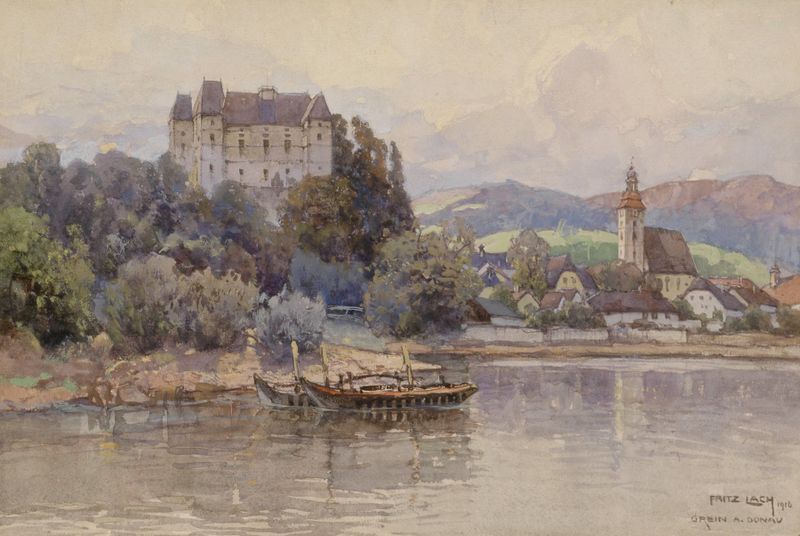
Blick auf Grein an der Donau
Fritz Lach