
A peasant in a high cap, standing leaning on a stick — History & Facts
Can beauty exist without sorrow? In A peasant in a high cap, standing leaning on a stick, the interplay of time and hardship evokes a poignant stillness that challenges this very question. Look to the left at the peasant’s weathered face, where deep lines trace the stories of toil and resilience. The soft, earthy tones of his clothing contrast with the vibrant highlights of the high cap, drawing our gaze upward, as if searching for hope amid life's struggles. Notice how the light gently bathes his figure, revealing the texture of his worn skin and the sturdy wooden stick that supports his weary frame, while encircling shadows create an intimate atmosphere that invites reflection. Beneath the surface, the painting captures a profound tension between dignity and despair.
The peasant's posture—slight yet resolute—speaks to the weight of his existence, embodying the duality of labor and vulnerability. His gaze, directed slightly away from the viewer, suggests a moment of contemplation, allowing us to ponder the passage of time and the unyielding nature of human experience. Here, beauty emerges from the depths of struggle, reminding us that sorrow often fuels the appreciation of life's fleeting joys. In 1639, Rembrandt was firmly establishing his reputation as a master painter in Amsterdam.
Having recently experienced personal and professional upheavals, including financial difficulties and the death of his beloved wife, the artist channeled his life’s complexities into his work. This period marked a shift toward a more intimate and humanistic style, as he sought to explore the emotional landscapes of his subjects, allowing their stories to resonate through the fabric of time.
More Artworks by Rembrandt van Rijn
Browse all →
The Night Watch Militia Company of District II under the Command of Captain Frans Banninck Cocq
Rembrandt van Rijn

The Return of the Prodigal Son
Rembrandt van Rijn

The Hundred Guilder Print: the figures leaning on the wall in the centre left
Rembrandt van Rijn

The Hundred Guilder Print: the central piece with Christ preaching, the plate arched
Rembrandt van Rijn

Isaac and Rebecca, Known as ‘The Jewish Bride’
Rembrandt van Rijn
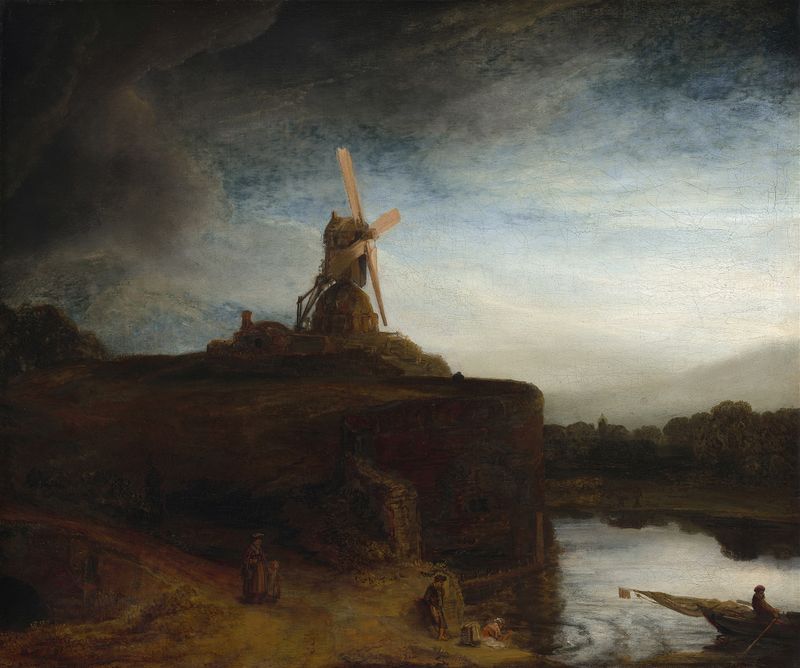
The Mill
Rembrandt van Rijn

The Sampling Officials of the Amsterdam Drapers’ Guild, Known as ‘The Syndics’
Rembrandt van Rijn

The return of the prodigal son
Rembrandt van Rijn
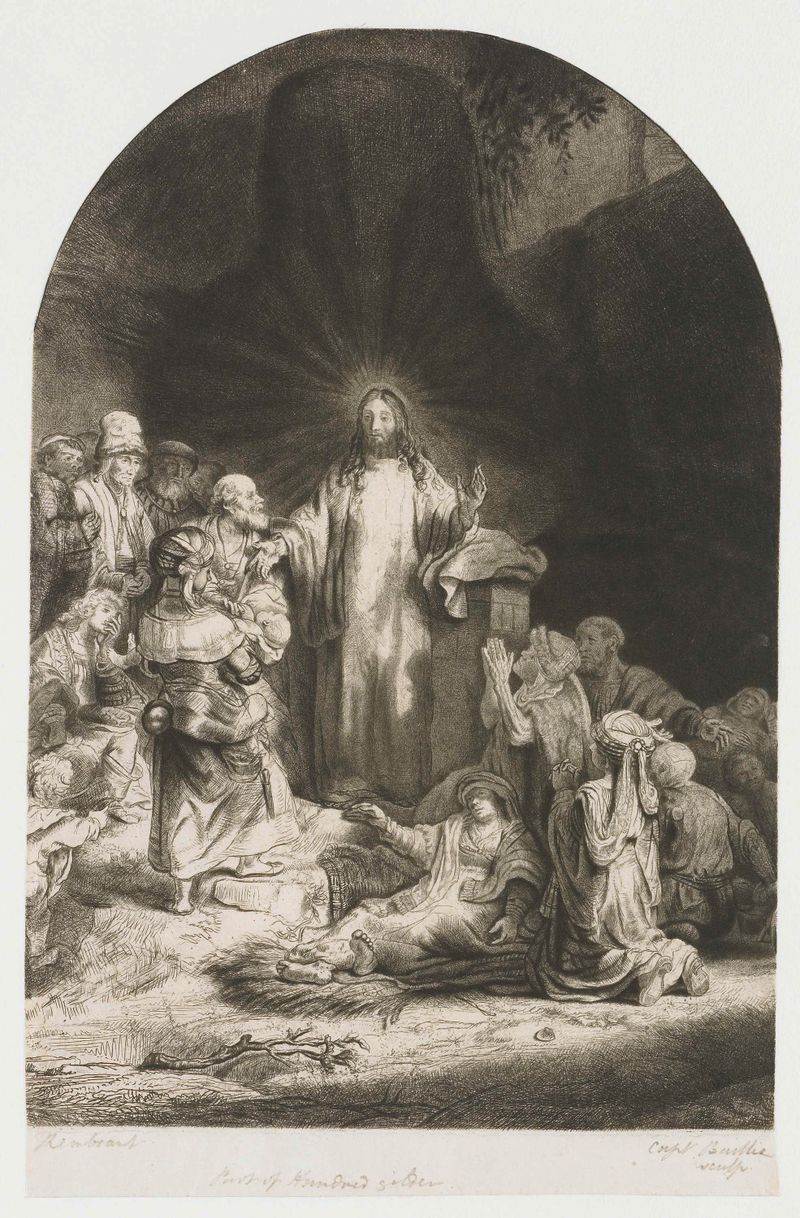
The Hundred Guilder Print: the central piece with Christ preaching, the plate arched
Rembrandt van Rijn

The Hundred Guilder Print: the man seen on the back in the lower left corner
Rembrandt van Rijn
More Portrait Art
Browse all →
Las meninas
Diego Velázquez

Self-portrait with a Bandaged Ear and Pipe
Unidentified artist

Girl with a Pearl Earring
Johannes Vermeer
The Sampling Officials of the Amsterdam Drapers’ Guild, Known as ‘The Syndics’
Rembrandt van Rijn
The Hundred Guilder Print: the man seen on the back in the lower left corner
Rembrandt van Rijn

Portrait of Dr Gachet
Vincent van Gogh