
A River at the White Night — History & Facts
Did the painter know this moment would outlive them? The fleeting encounter with nature holds an undeniable tension, a moment suspended between tranquility and the underlying pulse of fear that life is ephemeral. In A River at the White Night, the shimmering water reflects not just the sky’s hues but also the fraught essence of existence itself. Look to the left at the soft, flowing lines of the river, where hues of cerulean and ochre blend seamlessly. Notice how the light dances upon the surface, creating ripples that seem to whisper secrets of the past.
The trees standing sentinel on the riverbank frame the scene, their dark silhouettes contrasting against the ethereal glow of the early morning light, guiding the gaze toward the horizon where the land meets the vast sky. The brushstrokes evoke a tender tenderness yet hint at an ominous depth beneath the serene facade. The juxtaposition of light and shadow in this painting encapsulates the duality of life—the comfort of dawn's arrival against the unyielding certainty of nightfall. The delicate play of colors suggests hope, yet there’s an intangible weight, a reminder of the fears and uncertainties that lurk in the periphery.
Each brushstroke pulses with emotion, urging viewers to confront their own anxieties as they connect with nature’s beauty and fragility. In 1908, Jan Ciągliński created this work while living in England, far from his native Poland. This period marked a significant evolution in his artistic style, as he embraced the Impressionist movement. As modernity surged and tensions rose across Europe, Ciągliński sought solace in capturing the essence of the natural world, imbuing his landscapes with both beauty and an undercurrent of existential dread.
More Artworks by Jan Ciągliński
Browse all →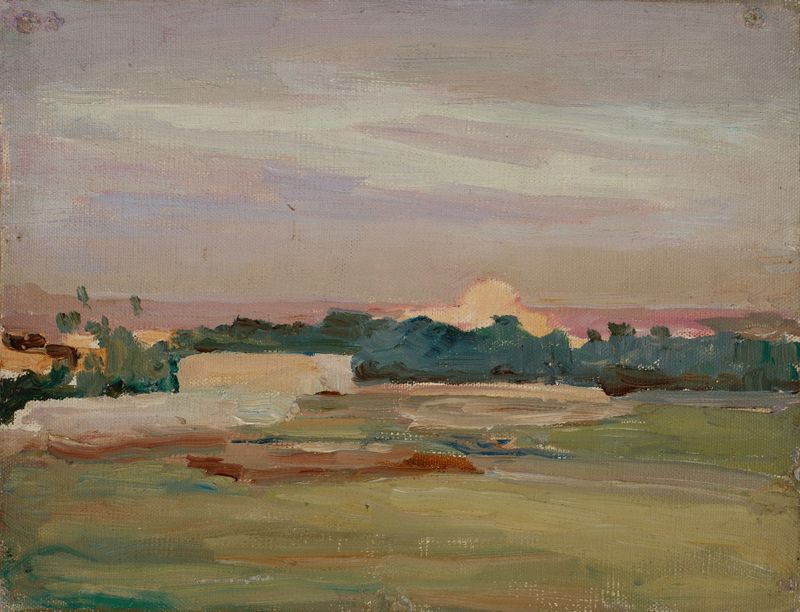
The Sirocco
Jan Ciągliński
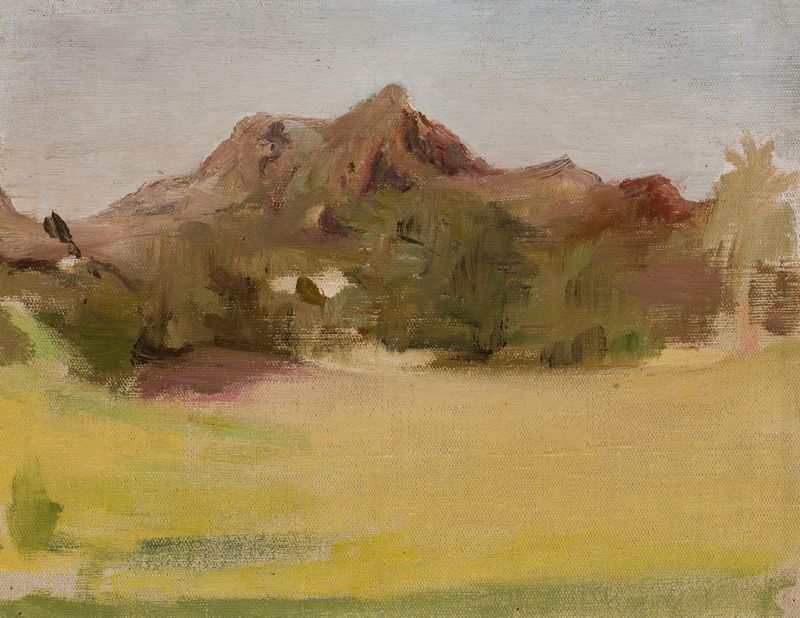
Mountain landscape. From the journey to India
Jan Ciągliński
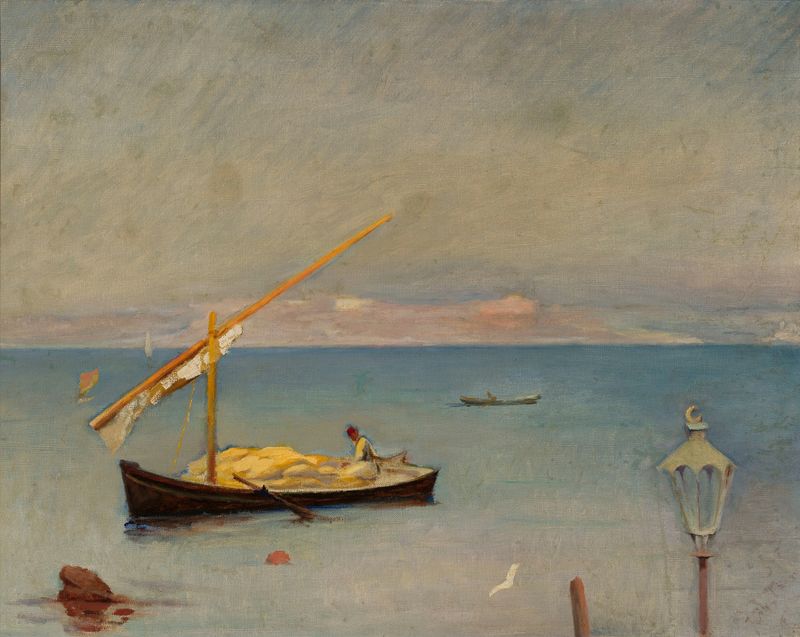
At Bosporus
Jan Ciągliński
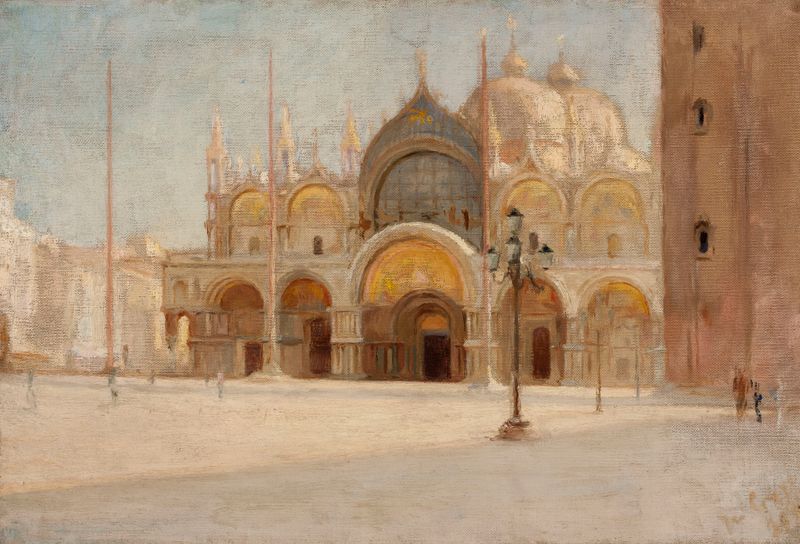
St Mark’s Square in Venice
Jan Ciągliński
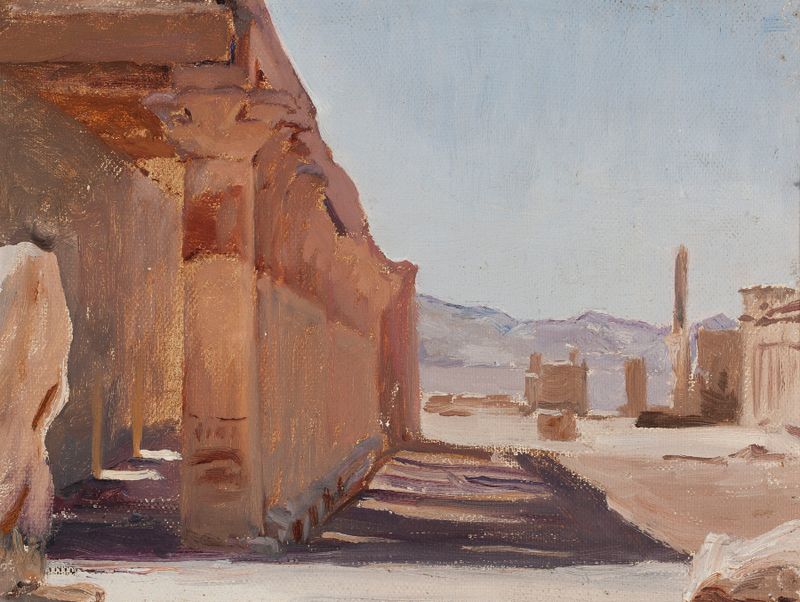
Temple. From the journey to Egypt
Jan Ciągliński
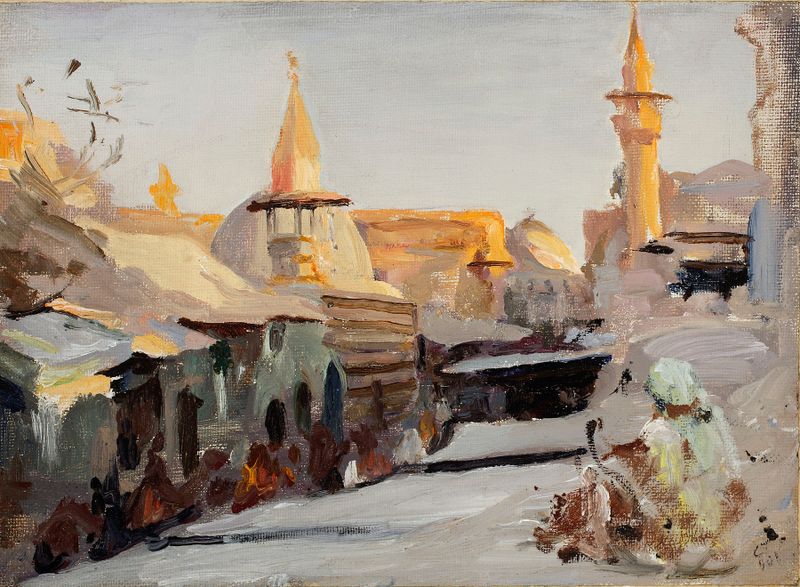
Street in Damascus. From the journey to Palestine
Jan Ciągliński
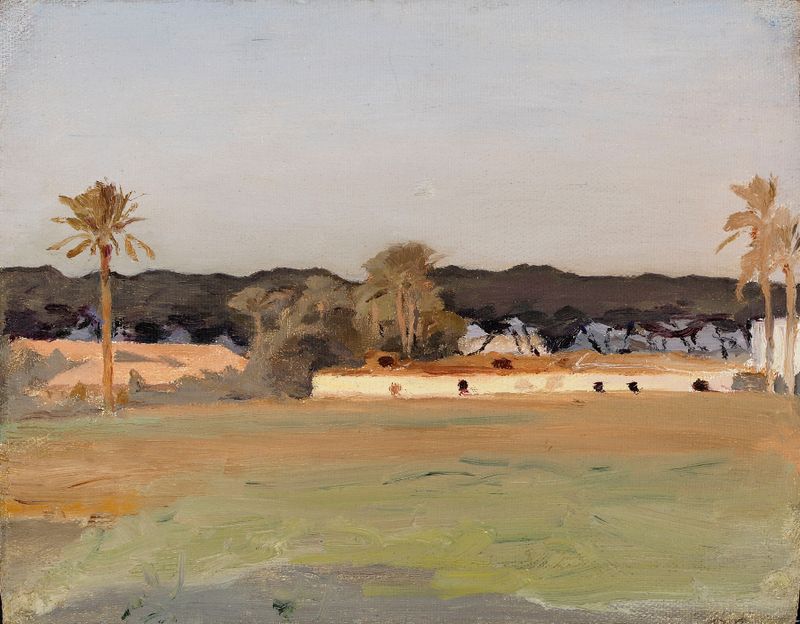
Evening. From the journey to Egypt
Jan Ciągliński
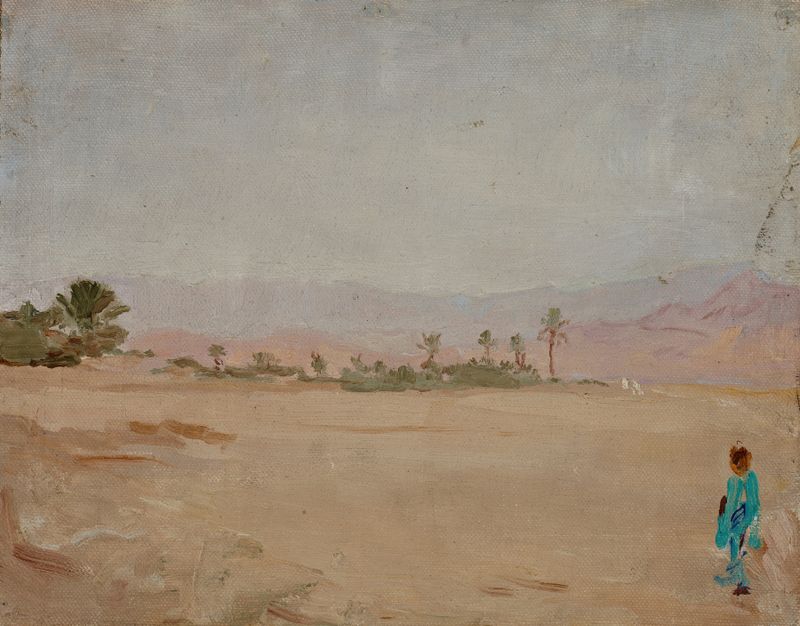
Sahara (Desert)
Jan Ciągliński
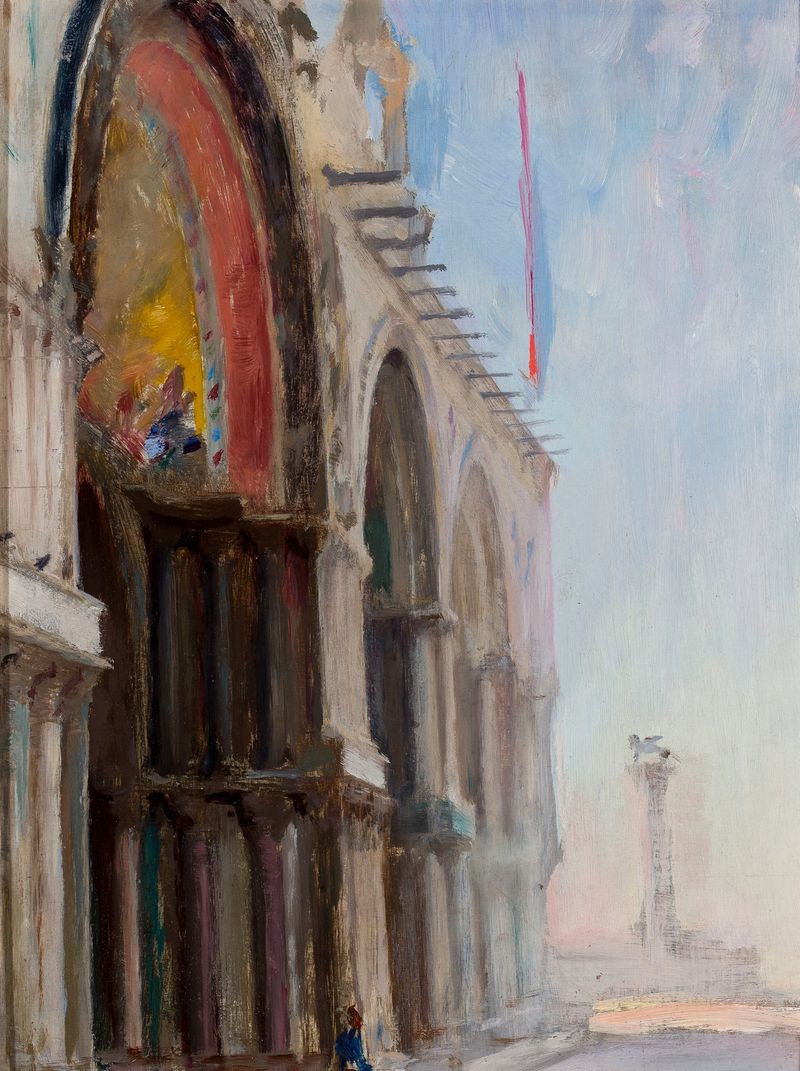
Venice – San Marco. From the journey to Italy
Jan Ciągliński
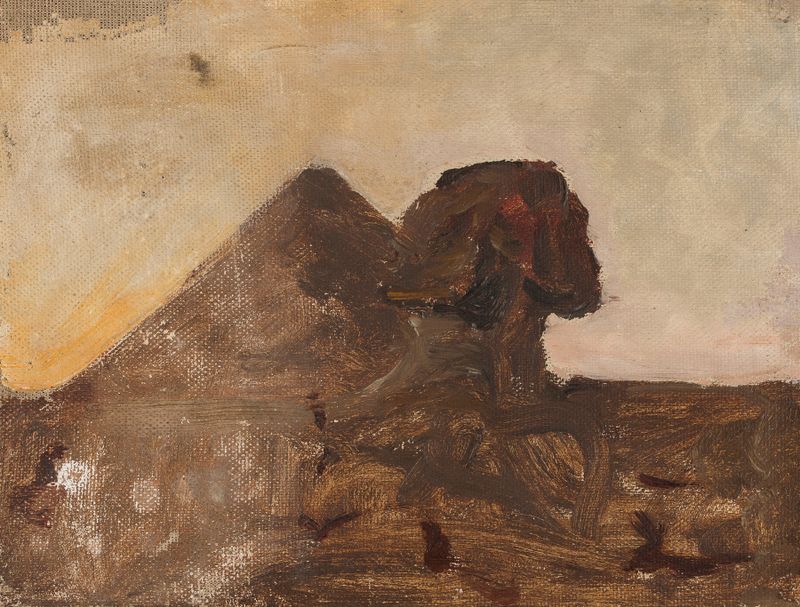
Evening in the desert – Sphinx and pyramid. From the journey to Egypt
Jan Ciągliński





