
A river path — History & Facts
What if silence could speak through light? In A River Path, the whispering of nature intertwines with the gentle flow of water, creating an atmosphere ripe for awakening. Focus on the winding path that leads the eye toward the shimmering water. Notice how the cool greens of the foliage frame the scene, contrasting with the warm hues of sunlight filtering through the trees. The brushwork captures a sense of movement as leaves flutter in a soft breeze, inviting the viewer to step into this serene world.
Light dances on the river's surface, drawing attention to its tranquil flow and beckoning exploration. Yet, beneath the surface of this idyllic landscape lies a tension between stillness and the passage of time. The juxtaposition of vibrant life around the river against the quiet waters suggests contemplation, while the path symbolizes a journey that remains untraveled. Each brushstroke carries a promise of renewal, as if the landscape itself breathes with the potential of what lies ahead. Louis Kinney Harlow painted A River Path in 1888, during a period of personal reflection amidst the blooming American Impressionist movement.
At this time, he was exploring the nuances of light and color, often finding solace in nature's beauty. His work embodies a shift toward capturing the fleeting moments of everyday life, responding to an era hungry for both artistic innovation and emotional depth.
More Artworks by Louis Kinney Harlow
Browse all →
West Chop Light, Vineyard Sound, Mass.
Louis Kinney Harlow
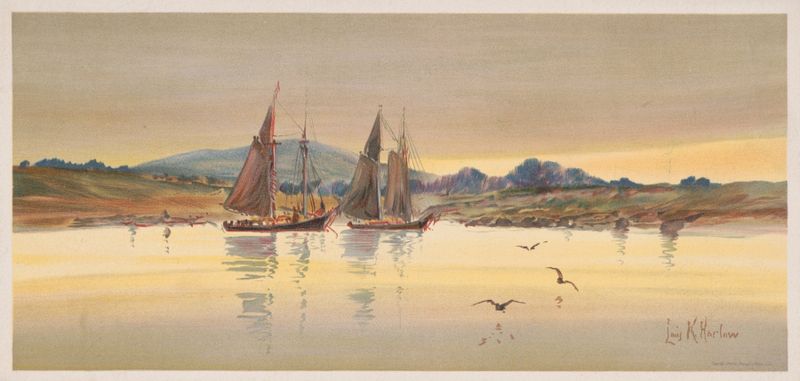
Sunset in Rockland Harbor
Louis Kinney Harlow
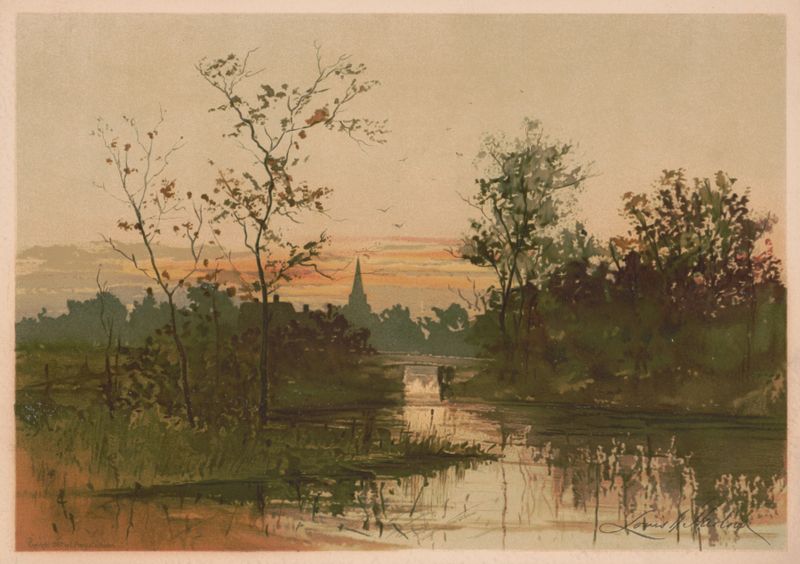
Nemasket River, Maine
Louis Kinney Harlow

Castine, Maine
Louis Kinney Harlow

A bit of Monhegan, Maine
Louis Kinney Harlow
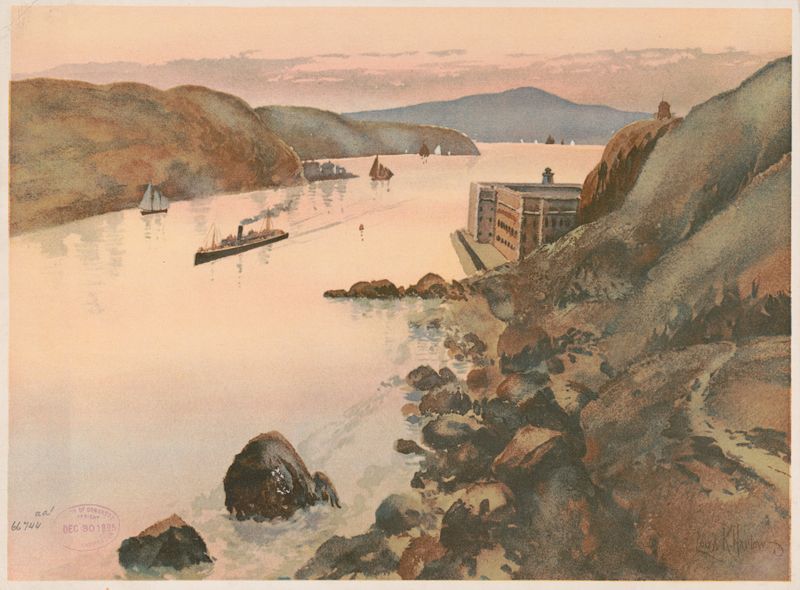
Fortifications and Golden Gate
Louis Kinney Harlow

Blue Hills, Camden, Me.
Louis Kinney Harlow

Near Boothbay Harbor, Maine coast
Louis Kinney Harlow

Evening rest
Louis Kinney Harlow

Two fishermen
Louis Kinney Harlow





