
Nemasket River, Maine — History & Facts
When did color learn to lie? The vibrant hues of Nemasket River, Maine swirl and dance, masking the turbulent undercurrents of emotion and conflict that lie beneath their picturesque surface. Look to the left at the deep greens and blues that cradle the river, inviting your gaze to follow its serpentine path. The brushstrokes are alive, each stroke a testament to both the artist’s fervor and the chaotic beauty of nature. Notice how the sunlight filters through the foliage, casting dappled light upon the water, creating a serene façade that belies its hidden tumult, as if the landscape holds its breath in anticipation of a storm. Yet, beneath this serene exterior, there is an underlying tension.
The juxtaposition of the tranquil scene with the forced vibrancy of color suggests a world fraught with violence, a reminder that beauty often conceals darker truths. The swirling patterns of the water seem to echo feelings of unrest, urging the viewer to question the harmony presented. The vibrant colors, rather than merely pleasing, provoke discomfort and challenge the viewer to confront what lies beneath the surface. In 1887, while Harlow painted this work in Maine, he was grappling with the increasing industrialization of America and its impact on natural landscapes.
Emerging from an era where art was beginning to embrace both realism and impressionism, Harlow sought to capture not just the beauty of his surroundings but also the complexities inherent within them. This painting reflects a moment when artists were beginning to explore the emotional landscapes that could be rendered through color and form.
More Artworks by Louis Kinney Harlow
Browse all →
West Chop Light, Vineyard Sound, Mass.
Louis Kinney Harlow
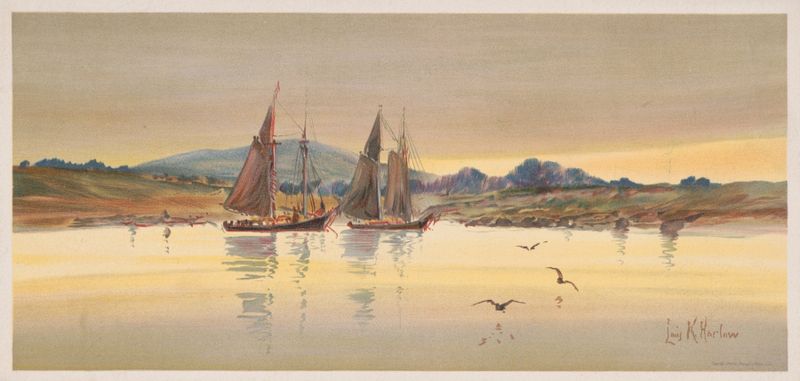
Sunset in Rockland Harbor
Louis Kinney Harlow
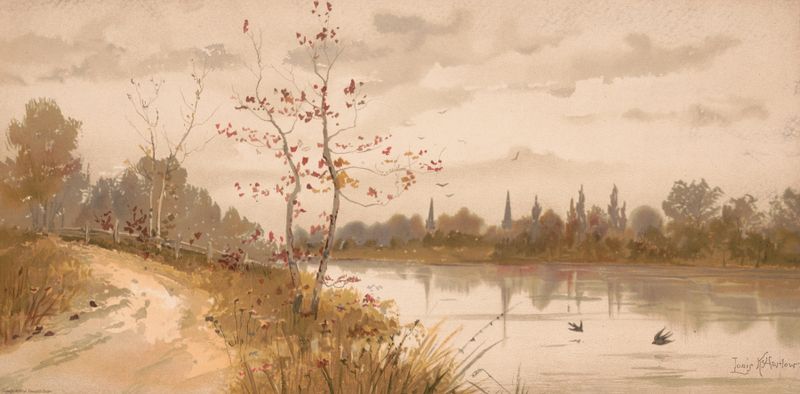
A river path
Louis Kinney Harlow

Castine, Maine
Louis Kinney Harlow

A bit of Monhegan, Maine
Louis Kinney Harlow
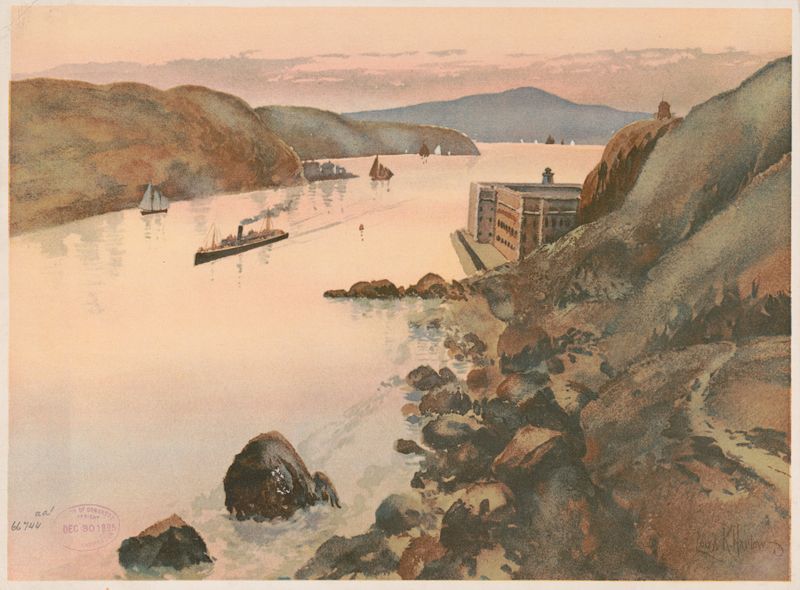
Fortifications and Golden Gate
Louis Kinney Harlow

Blue Hills, Camden, Me.
Louis Kinney Harlow

Near Boothbay Harbor, Maine coast
Louis Kinney Harlow

Evening rest
Louis Kinney Harlow
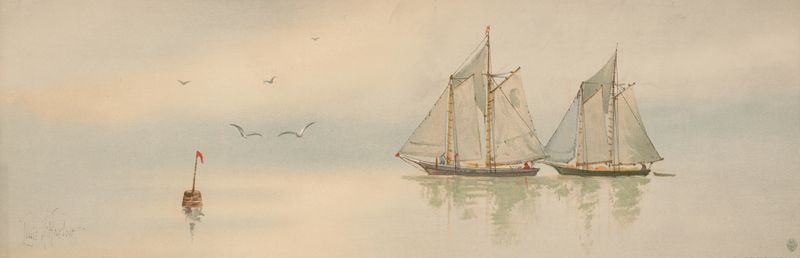
Two fishermen
Louis Kinney Harlow





