
A Rye Field near Ring Village — History & Facts
Can beauty exist without sorrow? The vibrant hues of A Rye Field near Ring Village stir a dialogue between joy and melancholy, inviting us to ponder the complexities of life itself. Look to the left, where golden stalks of rye sway gently under the soft caress of a late afternoon sun. The painter’s brush captures the rich textures of the field, each stroke a testament to the summer's embrace. Shift your gaze to the blues and greens of the distant landscape, a serene backdrop that contrasts with the foreground's vibrancy, while wispy clouds drift lazily across the sky.
Here, the color palette sings — warm yellows interspersed with deep greens create a rhythm that pulls the viewer deeper into this rural scene. In the interplay of light and shadow, there lies a poignant tension. The amber waves of grain seem to dance in the breeze, evoking the fleeting nature of joy, while the stillness of the horizon hints at life’s inevitable sorrows. The absence of figures suggests both solitude and the vastness of human experience, reminding us that even in beauty, a trace of sadness can linger, shaping our understanding of existence. In 1887, Ring was deeply engaged in the Skagen artist colony, where he explored the Danish landscape's rural beauty.
This period marked a significant time in his artistic development, as he began to merge realism with emotional depth. The vibrant colors and serene compositions reflected both personal introspection and a broader movement in the art world towards capturing the essence of nature and human emotion.
More Artworks by Laurits Andersen Ring
Browse all →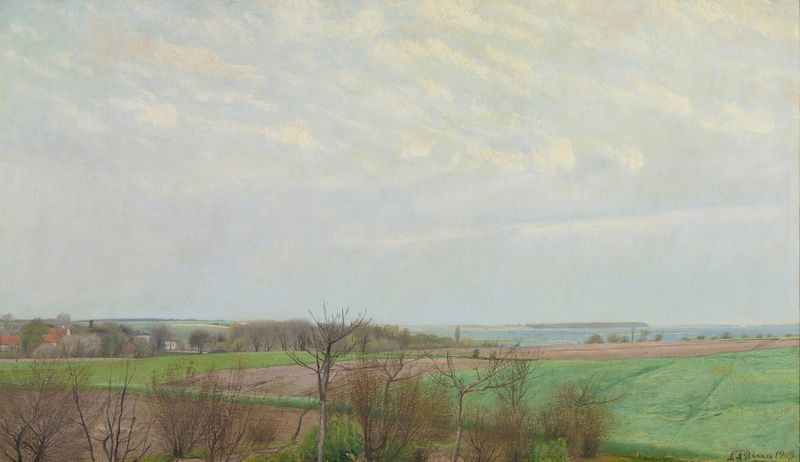
View Of Roskilde Fjord, Early Spring
Laurits Andersen Ring
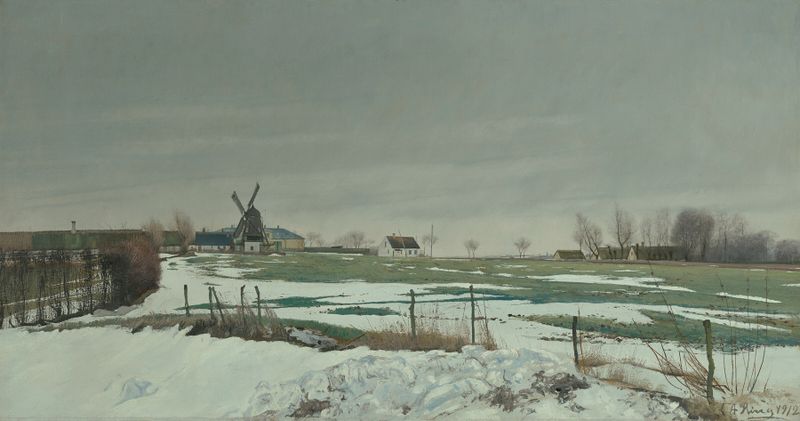
Winter landscape with a windmill
Laurits Andersen Ring
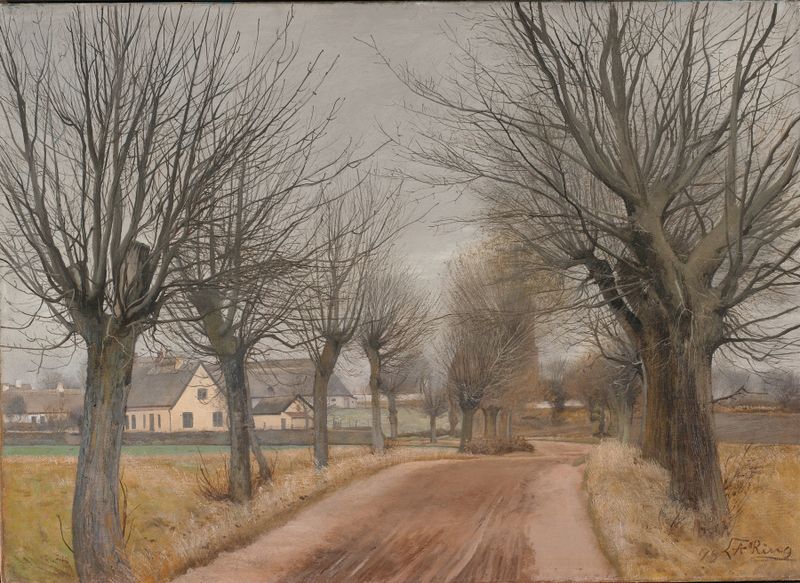
A Road near Vinderød, Zealand
Laurits Andersen Ring
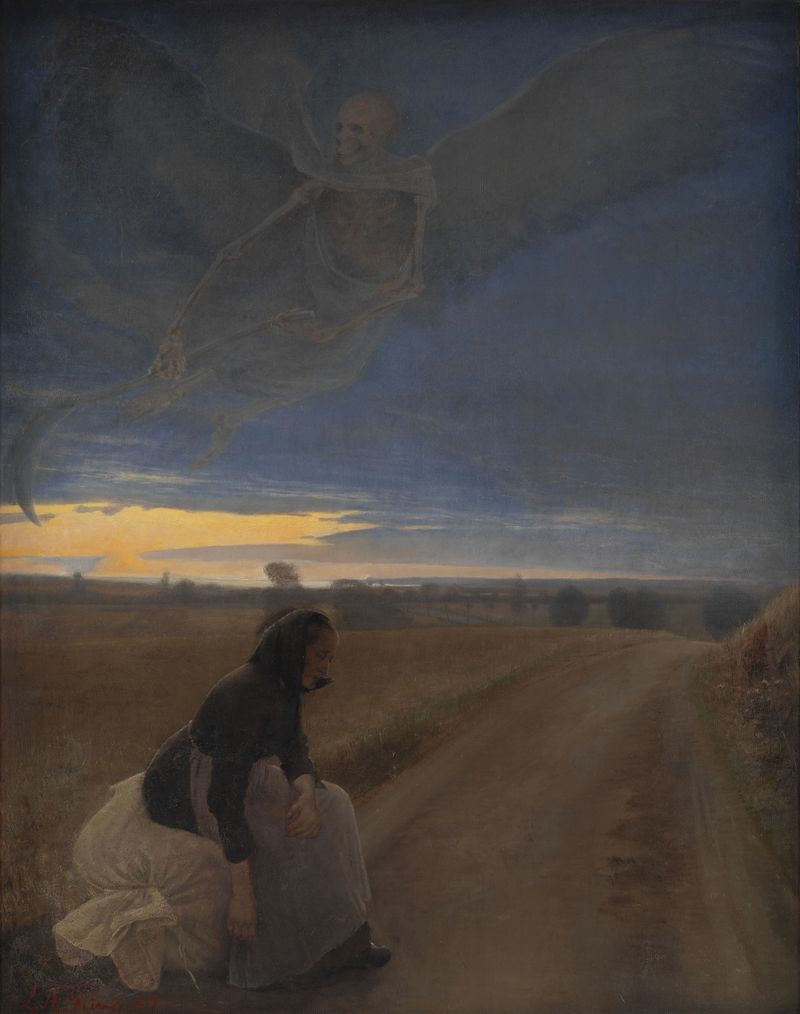
Evening
Laurits Andersen Ring
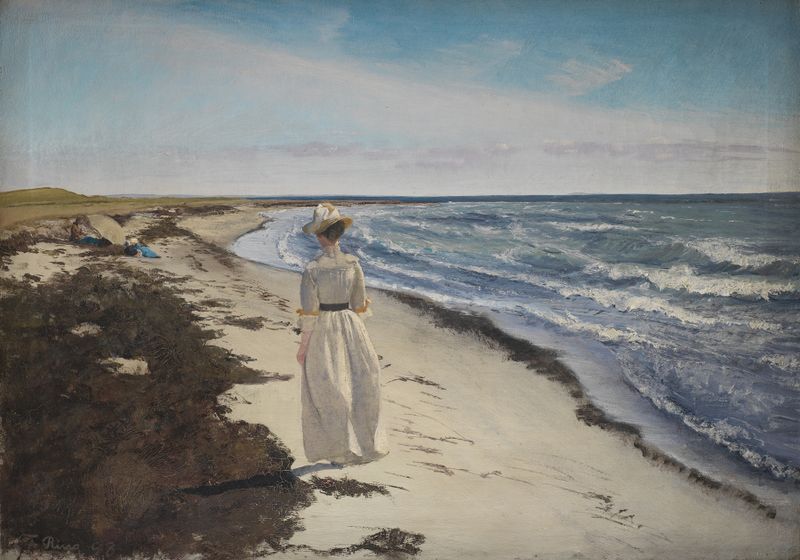
Lady at Karrebæksminde Beach, Zealand
Laurits Andersen Ring
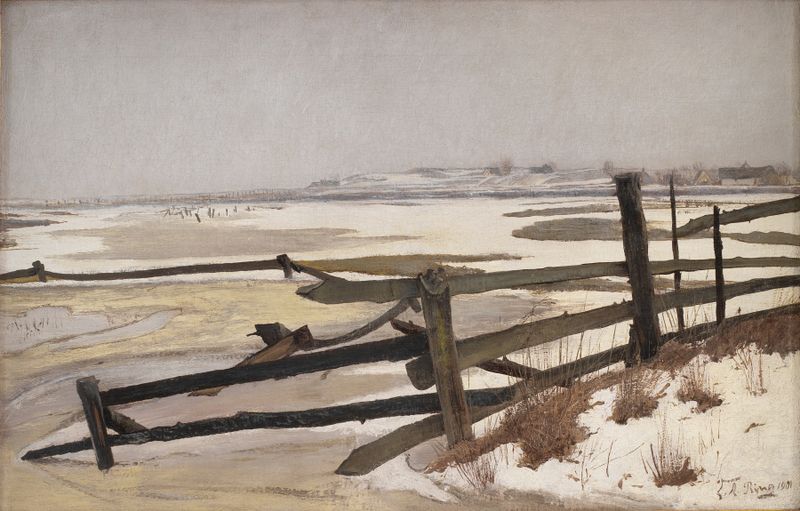
Thaw
Laurits Andersen Ring
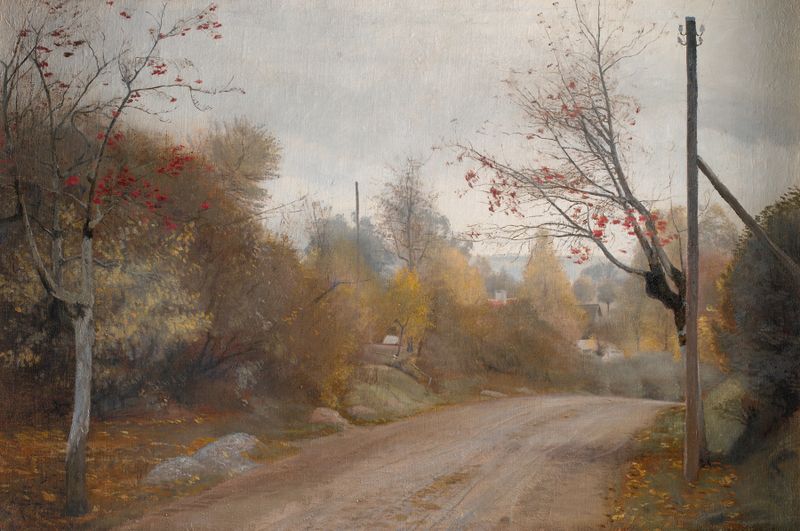
The Road at Mogenstrup, Zealand. Autumn
Laurits Andersen Ring
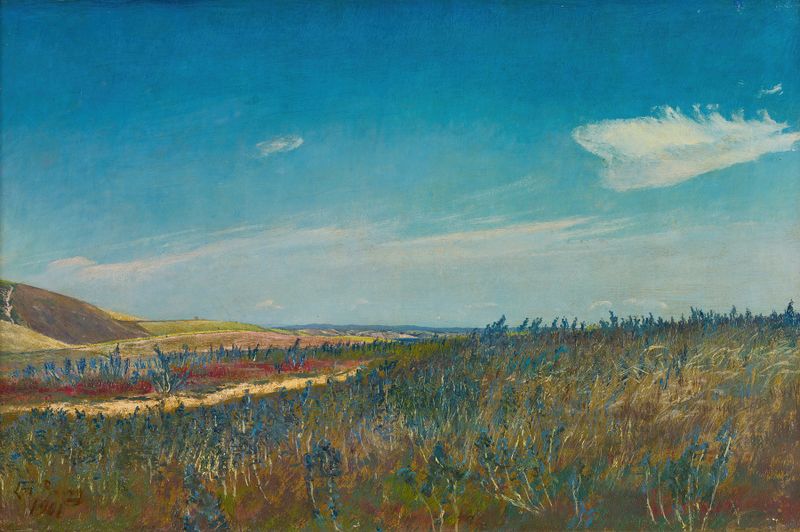
View Near Karrebaeksminde In North Zealand
Laurits Andersen Ring
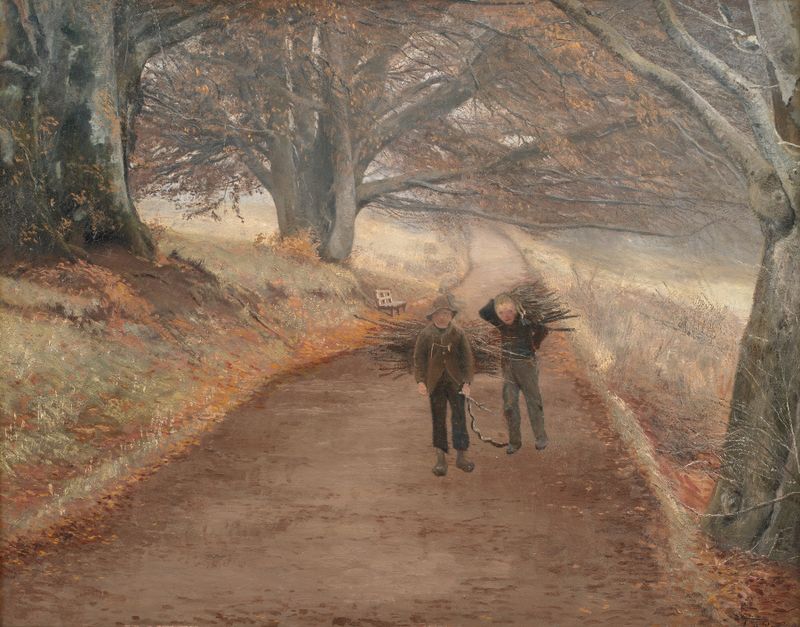
Footpath near Herlufsholm, Zealand
Laurits Andersen Ring
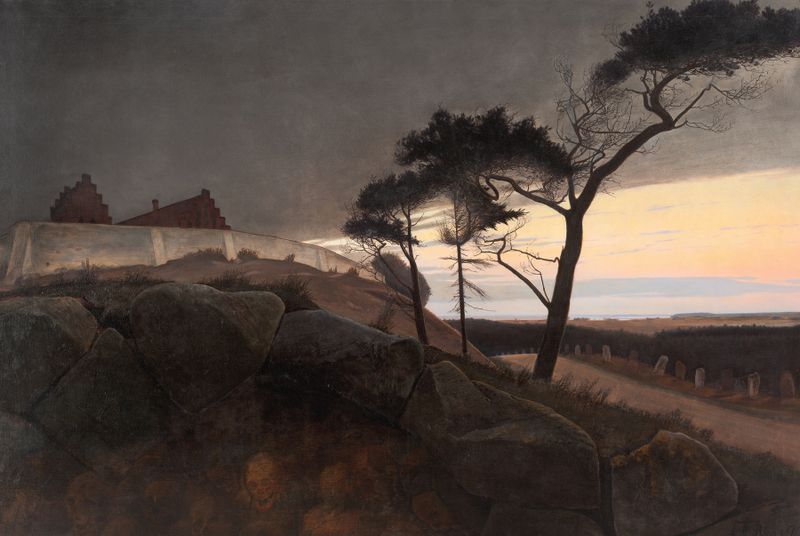
After Sunset
Laurits Andersen Ring





