
A Sailing Dinghy with Three Men Leaving a Rocky Inlet — History & Facts
Could a single brushstroke hold eternity? In A Sailing Dinghy with Three Men Leaving a Rocky Inlet, the serene yet dynamic interplay between the figures and the seascape invites deep reflection on the fleeting nature of existence and the illusion of freedom. Focus on the delicate play of light as it dances across the surface of the water. Notice how the sun's rays seem to fracture into myriad colors, enveloping the small dinghy in a gentle glow. The men, captured in the midst of their departure, draw the eye with their contrasting postures—one leans forward with eager anticipation, while another gazes back at the rocky enclave, a subtle symbol of past ties.
The palette is rich and harmonious, combining soft blues with earthy tones, emphasizing the unity of man and nature, as if both are embarking on a shared journey. Look closely at the details—the rugged rocks that frame the inlet suggest stability and permanence, while the fragile boat represents the precariousness of life’s choices. This contrast between the solid and the transient creates an emotional tension, echoing the universal struggle between the desire for adventure and the comfort of familiarity. The gentle waves, tenderly lapping against the hull, serve as a reminder of time’s relentless passage, blurring the line between reality and illusion. Joseph Farington painted this work during an undated period in his career, likely amidst a growing fascination with marine subjects in British art.
The late 18th century was marked by a shift towards romanticism, where nature was celebrated for its beauty and power. As Farington navigated his own artistic path, he contributed to this movement, capturing the essence of both the seen and the unseen, inviting viewers to ponder the depth beneath the surface.
More Artworks by Joseph Farington
Browse all →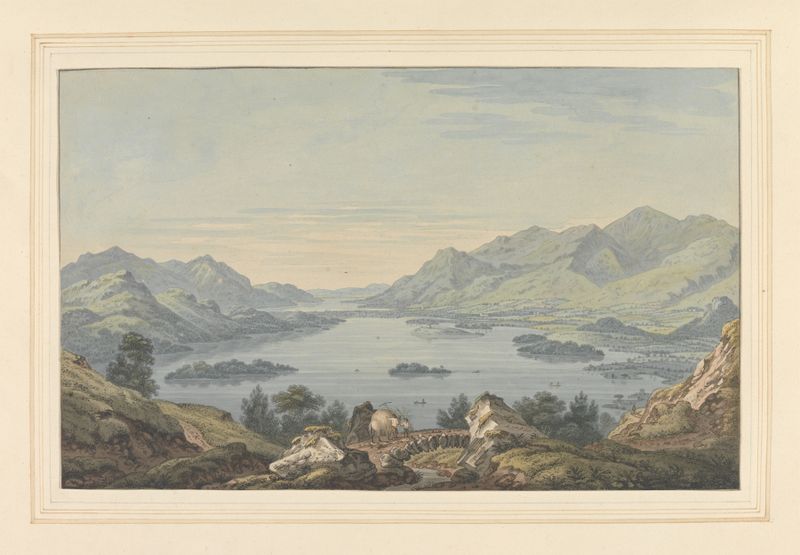
Vale of Keswick and Derwent Water
Joseph Farington

Caernarvon Castle
Joseph Farington

Grange of Borrodale
Joseph Farington
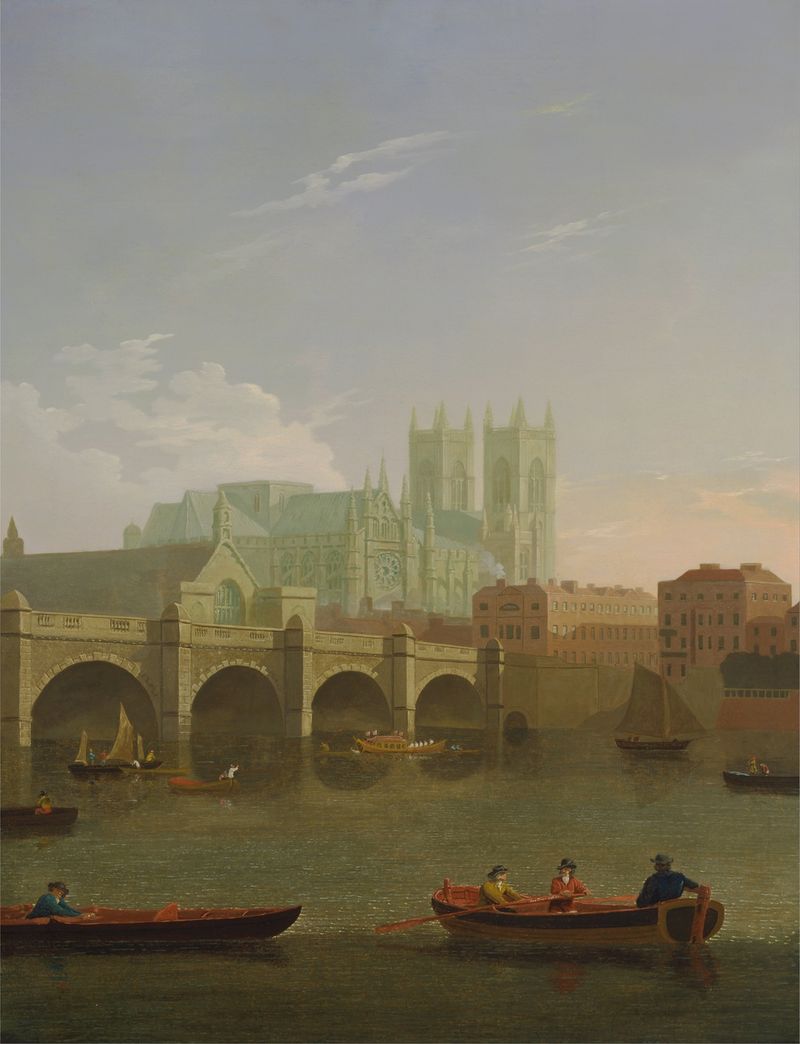
Westminster Abbey and Bridge
Joseph Farington

Dumbarton Rock from the South
Joseph Farington
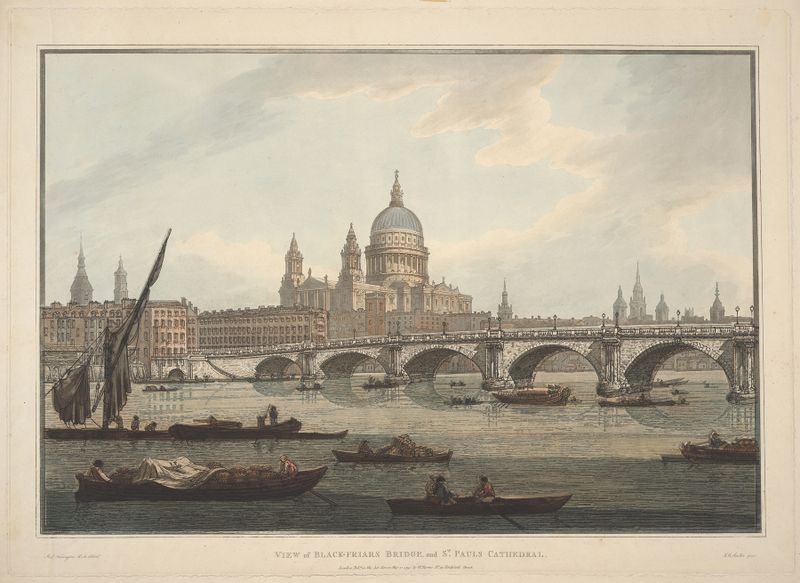
A View of Blackfriars Bridge and St. Paul’s Cathedral
Joseph Farington

Lodore Rocks — fall & cottage
Joseph Farington

No. View on the Road from Ambleside to Keswick from 6 mile Stone
Joseph Farington
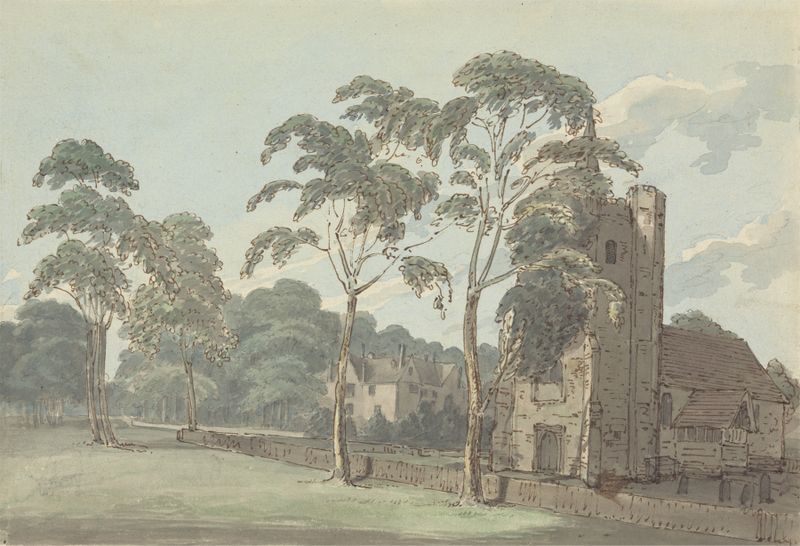
A Church at Stanstead
Joseph Farington

Lower End of Ullswater
Joseph Farington





