A Scene in Grado — History & Facts
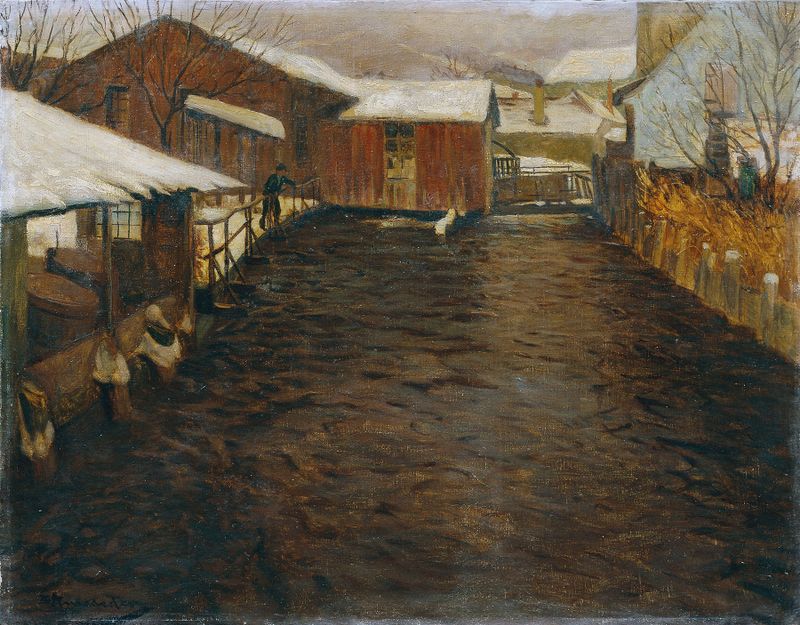
What if silence could speak through light? In the stillness of a moment, vivid emptiness unfolds, whispering stories untold beneath a delicate veil of brushstrokes. Look to the left at the ethereal horizon, where soft hues of cerulean and gentle pastels merge, crafting a tranquil sea that invites contemplation. Notice how the light cascades across the water's surface, creating a shimmering path that leads the eye into the unknown. The composition is minimalistic yet profound; each element is intentional, drawing attention to both the simplicity and depth of the scene, evoking a sense of solitude. As you delve deeper, the emotional tension between presence and absence becomes evident.
The empty boats that rest idly on the shore serve as poignant symbols of longing, while the fading light suggests a fleeting moment, a reminder of time’s passage. The juxtaposition of vibrant colors against the void of space evokes introspection, making viewers confront their own feelings of isolation and serenity. Eduard Ameseder painted A Scene in Grado during a period of exploration in his artistic career, likely influenced by the serene landscapes of his surroundings. Although the exact date remains unknown, Ameseder’s works often reflect a longing for connection amid the solitude of nature, embodying the quiet aspirations of an artist seeking to capture the transient beauty of life.