
A shaded pathway in the Orient — History & Facts
Beneath the tranquil surface of A shaded pathway in the Orient, lies an intricate dance between the familiar and the elusive, a truth waiting to be unveiled. Focus on the path that meanders through the canvas, leading your gaze deeper into the lush greenery. Notice how Sargent captures the dappled light filtering through the foliage; the interplay of light and shadow breathes life into every leaf and stone. The rich greens are punctuated by soft, earthy browns, creating a sense of warmth and invitation.
Each brushstroke conveys not just the physical beauty of the scene, but an emotional undercurrent that beckons the viewer to wander and reflect. As you delve further, consider the delicate contrast between the vibrant life along the path and the quietude that envelops it. This juxtaposition speaks to the tension between discovery and introspection, suggesting that every journey holds both adventure and contemplation. The slight bend of the pathway hints at secrets just out of sight, engaging your curiosity and instilling a sense of longing.
The composition is simultaneously open and intimate, inviting you to experience the moment on a deeper level. Between 1891 and 1895, the artist worked on this piece while residing in France. It was a transformative time in his career as he embraced plein air painting, influenced by the Impressionist movement. Sargent was becoming known for his ability to capture the ephemeral effects of light and atmosphere, a skill that would define his legacy in art history.
More Artworks by John Singer Sargent
Browse all →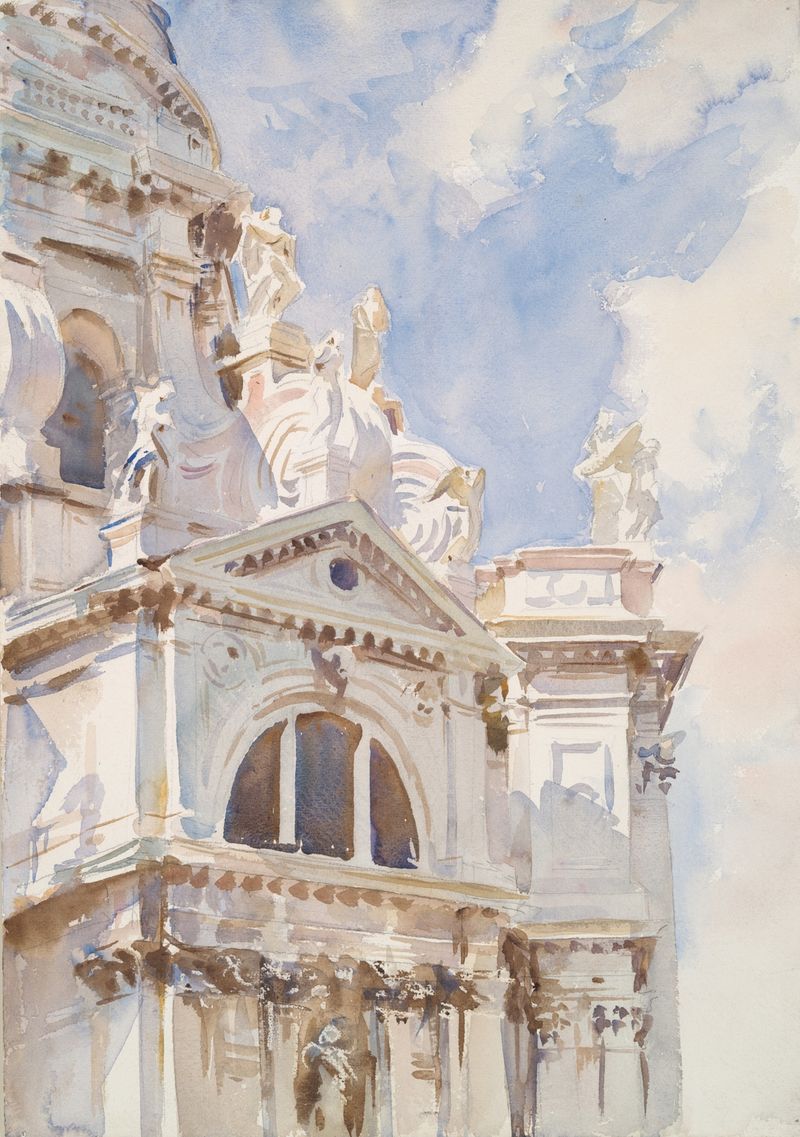
The Salute, Venice
John Singer Sargent

Mrs. Charles Deering (Marion Denison Whipple)
John Singer Sargent
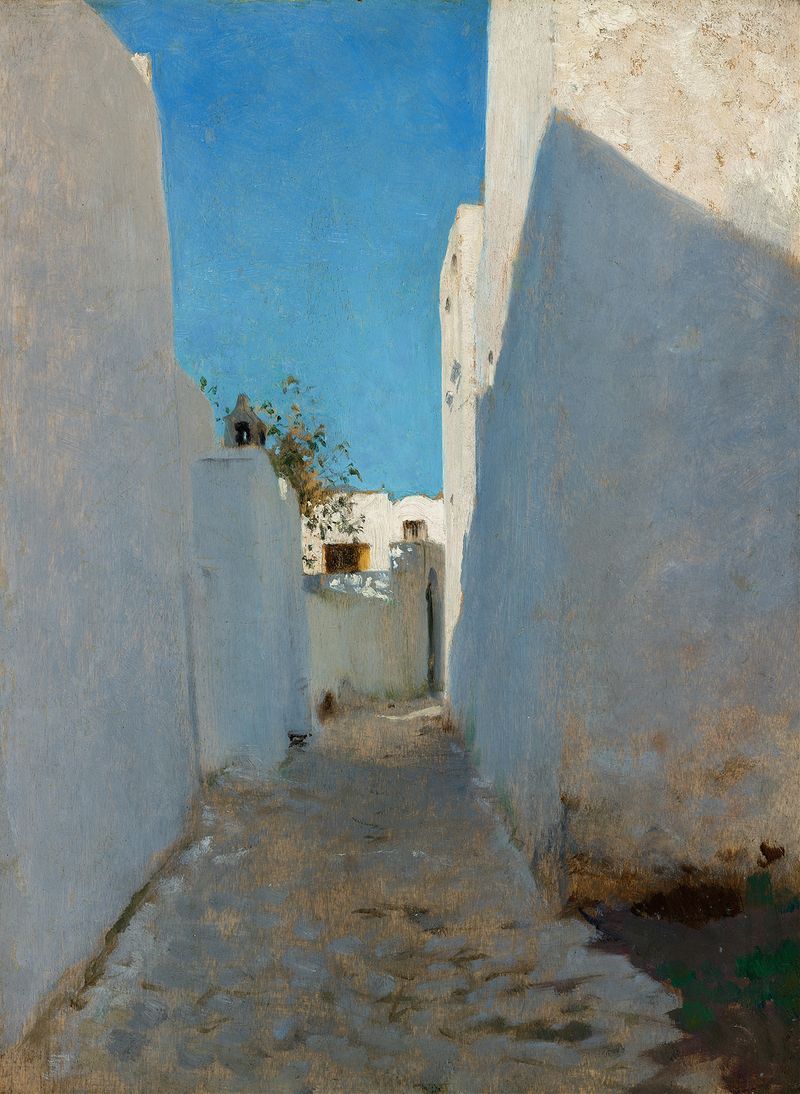
A Moroccan Street Scene
John Singer Sargent
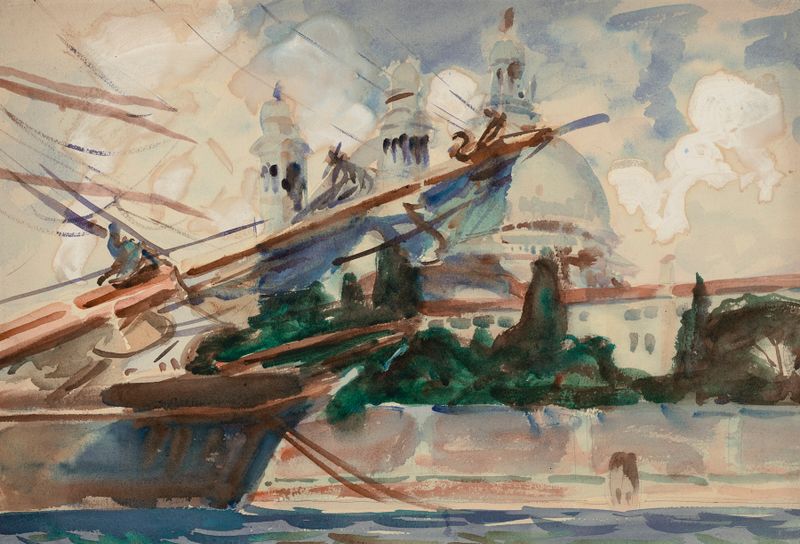
The Salute, Venice
John Singer Sargent
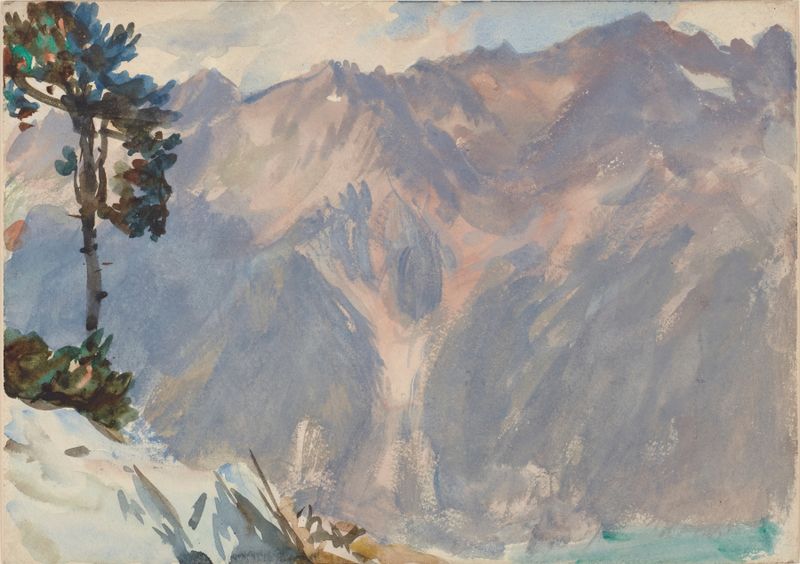
Tyrol
John Singer Sargent
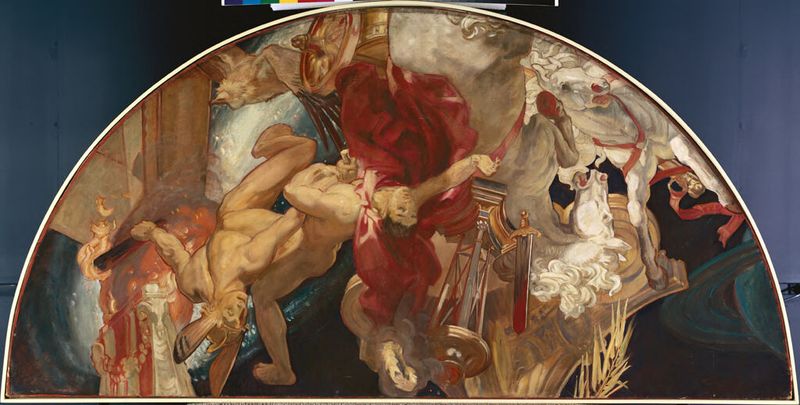
Study for "Gog and Magog," for the Boston Public Library
John Singer Sargent
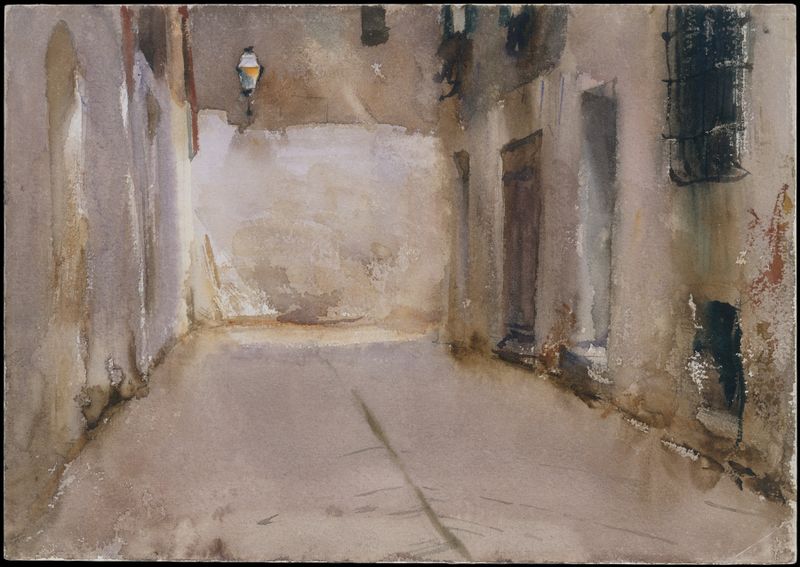
Venice
John Singer Sargent
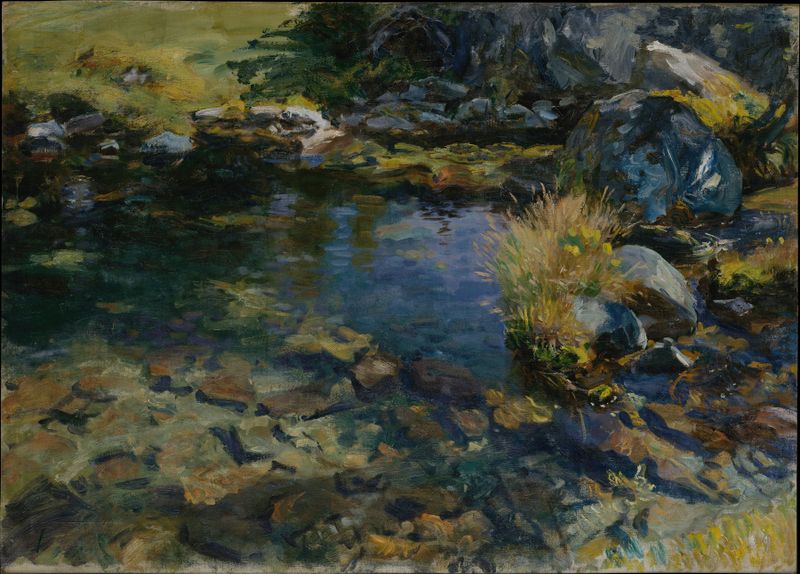
Alpine Pool
John Singer Sargent
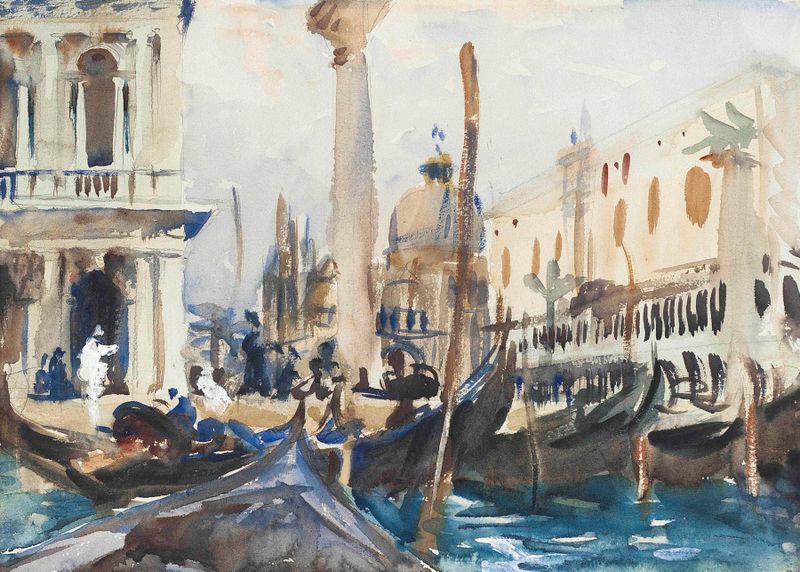
The Piazzetta with Gondolas
John Singer Sargent
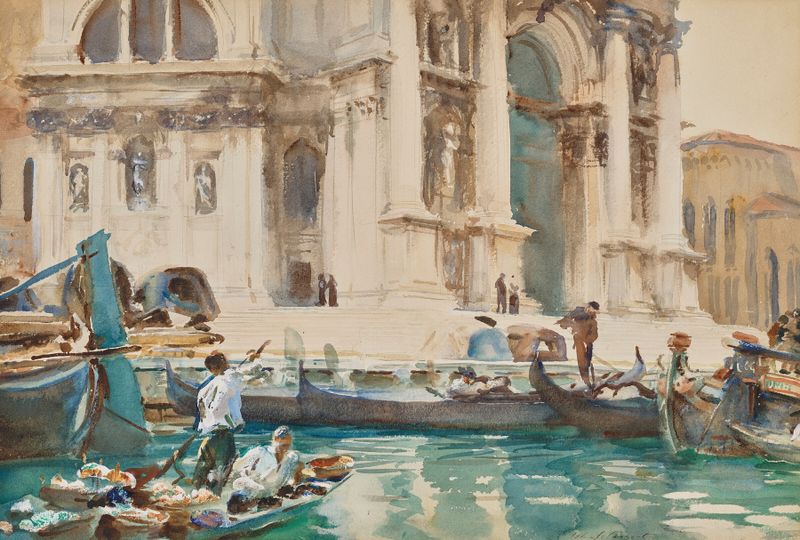
The Façade of La Salute, Venice
John Singer Sargent





