
A Shepherd and a Rider on a Country Lane — History & Facts
What first catches the eye in A Shepherd and a Rider on a Country Lane is the sheer abundance of green, the way the towering trees seem to vault over the figures below, making the humans and their animals almost incidental to the land itself. The sunlight pools in patches along the winding dirt road, drawing the viewer’s gaze from the foreground—where a rider on a donkey and a shepherd with his flock cross paths—toward the shadowed depths beneath the trees. Every gesture here is purposeful: the shepherd’s crook directs the sheep, the rider’s posture suggests a moment’s pause, and the animals themselves seem to hesitate, as if aware of the boundary between open road and wooded shade.
The palette is earthy and lush, with the dappled light lending a quiet rhythm to the scene, inviting the viewer to linger in this moment of rural routine. Painted around 1823, this work belongs to a period when artists across Europe were turning their attention to the countryside, not merely as a backdrop but as a subject worthy of close observation and affection. In France, where Auguste Xavier Leprince worked, such scenes spoke to a growing fascination with the rhythms of rural life and the changing landscape in the wake of the Napoleonic era. These paintings were often collected by urban patrons who longed for a vision of the countryside untouched by industrial progress.
While little is recorded about this specific painting beyond its home today in the Metropolitan Museum of Art, its quiet narrative and careful attention to nature’s forms are hallmarks of its time. Let your eye travel the lane and rest in the shadows; the story here is one of everyday encounters, captured before they vanish into memory.
More Artworks by Auguste Xavier Leprince

The Entrance of a Courtyard
Auguste Xavier Leprince
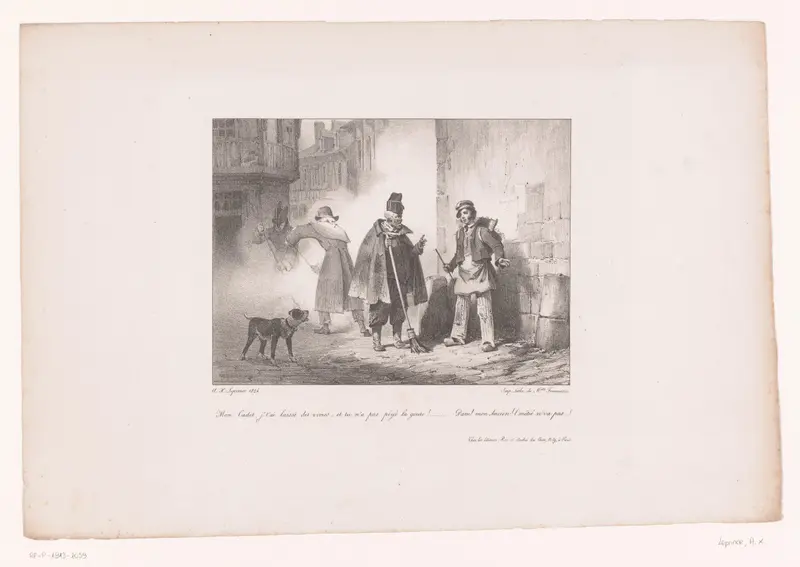
Oude straatveger berispt jonge straatveger
Auguste Xavier Leprince
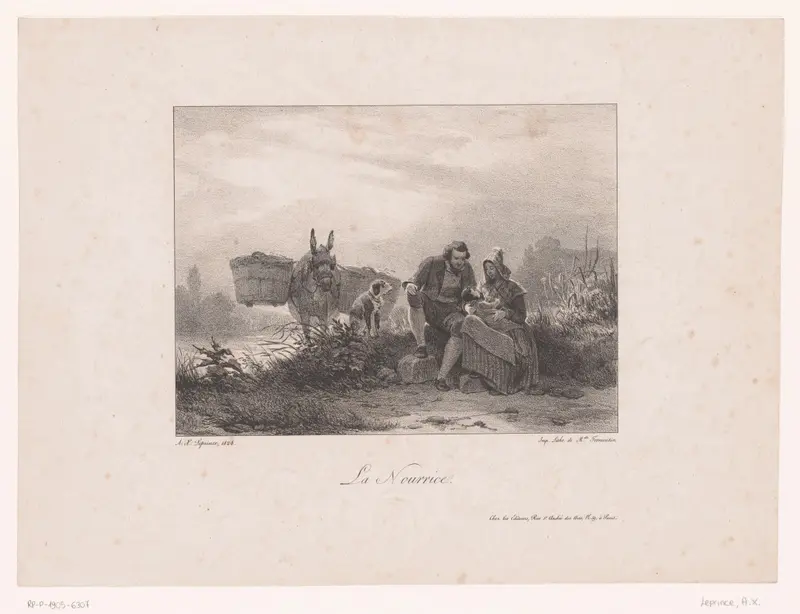
Man, hond en muildier kijken naar een voedster met kind
Auguste Xavier Leprince
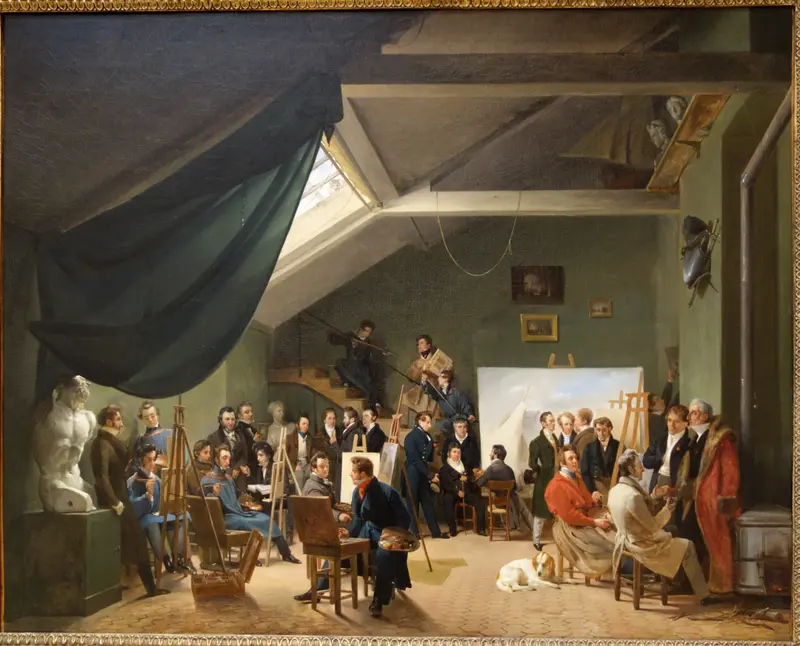
The Artist's Studio
Auguste Xavier Leprince
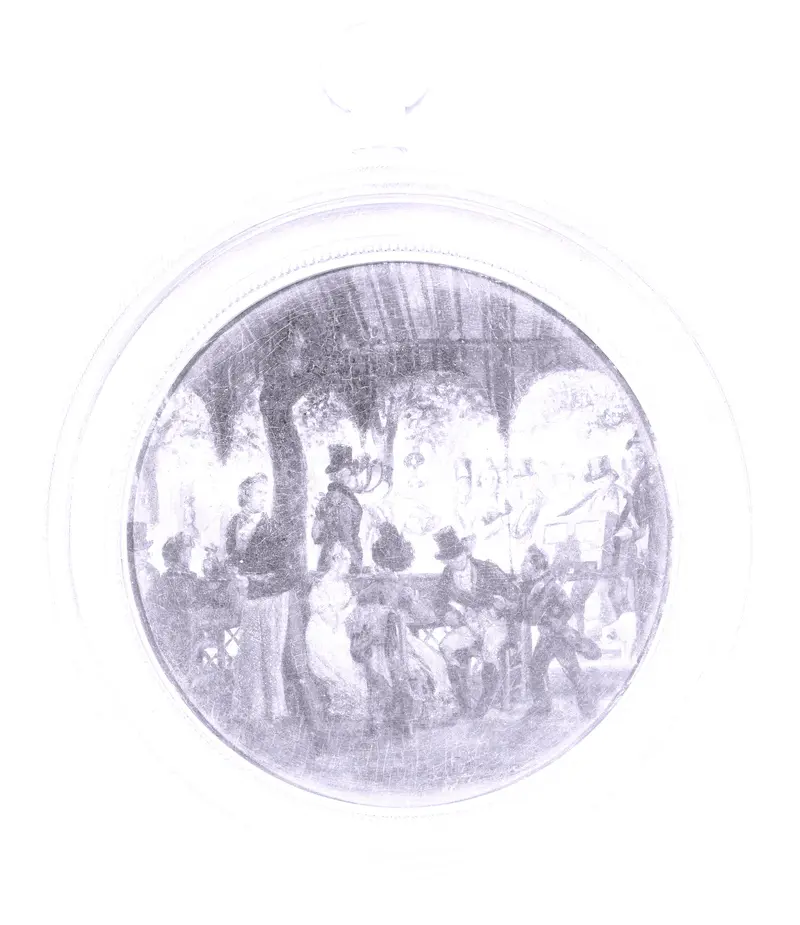
Concert dans un jardin public P1933 Musée Carnavalet
Auguste Xavier Leprince
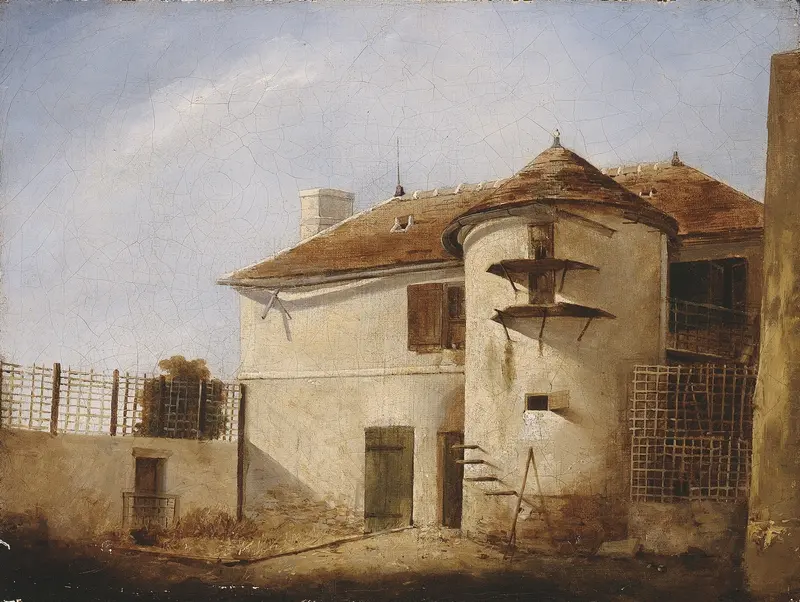
Un corps de ferme
Auguste Xavier Leprince
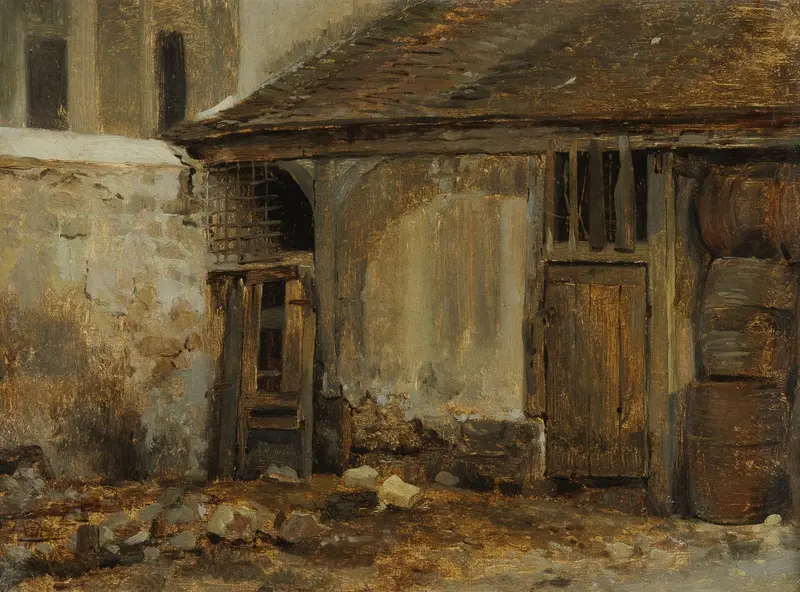
Intérieur d’une cour, vers 1820 Fondation Custodia
Auguste Xavier Leprince
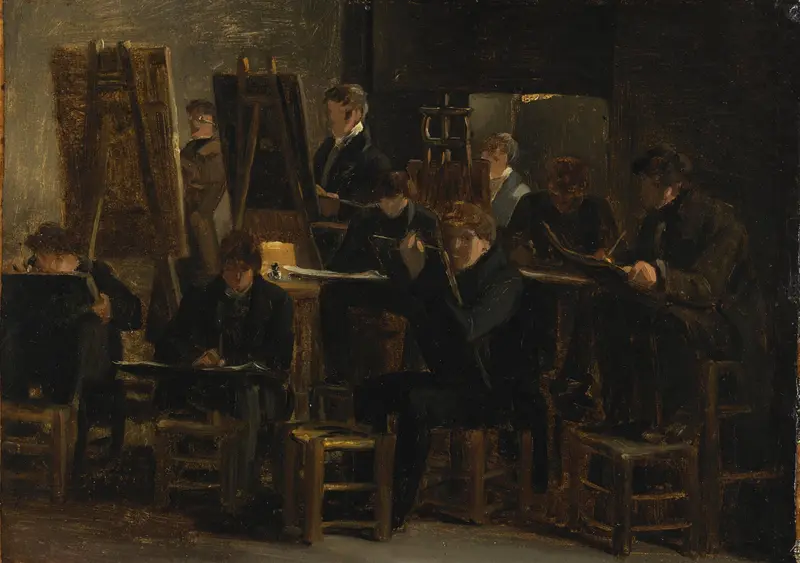
Studio Interior with Artists Working
Auguste Xavier Leprince
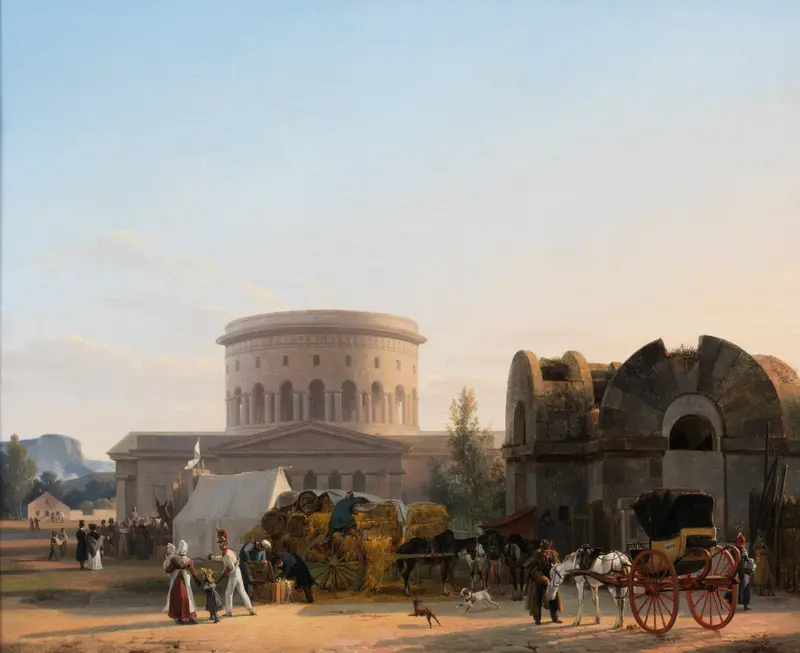
At Barrière de la Villette, Paris
Auguste Xavier Leprince
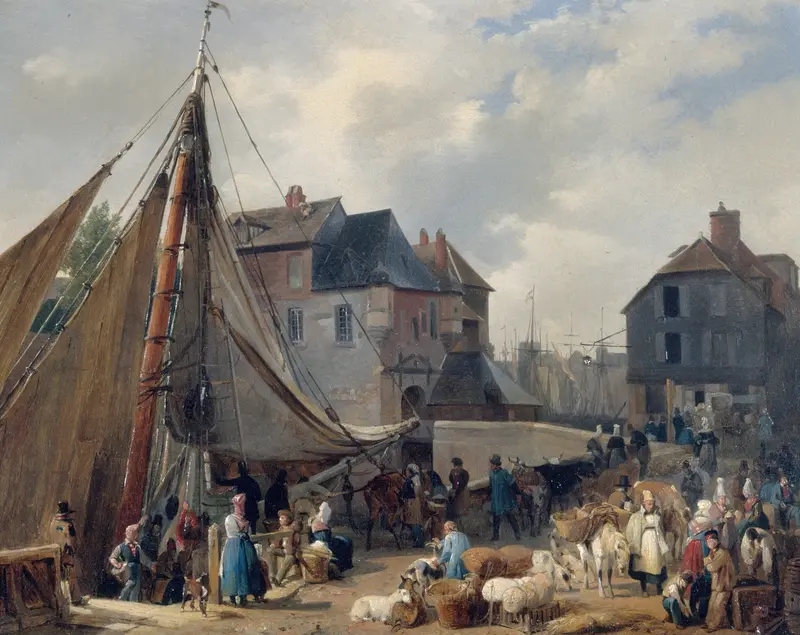
Le port d’Honfleur, l’embarquement des bestiaux
Auguste Xavier Leprince
More Landscape Art

The Starry Night
Vincent van Gogh

View of Delft
Johannes Vermeer

Water Lilies
Claude Monet

The Grand Canal, Venice, looking north-west from the Ca' Corner to the Ca' Contarini degli Scrigni, with the campanile of Santa Maria della Carità
Canaletto

Windsor Castle
Canaletto

The Grand Canal looking North-East from the Palazzo Dolfin-Manin to the Rialto Bridge
Canaletto