Oude straatveger berispt jonge straatveger — History & Facts
A cloud of street dust hangs in the air, catching the light and turning this ordinary city corner into a stage. At its center, an older man, broom in hand and posture stern, addresses a younger street sweeper whose slouch and sidelong glance betray a mix of guilt and defiance. The dog in the foreground, alert and watchful, seems almost to echo the tension between the two.
Every detail is chosen to heighten the drama: the older man’s pointed finger, the younger’s defensive stance, the way the light falls on their faces and picks out the rough texture of their clothes. The city recedes behind them, blurred by smoke or fog, making this moment of everyday discipline feel both intimate and public. Works like this by Auguste Xavier Leprince capture a slice of early nineteenth-century urban life, when prints and lithographs brought scenes of the street into the homes of the middle class. In 1824, Paris was a city in transformation, its working poor a subject for both reformers and satirists.
Artists like Leprince found a ready audience for images that mixed humor with social observation, showing familiar types—street sweepers, vendors, beggars—caught in moments of folly or pathos. Little is recorded about the fate of this particular print, but its survival in the Rijksmuseum collection lets us read the city’s past in the faces and gestures of its most overlooked inhabitants. Look again at the expressions: the lesson here is not just about work, but about the daily negotiations of dignity and authority on the city’s margins.
More Artworks by Auguste Xavier Leprince

The Entrance of a Courtyard
Auguste Xavier Leprince
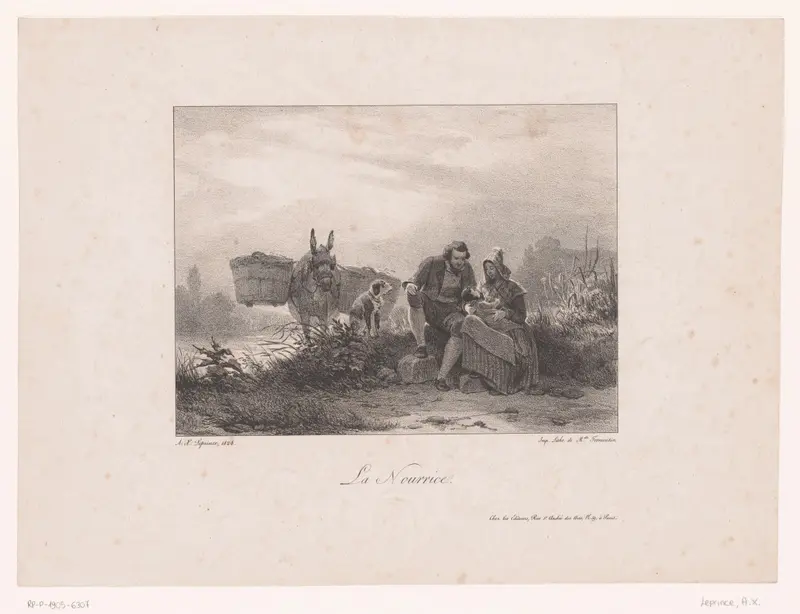
Man, hond en muildier kijken naar een voedster met kind
Auguste Xavier Leprince
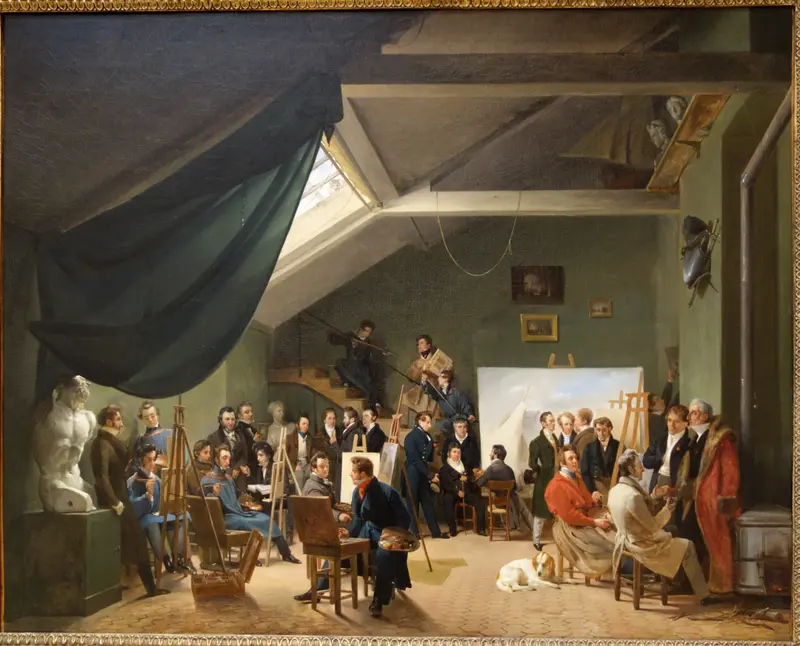
The Artist's Studio
Auguste Xavier Leprince
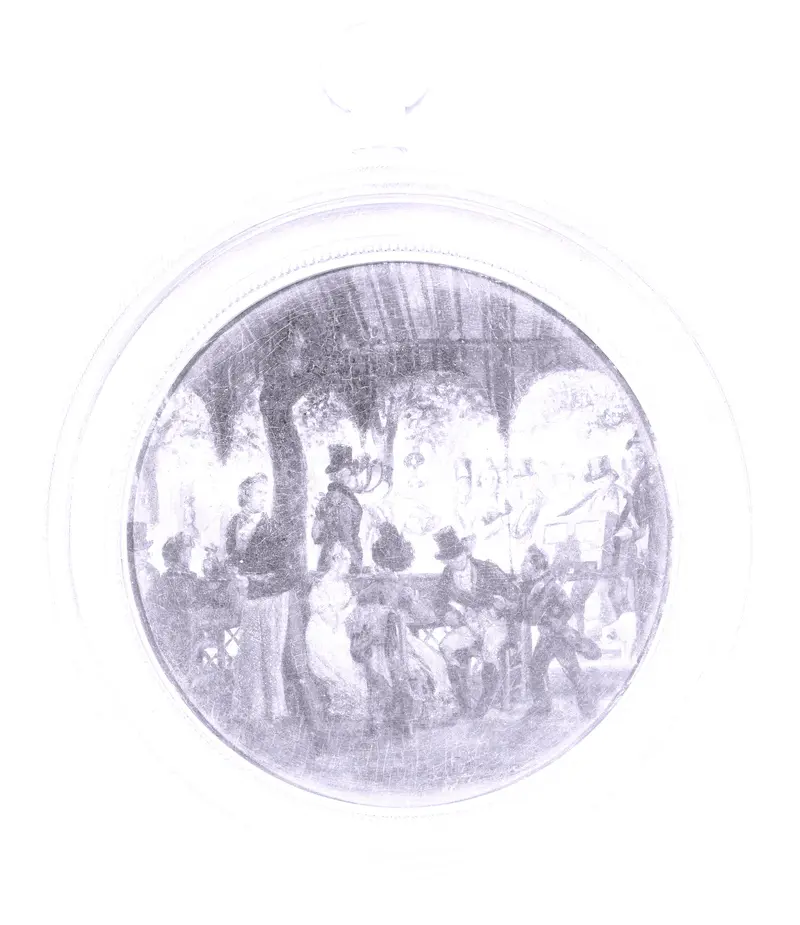
Concert dans un jardin public P1933 Musée Carnavalet
Auguste Xavier Leprince
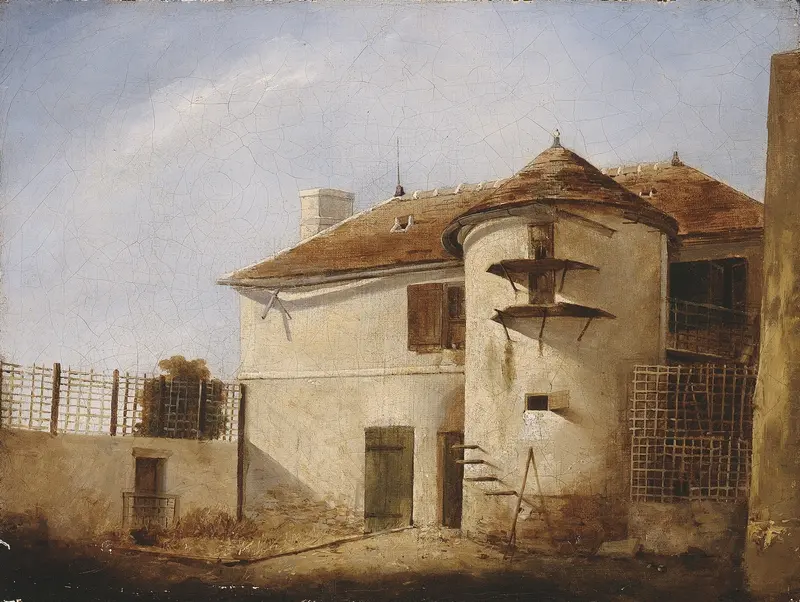
Un corps de ferme
Auguste Xavier Leprince
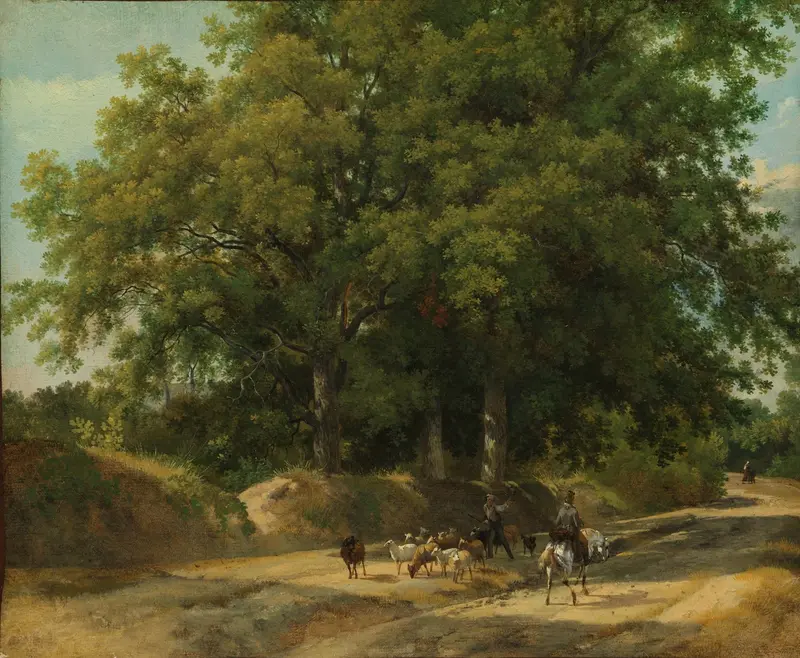
A Shepherd and a Rider on a Country Lane
Auguste Xavier Leprince
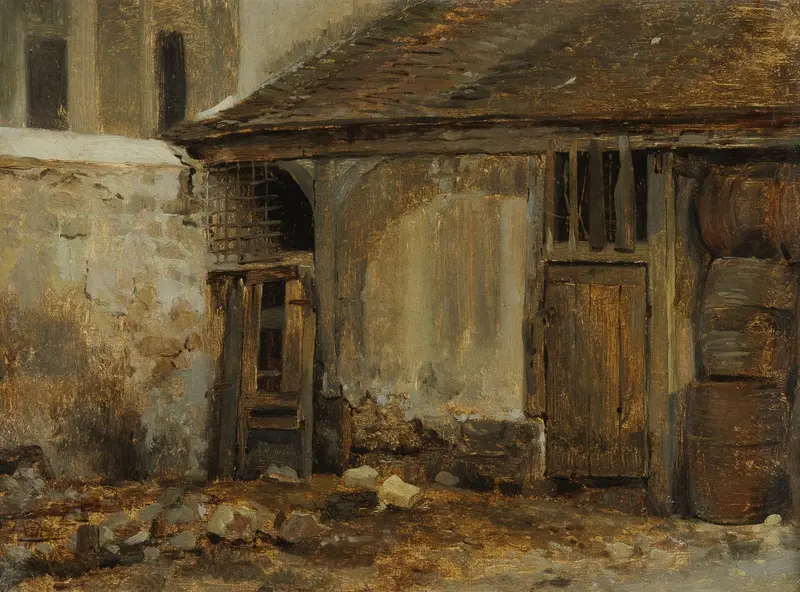
Intérieur d’une cour, vers 1820 Fondation Custodia
Auguste Xavier Leprince
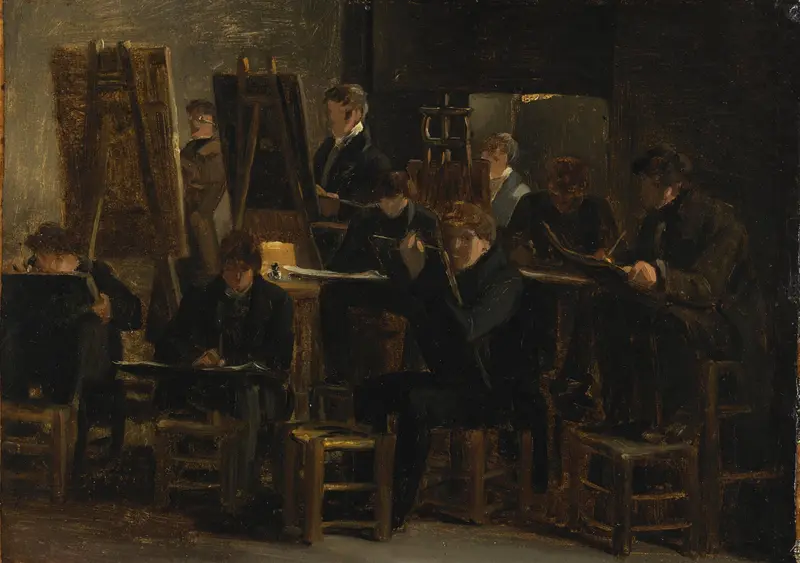
Studio Interior with Artists Working
Auguste Xavier Leprince
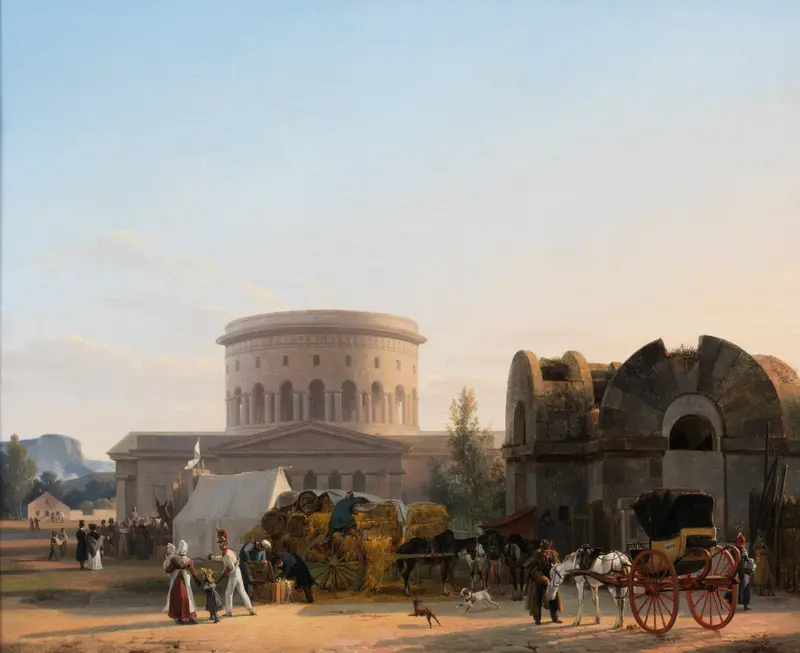
At Barrière de la Villette, Paris
Auguste Xavier Leprince
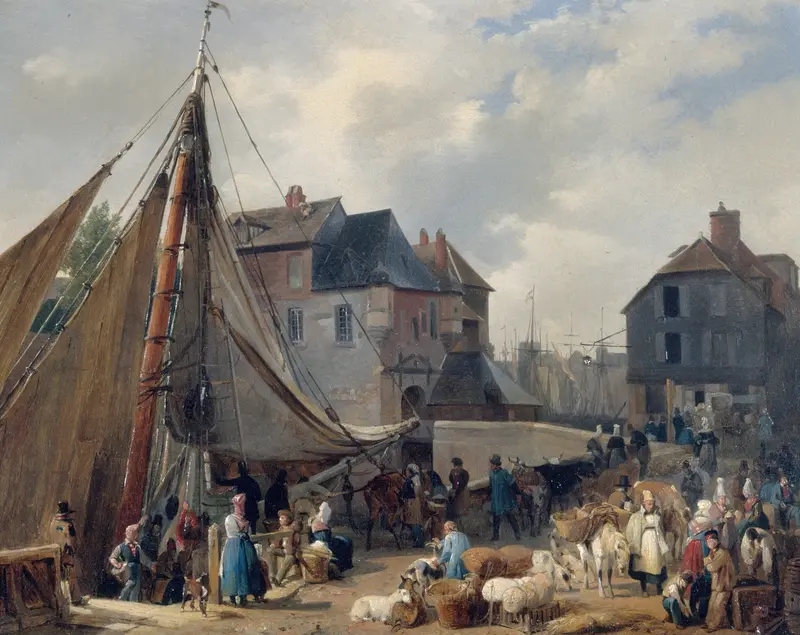
Le port d’Honfleur, l’embarquement des bestiaux
Auguste Xavier Leprince