
A Singular Rock in Dove-Dale named the Pickerell — History & Facts
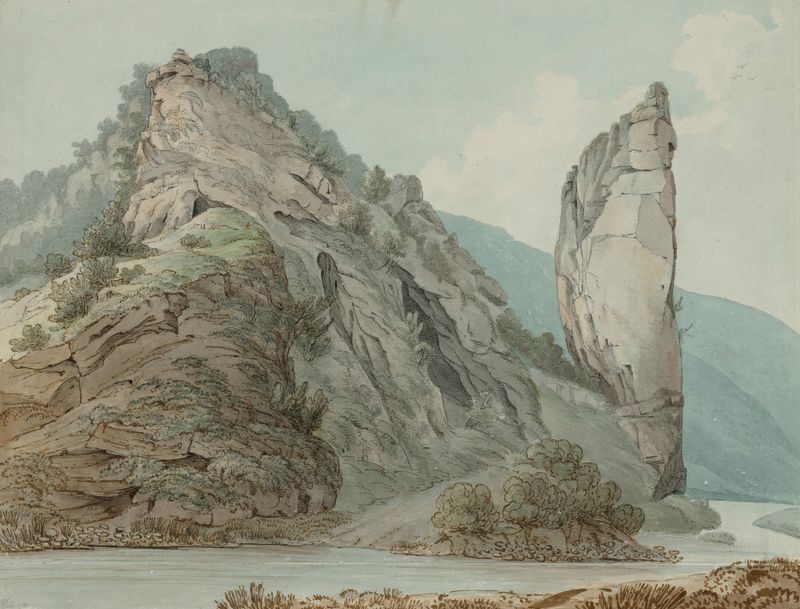
In the quiet stillness of life, desire often leaves an indelible mark on our souls, much like the vivid landscapes captured by the artists of yore. Look closely at the canvas, and you’ll first notice the striking contrast between the soft blue sky and the jagged silhouette of the rock itself. The Pickerell stands resolute against a backdrop of lush greenery, which swells beneath sunlight. Notice how the artist has deftly used varying shades of green to imply movement in the foliage, drawing the eye towards the sharp edges of stone that seem almost to breathe with the land.
The play of light and shadow adds depth, making the landscape feel alive, inviting the viewer to explore every corner. As you delve deeper, consider the emotional resonance of solitude that permeates the scene. The solitary rock, a formidable presence amidst the gentle curves of the valley, symbolizes both strength and isolation. This duality invites contemplation of the deeply rooted desires we carry within us — the longing to connect with the world, yet the realization of our own solitary existence.
The landscape around the Pickerell mirrors the complexities of human emotion, where beauty and desolation coexist in silent dialogue. William Day painted this piece in 1789, during a time when Romanticism was beginning to flourish in art. Based in England, Day sought to capture the raw beauty of the picturesque landscapes that surrounded him. Amidst a world transitioning into the Industrial Revolution, his focus on nature and its enduring qualities reflects a desire to celebrate the splendor of the natural world, a theme that resonated deeply with contemporary artists and audiences alike.
More Artworks by William Day
Browse all →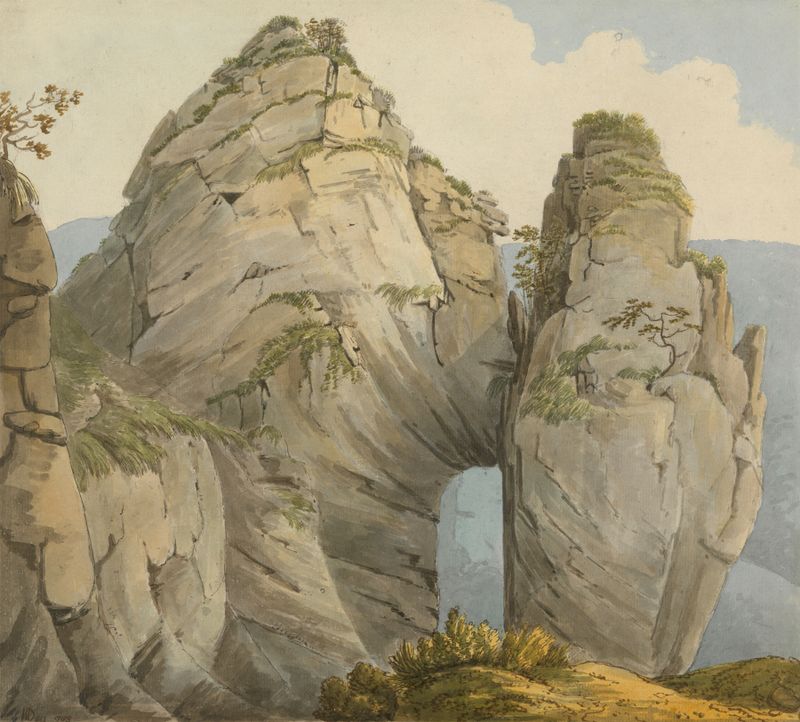
Renard’s Hole, Dovedale, Derbyshire
William Day
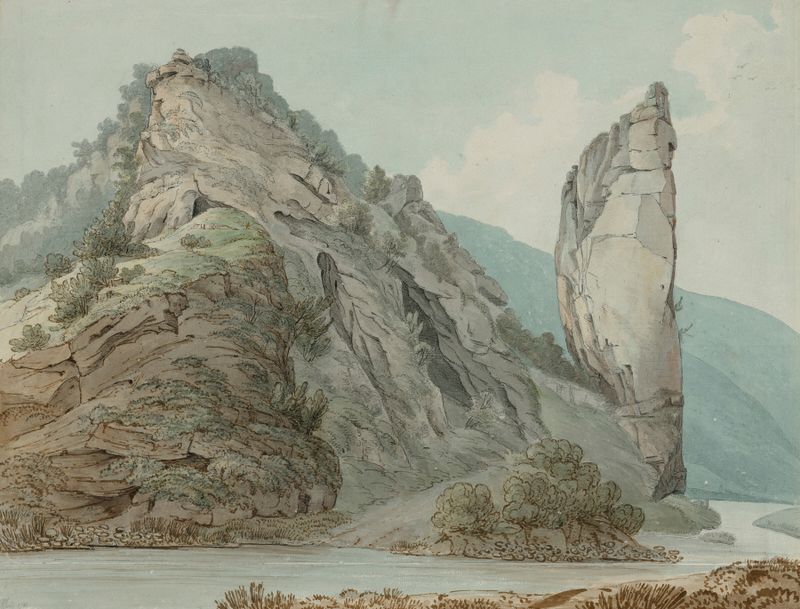
Ilam Rock, Dovedale
William Day
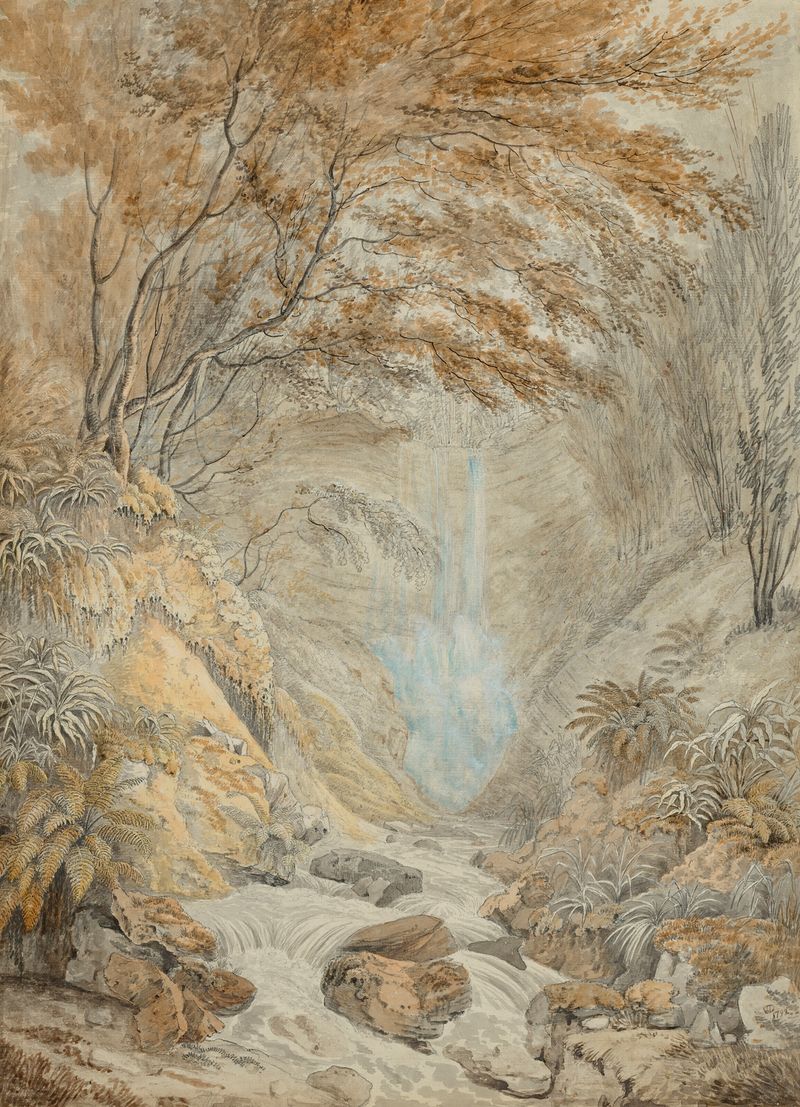
Old Roar Waterfall, near Hastings, Sussex
William Day

Portrait of a Lady
William Day
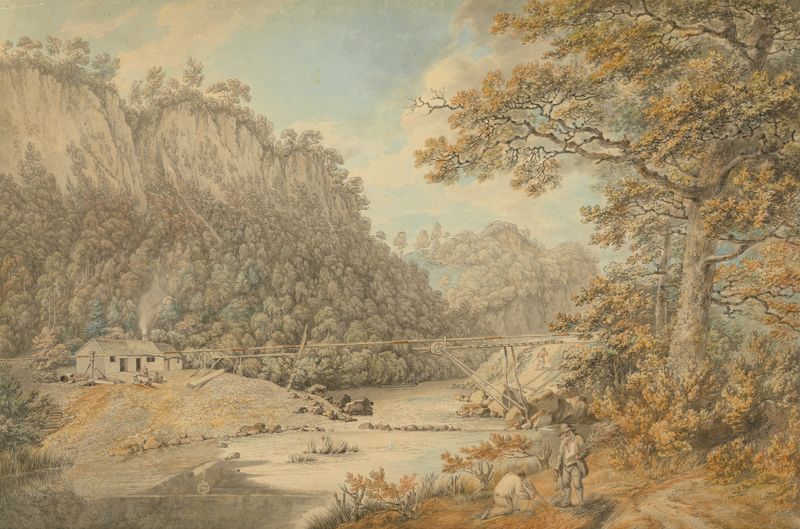
A Scene in Derbyshire: Industrial Works spanning a River
William Day
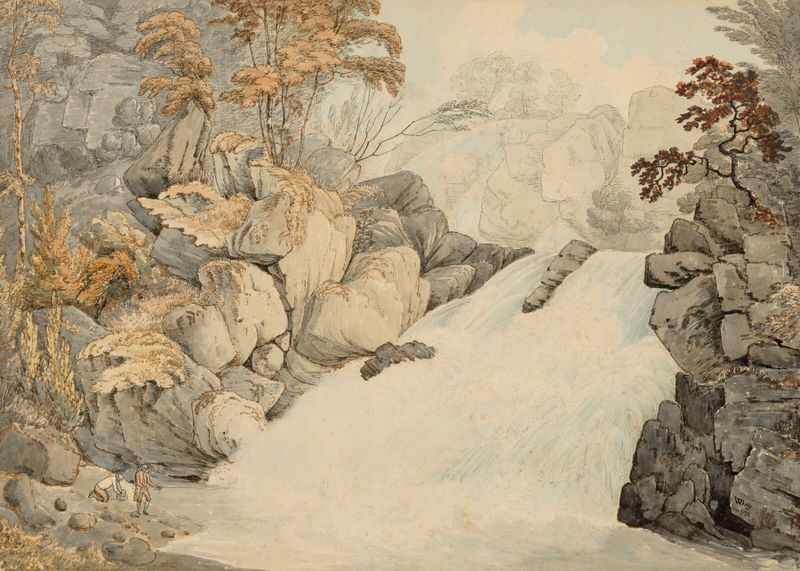
Dolmelynllyn Falls near Dolgellau, Wales
William Day
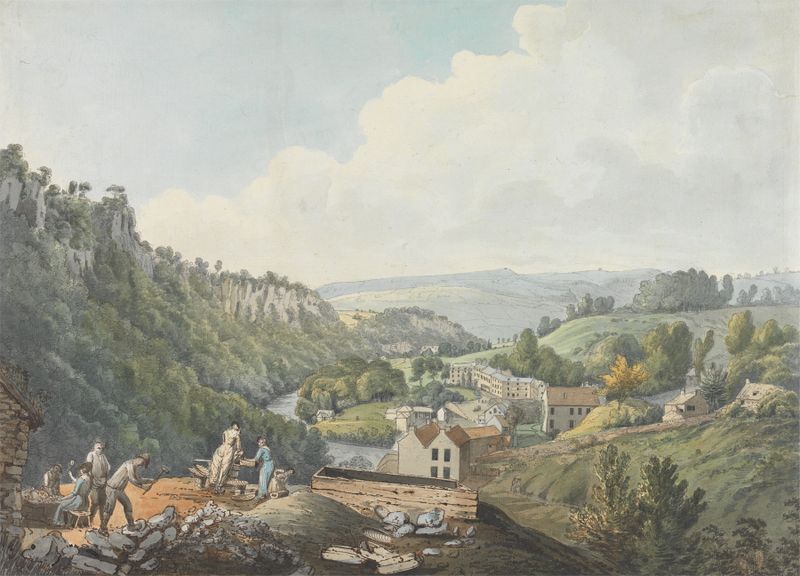
Matlock Baths, Derbyshire
William Day
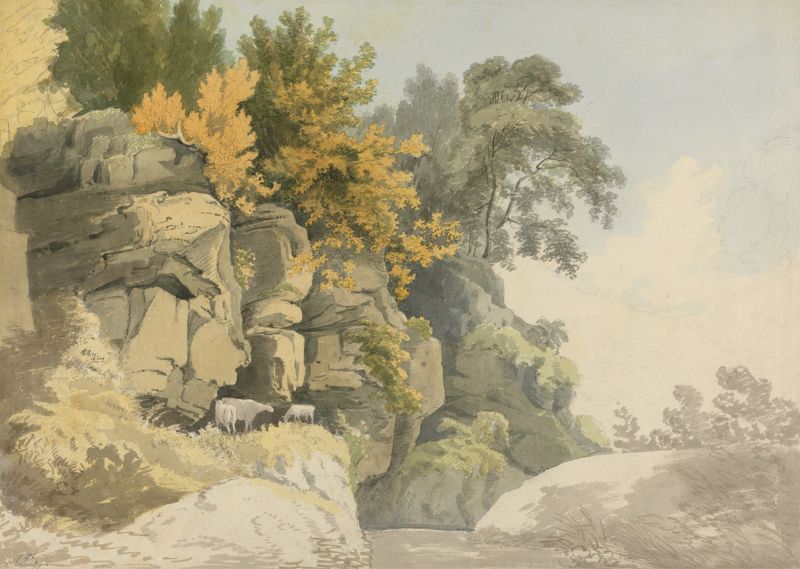
Wooded Rocks by a Stream
William Day
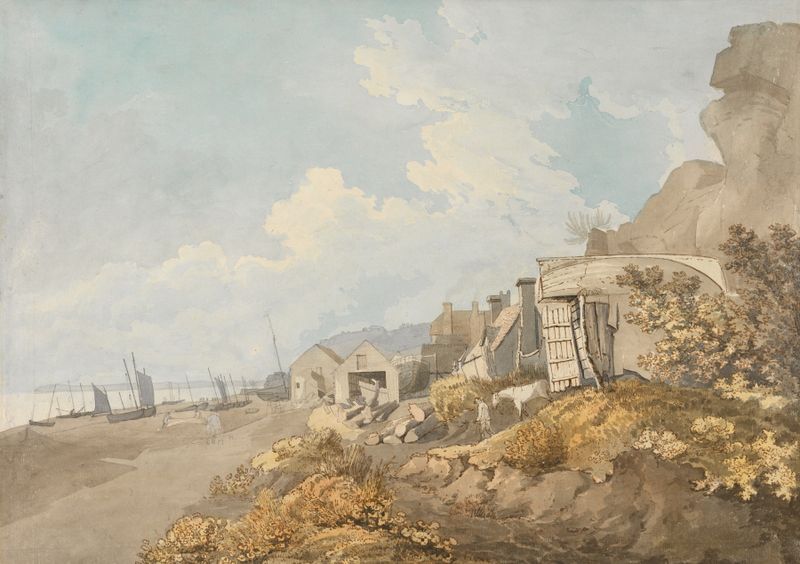
Hastings
William Day
Ilam Rock, Dovedale
William Day





