
Renard’s Hole, Dovedale, Derbyshire — History & Facts
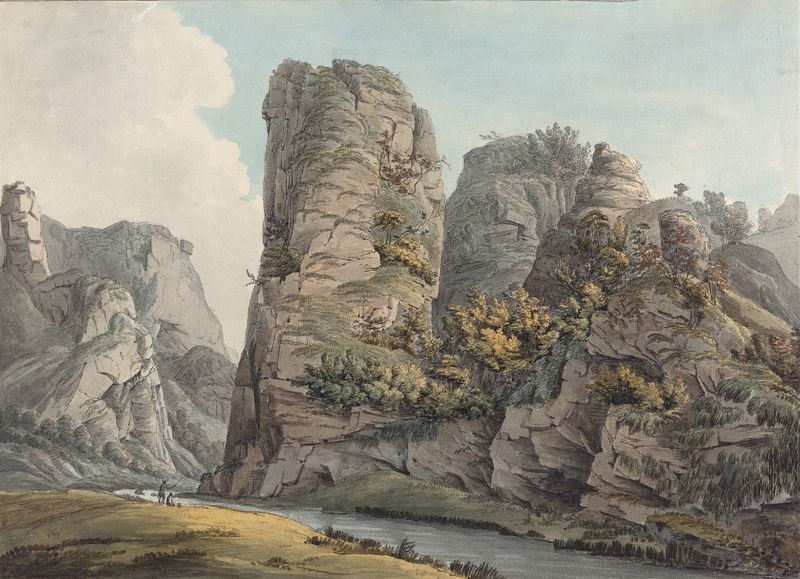
Is this a mirror — or a memory? The enchanting landscape effortlessly draws us into a world where the ecstasy of nature dances between reality and reverie. Focus on the vibrant greens that wrap around the scene, each brushstroke pulsating with life. Notice how the trees lean invitingly toward the hidden depths of the valley, their rich foliage creating a canopy that dappled light plays through. The crystalline waters flow gently at the base, reflecting the sky's soft blues and whites, inviting your gaze deeper into this serene retreat.
The composition guides the eye along the winding path, suggesting a journey both physical and emotional. Yet, beneath the tranquil surface lies a tension between solitude and connection. The absence of people amplifies the landscape's allure, inviting contemplation and introspection. The interplay of shadow and light suggests fleeting moments, where the viewer might feel both lost and found.
Here, nature becomes a mirror, revealing not just the beauty of Dovedale, but also the innermost yearnings of the heart. In 1789, William Day created Renard’s Hole, Dovedale, Derbyshire amidst the growing Romantic movement, which sought to elevate nature and personal emotion in art. Living in England, he was surrounded by a burgeoning appreciation for picturesque landscapes, as artists explored ways to evoke profound feelings through their depictions of nature. This painting was part of a period where the sublime was celebrated, resonating with the transformative power of the natural world.
More Artworks by William Day
Browse all →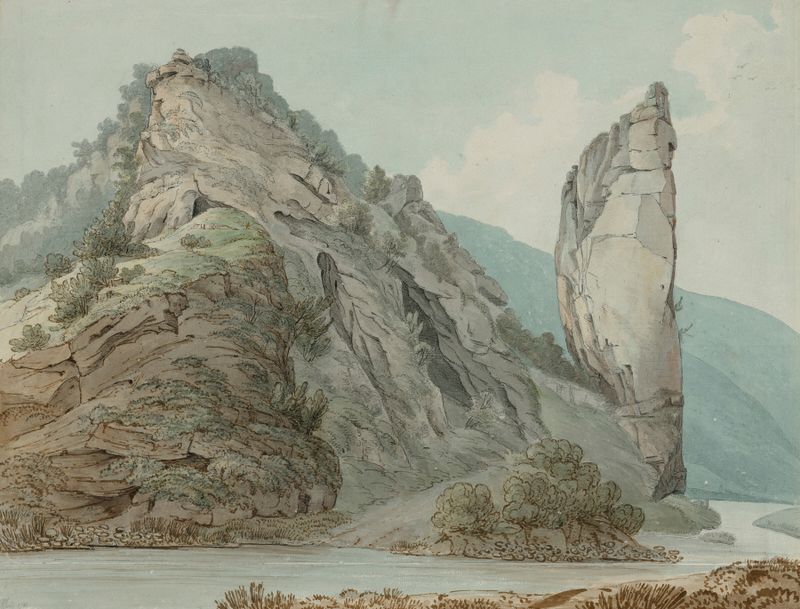
Ilam Rock, Dovedale
William Day
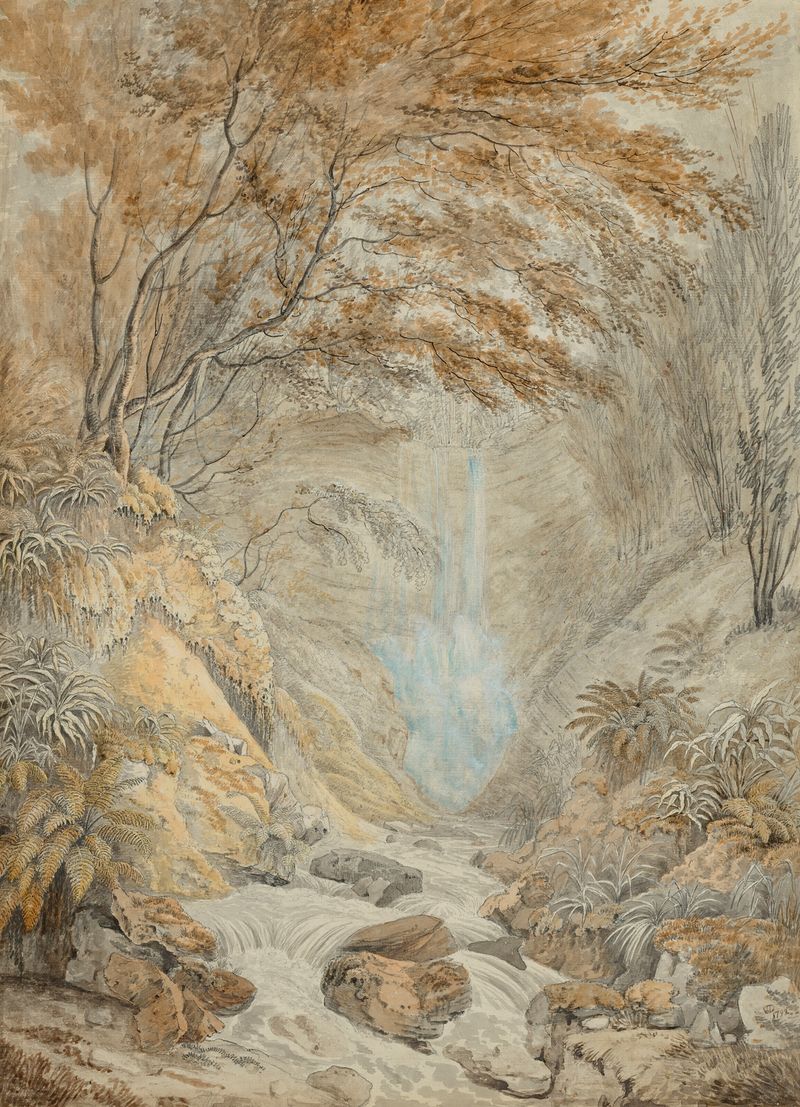
Old Roar Waterfall, near Hastings, Sussex
William Day

Portrait of a Lady
William Day
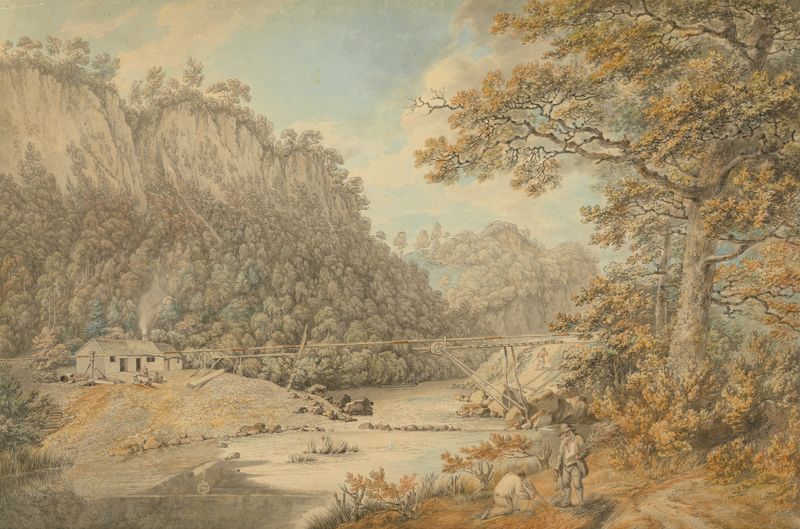
A Scene in Derbyshire: Industrial Works spanning a River
William Day
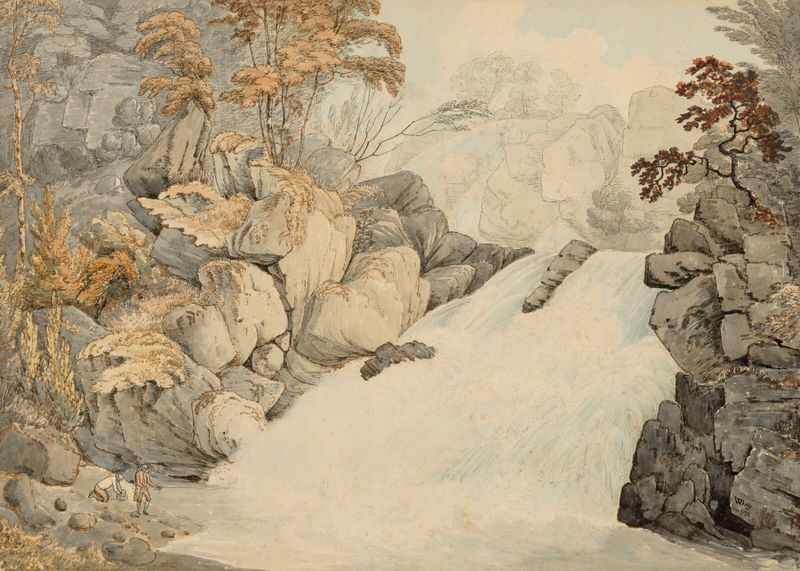
Dolmelynllyn Falls near Dolgellau, Wales
William Day
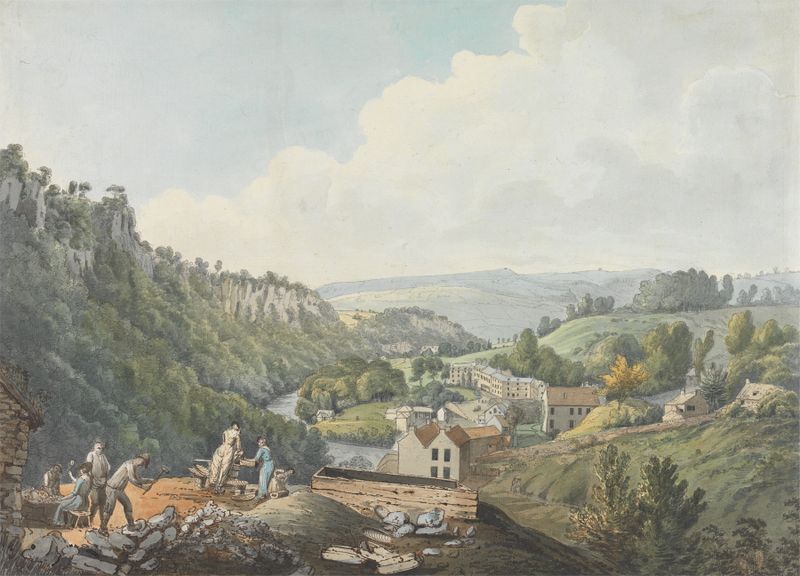
Matlock Baths, Derbyshire
William Day
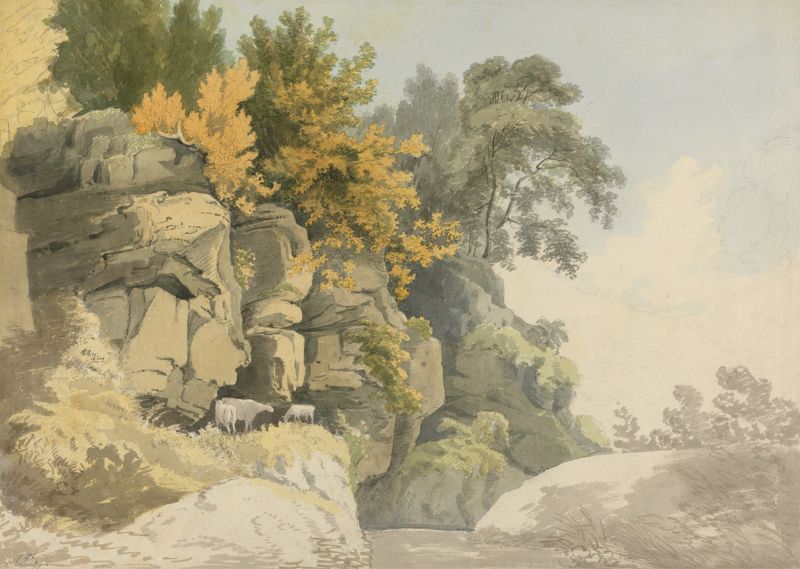
Wooded Rocks by a Stream
William Day
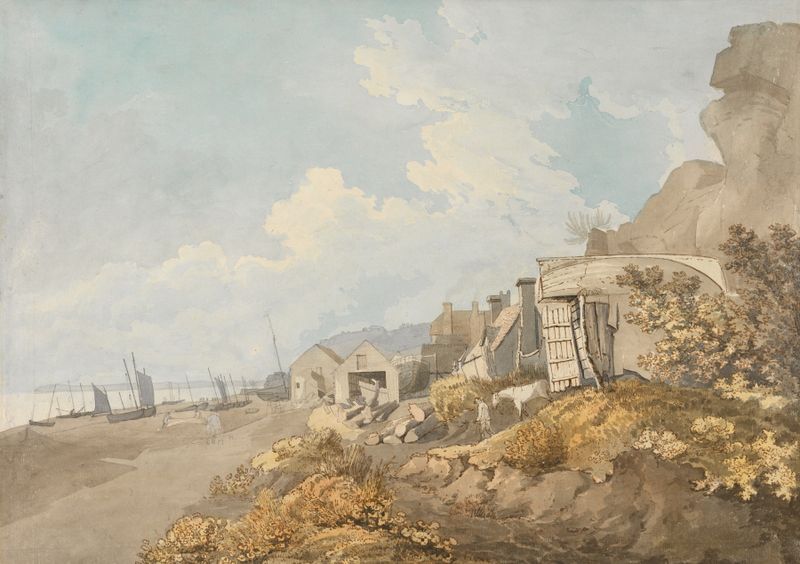
Hastings
William Day
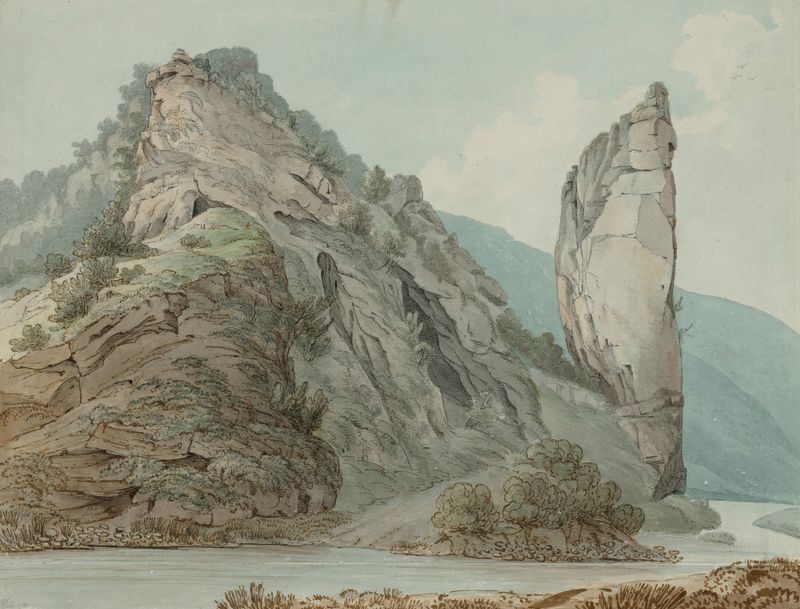
Ilam Rock, Dovedale
William Day
A Singular Rock in Dove-Dale named the Pickerell
William Day





