
Hastings — History & Facts
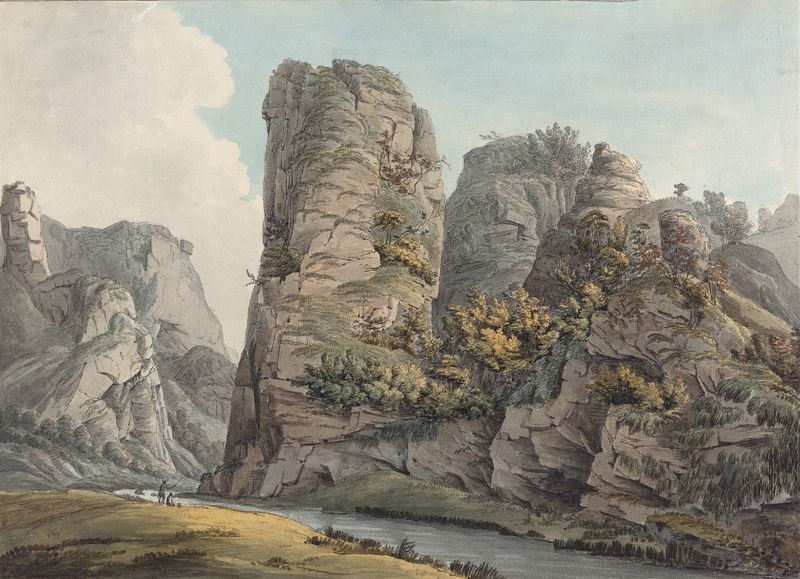
What frenzied thoughts swirl in the mind of an artist as they capture the tumult of human obsession in paint? This dynamic interplay of emotion and creation invites us to explore the depths of desire and relentless pursuit. Focus on the vibrant colors that pulse through the canvas, drawing your eyes across the chaotic landscape. Look to the swirling forms that suggest movement and urgency; they conjure a sense of both struggle and aspiration. The layering of hues creates a textured depth that makes the scene feel alive, almost breathing.
Each brushstroke seems deliberate yet wild, echoing the passions that inform the piece. Consider the contrast between light and shadow within the work. The bold highlights speak to the triumphs of obsession, while the deep shadows hint at the darker consequences of unrelenting pursuit. These nuances reflect the artist’s struggle with their own fervor, suggesting that obsession can illuminate yet also consume.
In this tension lies a poignant commentary on the duality of human desire. In 1792, William Day was entrenched in the evolving world of British art, where the neoclassical ideals of restraint clashed with the burgeoning romantic sensibilities. Working in a climate that celebrated both nature and the human spirit, Day sought to bridge these worlds, revealing the complexities of passion through his brush. This painting, created during a time of personal and artistic exploration, stands as a testament to the power of obsession and its potential for artistry.
More Artworks by William Day
Browse all →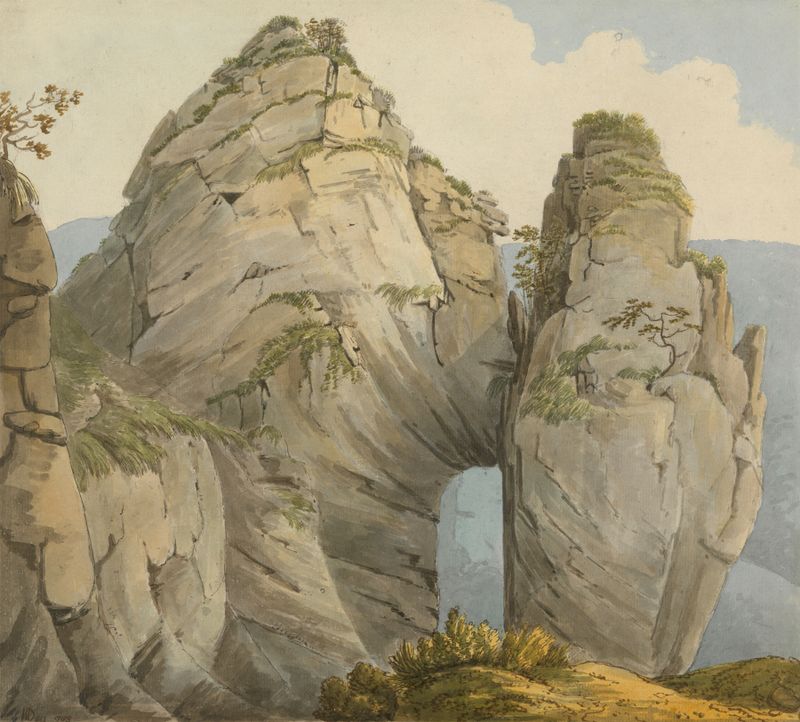
Renard’s Hole, Dovedale, Derbyshire
William Day
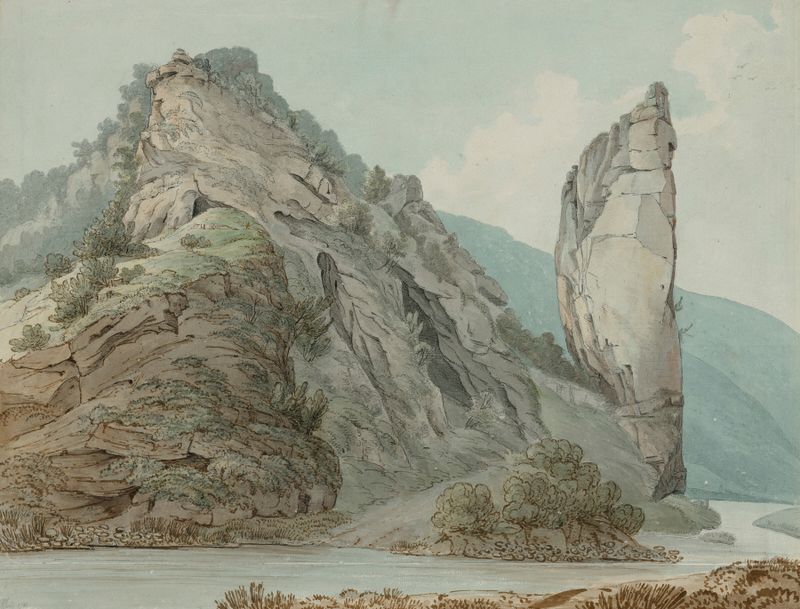
Ilam Rock, Dovedale
William Day
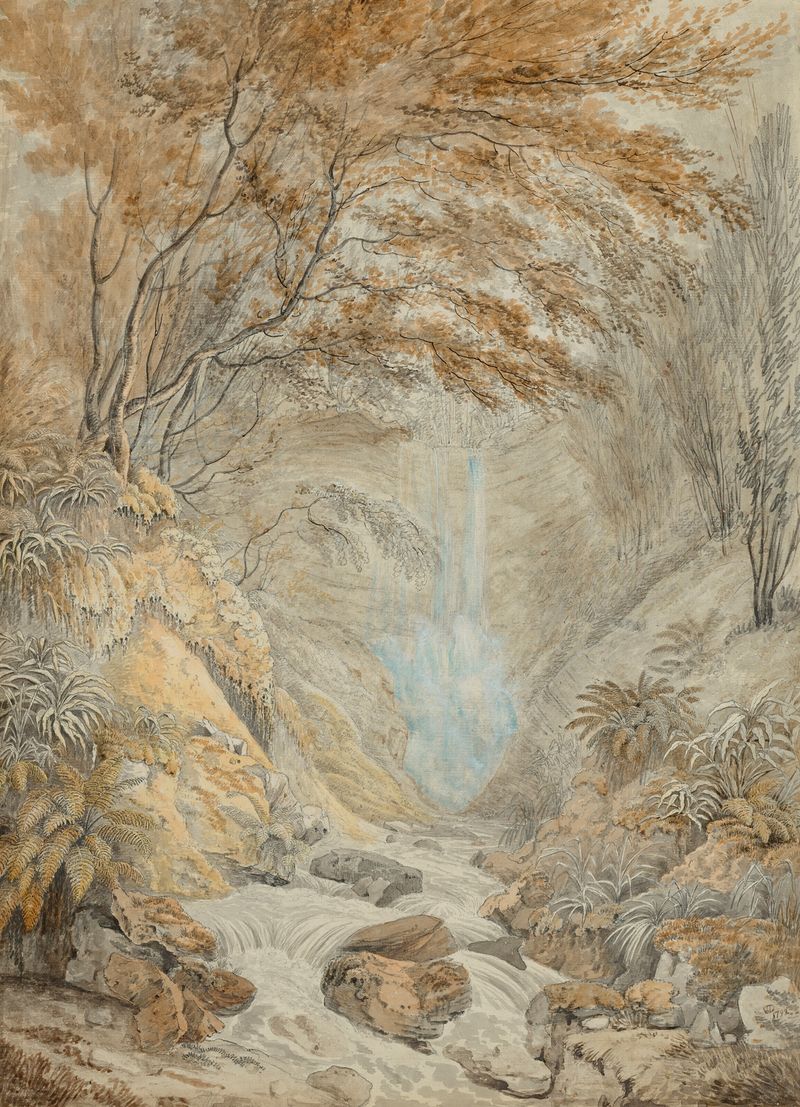
Old Roar Waterfall, near Hastings, Sussex
William Day

Portrait of a Lady
William Day
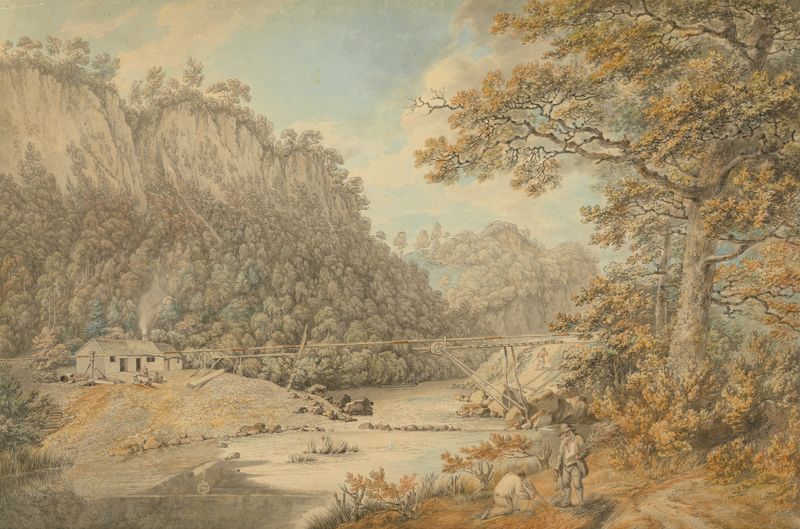
A Scene in Derbyshire: Industrial Works spanning a River
William Day
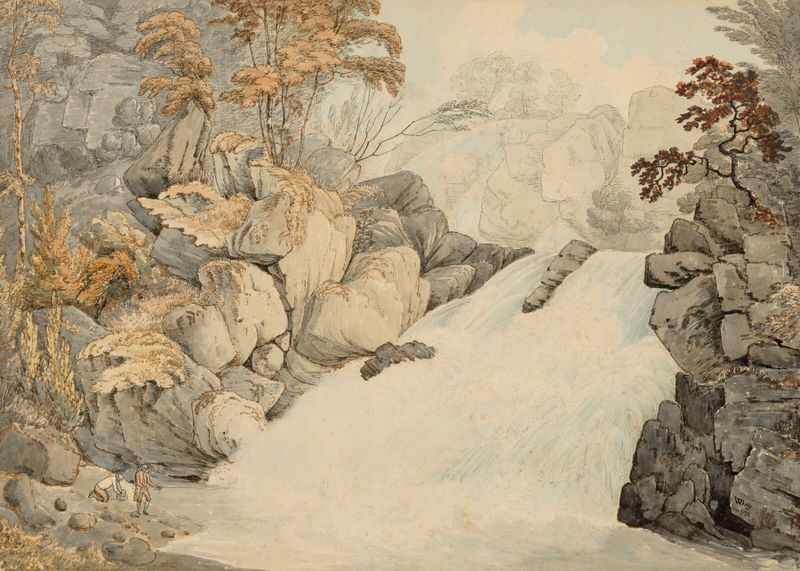
Dolmelynllyn Falls near Dolgellau, Wales
William Day
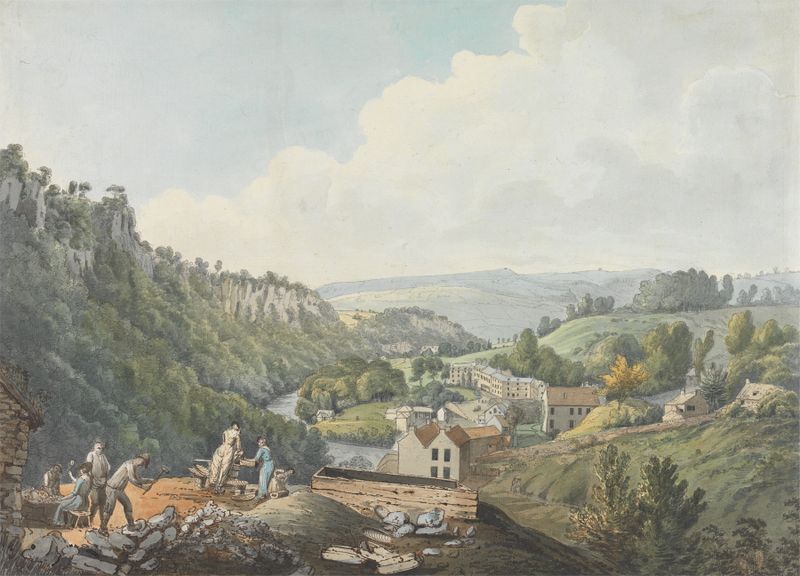
Matlock Baths, Derbyshire
William Day
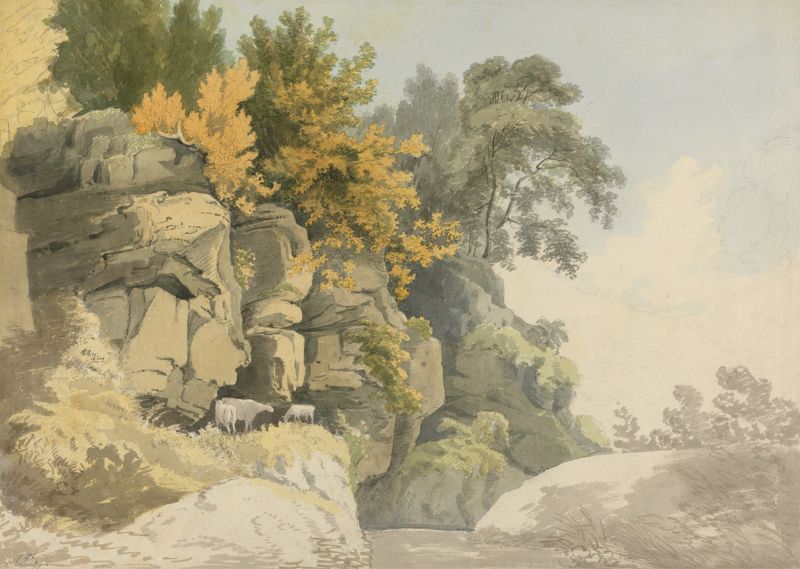
Wooded Rocks by a Stream
William Day
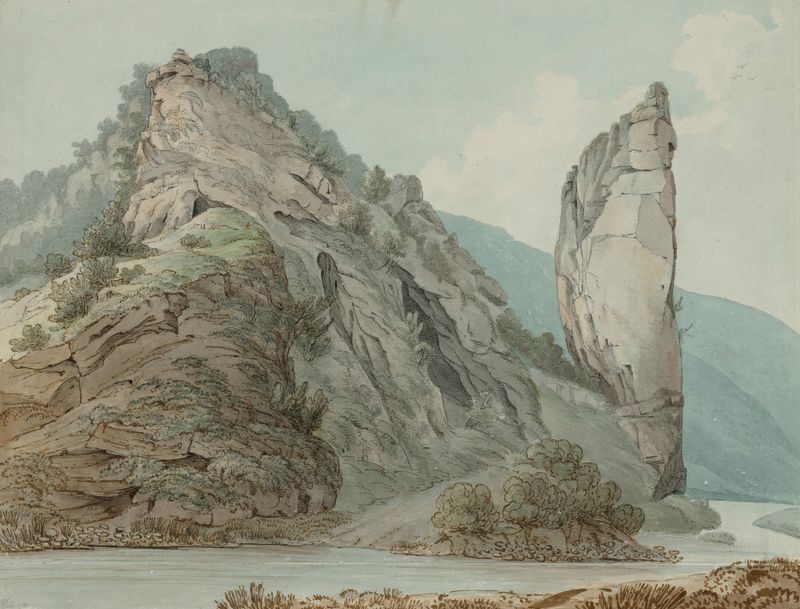
Ilam Rock, Dovedale
William Day
A Singular Rock in Dove-Dale named the Pickerell
William Day





