
A street in Martigues — History & Facts
Could a single brushstroke hold eternity? In A Street in Martigues, the fleeting beauty of a moment is captured, where light dances across surfaces, inviting contemplation on the nature of time and presence. Look to the left at the shimmering reflections in the canal, where the water mirrors the vibrant facades of the buildings. Notice how the artist employs a palette of warm yellows and cool blues, creating a harmonious atmosphere that draws the viewer's eye into the layers of color. The playful strokes evoke a sense of movement, as if the light itself is alive, filtering through the archways and dappling the cobblestones with the promise of a gentle breeze. Delve deeper into the contrasts within the painting.
The stillness of the water juxtaposes the lively textures of the buildings and the hints of life suggested by the open doors and moments implied in the shadows. Each brushstroke tells a story of a day unfolding, the ephemeral nature of existence captured against the permanence of stone and water. This visual dialogue speaks to the emotional resonance of a place steeped in history, while simultaneously inviting personal reflection. Félix Ziem painted A Street in Martigues during a prolific period in the late 19th century, amidst a growing fascination with Impressionism and the exploration of light and color.
Living in Paris and frequently traveling to the south of France, he sought to convey the unique beauty of coastal landscapes. His work reflects both the evolving art movements of his time and his personal journey to find simplicity and clarity in his artistic expression.
More Artworks by Félix Ziem
Browse all →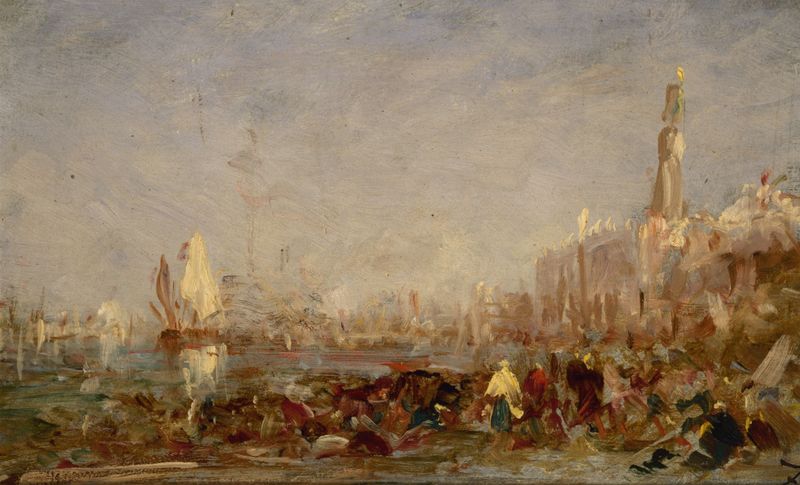
Venise
Félix Ziem
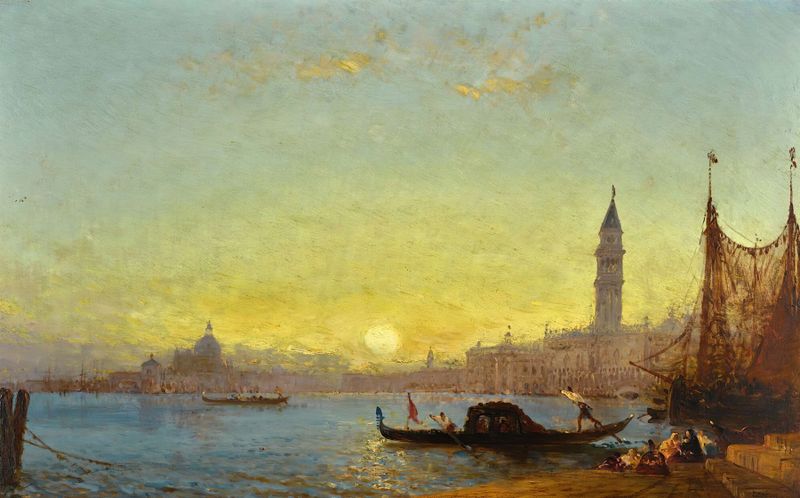
Coucher De Soleil À Venise
Félix Ziem
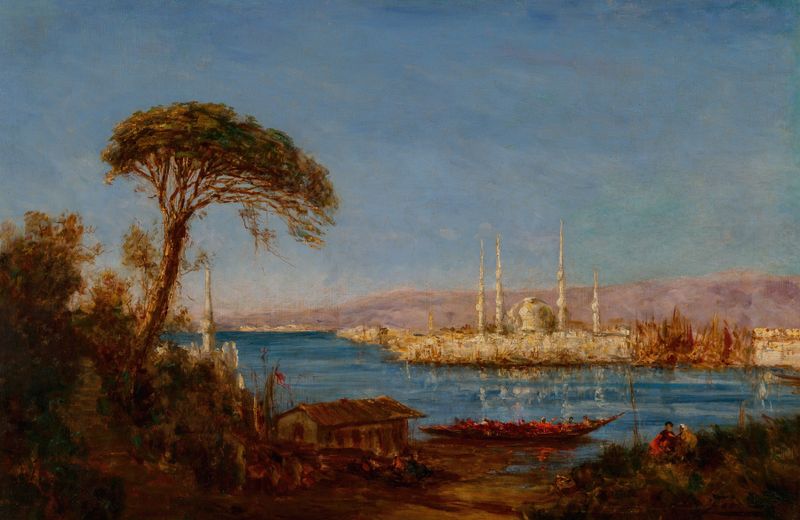
Constantinople
Félix Ziem
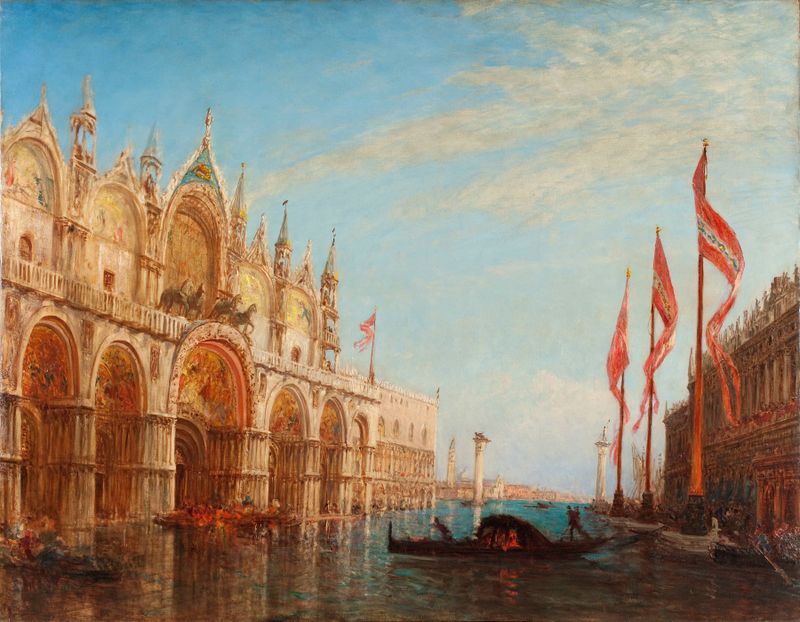
La place Saint-Marc, inondation de 1863
Félix Ziem
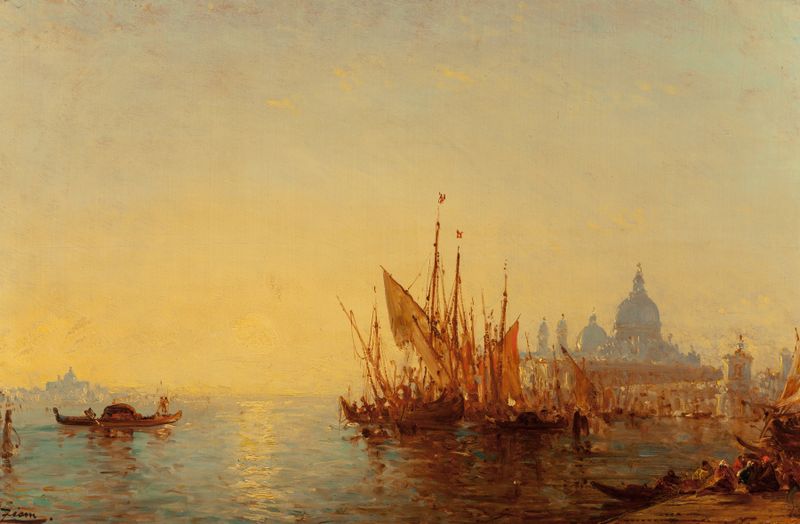
Bacino di San Marco
Félix Ziem
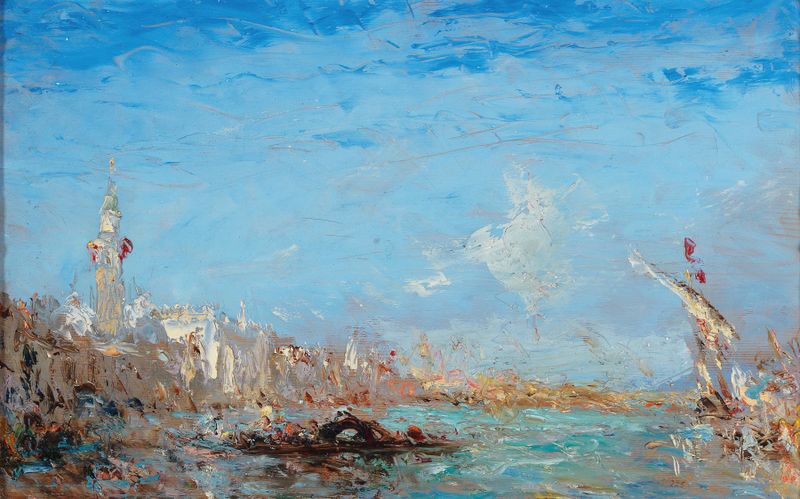
Canal Grande
Félix Ziem
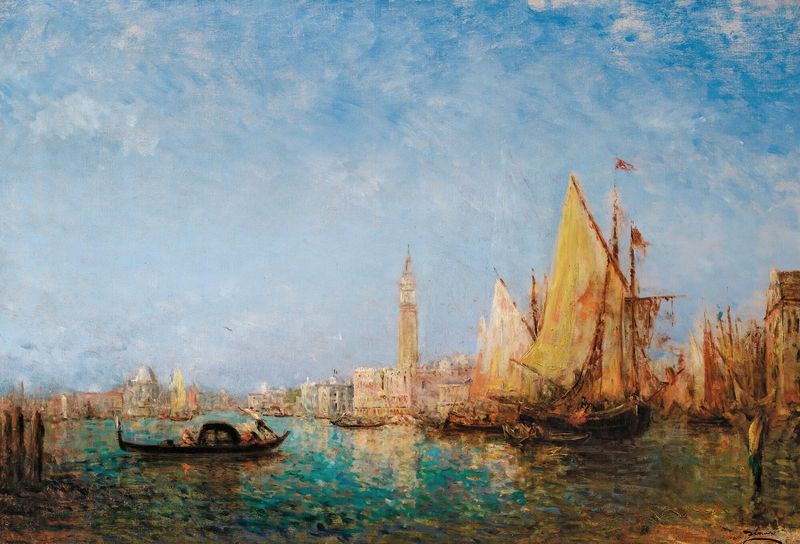
Le Palais Du Doge, Venise
Félix Ziem
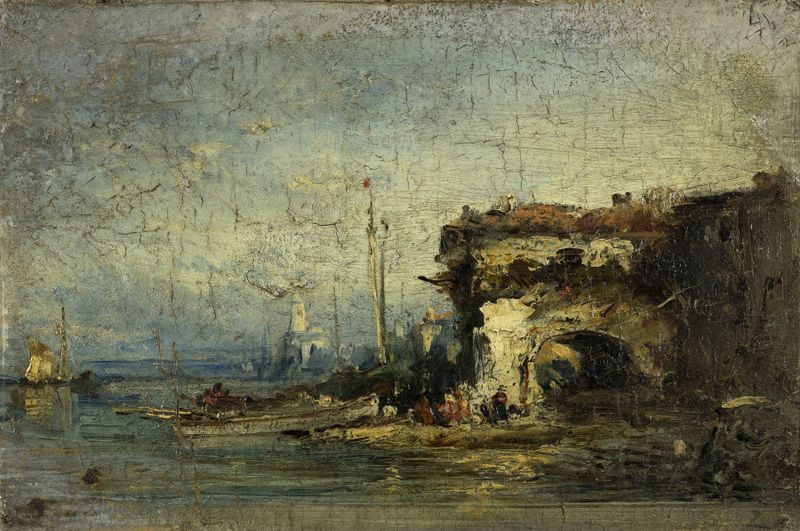
Vue d’Italie; la vieille porte
Félix Ziem
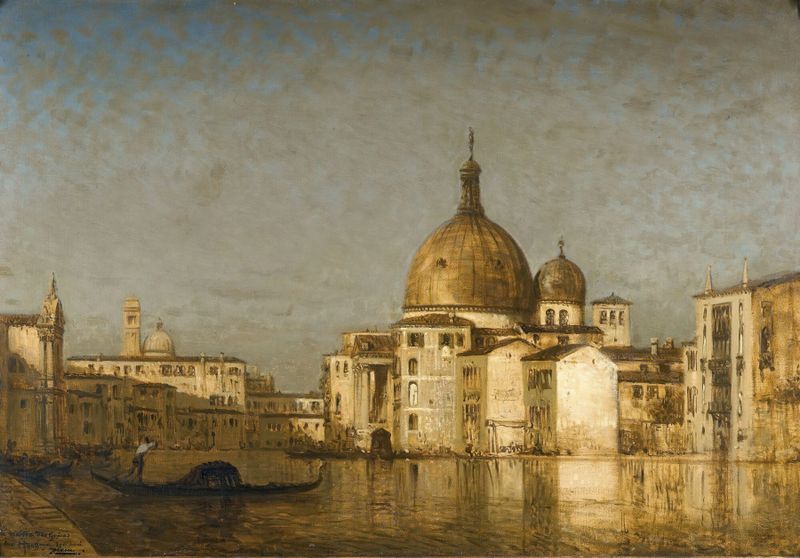
San Simeone Piccolo Au-Delà Du Grand Canal, Venis
Félix Ziem
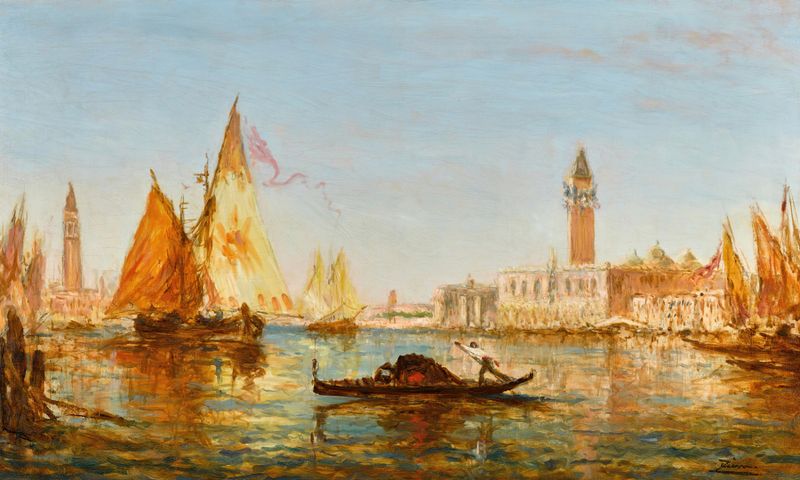
Venise, gondole et voiliers devant le Palais des doges et San Giorgio Maggiore
Félix Ziem





