
A summer day outdoors — History & Facts
When did color learn to lie? In the quiet of a sun-soaked landscape, vibrant hues suggest life, yet an unsettling emptiness lingers beneath the surface. Look to the center of the canvas, where the sun spills golden light onto a verdant expanse. The greens of the grass are exaggerated, almost unnatural, inviting the eye yet whispering of something amiss. Notice how the shadows stretch languidly, hinting at an unseen presence just beyond the frame.
The sky, a deep cerulean, contrasts with the verdancy, elevating the sense of separation—an illusion of warmth that belies the isolation of the scene. As you explore further, consider the absence of figures to disrupt the tranquil facade. This exclusion creates a tension between the promise of a summer day and the solitude that envelops it. The color palette, while vivid and inviting, magnifies the starkness of the empty space, provoking a disquieting sense of longing.
Every brushstroke seems a reminder that beneath the beauty of nature lies an echo of emptiness, a silence that reverberates through the landscape. Created during a time when European art was shifting toward evoking emotional responses through evocative landscapes, this piece reflects Ignaz Raffalt’s engagement with the natural world. The exact date remains unknown, yet the artist immersed himself in the beauty of nature, capturing the fleeting essence of summer days. His work emerged within a broader context of Romanticism, where the interplay of emotion and environment began to shape the narrative of art in profound ways.
More Artworks by Ignaz Raffalt
Browse all →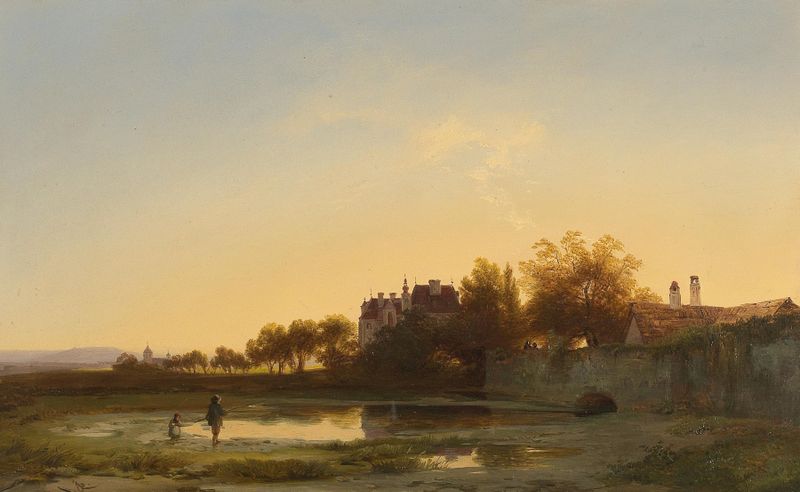
Angler in the evening light by the castle pond
Ignaz Raffalt
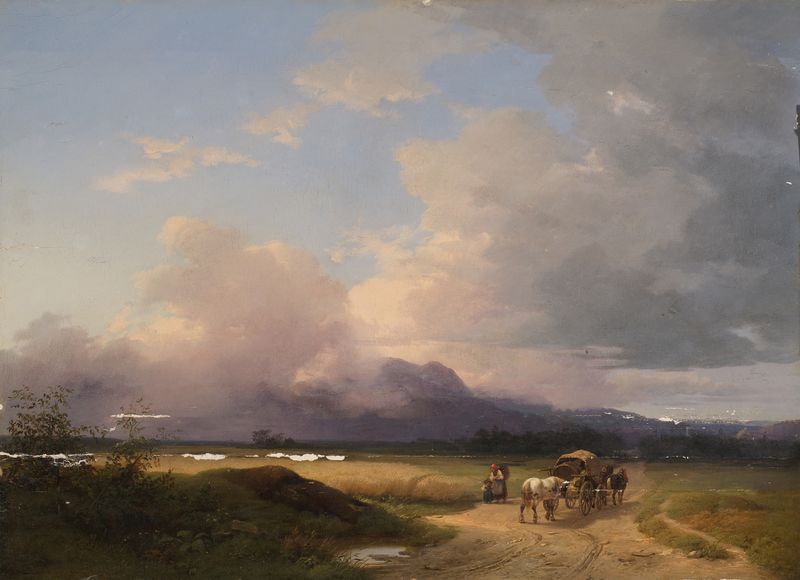
Voralpenlandschaft mit Fuhrwerk auf der Straße
Ignaz Raffalt

Hainbach near Vienna
Ignaz Raffalt

Resting in front of the Inn
Ignaz Raffalt

Stormy Landscape
Ignaz Raffalt
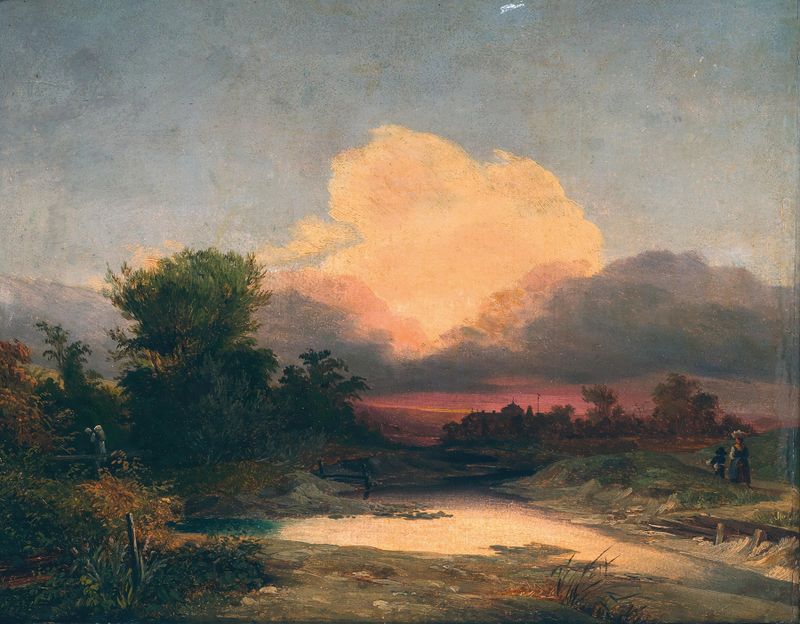
A Landscape at Sunset
Ignaz Raffalt
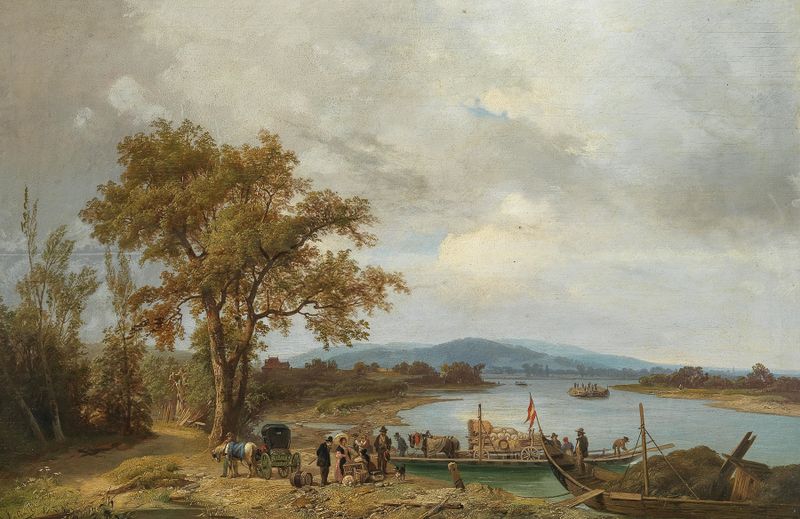
A Danube Landscape with Ferries
Ignaz Raffalt
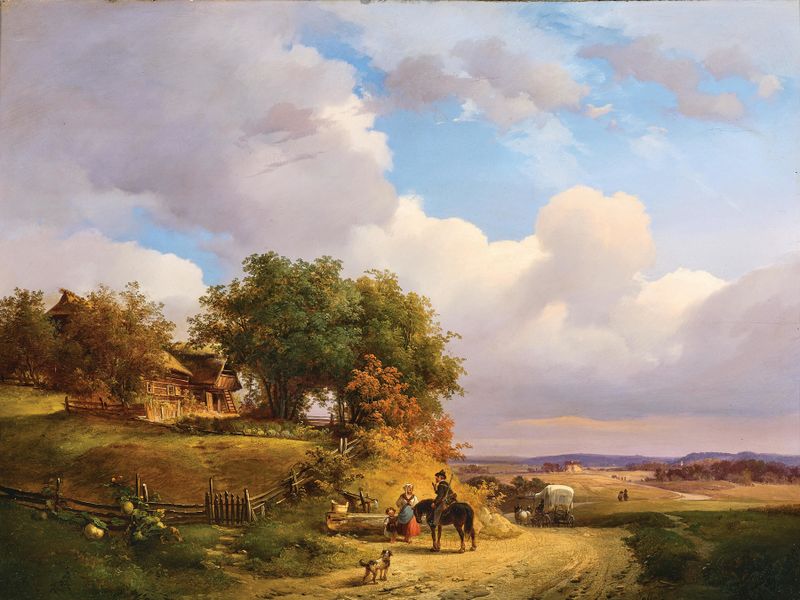
A Hunter Resting on a Country Road
Ignaz Raffalt
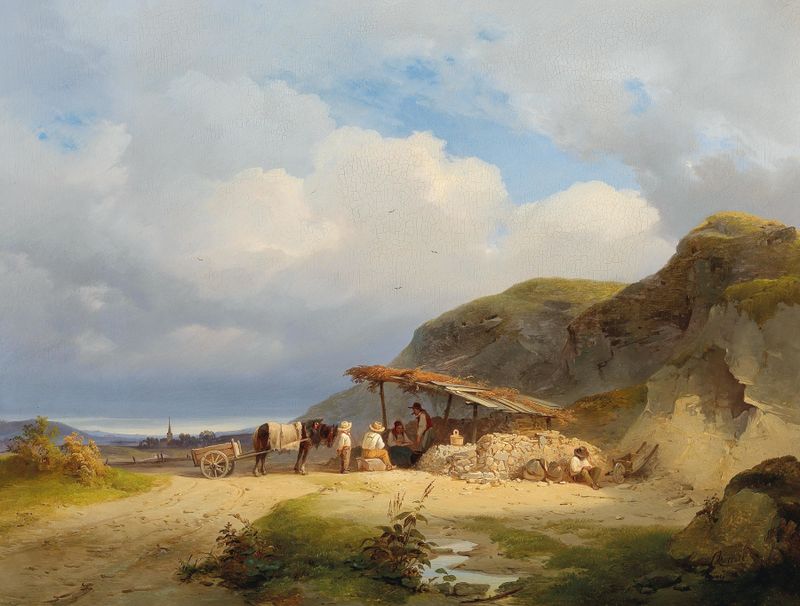
Resting at noon
Ignaz Raffalt
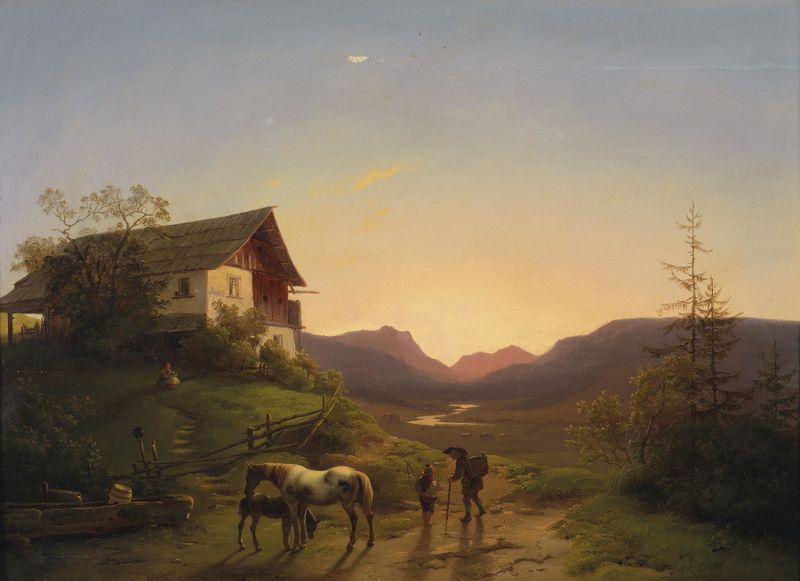
Abendstimmung
Ignaz Raffalt





