A sunny ciel from France — History & Facts
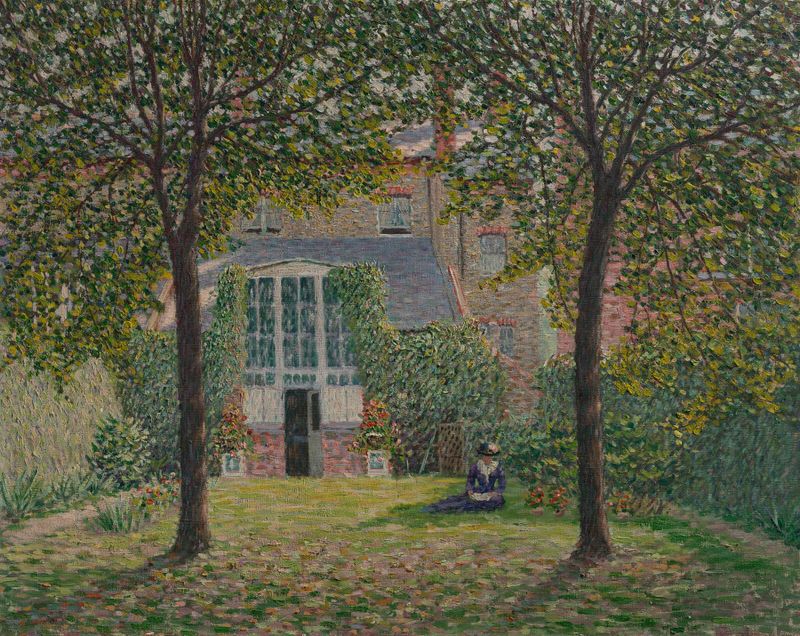
This reflection resonates deeply as one gazes upon the vibrant hues of a tranquil landscape, where the sun spills its golden light over a peaceful scene. What lies beneath the shimmering surface, however, invites contemplation beyond the aesthetic. Focus on the bold strokes that form the rolling hills, where bursts of yellow and green dance together, almost blending into one another. Notice how the sky, splashed with delicate blues and whites, opens up, inviting your gaze upward.
The brushwork creates a textured depth, giving movement to the clouds while anchoring the viewer's eye firmly in the serene expanses of nature’s canvas. Each element is carefully orchestrated, yet the apparent simplicity speaks volumes about the artist's intent to evoke harmony. Delve deeper into the interplay of light and shadow; here lies the emotional tension. The radiant sun illuminates the landscape, yet the shadows lurking at the edges hint at the underlying struggles of existence—a reminder that even in the most beautiful scenes, there may be untold stories of hardship.
The juxtaposition of vibrant color against subtle darkness echoes the complexities of life, suggesting that beauty often coexists with pain, forever intertwined. Wynford Dewhurst created this piece in the early 20th century, a time when he was immersed in the Impressionist movement, influenced by the natural landscapes of France. This period marked a significant shift in art, as artists sought to capture fleeting moments of light and color. In his pursuit of portraying the essence of nature, Dewhurst contributed to a broader dialogue about perception and the emotional weight of scenery, reflecting both personal and societal transformations in the aftermath of industrialization.