
A Tent in the Rockies — History & Facts
In the stillness of nature, where beauty and fear intertwine, lies an invitation to confront the unknown. Look to the foreground, where a vibrant tent stands defiantly against the rugged backdrop of the Rockies. The tent's rich hues contrast sharply with the muted earth tones of the surrounding landscape, drawing the eye into an interplay of warmth and coolness. Notice how the sunlight bathes the canvas in a soft glow, enhancing the texture and inviting a deeper connection to the scene while casting long, ominous shadows that hint at the vastness beyond. In this relaxed moment, an undercurrent of tension lurks.
The tent, a symbol of both refuge and vulnerability, suggests a transient existence amid nature's grandeur. The looming mountains evoke feelings of isolation and fear, whispering the impermanence of human life in the face of the eternal. Here, the silence is palpable, as if nature holds its breath, contemplating the human spirit's audacity to occupy such wild, untamed spaces. Sargent painted this work in 1916 while spending time in the American West, a period when he was exploring the interplay of light and color in new ways.
At this time, the artist was amid a transition in his career, moving toward more impressionistic approaches after years of traditional portraiture. The world was enveloped in the turmoil of World War I, which undoubtedly influenced the themes of solitude and refuge captured in this piece.
More Artworks by John Singer Sargent
Browse all →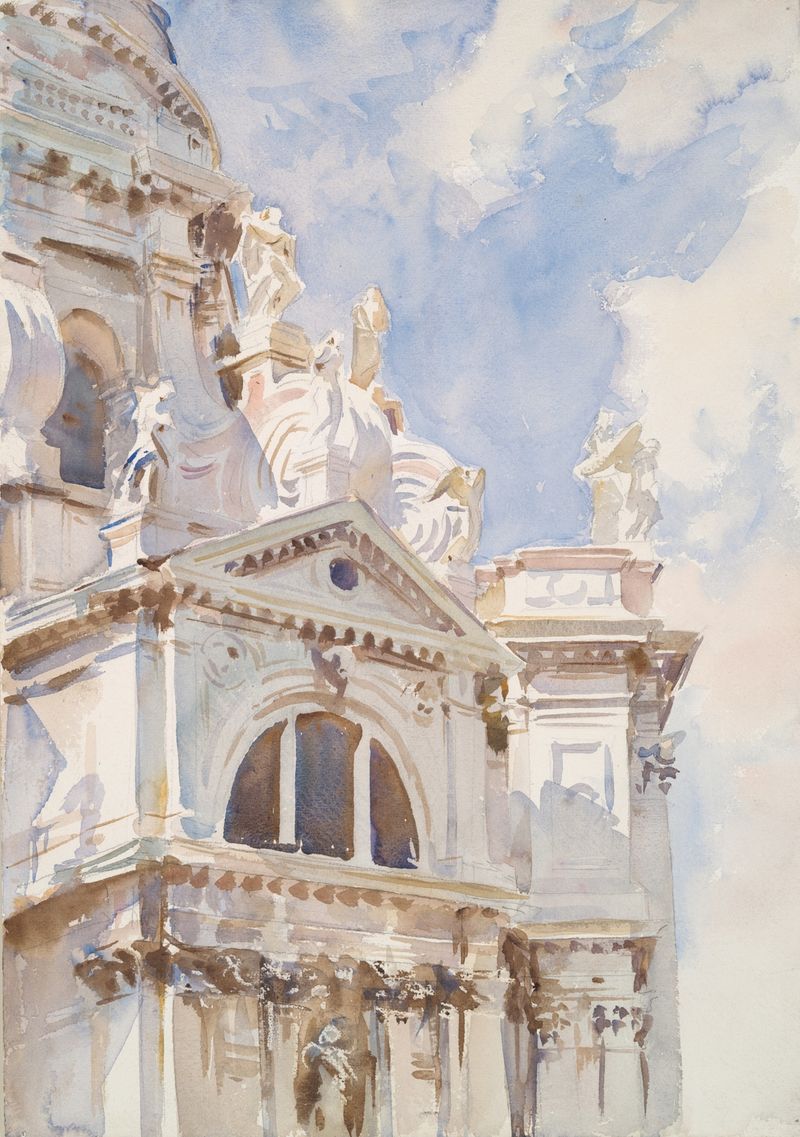
The Salute, Venice
John Singer Sargent

Mrs. Charles Deering (Marion Denison Whipple)
John Singer Sargent
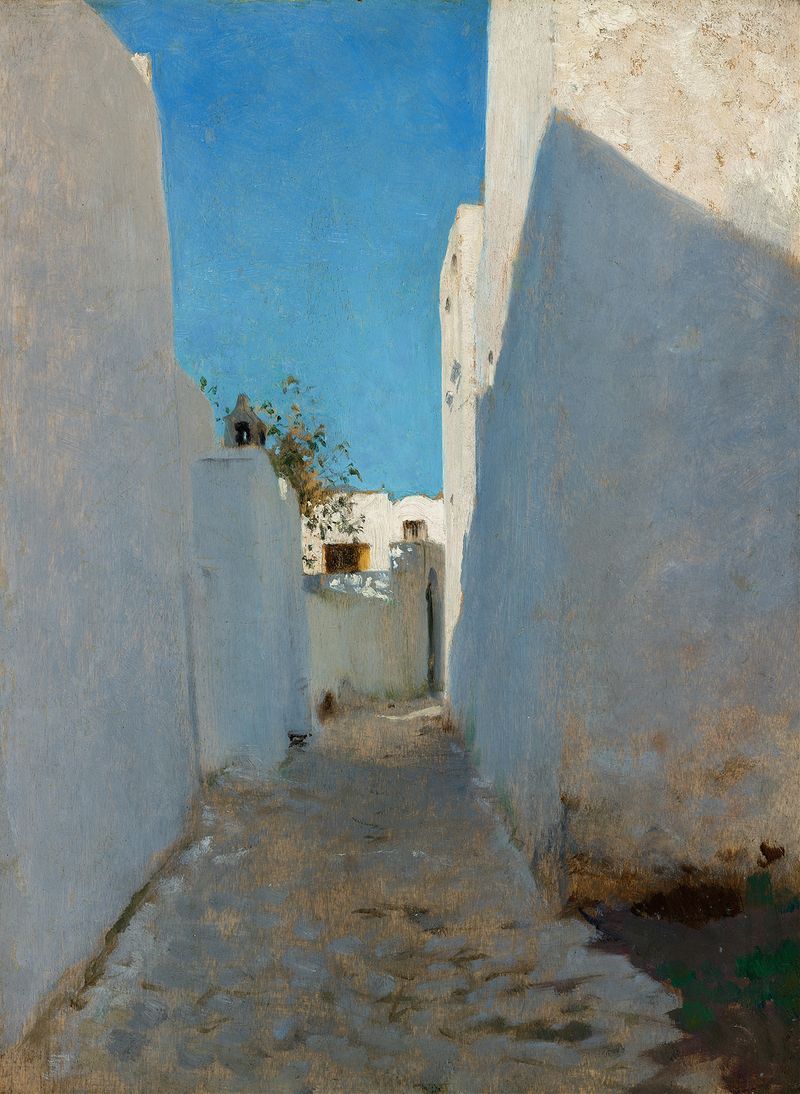
A Moroccan Street Scene
John Singer Sargent
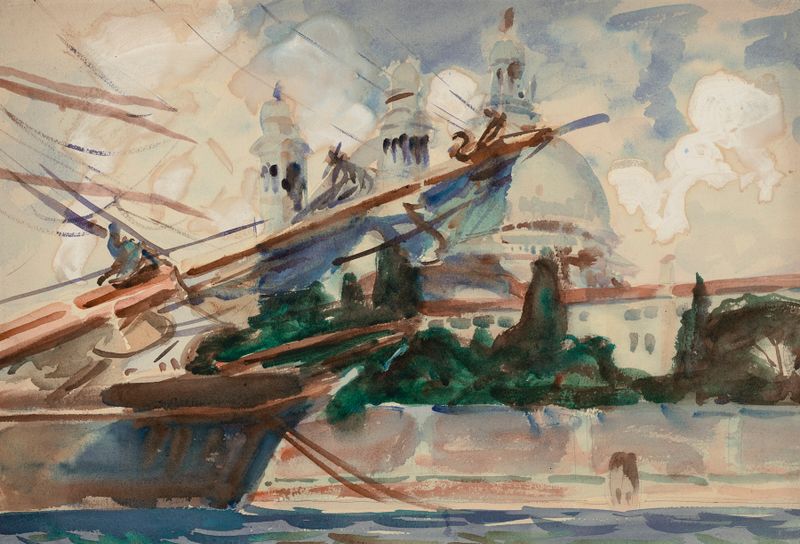
The Salute, Venice
John Singer Sargent
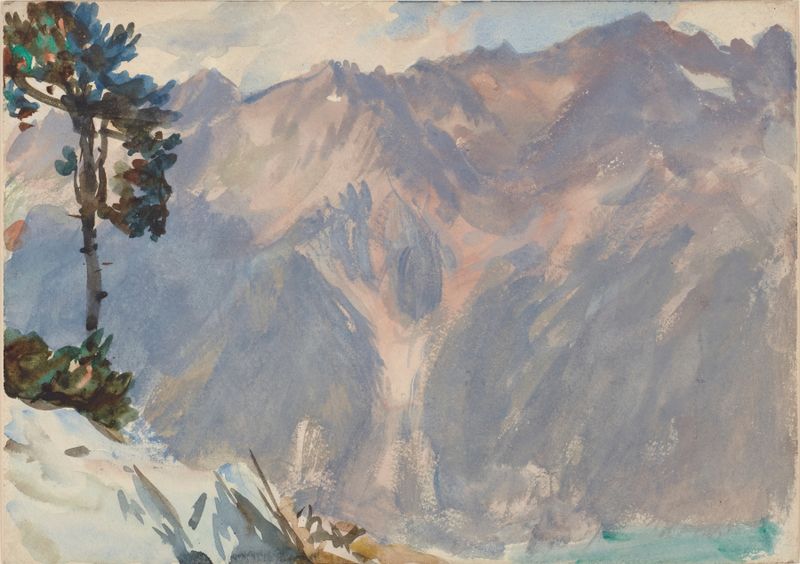
Tyrol
John Singer Sargent
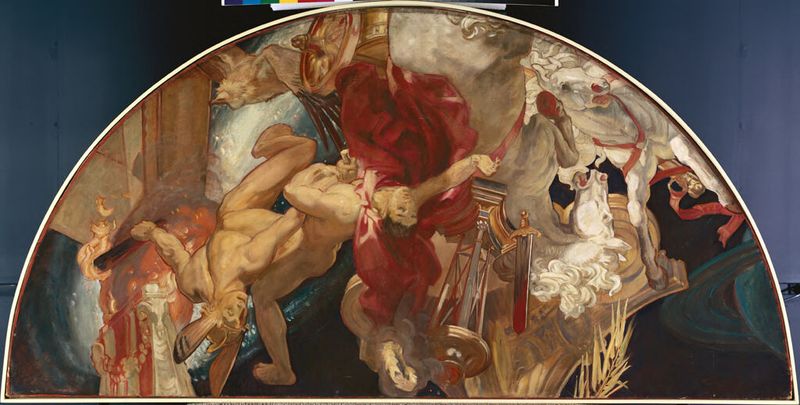
Study for "Gog and Magog," for the Boston Public Library
John Singer Sargent
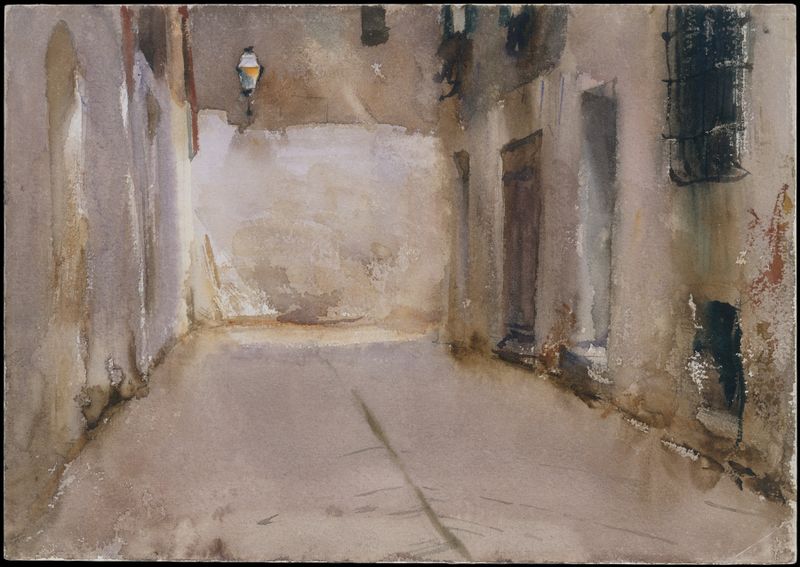
Venice
John Singer Sargent
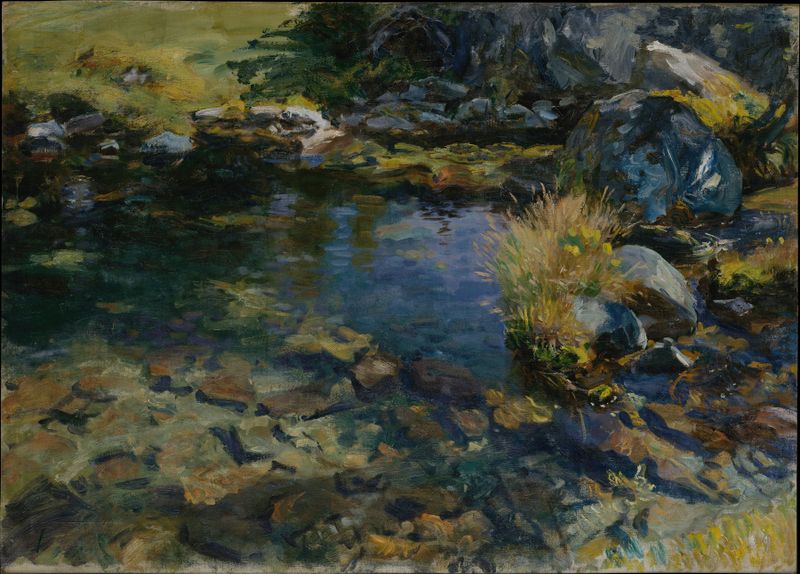
Alpine Pool
John Singer Sargent
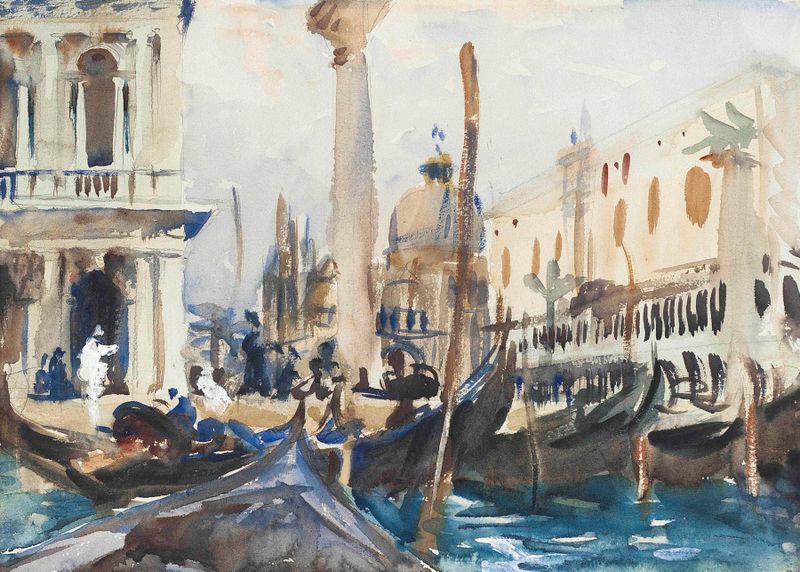
The Piazzetta with Gondolas
John Singer Sargent
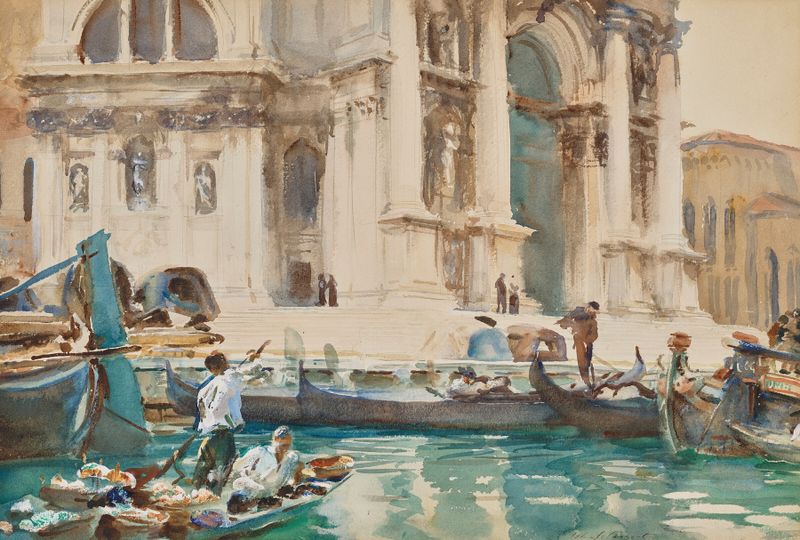
The Façade of La Salute, Venice
John Singer Sargent





