A Tree. Study — History & Facts
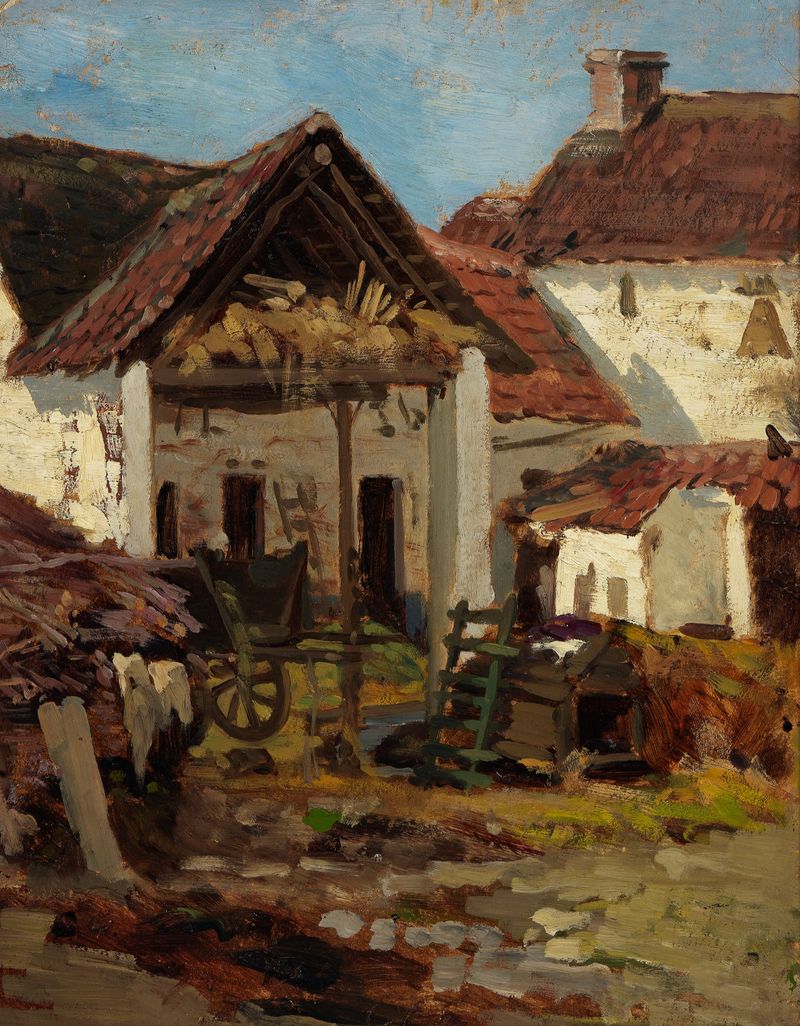
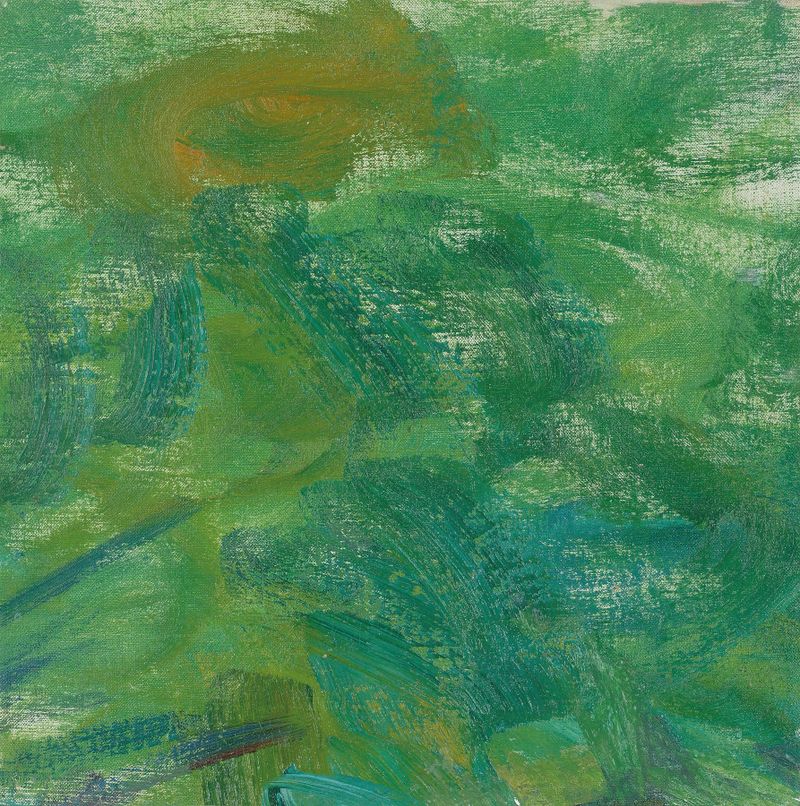
When did color learn to lie? In the delicate interplay of hues, one can find both beauty and betrayal, an unsettling duality that challenges perception. Look closely at the central form, an intricate tree rendered with a blend of vibrant greens and deep browns. Notice how the light dances upon the textured bark, creating shadows that hint at hidden truths. The branches stretch outward, inviting yet foreboding, while the subtle strokes of color pulse with an underlying tension, revealing complexity in simplicity.
Each brushstroke whispers secrets, urging the viewer to ponder the layers of meaning embedded within the organic structure. As you explore further, consider the emotional undertones. The juxtaposition of lush foliage against a stark background evokes a sense of isolation, as if the tree stands alone—its vibrancy a façade masking the stark reality of its surroundings. This contrast speaks to the human experience of longing and sorrow, where external appearances may mask deeper struggles.
In the interplay of color and form, one senses a narrative of growth and decay, a reminder of nature's fickle essence. The artist, working in an unrecorded period, navigated the complexities of representation and abstraction. Anna Nordlander, during her exploration of environmental themes, sought to encapsulate the intrinsic connection between life and its inherent fragility. In a world increasingly disconnected from nature, her work challenges viewers to confront their relationship with the environment, urging a deeper reflection on the truths that lie hidden beneath vibrant surfaces.