
A view of Anteopolis — History & Facts
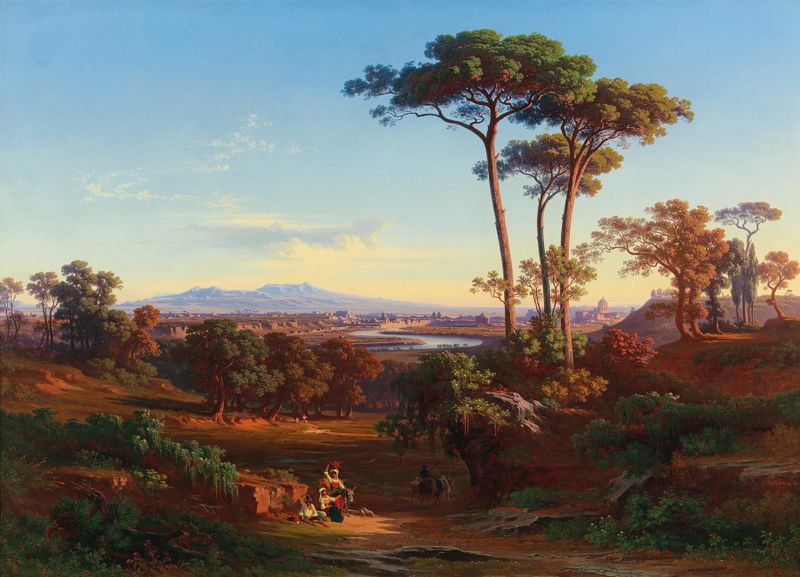
Could a single brushstroke hold eternity? In A View of Anteopolis, the tension of fear looms just beneath the surface, whispering secrets of uncertainty and longing through every meticulously crafted detail. Look to the left at the towering spires that pierce the horizon; they command attention, their sharp edges contrasting with the softness of the surrounding landscape. Notice how the light falls upon the architectural marvels, casting shadows that dance like specters across the ground. The palette, with its muted earth tones and hints of azure, invites the viewer into a world teetering on the brink of reality and illusion, where each brushstroke breathes life into what might seem an ordinary scene. Beneath the grandiosity of the cityscape lies an emotional undercurrent.
The juxtaposition of the serene valley below and the imposing structures above reflects an anxiety about progress and change, hinting at the fear of losing touch with nature amid rapid industrialization. The distant figures, small and almost lost against the grandeur of the city, evoke a sense of isolation, underscoring how individuals can feel dwarfed by their ambitions and the world around them. In this period of his life, Frey, a Swiss painter, created A View of Anteopolis during the mid-19th century, amidst a Europe grappling with political upheaval and the rise of modernity. Transitioning from the romanticism of his earlier work, he was exploring themes of urbanization and its impact on human experience, capturing a fleeting moment that resonated with the societal fears of his time.
More Artworks by Johann Jakob Frey
Browse all →
From The Surroundings Of Rome
Johann Jakob Frey
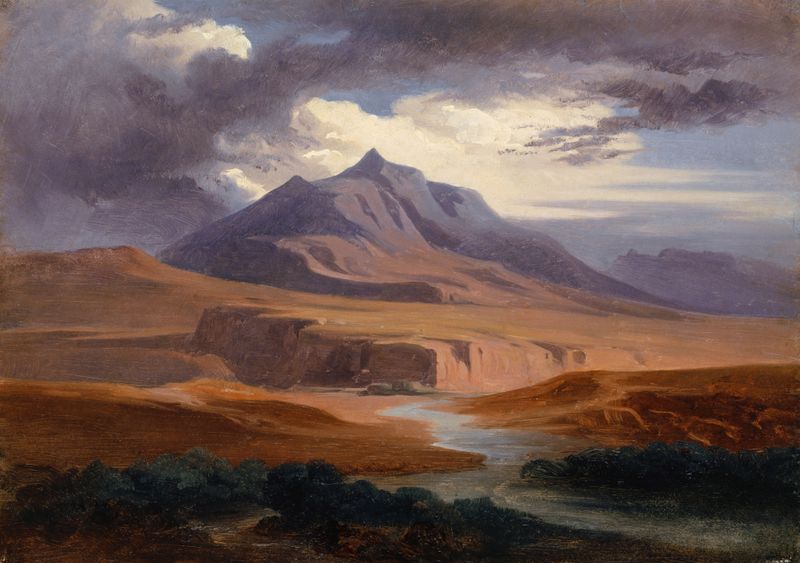
Mountains In The Roman Campagna
Johann Jakob Frey
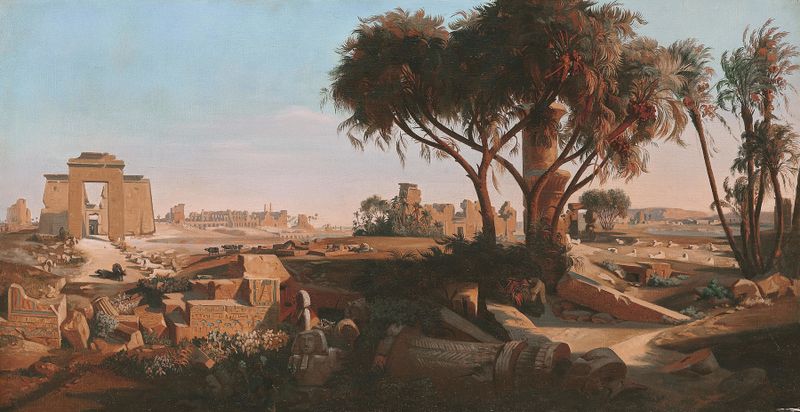
Karnak
Johann Jakob Frey
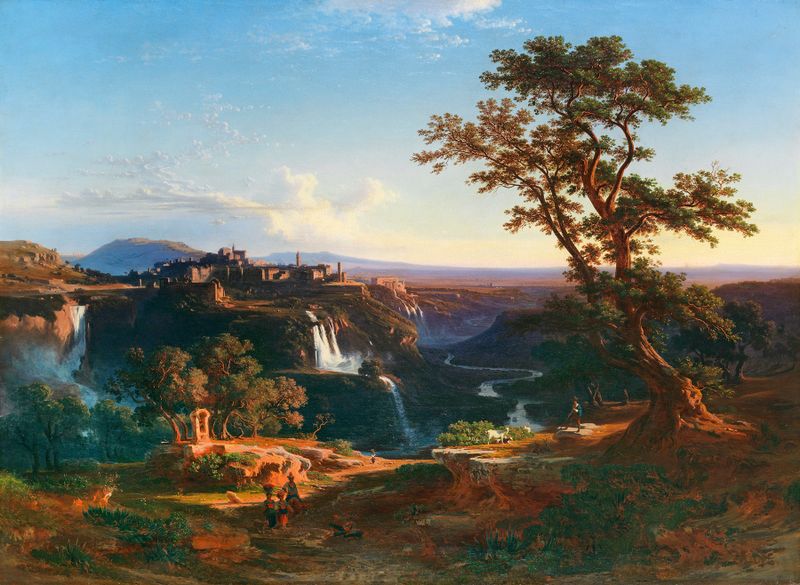
Die Kaskaden von Tivoli in der Abendsonne
Johann Jakob Frey

Forest Landscape in the Roman Mountains
Johann Jakob Frey

Landscape Near Granada
Johann Jakob Frey
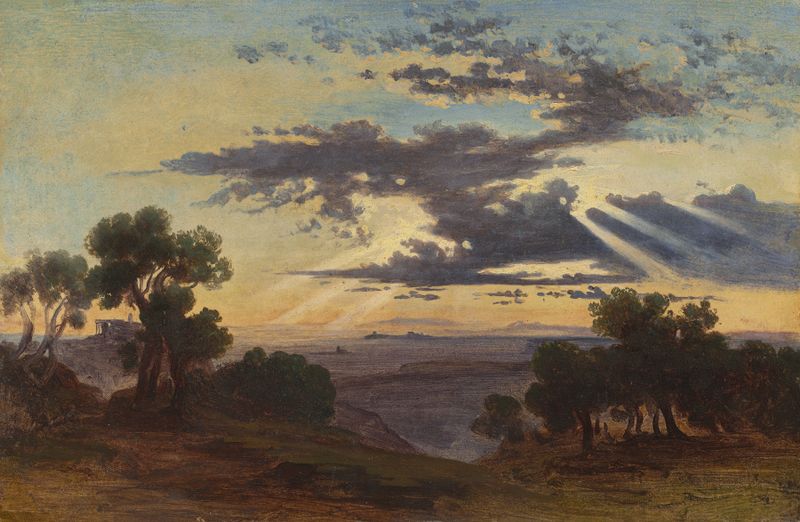
Sun Breaking through Clouds above the Roman Campagna
Johann Jakob Frey
Ansicht von Rom vom Monte Mario
Johann Jakob Frey

A Caravan Surprised By The Samoom In Front Of The Sphinx
Johann Jakob Frey

The Temples At Paestum In The Rain
Johann Jakob Frey





