A View of Antwerp — History & Facts
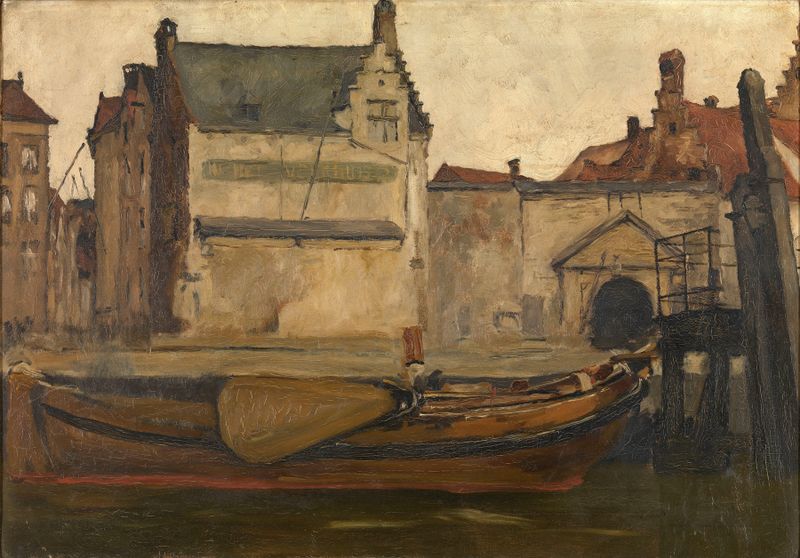
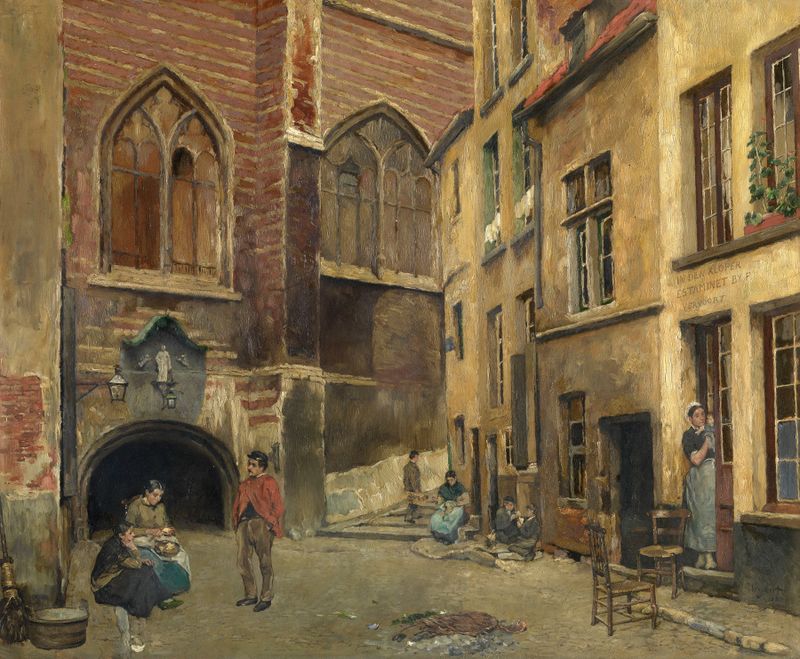
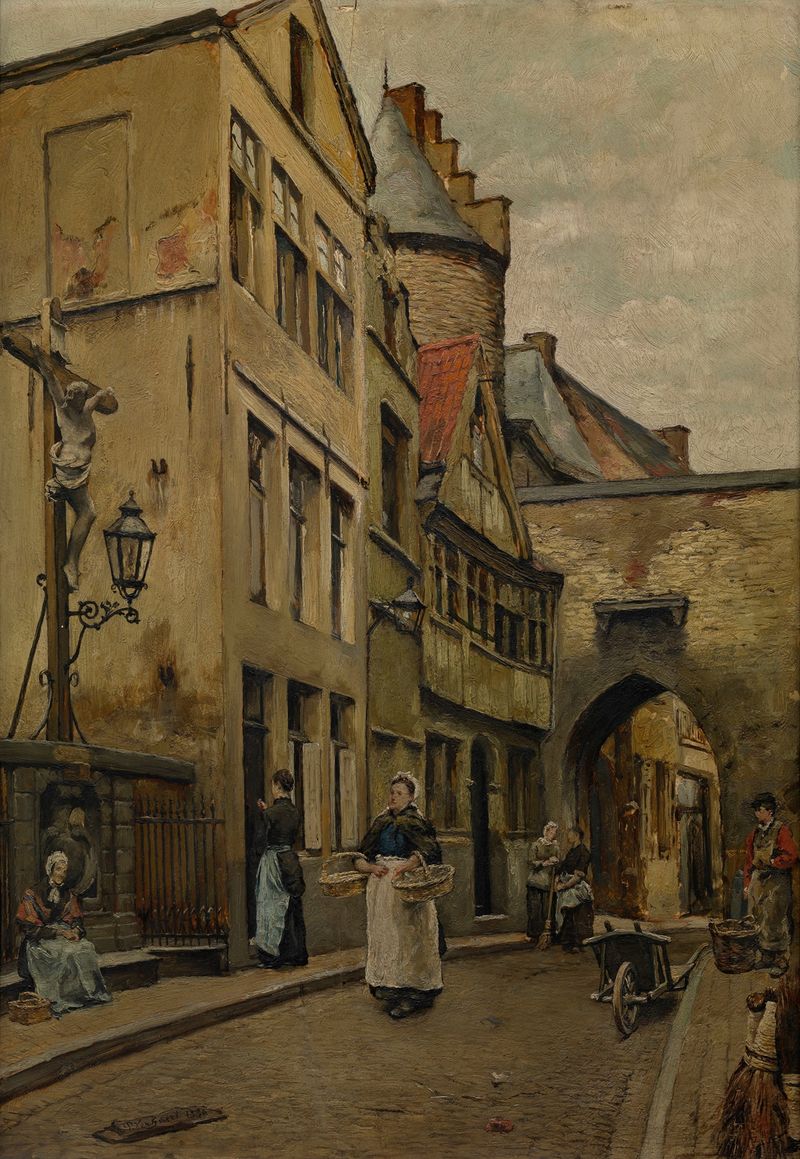
Can beauty exist without sorrow? In the heart of every vibrant scene lies an unspoken ache, a reminder of what has been lost. A View of Antwerp encapsulates this tension, inviting us to ponder the interplay between joy and grief within the canvas of life. Look to the horizon, where the delicate outlines of the Antwerp skyline stand against a shifting sky, layered with hues of blue and gold. The painter’s brush captures the soft glow of sunlight, spilling across the painted surfaces like whispered secrets.
Notice the intricate details in the architecture; each building seems to breathe, telling stories of history and human experience. The warm colors contrast with the cooler shadows lurking beneath, hinting at unseen sorrows that dwell within the beauty. Within the composition, one can sense the juxtaposition of life's vibrancy against the heavy cloak of nostalgia. The bustling harbor below evokes industriousness and vitality, yet the clouds overhead suggest a looming introspection, echoing the idea that every moment of beauty carries the weight of what has passed.
Subtle elements—a lone figure gazing across the water, the distant silhouette of a ship—invoke a sense of longing, reminding us that with every view, there exists a narrative of loss intertwined with hope. During the time A View of Antwerp was painted, the artist was likely navigating a complex landscape of artistic revival and personal aspiration. Although the exact date remains unknown, Verhaert was influenced by the burgeoning romantic movement, which sought to capture not only the beauty of the natural world but also the emotions that intertwine with it. His works reflect a moment in history where personal and collective grief found expression in the flourishing art of the time, bridging the gap between observer and the observed.