The Old Antwerp Butcher Hall — History & Facts
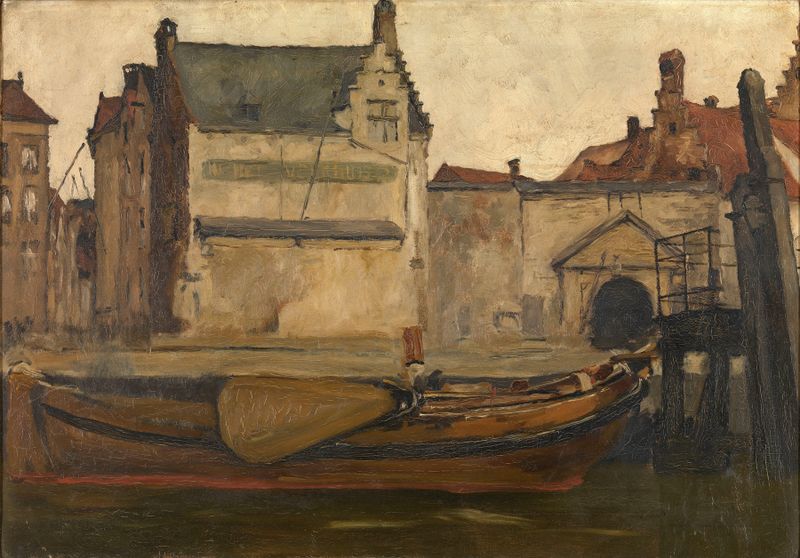
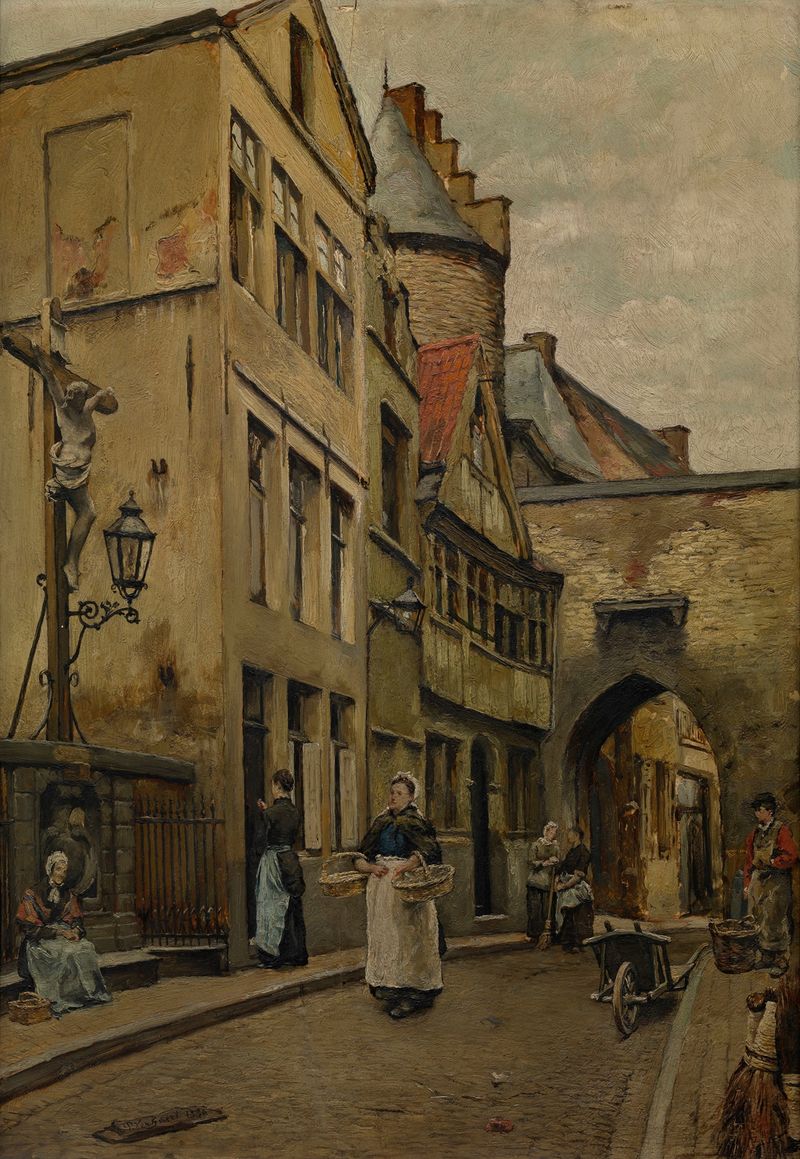
Could a single brushstroke hold eternity? In The Old Antwerp Butcher Hall, moments of hope linger amidst the echoes of industry and tradition, inviting us to reflect on the passage of time. Focus on the intricate details that dominate the painting. Look closely at the figures to the left, where the butcher’s hands skillfully carve meat, their movements almost rhythmic against the backdrop of aged wood and stone. Notice how the warm hues of ochre and crimson dance in the light, evoking both the vitality of life and the weight of labor.
The composition's depth draws you into the scene, making you feel as if you are standing there, absorbing the atmosphere filled with purpose and history. Yet beneath the surface, deeper truths emerge. The juxtaposition of the bustling activity and the stillness of those observing speaks to the tension between life and livelihood. The gentle light filtering through the windows suggests a fleeting moment, a reminder that every era carries its stories and struggles.
The faces of the onlookers reveal a silent yearning, hinting at dreams that exist beyond the confines of this lively marketplace. Piet Verhaert created this piece in 1882 while living in Antwerp, a city steeped in artistic heritage and industrial change. At this time, the art world was experiencing a shift towards realism, capturing everyday life with authenticity. Verhaert, influenced by his environment, sought to illustrate the interplay of human experience and the labor that shapes communities, marking a significant moment in his career.