
A View of Temse — History & Facts
Did the painter know this moment would outlive them? Captured in a stillness that transcends time, A View of Temse invites us to linger in the profound beauty of fleeting experience, evoking a deep sense of longing. Look to the center of the canvas where the river glimmers under a soft, golden light, reflecting the sky’s gentle hues. The meticulous brushstrokes create a rhythmic flow that leads the eye along the water’s path, drawing us deeper into the scene. To the left, a solitary figure stands poised, gazing out towards the horizon, their silhouette blending harmoniously with the landscape.
The layered colors, from the earthy greens of the banks to the delicate blues of the sky, evoke both serenity and melancholy, revealing the artist’s keen understanding of nature's emotional resonance. There is a delicate tension in the juxtaposition of the vast open sky against the solitary figure, suggesting a longing for connection amidst the boundless beauty. The subtle play of light and shadow on the water ripples with quiet energy, amplifying the feeling of nostalgia. Every detail, from the gently swaying reeds to the distant hills, seems to whisper stories of moments past and unfulfilled desires, encouraging viewers to reflect on their own journeys. During the late 19th century, when A View of Temse was painted, Vogels was immersed in a world of shifting artistic movements, embracing impressionism's vibrant palette and emotive techniques.
Living in Belgium, he was deeply influenced by the surrounding landscapes, which inspired him to capture these intimate views. As the art world began to prioritize personal expression over tradition, this piece stands as a testament to his ability to convey the complexities of human emotion through the serene beauty of nature.
More Artworks by Guillaume Vogels
Browse all →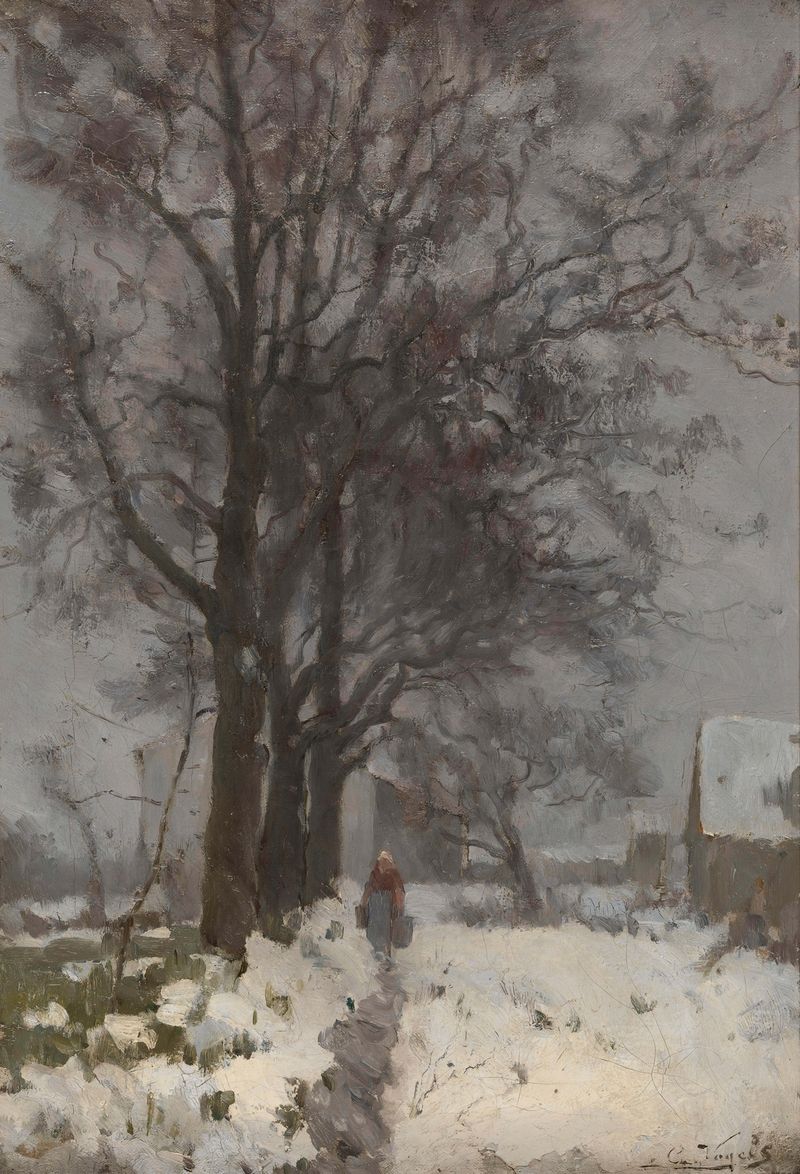
Snow-Covered Landscape
Guillaume Vogels

Twilight
Guillaume Vogels
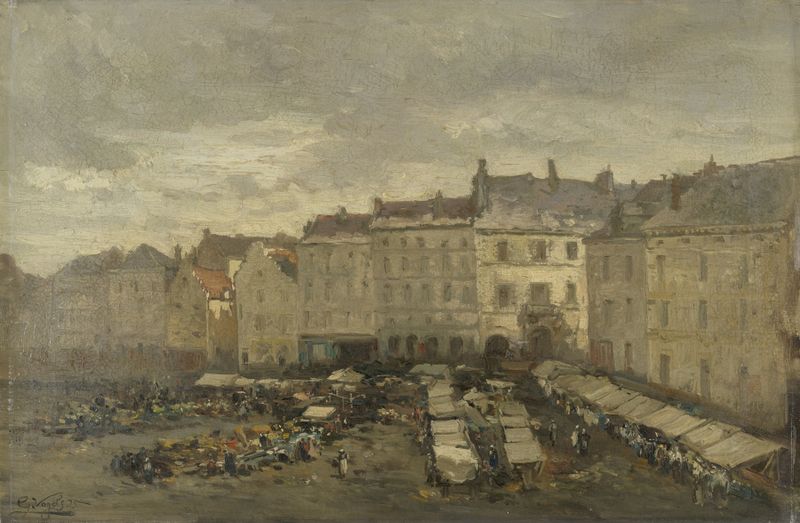
The Grote Zavel (Grand Sablon), Brussels
Guillaume Vogels
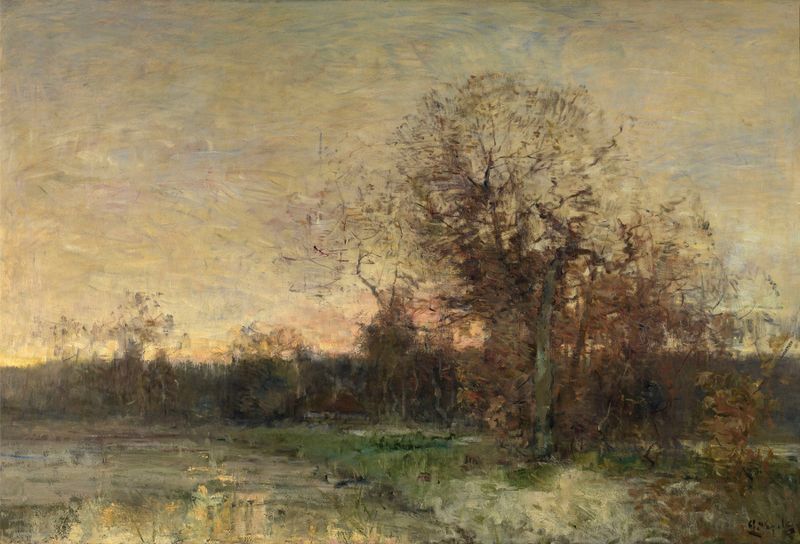
The Pond in Ixelles
Guillaume Vogels
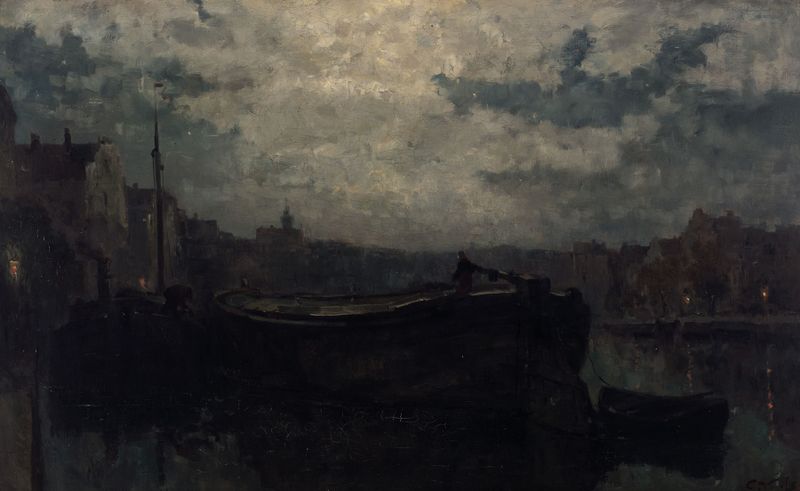
Dutch Canal at Night A
Guillaume Vogels

Wapenplein in Ostend
Guillaume Vogels

Beach View
Guillaume Vogels
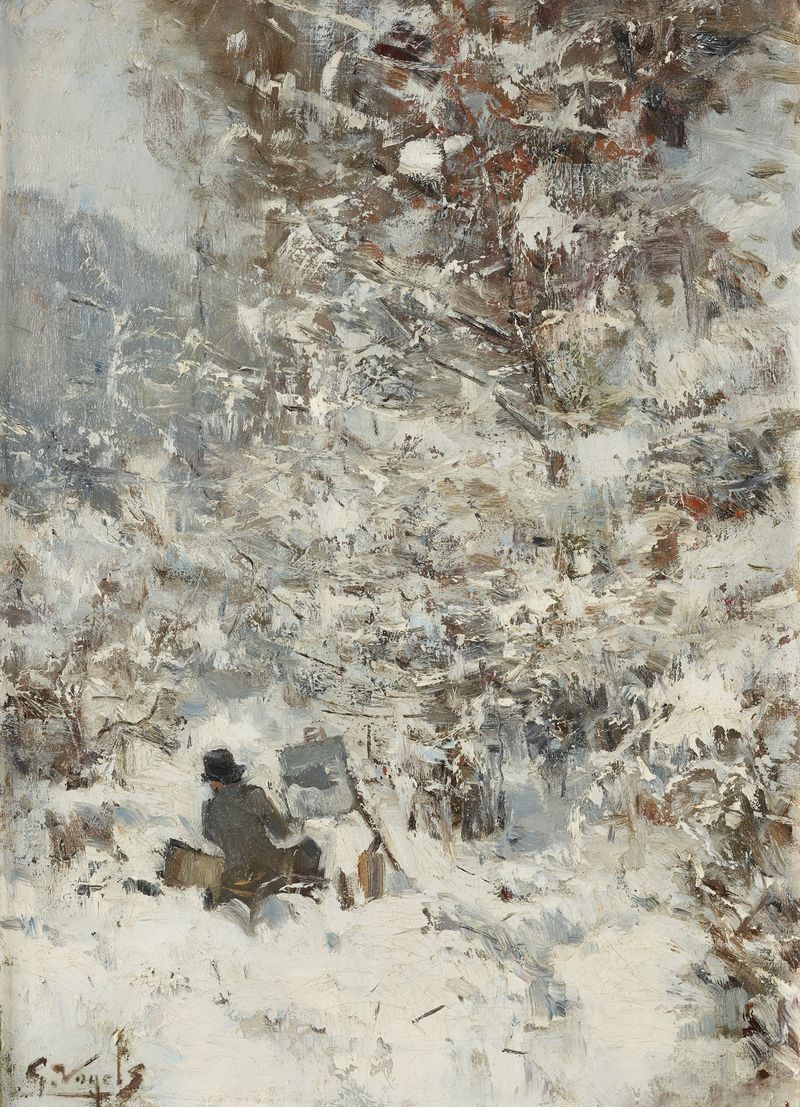
Pantazis in de sneeuw
Guillaume Vogels
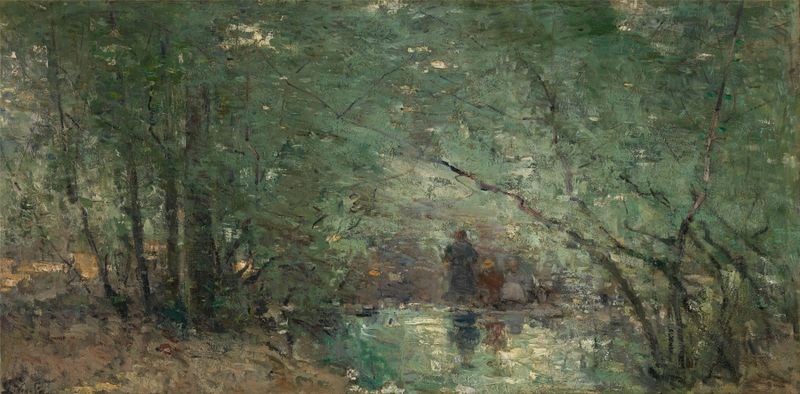
Marsh in the Sunlight
Guillaume Vogels
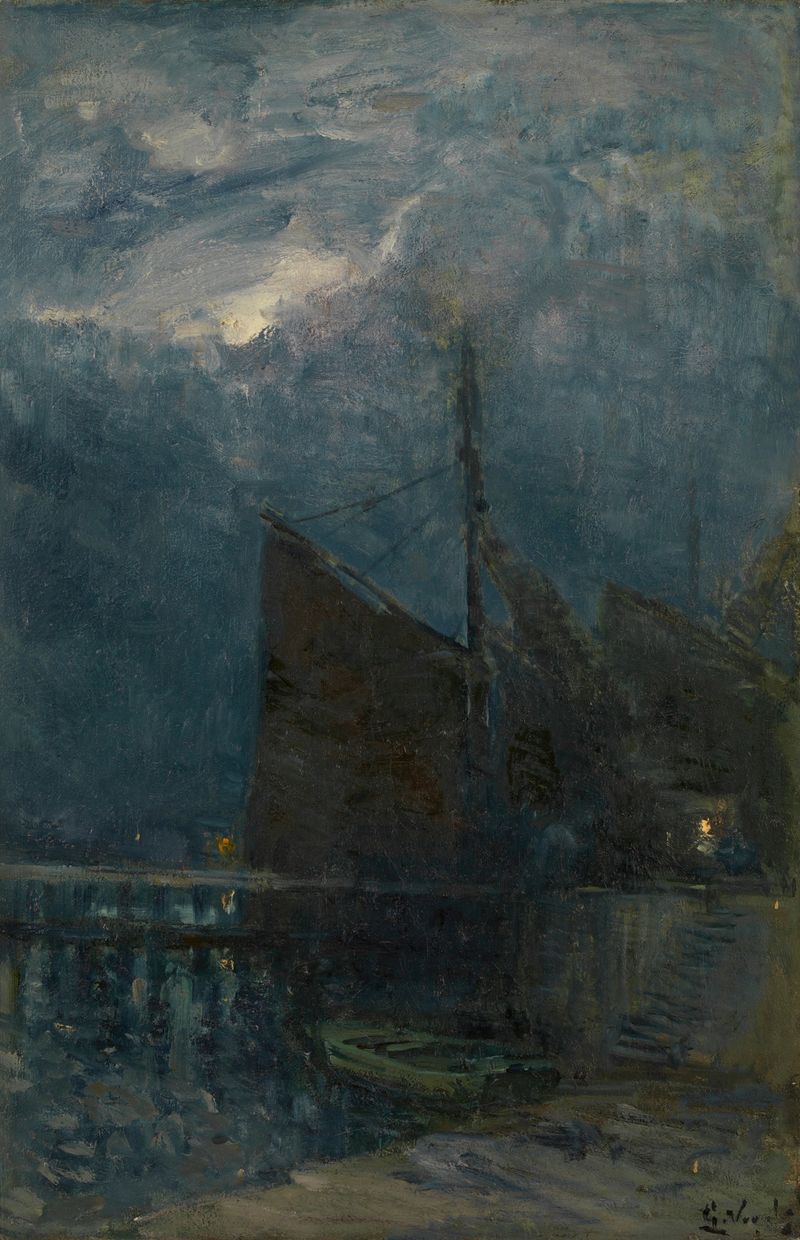
Entrance of a Harbour by Night
Guillaume Vogels





