
The Grote Zavel (Grand Sablon), Brussels — History & Facts
Where does light end, and longing begin? In The Grote Zavel, the delicate interplay of shadow and illumination speaks to the chaos of the human experience, capturing a moment that feels both serene and restless. Look to the left of the canvas, where the gentle hues of the setting sun cast a warm glow over the bustling square. The vibrant market stalls pulse with life, their colors—crimson, gold, and azure—juxtaposed against the muted tones of the surrounding architecture. Notice how the artist employs a loose yet controlled brushwork, blending the dynamic movement of the figures with the stillness of the buildings, creating a sense of harmony amidst the chaos.
The sky, a canvas of soft pastels, seems to cradle the scene, inviting viewers to linger in its beauty. Amidst the vibrancy, tension brews beneath the surface. The contrast of light and shadow suggests the fleeting nature of joy; the vivacious vendors and passersby are enveloped in the warmth of the day, yet they are oblivious to the darkness that gathers beyond the frame. The scattered figures—some engaged in lively conversation, others absorbed in their own thoughts—evoke a sense of longing for connection amidst the surrounding hustle.
Each gesture, each glance, hints at the stories unfolding, unseen yet felt. In 1875, Vogels painted this scene while residing in Brussels, a city brimming with artistic innovation and social change. The era was marked by a growing interest in realism and impressionism, which influenced his technique and subject matter. As an artist at this time, he sought to capture not just the physical space of the Grote Zavel but the emotional resonance of its inhabitants, reflecting the complexities of life and light in a rapidly evolving world.
More Artworks by Guillaume Vogels
Browse all →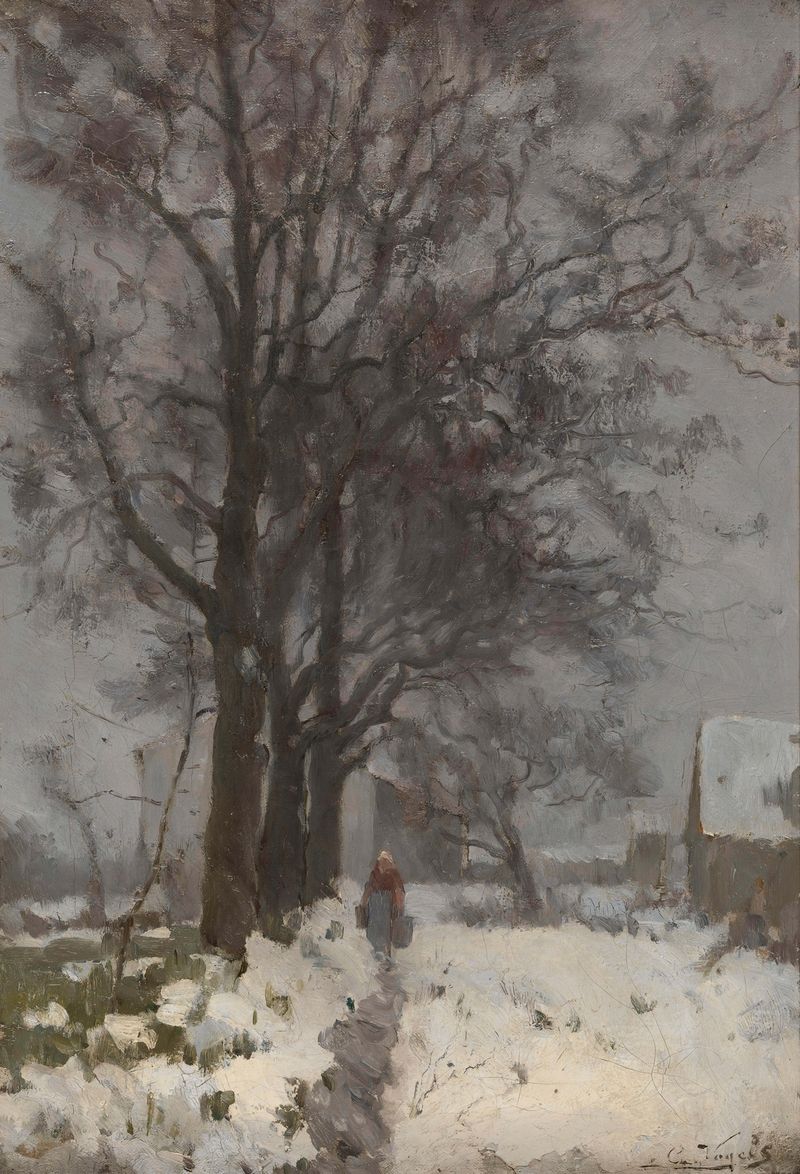
Snow-Covered Landscape
Guillaume Vogels

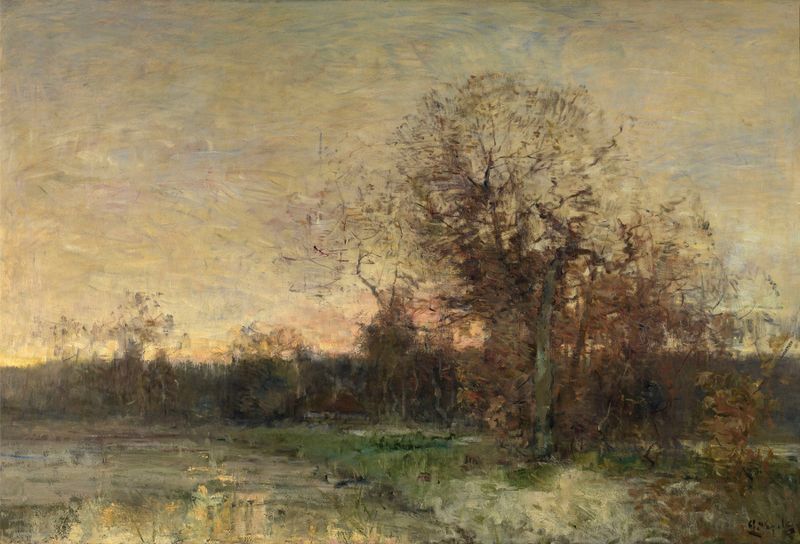
Twilight
Guillaume Vogels

A View of Temse
Guillaume Vogels
The Pond in Ixelles
Guillaume Vogels
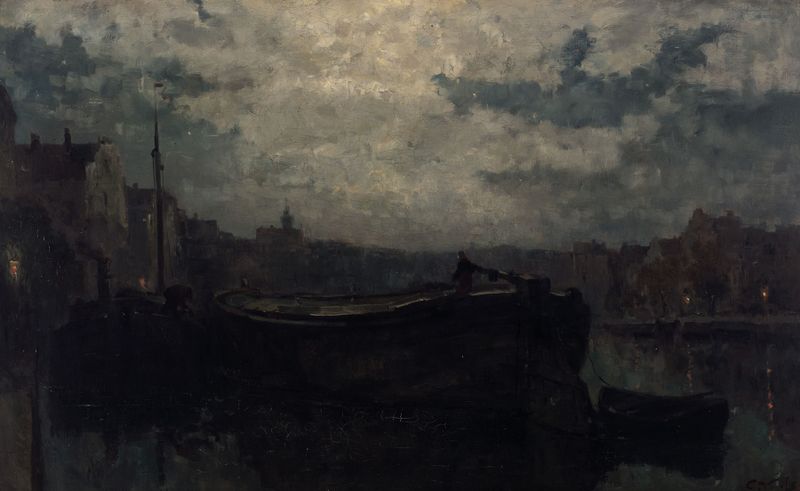
Dutch Canal at Night A
Guillaume Vogels

Wapenplein in Ostend
Guillaume Vogels

Beach View
Guillaume Vogels
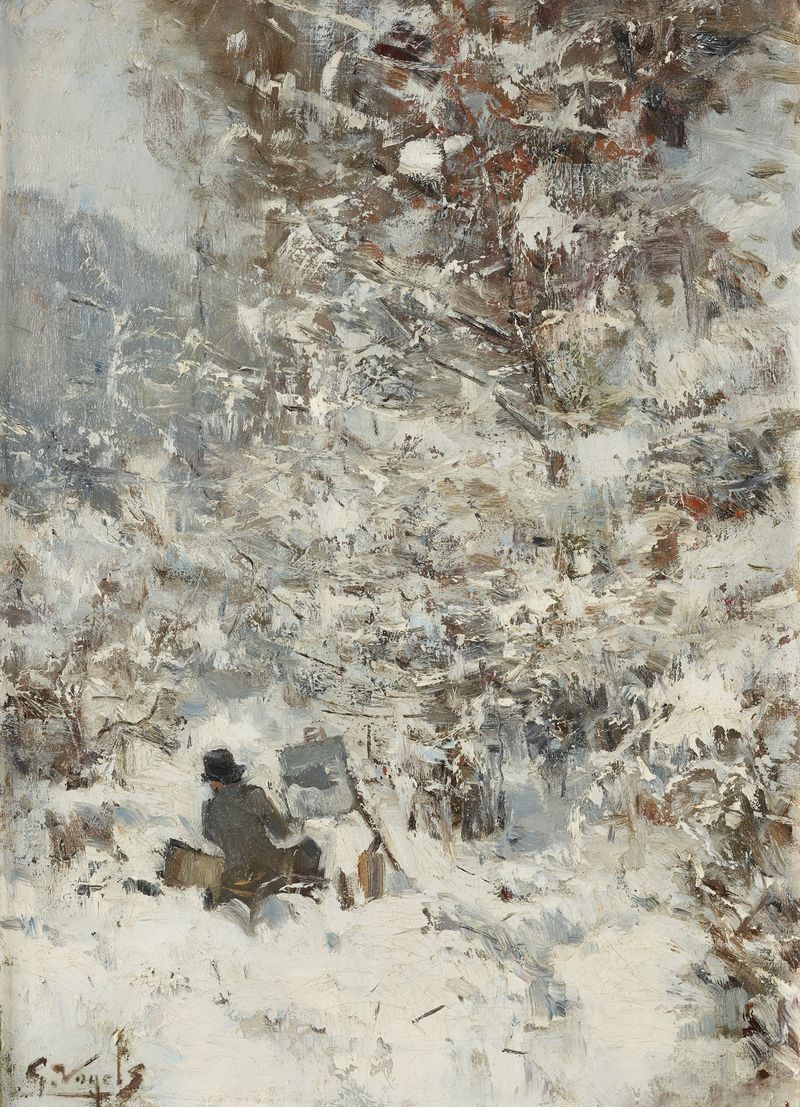
Pantazis in de sneeuw
Guillaume Vogels
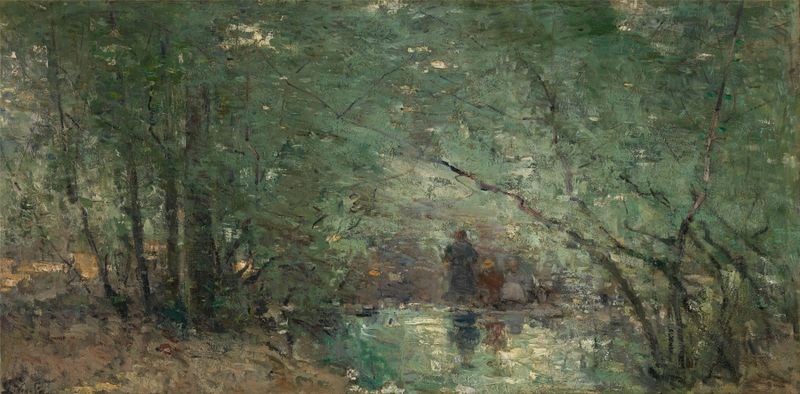
Marsh in the Sunlight
Guillaume Vogels
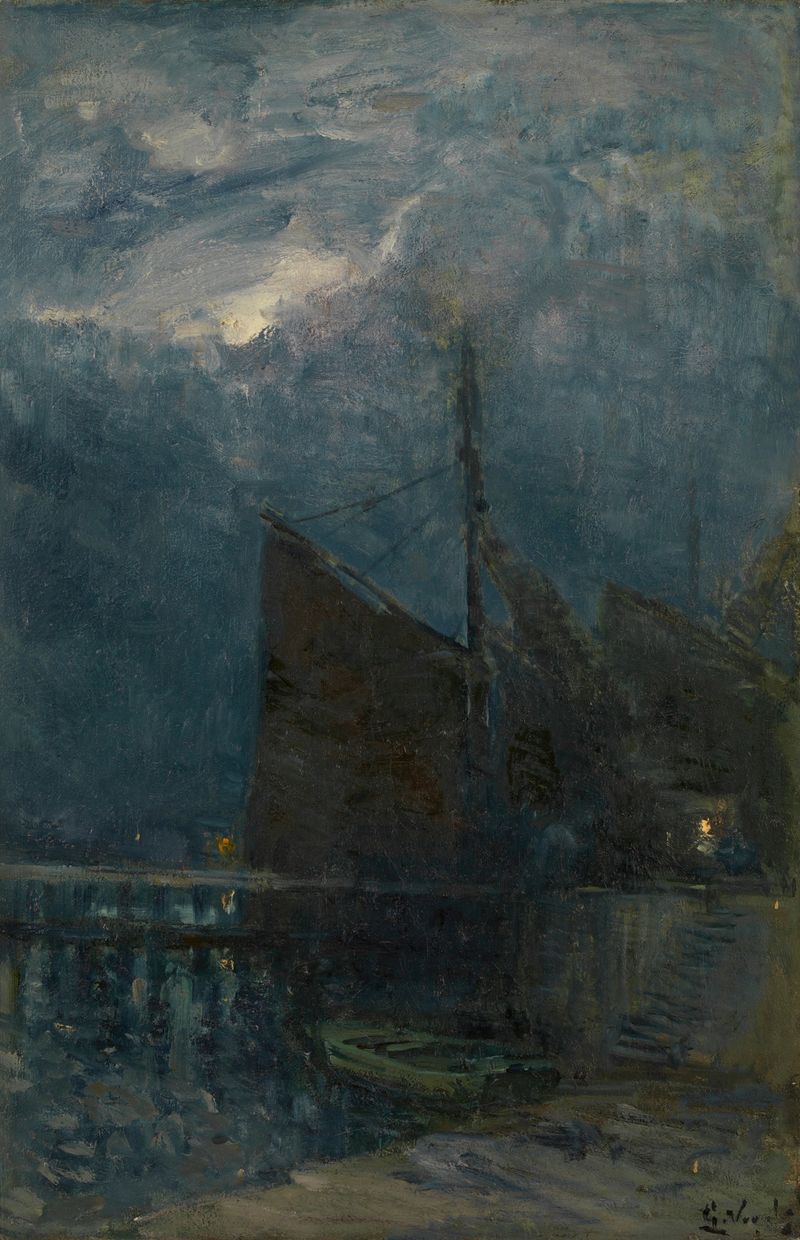
Entrance of a Harbour by Night
Guillaume Vogels





