A view of the IJ, Amsterdam, with the Haringpakkerstoren and the Nieuwe Stadsherberg in the distance — History & Facts
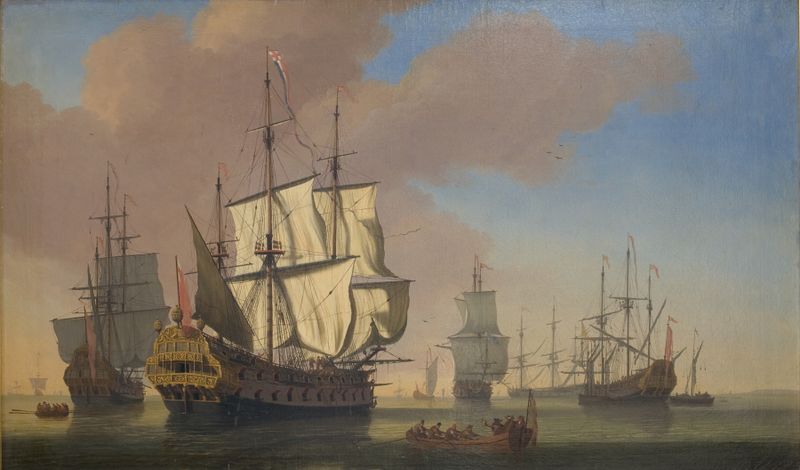
When did color learn to lie? In the hands of a master, hues whisper truths beyond the visible spectrum, turning a simple view into an ode to the extraordinary. Look to the center of the canvas, where the shimmering waters of the IJ reflect a breathtaking sky strewn with soft clouds. The artist’s brushstrokes convey a sense of movement in the water, while the calm expanse radiates tranquility. Notice how the distant towers—the Haringpakkerstoren and the Nieuwe Stadsherberg—stand tall, their intricate details meticulously rendered, embodying the architectural pride of Amsterdam.
The palette, dominated by cool blues and earth tones, captures the essence of a serene afternoon, drawing the eye toward the horizon where earth meets sky. Yet, beneath this picturesque surface lies a tension between nature and mankind's presence. The towering structures signify the encroachment of civilization, while the tranquil water evokes an enduring connection to nature. The contrast between the vibrant activity of the water and the stillness of the buildings speaks to the coexistence of life and architecture, a reminder of time's passage.
Look closely at the subtle play of light; it dances across the surface, hinting at fleeting moments and the impermanence of all that exists. In 1690, Jan Karel Donatus van Beecq painted this view while immersed in the vibrant artistic climate of Amsterdam. The city was experiencing a golden age of trade and cultural flourishing, providing fertile ground for artists. As they navigated the complexities of this rapidly changing world, works like this captured not only the cityscape but also the awe that beauty can evoke, inviting viewers to reflect on the tension between nature and human achievement.