A View Of Tivoli — History & Facts
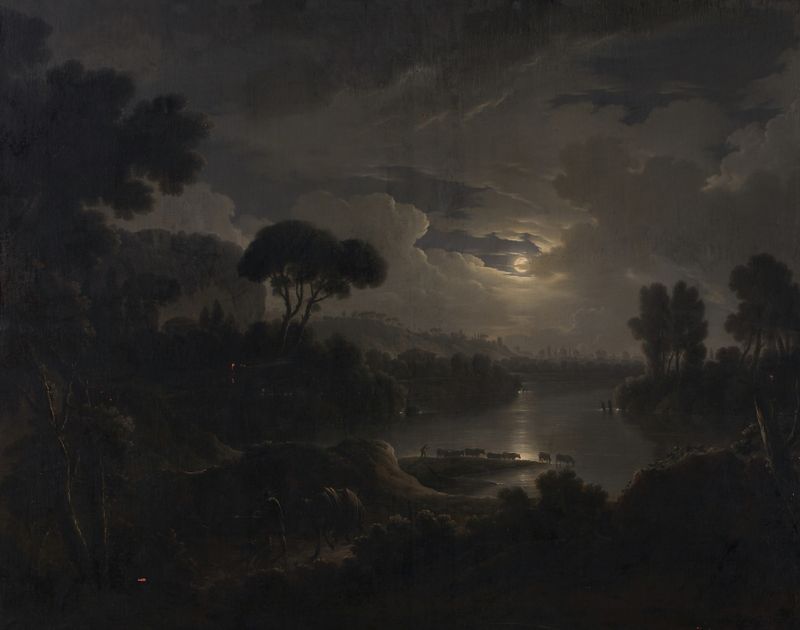
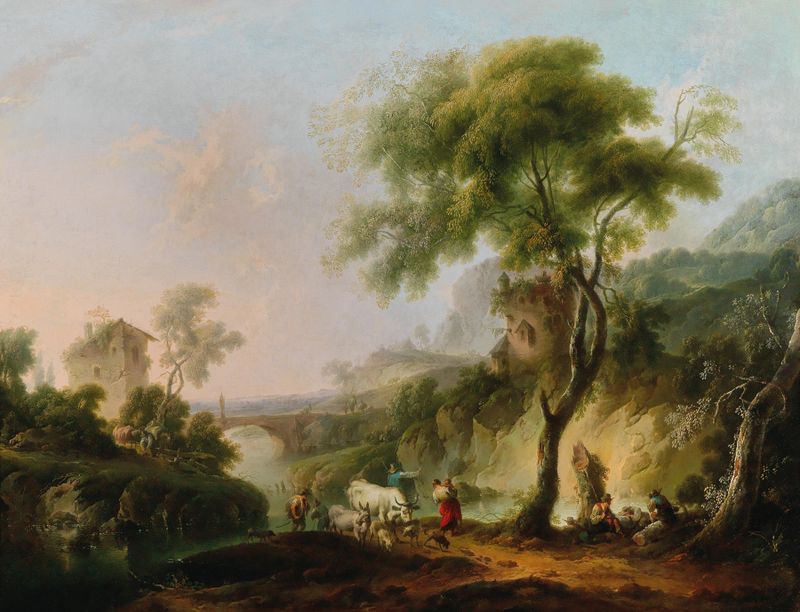
Did the painter know this moment would outlive them? In a world where whispers of innocence fade, a scene from nature captures a fleeting joy — a tender gaze into the heart of Tivoli. Focus first on the lush greenery that cascades down the hillsides, alive with a saturated vibrancy. The interplay of soft greens and deep blues creates a harmonious backdrop, guiding your eyes to the graceful architecture nestled within. Notice how the sunlight bathes the distant structures, revealing delicate details in the stonework and creating a warm contrast against the cool hues of the landscape.
The painter’s brushwork, fluid and yet precise, invites the viewer into this serene tableau while evoking a sense of tranquility. Within this idyllic setting, a deeper narrative unfolds: the juxtaposition of nature’s unyielding beauty against the transient nature of human life. The ancient ruins, remnants of a once-thriving civilization, speak to the inevitable passage of time. Each element, from the vibrant foliage to the distant hills, whispers of innocence lost and the enduring spirit of the land.
It forces us to confront not only the beauty that exists in the moment but also the pathos of what has been left behind. At the time A View of Tivoli was created, Michael Wutky was working in a period marked by a rediscovery of classical landscapes and the ideals of harmony and beauty in art. The exact date of this piece is unknown, but it aligns with a broader trend in the 18th century, when artists sought to depict the sublime aspects of nature and the idyllic essence of places like Tivoli, a beloved retreat for artists and intellectuals alike.