
A water mill with figures in a landscape — History & Facts
In the vast expanse of the canvas, a profound emptiness beckons, inviting contemplation and introspection. This painting captures not merely a scene, but a resonance of stillness that echoes throughout the landscape. Focus first on the water mill, which stands steadfast to the left, its wooden beams and thatched roof illuminated by a soft, golden light. Notice how the gentle strokes of earthy browns and muted greens create an atmosphere of tranquility.
The figures near the mill, though small, add a narrative depth; their simplicity harmonizes with the surrounding nature, bridging the gap between human endeavor and the silent embrace of the landscape. Delve deeper into the contrasts present within the work. The juxtaposition of the industrious mill against the vast, open sky speaks to the tension between humanity and nature, while the still water reflects not only the structure but also an essence of contemplation. The quiet figures, seemingly lost in their tasks, evoke a sense of solitude amidst the sprawling emptiness, highlighting the fragile balance between action and stillness. In 1637, the artist produced this piece during a time of personal exploration and experimentation with landscape painting in the Dutch Golden Age.
Creating it within the tranquil settings of his homeland, Jan van Goyen was transitioning toward a more subdued palette, reflecting both his artistic evolution and the broader cultural shift toward realism and introspection in art.
More Artworks by Jan van Goyen
Browse all →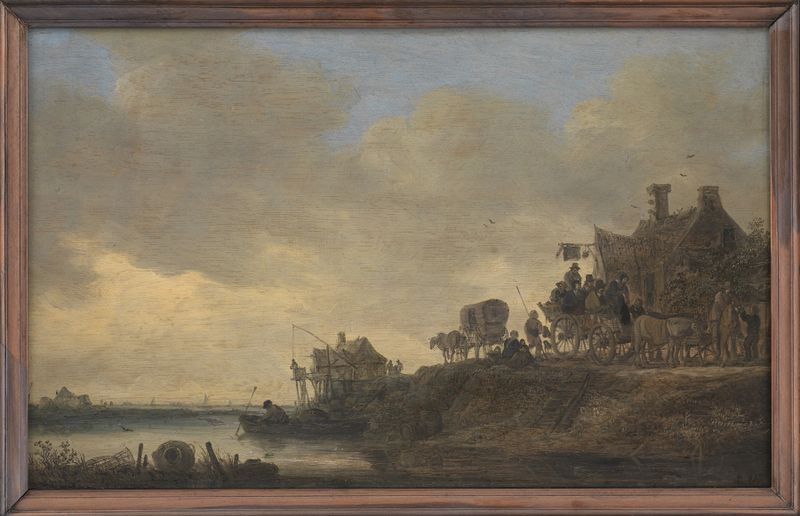
River Scene with the ‘Swan’ Tavern
Jan van Goyen

The Valkhof in Nijmegen
Jan van Goyen
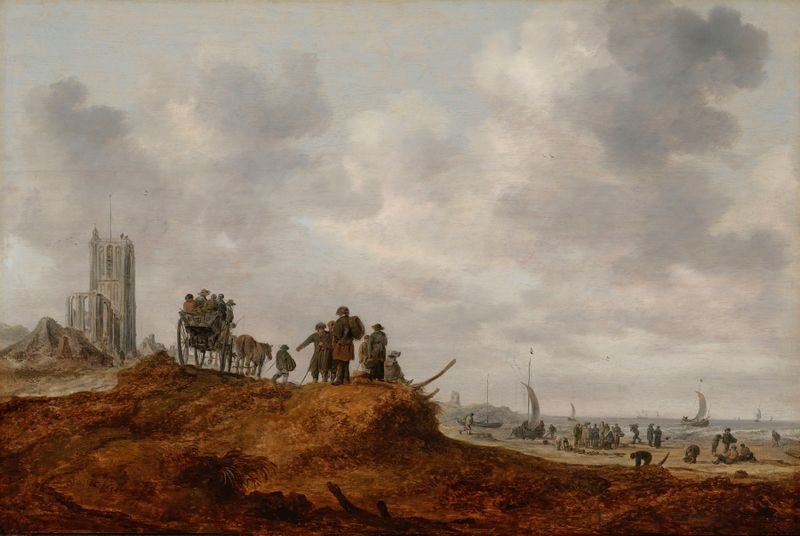
The Old Church at Egmond aan Zee
Jan van Goyen
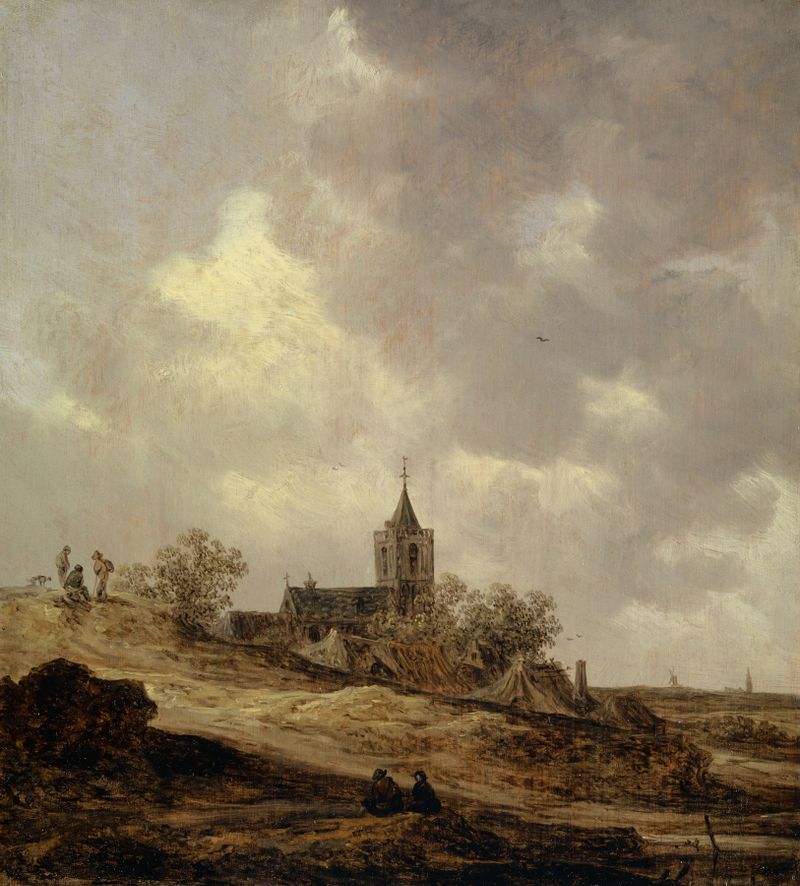
Village Church seen from the Dunes
Jan van Goyen
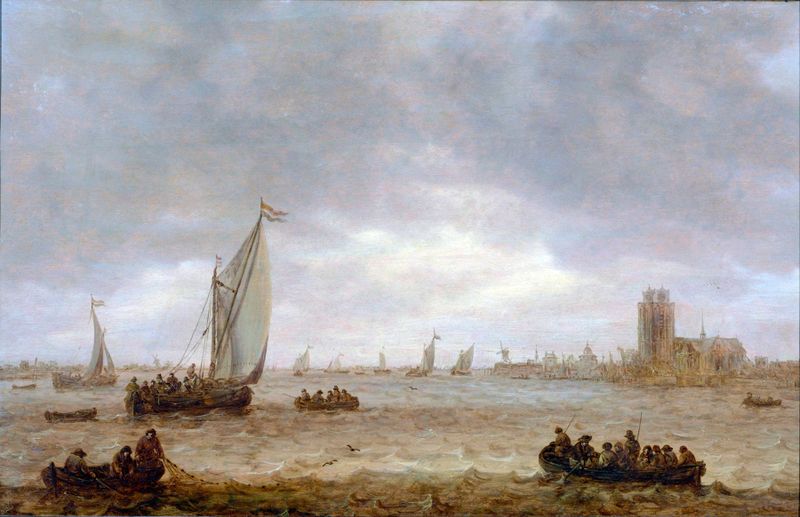
Mouth of the Meuse
Jan van Goyen

River Landscape with the Pellecussen Gate near Utrecht
Jan van Goyen
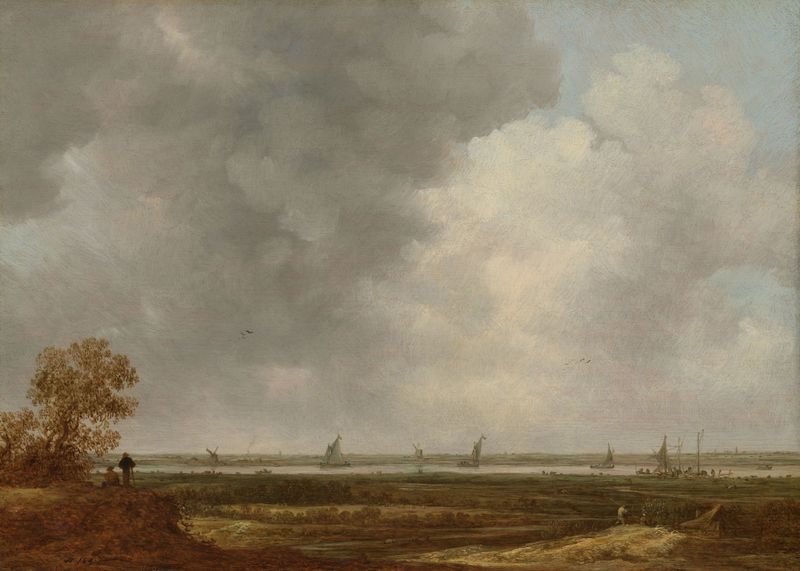
Panoramic View of a River with Low-lying Meadows
Jan van Goyen
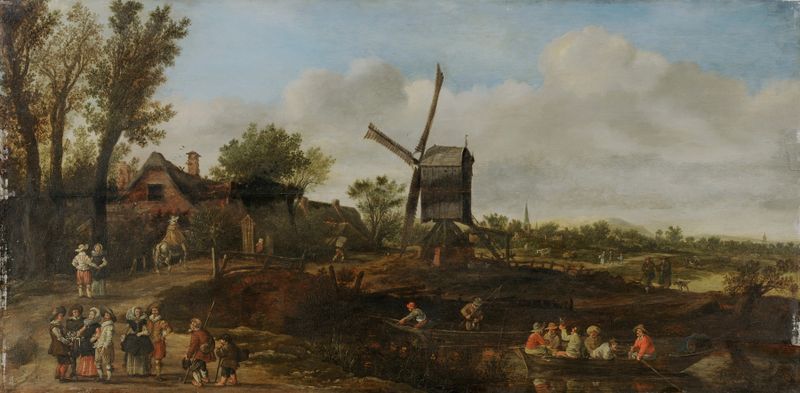
Dutch Landscape
Jan van Goyen
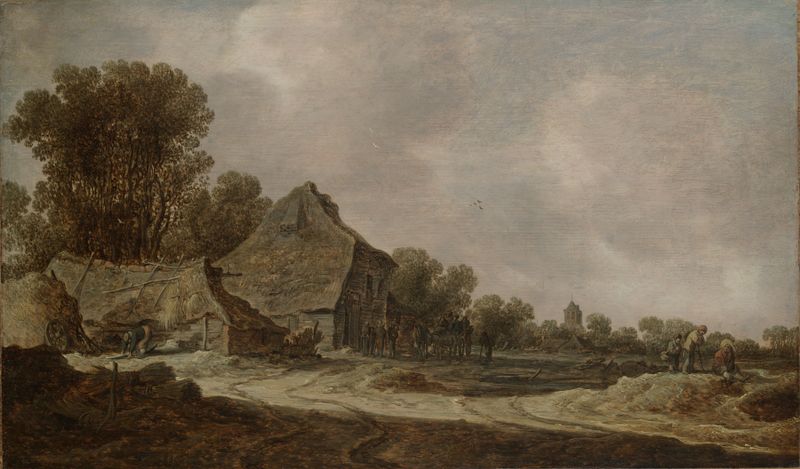
A Sandy Road with Thatched Cottages
Jan van Goyen
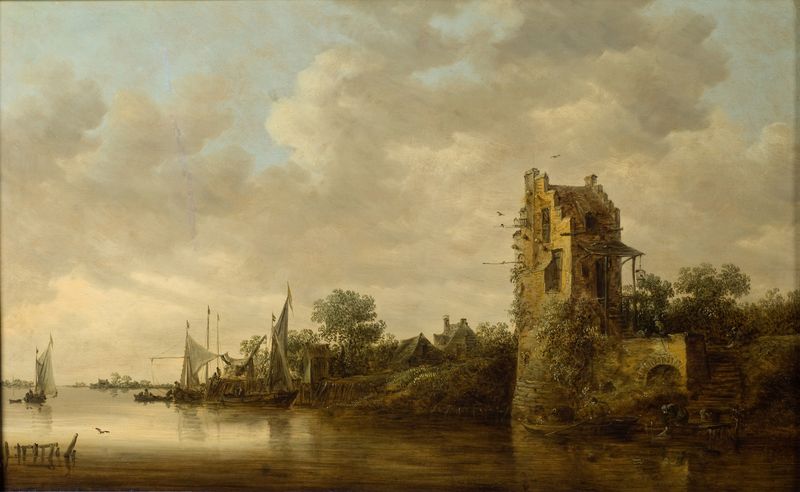
Riverside with an Old Tower
Jan van Goyen





